
A homeowner named Catherine has a travertine pool deck at her place in The Woodlands. Imported stone. Beautiful cream and tan tones. Cost more than some people’s cars.
Called me in a panic.
“The pool guy pressure washed it,” Catherine said. “Now there are marks everywhere. Lines in the stone. It looks terrible.”
I drove over to see. She wasn’t exaggerating.
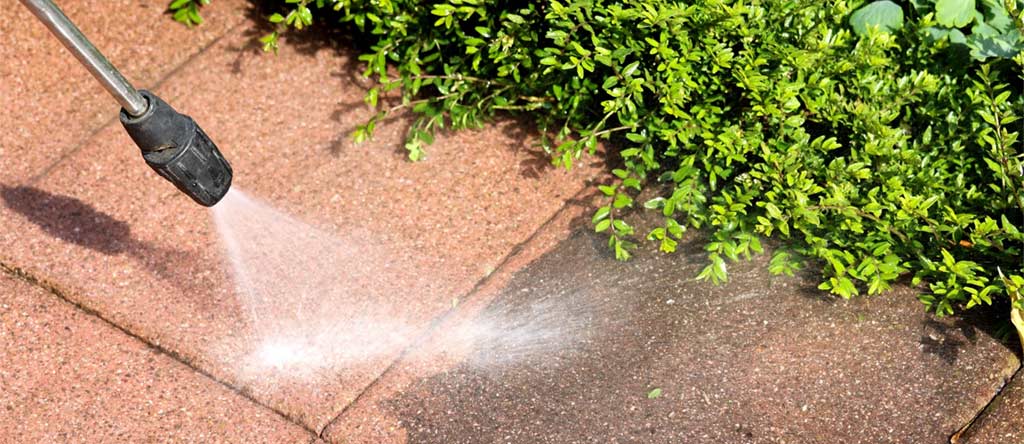
Striping patterns across the deck. Etching where the pressure hit hardest. Pitting in the softer areas. The surface that was supposed to look like natural stone now looked like someone had attacked it with a sandblaster.
“He said he’d cleaned stone before,” Catherine said. “He used the same pressure washer he uses on concrete.”
Yeah. That’s the problem.
Natural stone isn’t concrete. Natural stone types include travertine, limestone, flagstone, and slate. These materials are softer. More porous. More vulnerable. What works on a concrete driveway destroys a travertine patio.
Catherine’s deck needed professional restoration after that. Honing. Filling. Sealing. Expensive fix for a preventable mistake.
“I should’ve called someone who specializes in stone,” she said.
Yeah. Should have. Natural stone needs different equipment, different chemistry, and different techniques. The shortcuts that work on concrete cause permanent damage on stone.
Snapshot
| Factor | What to Know |
| Cleaning frequency | Annually for most applications. Twice yearly for pool areas. |
| Cost range | $0.50-$1.50 per square foot depending on stone type |
| Critical factor | Requires soft washing. High pressure damages natural stone. |
| Houston reality | Humidity grows algae in porous stone. Acidic cleaners etch limestone. |
| Best timing | Spring cleaning before outdoor season. Fall before sealing. |
Why Natural Stone Needs Specialized Cleaning
Natural stone is different from manufactured materials. It formed over millions of years. Each piece has unique characteristics. Each piece exhibits unique characteristics such as porosity, hardness, and mineral composition. All vary by stone type and even by individual piece.
Travertine is porous. Full of tiny holes and channels. Water and dirt get in. High pressure blasts those channels wider. Creates pitting. Accelerates deterioration.
Limestone reacts to acid. Most household cleaners are acidic. Pool chemicals are acidic. Even some commercial cleaning products are acidic. Wrong chemistry etches the surface. Dulls the finish. Creates permanent marks.
Flagstone varies wildly. Some types are dense and durable. Others are soft and flaky. The cleaning approach has to match the specific stone. Can’t treat all flagstone the same.
Slate seems tough but can be delicate. Layered structure means aggressive cleaning can lift and separate layers. Creates chips and flaking.
In Houston, natural stone faces extra challenges. High humidity feeds algae and mildew growth in every pore and crevice. Pool decks get chlorine splashes that can react with certain stones. Heat accelerates chemical reactions.
A landscape designer named Marcus installs natural stone across north Houston. Sees the aftermath of bad cleaning.
“Homeowners call saying their stone is worn out,” Marcus said. “Half the time it’s damage from improper cleaning. Pressure too high. Wrong chemicals. Stuff that could’ve been avoided.”
He recommends specialized cleaning to all his clients now. The investment in the stone deserves proper maintenance.
Wrong technique causes permanent damage. The right technique preserves the investment.
What Natural Stone Cleaning Covers
More than just removing surface dirt. Proper natural stone cleaning addresses the unique characteristics of these materials.
Soft Washing for Surface Cleaning
Low pressure with appropriate cleaning solutions. The opposite of blasting concrete clean.
Soft washing relies on chemistry to do the work. Cleaning solution breaks down dirt, algae, and organic matter. Low pressure rinses it away without damaging the stone surface.
The solution matters as much as the pressure. pH-neutral cleaners for most natural stone. Alkaline products for heavy organic growth. Never use acidic products on limestone or travertine.
Dwell time matters. The solution needs time to work. Can’t just spray and rinse immediately. The chemistry needs to break down the contamination.
Algae and Mildew Treatment
Natural stone’s porosity makes it vulnerable to biological growth. This includes the growth of algae, mildew, moss, and lichen. All find homes in the textured surface.
Green growth on stone isn’t just appearance. It holds moisture against the surface. Accelerates weathering. Creates slip hazards on walkways and pool decks.
Proper treatment kills growth at the root. Not just removing the visible green but addressing the organic matter that’s embedded in the stone.
Houston’s humidity makes the process an ongoing battle. Growth comes back faster here than in drier climates. Regular cleaning prevents it from getting established.
Efflorescence Removal
White powdery deposits on stone surfaces. Mineral salts that migrate to the surface as moisture evaporates.
Common on new installations as curing moisture escapes. Also appears after flooding or heavy moisture intrusion. Creates a white haze that obscures the natural stone color.
Efflorescence needs specific treatment. Simple cleaning doesn’t remove it. Needs products designed to dissolve mineral deposits without damaging the stone.
A homeowner named Richard has a flagstone patio in Cypress. White haze appeared after a wet spring.
“Thought the stone was ruined,” Richard said. “Turns out it was just efflorescence. The efflorescence immediately disappeared with the appropriate treatment. The stone looked perfect underneath.”
Efflorescence looks bad but usually resolves with proper treatment.
Stain Treatment
Specific stains that need targeted attention. These stains include oil, rust, organic matter, and deposits from hard water.
Oil stains penetrate porous stone quickly. Grill drippings, sunscreen, automotive fluids. Need poultice treatment to draw oil out of the stone rather than just cleaning the surface.
Rust stains from metal furniture, planters, or fertilizer. Require specific rust removers that won’t damage the stone. Wrong products make it worse.
Organic stains from leaves, berries, and plant material are a common problem. Tannins that discolor the stone. Need appropriate treatment that addresses the organic compounds.
Hard water deposits near pools and fountains. Calcium and mineral buildup from water splash. Needs careful removal without etching the stone.
Joint and Grout Cleaning
The spaces between stones. Sand-filled joints, mortared grout, polymeric sand. Each needs appropriate attention.
Joints collect debris, organic matter, and weed seeds. Become dark and unsightly. Sometimes grow actual weeds if neglected.
Grout lines on mortared installations discolor over time. Mildew grows. Stains develop. Need cleaning to restore uniform appearance.
Polymeric sand can wash out if cleaning is too aggressive. Need to balance thorough cleaning with joint preservation.
Common Natural Stone Types and Their Cleaning Needs
Different stones require different approaches. Here’s what to know about popular materials.
Travertine
Popular for pool decks and patios. Cream, tan, and brown tones. Distinctive pitted surface unless filled and honed.
Very porous. Absorbs water and stains easily. The material necessitates the use of low-pressure and pH-neutral cleaning agents. Never use acidic products. Etches immediately.
The natural pits collect dirt that’s hard to remove without proper technique. Need to clean into the texture without damaging it.
Sealing after cleaning is essential. Travertine without sealer gets dirty again quickly.
Limestone
Similar to travertine but denser. Used for patios, walkways, and building facades. Light colors that show dirt easily.
Extremely acid-sensitive. Even mild acids etch the surface. Never use vinegar, citrus cleaners, or standard household products.
Weathers over time. Develops a patina that some owners like and others want removed. The cleaning approach depends on the desired outcome.
Flagstone
Broad category including sandstone, slate, and other flat natural stones. Popular for patios and walkways. Highly variable properties.
Some flagstone is dense and durable. Other types are soft and prone to flaking. Need to assess the specific stone before cleaning.
Irregular surfaces create texture that collects dirt. Natural color variations can mask contamination until it’s severe.
Slate
Dense and durable but layered structure. Slate exhibits a range of colors, including blues, grays, greens, and purples. Popular for patios and entryways.
Can handle more pressure than travertine but still needs care. Aggressive cleaning can lift surface layers. Creates chips and flaking.
The natural texture collects dirt in clefts and ridges. Need thorough cleaning to get into all the surface variations.
Bluestone
Dense sandstone. Blue-gray coloring. One of the more durable natural stones for exterior use.
Handles cleaning better than softer stones but still benefits from appropriate technique. Heavy pressure is unnecessary and can cause surface erosion over time.
Pool and patio contractor named Elena installs bluestone throughout the Houston area. Sees varying maintenance approaches.
“Bluestone is forgiving but not indestructible,” Elena said. “The installations that get proper soft washing look great for decades. The ones that get blasted with high pressure show wear after a few years.”
Even durable stones benefit from gentle technique.
The Relationship Between Cleaning and Sealing
Natural stone sealing is even more critical than sealing concrete. The porosity of stone makes it vulnerable without protection.
Sealing dirty stone locks contamination inside. The sealer traps dirt, algae, and stains under a protective layer. Looks terrible. Defeats the purpose.
Cleaning without resealing leaves stone exposed. A freshly cleaned surface absorbs stains faster than before. Everything penetrates deeper without protection.
The ideal approach is always cleaning followed by sealing. Fresh sealer on clean stone. Maximum protection. Best appearance. Longest service life.
Sealer types vary for natural stone. Penetrating sealers soak in and protect without changing appearance. Enhancing sealers deepen color and add sheen. Topical sealers create surface film. Each has appropriate applications.
Travertine around pools especially needs regular sealing. Chlorine splash attacks unsealed stone. Water penetration causes deterioration. Sealer is the defense.
Most natural stone does best with cleaning and sealing every 2-3 years. Pool areas may need annual attention. The combination maintains the investment.
How Often Should Natural Stone Get Cleaned
Depends on stone type, location, and exposure.
Pool decks need cleaning twice yearly. Before pool season and mid-summer. Chlorine exposure, constant moisture, and heavy use demand frequent attention.
Patios and outdoor living areas annually. Spring cleaning prepares for the entertaining season. More frequent if under heavy tree coverage or in consistently shaded areas.
Walkways and entries annually or as needed. High traffic areas show dirt faster. May need more frequent attention depending on use.
Shaded areas need more frequent cleaning. Algae and mildew grow faster without sun exposure. North-facing installations are the worst.
Houston’s climate accelerates everything. High humidity feeds biological growth. Summer heat intensifies chemical reactions. Plan on more frequent maintenance than drier climates require.
Most Houston-area natural stone installations do best with annual cleaning and sealing every 2-3 years. Pool areas twice yearly cleaning, annual sealing.
What Natural Stone Cleaning Costs
Pricing runs higher than standard concrete due to the specialized technique required.
Light cleaning of well-maintained stone runs $0.50-$0.75 per square foot.
Standard cleaning with moderate buildup runs $0.75-$1.00 per square foot.
Heavy cleaning with significant contamination runs $1.00-$1.50 per square foot.
Specialty stain treatment adds cost depending on stain type and severity.
For a typical 400-square-foot travertine patio, expect $300 to $500 for a thorough cleaning.
For a 600-square-foot pool deck, expect $400 to $700.
For larger installations of 1,000+ square feet, per-square-foot pricing typically decreases.
Sealing after cleaning adds additional cost but provides essential protection. This is typically quoted as a package.
Compare cleaning costs to damage repair. Catherine’s pressure washing damage required thousands in restoration. Proper cleaning would’ve cost a few hundred. Math is obvious.
Current Trends in Natural Stone Maintenance
More awareness of proper cleaning requirements. Homeowners researching before hiring. Asking about technique and products.
Color-enhancing sealers are popular for maintaining or restoring vibrancy. Deepens natural tones while protecting.
Maintenance programs are gaining adoption. Annual cleaning and periodic sealing on a scheduled basis. Proactive care rather than reactive.
Soft washing is becoming standard. Recognition that high pressure damages stone. Equipment and technique are evolving to match material requirements.
FAQs
Can regular pressure washing damage natural stone?
Yes. High pressure erodes soft stones, creates etching, and can cause pitting. Natural stone requires soft washing with appropriate pressure and chemistry. Experience matters significantly.
Why does my travertine have white marks after cleaning?
Usually efflorescence or acid etching. Efflorescence are mineral deposits that can be treated. Acid etching from wrong cleaners is permanent surface damage requiring professional restoration.
How long after cleaning before we can seal?
Stone needs to dry completely. The drying process typically takes a minimum of 24-48 hours, and may take longer if the weather is humid. Sealing wet or damp stone traps moisture and causes problems.
Can you remove etching from limestone?
Depends on severity. Light etching can sometimes be addressed with honing and polishing. Severe etching may require professional stone restoration. Prevention through proper cleaning products is better than repair.
Is natural stone worth the extra maintenance cost?
Natural stone properly maintained lasts decades and often increases property value. The investment in proper maintenance protects a larger investment in the stone itself. Worth it for most owners.
Why Klein Pressure Washing
We clean natural stone across Spring, Klein, The Woodlands, Cypress, and greater Houston. Twenty years doing this. We specialize in cleaning various types of natural stone such as travertine, limestone, flagstone, slate, and bluestone. Every type, every application.
We understand natural stone. Soft washing technique. pH-neutral chemistry. Appropriate treatment for each stone type. We know the difference between cleaning stone and cleaning concrete.
Catherine wishes she’d called us first. Richard’s efflorescence came right off. Marcus sends his installation clients to us. Elena recommends us for ongoing maintenance.
Your natural stone was a significant investment. It deserves cleaning that protects rather than damages. Wrong technique causes problems that cost far more than proper maintenance.
Call us. We’ll look at your stone, identify the type and condition, and explain exactly how we’d approach cleaning. No surprises. No damage. Just clean stone.
Protected stone. Preserved beauty. Smart investment. Worth the money.
Articles Related to Pressure Washing – Post-Construction Cleaning Service By Klein Pressure Washing in Montgomery County, Texas!
Travertine and Natural Stone Cleaning
Protect delicate surfaces with professional travertine and natural stone cleaning services. From patios and walkways to pool decks and entryways, expert pressure washing removes dirt, algae, and buildup using safe methods. Proper care helps preserve stone integrity and long-term curb appeal.
Stamped Concrete Cleaning
Restore the look of decorative surfaces with professional stamped concrete cleaning services. From patios and walkways to driveways and pool decks, expert pressure washing removes dirt, stains, and buildup without damaging the finish. Proper cleaning helps preserve appearance and extend surface life.
Sports Court Cleaning
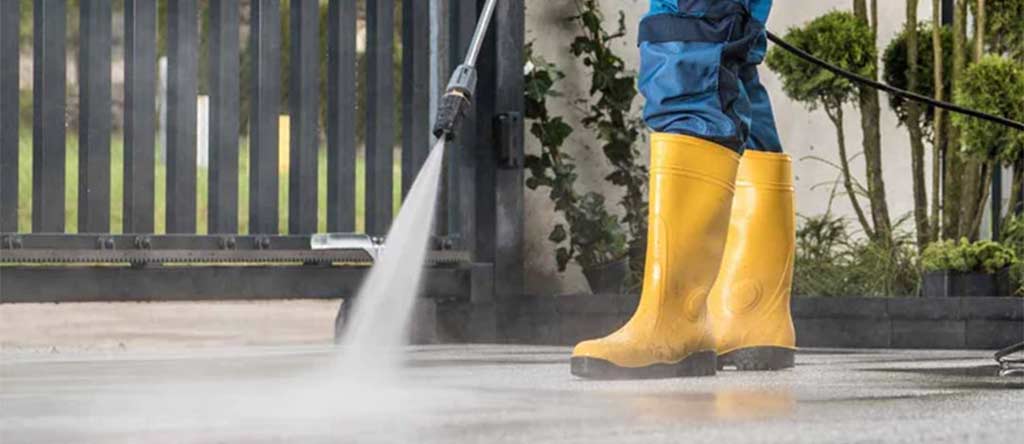
Keep sports courts clean, safe, and playable with professional pressure washing services. From basketball and tennis courts to surrounding concrete areas, expert cleaning removes dirt, algae, and surface buildup effectively. Routine maintenance improves traction, appearance, and overall court performance.
Retaining Wall Cleaning
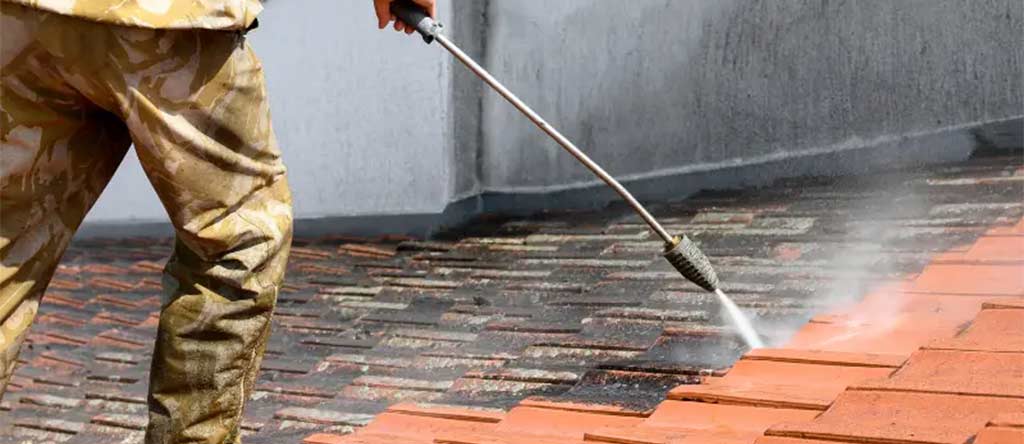
Keep retaining walls looking clean and structurally sound with professional cleaning services. From concrete and stone walls to landscaped retaining systems, expert pressure washing removes dirt, algae, and buildup safely. Proper cleaning helps protect surfaces and maintain a polished property appearance.