
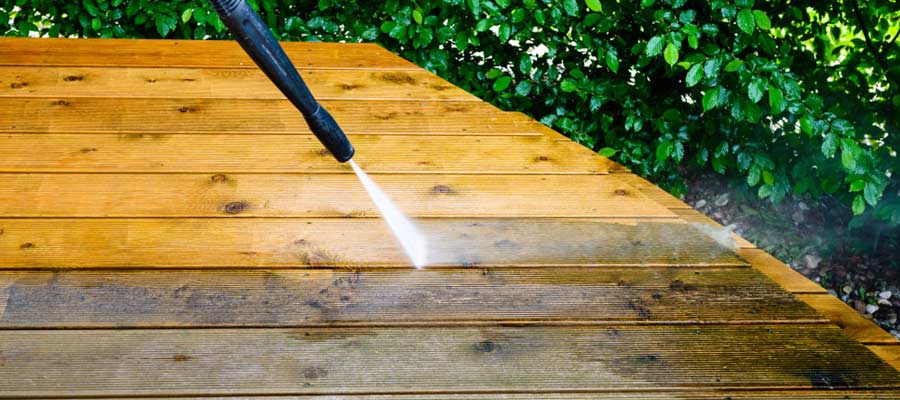
Saturday morning driveway inspection. Years of oil stains. Tire marks. The green algae is slowly infiltrating from the edges. You know the drill. The pressure washer is sitting right there in the garage. You are ready to blast all of it into oblivion.
But then the thought hits you. Can this thing actually wreck my concrete?
Short answer: yes, it can. But this only happens if you are using way too much pressure, the wrong nozzle, or holding the wand about six inches from the surface.
Done right? Cleaning driveways and patios without compromising structural integrity is one of the most effective methods.
Done wrong? Erosion can lead to etching, pitting, and permanent damage.
Snapshot
| Factor | What to Know |
| Safe PSI | 2,000 to 2,700 for most driveways. Over 3,000 is asking for problems. |
| Concrete lifespan | 25 to 40 years in Texas. Hot summers and occasional freezes speed up wear. |
| Professional cost | $0.20 to $0.40 per sq ft in Houston area depending on stain severity |
| Most common damage | Etching (streaks that never blend back), chipping, water forced into cracks |
| Best nozzles | 25 degrees for cleaning, 40 degrees for rinsing. Never use that red 0-degree tip. |
| Houston reality | Expansive clay soil makes concrete shift and crack more. Existing cracks get worse fast. |
How Concrete Actually Gets Damaged by Pressure Washing
Concrete is tough. But it is also porous. Too much force in the wrong place wears it down faster than years of normal use.
Surface Etching
Most common issue. High pressure creates streaks or swirl marks that never go away.
Once you etch concrete, you are stuck with it. No fixing it. None.
Chipping and Spalling
Aged or weakened concrete loses its top layer when hit with ultra-high PSI. End up with rough, pitted spots that look worse than the original dirt.
Making Cracks Worse
Water forced into tiny cracks expands and contracts with temperature. Especially in Texas, where it is 95 degrees one day and 40 the next.
Speeds up cracking. Makes small problems into big ones.
FAQs
Can pressure washing make cracks worse?
Yes. If water gets forced in. Seal cracks before washing or be super careful around damaged spots.
What PSI is actually safe for concrete?
The ideal range for concrete is between 2,000 and 2,700 PSI. Lower is safer but might not remove deep stains. Higher increases damage risk.
Will pressure washing remove oil stains from concrete?
Yes. The right degreaser and hot water can effectively remove oil stains from concrete. Oil is stubborn, though. Pre-treating makes a huge difference.
How often should I pressure wash concrete in Texas?
Once a year usually works. High-traffic areas or driveways with heavy tree coverage might need twice yearly.
Should I DIY or hire a professional?
If you are confident and have the right equipment, DIY can work. But what about most of the concrete damage we see? Homeowners often cause damage to concrete by applying excessive pressure or using the incorrect nozzle. Happens all the time.
Why Klein Pressure Washing
We have cleaned thousands of driveways across Spring, Klein, The Woodlands, Cypress, and greater Houston.
We know Texas concrete. We have the necessary commercial equipment and experience to safely clean it without causing any damage.
Want professional results without the risk? Call us.
Blog Articles Related to Power Washing – Pool Deck Cleaning Service By Klein Pressure Washing in Melrose Park, Texas.

Travertine and Natural Stone Cleaning
Protect delicate surfaces with professional travertine and natural stone cleaning services. From patios and walkways to pool decks and entryways, expert pressure washing removes dirt, algae, and buildup using safe methods. Proper care helps preserve stone integrity and long-term curb appeal.
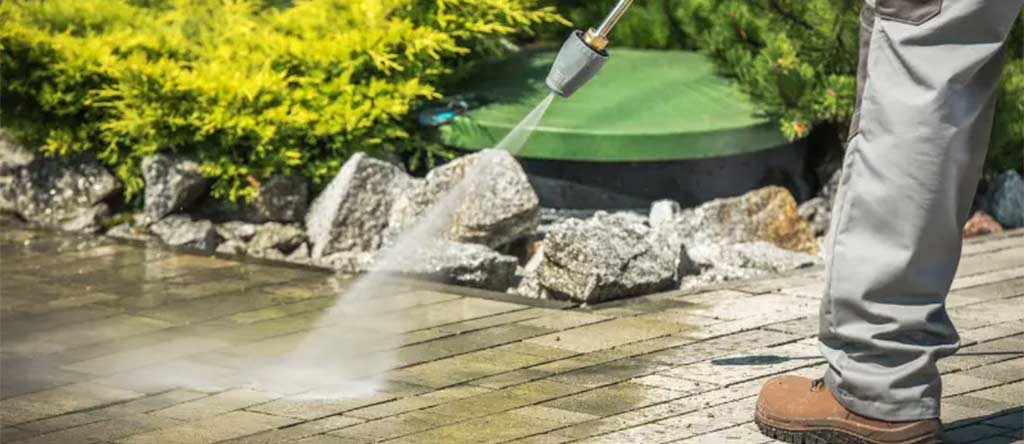
Stamped Concrete Cleaning
Restore the look of decorative surfaces with professional stamped concrete cleaning services. From patios and walkways to driveways and pool decks, expert pressure washing removes dirt, stains, and buildup without damaging the finish. Proper cleaning helps preserve appearance and extend surface life.
Sports Court Cleaning
Keep sports courts clean, safe, and playable with professional pressure washing services. From basketball and tennis courts to surrounding concrete areas, expert cleaning removes dirt, algae, and surface buildup effectively. Routine maintenance improves traction, appearance, and overall court performance.
Retaining Wall Cleaning
Keep retaining walls looking clean and structurally sound with professional cleaning services. From concrete and stone walls to landscaped retaining systems, expert pressure washing removes dirt, algae, and buildup safely. Proper cleaning helps protect surfaces and maintain a polished property appearance.