
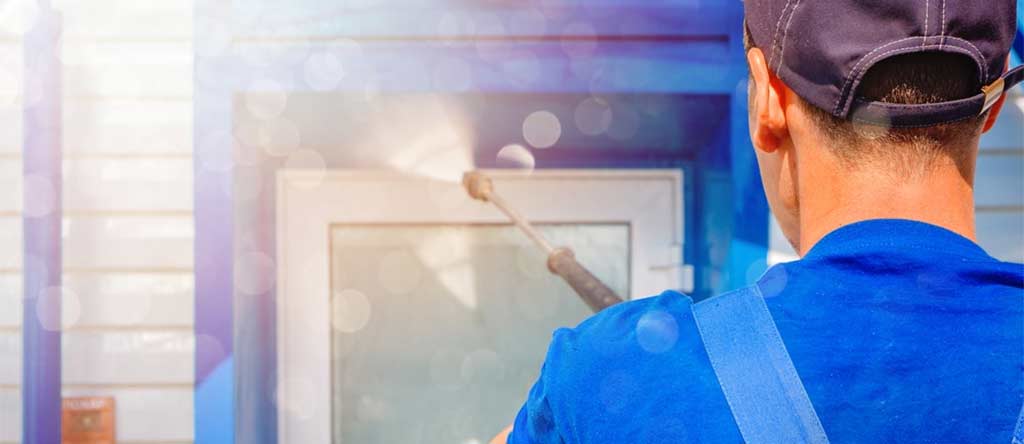
Board president named Deborah runs an HOA in a master-planned community near The Woodlands. About 340 homes. Nice neighborhood. Good amenities. Active residents.
Called me last spring after a board meeting went sideways.
Residents were complaining. The entrance monument looked rough. Sidewalks around the pool had black streaks. The clubhouse patio was slippery with algae. The perimeter fence had green patches visible from the main road.
“We pay HOA fees for this,” one homeowner said during the meeting. “Why does everything look neglected?”
Deborah didn’t have a good answer. Landscaping was on schedule. Pool maintenance was current. But pressure washing? Hadn’t been done in two years. Maybe three.
That’s how it goes with HOAs. You budget for the obvious stuff. Grass gets cut. The pool stays blue. Lights work. But exterior cleaning falls through the cracks until someone complains.
We cleaned everything. Monument. Sidewalks. Pool deck. Clubhouse. Perimeter fencing along the main entrance.
Took two days. Transformed the whole feel of the community.
“Should’ve been doing this every year,” Deborah said. “Now it’s in the budget permanently.”
Lesson learned. Most HOAs learn it eventually.
Snapshot
| Factor | What to Know |
| Cleaning frequency | Annually for most common areas. Twice yearly for high-visibility spots. |
| Cost range | $1,500-$8,000+, depending on community size and scope |
| Property value factor | Clean common areas support home values across the community |
| Houston reality | Humidity and shade create algae problems faster than other regions |
| Best timing | Spring after pollen season or fall before holiday gatherings |
Why HOA Pressure Washing Matters for Property Values
Common areas set the tone for the entire community. Buyers drive through before they schedule showings. They notice the entrance. The pool. The fencing. The sidewalks.
Clean common areas signal a well-managed HOA. One that cares about maintenance. That enforces standards. That protects property values.
Dirty common areas signal the opposite. Deferred maintenance. Tight budgets. Maybe dysfunction on the board. Buyers notice. Appraisers notice too.
In Houston, the challenge is relentless. Humidity feeds mildew. Shade creates algae. Pollen coats everything in spring. Dust settles in summer. Heavy rains splash mud onto every vertical surface.
Without annual cleaning, common areas deteriorate fast. Like, noticeably fast. What looks fine in January looks neglected by June.
Property manager named Carl handles three communities in the Spring area. Different sizes. Different budgets. Same problem everywhere.
“The communities that budget for annual cleaning have fewer complaints,” Carl said. “The ones that skip it? Constant emails about how things look.”
Not a coincidence. Proactive maintenance prevents reactive headaches. Every time.
What HOA Pressure Washing Typically Covers
Every community is different. But most HOA pressure washing projects hit the same areas.
Entrance Monuments and Signs
The first thing anyone sees. Brick, stone, stucco, or concrete monuments with community signage. Often surrounded by landscaping that splashes mud during irrigation.
Monuments grow mildew on shaded sides. Develop water stains below sprinkler lines. Collect pollen and dust on horizontal surfaces.
Should look sharp year-round. This is your community’s first impression. Not optional.
Pool Decks and Clubhouse Areas
High traffic. Lots of water. Perfect conditions for algae and mildew.
Concrete pool decks get slippery. Black streaks develop where water drains. Shaded areas under pavilions turn green. Clubhouse patios collect food spills and drink stains from events.
Safety issue as much as appearance. A slippery pool deck is a lawsuit waiting to happen.
Board member named Frank serves on an HOA in Cypress with a resort-style pool. Big deck. Lots of furniture. Heavy use all summer.
“We started cleaning the deck twice a year after a kid slipped,” Frank said. “No injury, thank God. But it scared us into taking it seriously.”
Smart call. A clean pool deck is a safe pool deck.
Sidewalks and Walking Trails
Miles of concrete in some communities. Main sidewalks along streets. Trails through green spaces. Paths connecting neighborhoods to amenities.
All of it collects grime. Shaded sections grow algae. Tree-lined paths get covered in leaves and debris that stain the concrete underneath.
Full sidewalk cleaning gets expensive for large communities. Many HOAs prioritize high-visibility sections. Main entrances. Paths to the pool. Sidewalks along major streets.
Perimeter Fencing and Walls
Privacy fencing along main roads. Decorative walls at entrances. Brick or stone barriers between sections.
Visible to everyone driving by. When it’s dirty, the whole community looks neglected from the street.
Wood fencing needs soft washing to avoid damage. Masonry can handle more pressure but still needs care around mortar joints.
Playground Equipment and Sports Courts
Where kids play. Parents care about cleanliness here. Bird droppings on slides. Algae on rubber surfacing. Grime on basketball courts.
Tennis and basketball courts develop black buildup from shoes and weathering. Makes the surface look older than it is.
Annual cleaning keeps recreational areas inviting. Parents notice when it’s done. And when it’s not.
Mailbox Stations and Common Buildings
Cluster mailboxes with shelters. Maintenance buildings. Guard houses. Any structure the HOA maintains.
Residents visit mailboxes daily. They see the condition up close. Dirty mailbox stations become a regular reminder that common areas need attention.
Bulk Resident Programs and Community Discounts
Some HOAs arrange group pricing for individual homeowners. The board negotiates a community rate. Residents sign up voluntarily. Everyone saves money.
Works well for communities with exterior standards. If homes are supposed to look a certain way, offering affordable cleaning helps residents comply.
Typical structure: the contractor offers a 15-25% discount for residents who sign up during a designated window. The HOA promotes it through newsletters and email blasts. The contractor schedules multiple homes in one trip.
Everybody wins. Residents get better pricing. Contractor gets volume. The HOA gets a cleaner-looking community without enforcement battles.
HOA president named Monica runs a community in Klein that started a group program three years ago. About 180 homes.
“We went from maybe 15 homes getting cleaned each year to over 60,” Monica said. “The neighborhood looks so much better. And we send fewer violation letters.”
Smart approach. Makes compliance easier instead of just enforcing harder.
How Often Should HOA Common Areas Get Pressure Washed
Depends on the area and how visible it is.
Entrance monuments need twice-yearly cleaning in Houston. Spring after pollen season. Fall before the holidays. These are your most visible assets.
Pool decks need twice yearly minimum. Before pool season opens. If there is heavy usage, the cleaning should be done again in mid-summer. Safety trumps budget here.
Sidewalks and trails do well with annual cleaning. Prioritize high-traffic sections if the budget is tight.
Perimeter fencing annually. More visible sections may need touch-ups between full cleanings.
Clubhouse and recreational facilities annually at minimum. Before major community events is ideal timing.
Some communities do one comprehensive cleaning in spring. Others split it up across the year. Either works as long as nothing gets forgotten.
What HOA Pressure Washing Costs
Pricing varies dramatically based on community size. A small townhome HOA is different from a master-planned community with thousands of homes.
The entrance monument alone costs $200–$500, depending on size and material.
The pool deck and clubhouse area cost $400–$1,200, depending on square footage.
Perimeter fencing runs $0.50-$1.50 per linear foot. A quarter-mile fence could run $1,500–$4,000.
Sidewalks run $0.15-$0.30 per square foot. Large communities with extensive trail systems can hit $3,000-$8,000 for full sidewalk cleaning.
A comprehensive package for a mid-size community typically falls between $3,000 and $6,000 annually. Large master-planned communities can run $10,000-$20,000 or more.
Sounds like a lot. But divide that by hundreds of homes, and you’re talking a few dollars per household per year. Cheaper than the property value hit from neglected common areas.
Current Trends in HOA Exterior Maintenance
More HOAs are building pressure washing into annual budgets rather than treating it as a one-time expense. Predictable spending beats emergency approvals.
Resident group programs are gaining popularity. Boards see it as a way to improve community appearance without spending reserve funds.
Timing is shifting earlier in spring. Communities want to look sharp for peak home-selling season in April and May.
Environmental considerations are becoming more common. Boards are asking about eco-friendly products and water management. Good questions to ask.
FAQs
Does pressure washing require board approval?
For common areas, typically yes. Most HOA bylaws require board approval for vendor contracts above a certain threshold. Check your governing documents.
Can we coordinate with landscaping schedules?
Absolutely. Best practice is pressure washing before mulch installation. Clean surfaces first, then fresh mulch. Looks intentional rather than patchwork.
How long does full community cleaning take?
Small communities can be done in a day. Mid-size communities typically run 2-3 days. Large master-planned communities may take a week or more depending on scope.
Will pressure washing damage landscaping?
Not with proper technique. We rinse plants before and after. Use appropriate pressure near beds. Professional crews know how to protect landscaping. Nobody wants dead shrubs after a cleaning job.
Should we get multiple bids?
Standard practice for HOA spending. Get at least three quotes. Compare scope, not just price. Make sure everyone is bidding on the same areas and services.
Why Klein Pressure Washing
We clean HOA communities across Spring, Klein, The Woodlands, Cypress, and greater Houston. Twenty years doing this. Small townhome associations. Mid-size subdivisions. Large master-planned communities. All of it.
We work with boards and property managers. Provide detailed scopes for approval. Schedule around community events. Coordinate with landscaping and pool maintenance.
Deborah’s community looks like it should now. Carl’s three HOAs stay ahead of complaints. Frank’s pool deck is safe for summer. Monica’s group program gets more participation every year.
Common areas matter. They set the tone for the whole community. They affect property values. They affect how residents feel about where they live.
Call us. We’ll walk the property with your board or manager, identify what needs attention, and provide a detailed quote. If you want to set up a group program for residents, we can structure that too.
Clean community. Happy residents. Protected values. Worth doing.
Blog Posts Related to Pressure Washing – Parking Lot & Garage Cleaning Service By Klein Pressure Washing in Brazoria County, Texas…
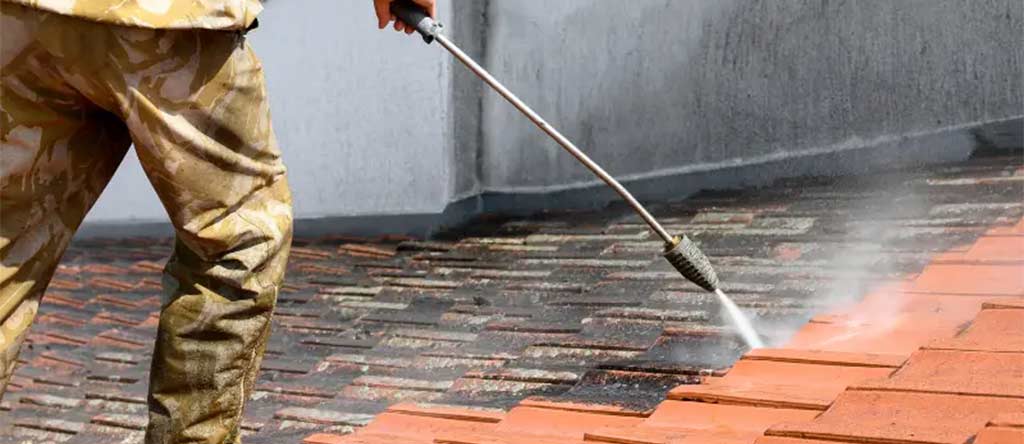
Travertine and Natural Stone Cleaning
Protect delicate surfaces with professional travertine and natural stone cleaning services. From patios and walkways to pool decks and entryways, expert pressure washing removes dirt, algae, and buildup using safe methods. Proper care helps preserve stone integrity and long-term curb appeal.
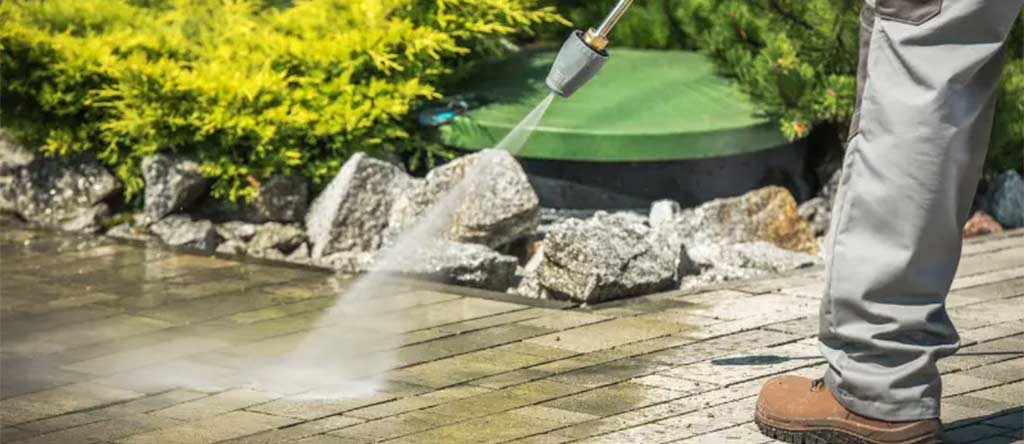
Stamped Concrete Cleaning
Restore the look of decorative surfaces with professional stamped concrete cleaning services. From patios and walkways to driveways and pool decks, expert pressure washing removes dirt, stains, and buildup without damaging the finish. Proper cleaning helps preserve appearance and extend surface life.
Sports Court Cleaning
Keep sports courts clean, safe, and playable with professional pressure washing services. From basketball and tennis courts to surrounding concrete areas, expert cleaning removes dirt, algae, and surface buildup effectively. Routine maintenance improves traction, appearance, and overall court performance.
Retaining Wall Cleaning
Keep retaining walls looking clean and structurally sound with professional cleaning services. From concrete and stone walls to landscaped retaining systems, expert pressure washing removes dirt, algae, and buildup safely. Proper cleaning helps protect surfaces and maintain a polished property appearance.