
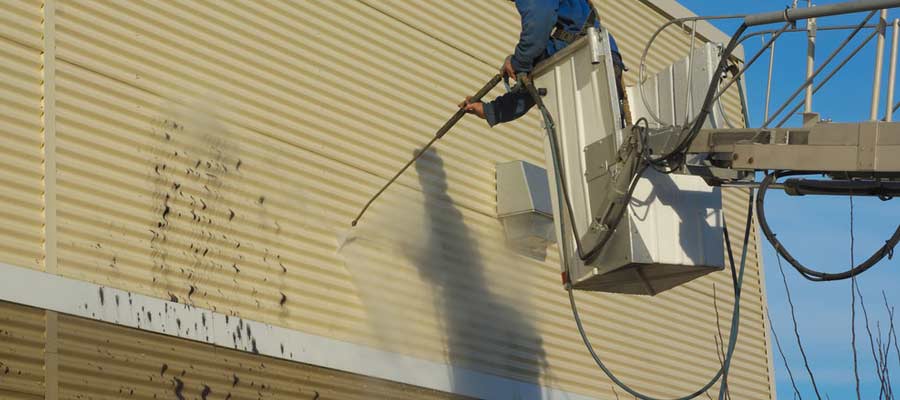
A woman named Sandra in The Woodlands called me last spring. Sandra reported that her house appeared to be in need of repair. The north side of the house was covered in green patches. Dark streaks under the windows. There is a buildup of chalk on the painted trim.
“We’re not ready to repaint,” she said. “But something has to change. It looks like we don’t take care of the place.”
They did take care of the place. Texas weather just doesn’t make it easy. Heat. Humidity. Shade. Pollen. Dust. All of it accumulates in your home over time.
We gently washed her house. Took about four hours. It looked like a different home when we finished. Same paint. Same siding. Just clean.
“I can’t believe the difference,” Sandra said. Sandra said, “I should’ve done this two years ago.”
Same thing everyone says.
Snapshot
| Factor | What to Know |
| Typical cost | $200 to $800 for most homes. $600 to $1,200+ for two-story or multi-surface. |
| Cleaning frequency | Every 12 to 18 months in Texas |
| Best method | Soft washing for siding and stucco to avoid damage |
| Extra services | Roof, driveways, and patios usually priced separately |
| Texas factor | Heat, humidity, and pollen create faster buildup than cooler states |
Why House Washing Matters More Than People Realize
A clean home exterior feels better to come home to. But there’s more to it than that.
Dirt and organic growth don’t just sit on the surface. Mildew and algae hold moisture against paint, brick, and siding. Over time, that shortens the life of your paint job. Causes permanent staining. You see small patches spreading year after year. Once growth takes hold, it rarely goes away on its own.
Regular exterior cleaning breaks that cycle. Refreshes curb appeal. Slows deterioration. This ensures that your home’s exterior doesn’t appear older than it actually is.
A couple in Spring named Keith and Donna were getting ready to list their house. The realtor told them the exterior looked dated. Suggested repainting before showing.
They called us first. We washed the whole house. $450 instead of $5,000 for paint.
The realtor came back. “Never mind about the paint,” she said. “This looks great.”
The house was sold in three weeks. Sometimes cleaning is all you need.
What It Really Costs to Pressure Wash a House
Pricing depends on square footage, height, dirt level, and siding type. Does a small one-story home simply require a maintenance wash? Toward the low end. Is a larger two-story home with stubborn mildew, shaded areas, or multiple exterior materials more expensive? Higher.
Professional companies price houses differently. They consider the risk, time, and type of cleaning needed. That’s why quotes vary. Some surfaces take more care and preparation.
Home size matters most. More square footage equals more cleaning time.
Height matters. Second-story cleaning requires ladders or safety systems. Takes longer. More risk.
Siding type matters. Vinyl, brick, wood, stucco, and painted surfaces all behave differently. Each needs a different approach.
Condition matters. Light dust is quick work. Heavy algae or old stains take longer. More chemicals. More passes.
Obstacles add complexity. The proximity of trees to the house adds to its complexity. Tight spaces. Screened patios. Steep terrain. All add setup time.
A homeowner in Cypress named Frank had a large two-story brick home. The north side is covered in green. Stucco sections on the back. He didn’t want us to damage the screened porch.
Quoted him $850. He thought it was high.
“That’s a big house,” I told him. “Multiple materials. There was a significant amount of detail work done around that porch.
It took most of a day to complete the task. Every surface was cleaned properly. Porch untouched. Frank was delighted when he saw the results.
“Worth it,” he said. “Looks like we just moved in.”
Soft Washing vs Pressure Washing Your House
This is where confusion comes in.
Traditional pressure washing uses higher pressure to blast dirt off tough surfaces like concrete. Works excellently on driveways. But your home’s siding doesn’t need that kind of force.
Soft washing uses low pressure paired with cleaning solutions designed for residential exteriors. Detergents loosen dirt and growth. Then everything gets gently rinsed away.
Done correctly, soft washing prevents water from being forced behind siding. Avoids surface damage. If you’ve ever worried that pressure washing might be too harsh for your home, soft washing is usually the answer.
A guy in Klein named Curtis tried to pressure wash his house. Rented a machine. Cranked up the pressure. Figured stronger meant cleaner.
Wrong.
Blew water behind his vinyl siding. Chipped paint around the windows. The water had left visible marks on the softer sections near the garage.
“I thought I was saving money,” Curtis said. “Now I need repairs.”
High pressure has its place. Your house is not that place. Soft washing exists for a reason.
What the House Washing Process Looks Like
Most professional companies follow a system. Not rushed blasting.
The process begins with a thorough walk-around inspection. The process begins with the identification of problem areas and delicate surfaces. The next step involves determining which areas require additional attention.
Covering or rinsing plants comes next. Reducing exposure to detergents. Most solutions are safe, but there is no reason to take chances with landscaping.
Light prep. When necessary, move items away from walls. Patio furniture. Hoses. Anything that could potentially cause obstructions should be addressed.
Low-pressure detergent application. Loosening buildup safely. This method relies on the action of chemistry.
Gentle rinse. The process involves removing any residue without causing any damage to the surfaces. Make sure to rinse from top to bottom to prevent dirty water from contaminating the clean sections.
Final check. Ensure that any streaks or areas that were overlooked receive attention. We thoroughly inspect the entire house before declaring it complete.
The goal isn’t to overpower the surface. It’s to let chemistry do the work while water carries everything away.
Can House Washing Cause Damage
Damage usually comes from the wrong pressure or technique. High-pressure streams crack siding. Chew up paint. Push water behind trim and windows. That’s why trained companies rely on controlled low-pressure equipment and the right cleaning solutions.
When handled properly, exterior washing is safe for vinyl, brick, stucco, fiber cement, and painted wood. Curtis proved what happens when you don’t handle it properly.
What We’re Seeing Across Texas
More homeowners are opting for routine maintenance instead of waiting until buildup gets severe. Smart approach. Easier to clean. Less expensive. Better results.
Modern paint colors show dirt faster. Especially lighter shades. Gray and white homes look great when clean. Look terrible when they’re not.
Eco-friendly detergents are becoming standard. Soft-wash technology balances cleaning power with surface protection. Less harsh chemicals. Better for landscaping.
FAQs
How often should a house be washed?
Most homes benefit from exterior washing every 12 to 18 months. Shaded or humid areas may need it sooner. Staying proactive prevents stains from setting up on the surface.
Is house washing safe for all siding materials?
Yes, when the proper method is used. Softer materials like stucco, vinyl, and painted siding respond best to soft washing. Brick and masonry can tolerate slightly stronger rinsing. The key is matching pressure to surfaces.
Will house washing remove all stains?
Most dirt, mildew, and algae wash away completely. Older rust marks, deep oxidation, or paint failure may not disappear entirely without additional treatment. A good contractor explains this upfront.
Do I need to be home during house washing?
Not necessarily. Many homeowners continue their day while the service is in progress, provided they secure their pets, move their vehicles, and have access to water.
Can I wash my house myself?
Some homeowners do. But DIY has risks. This is especially true when working on ladders or with delicate siding. Rental machines don’t always allow safe low-pressure control. Hiring a professional typically leads to faster results with less chance of damage.
Why Klein Pressure Washing
We wash houses across Spring, Klein, The Woodlands, Cypress, and greater Houston. Twenty years doing this. Vinyl. Brick. Stucco. Painted wood. Fiber cement. All of it.
We use soft washing on residential exteriors. Controlled low pressure. Right cleaning solutions. No blasting. No damage. We ensured that no water was pushed behind any siding.
Sandra’s house looked brand new without repainting. Keith and Donna sold theirs in three weeks after we cleaned it. Frank’s two-story brick looks like he just moved in.
Curtis called us to fix the damage he caused while trying to do it himself. This is a common occurrence.
If your home exterior is starting to look dull or patchy, call us. We’ll give you a straightforward quote and help bring back cleaner, brighter curb appeal. No surprises.
Blog Posts About Pressure Washing – HOA & Multi-Family Washing Service By Klein Pressure Washing in Meadows Place, TX…
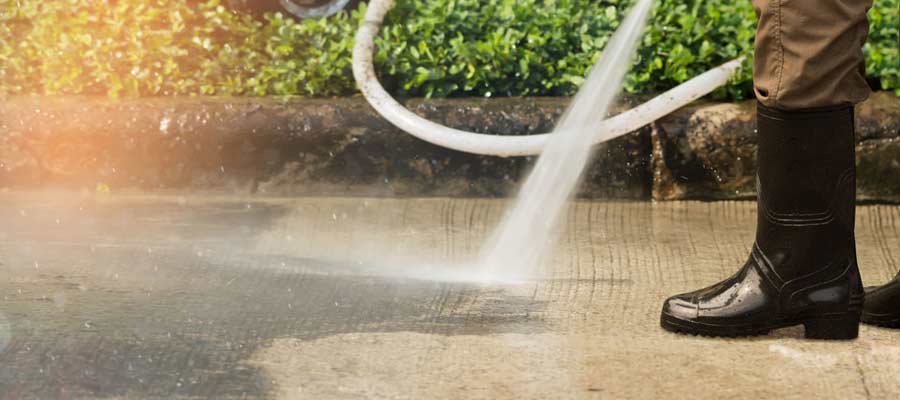
Travertine and Natural Stone Cleaning
Protect delicate surfaces with professional travertine and natural stone cleaning services. From patios and walkways to pool decks and entryways, expert pressure washing removes dirt, algae, and buildup using safe methods. Proper care helps preserve stone integrity and long-term curb appeal.
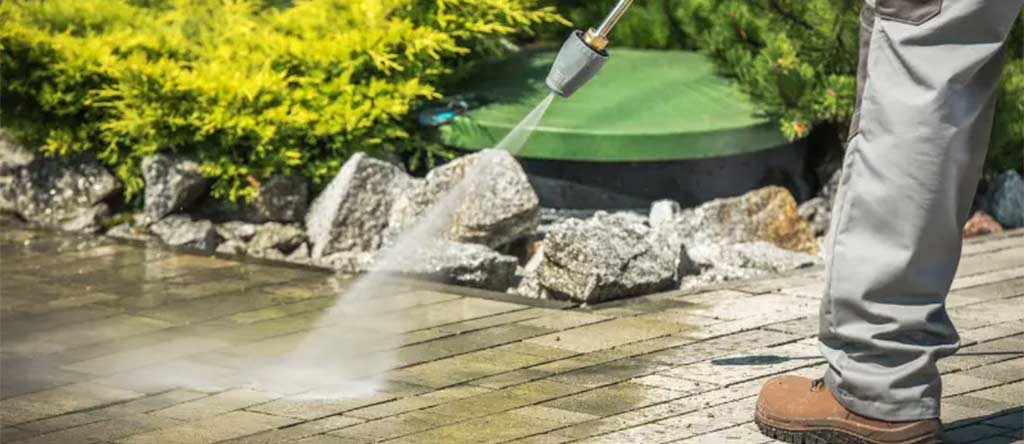
Stamped Concrete Cleaning
Restore the look of decorative surfaces with professional stamped concrete cleaning services. From patios and walkways to driveways and pool decks, expert pressure washing removes dirt, stains, and buildup without damaging the finish. Proper cleaning helps preserve appearance and extend surface life.
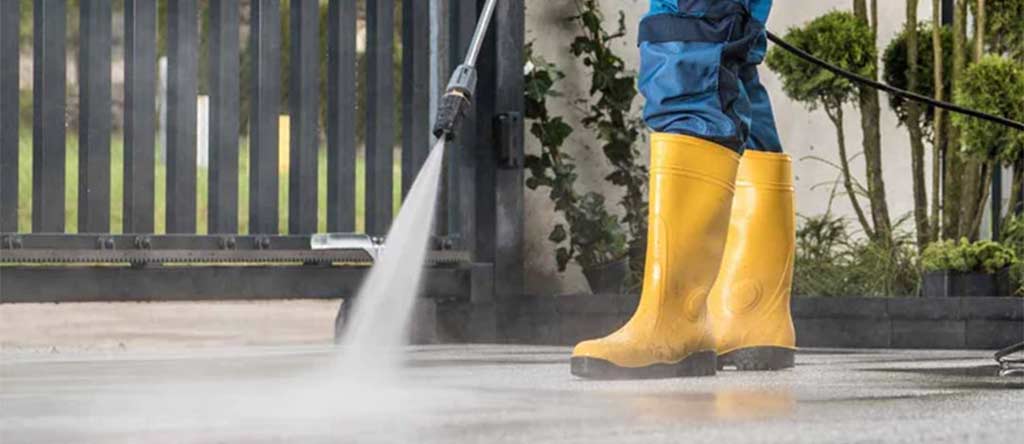
Sports Court Cleaning
Keep sports courts clean, safe, and playable with professional pressure washing services. From basketball and tennis courts to surrounding concrete areas, expert cleaning removes dirt, algae, and surface buildup effectively. Routine maintenance improves traction, appearance, and overall court performance.
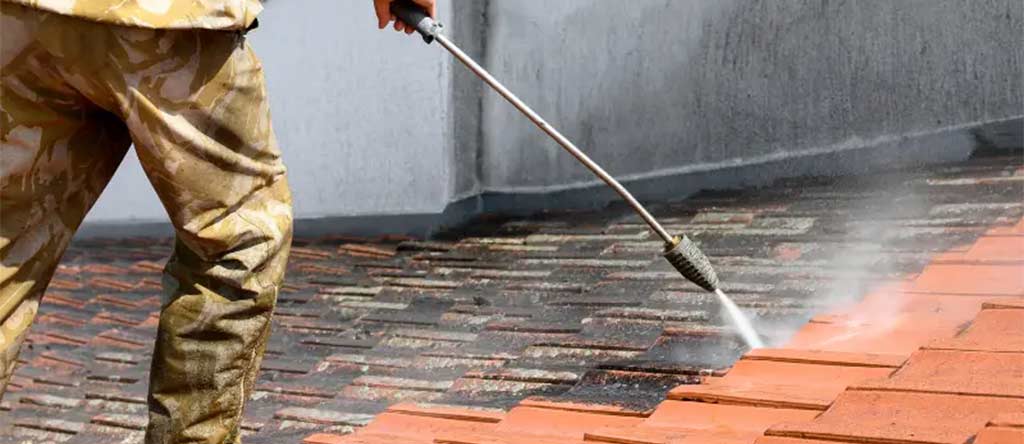
Retaining Wall Cleaning
Keep retaining walls looking clean and structurally sound with professional cleaning services. From concrete and stone walls to landscaped retaining systems, expert pressure washing removes dirt, algae, and buildup safely. Proper cleaning helps protect surfaces and maintain a polished property appearance.