

A homeowner named Mitchell has a full outdoor kitchen at his place in The Woodlands. Built-in grill. Smoker. Side burner. Granite counters. Stone veneer base. The whole setup. Perfect for entertaining.
He called me two weeks before his daughter’s graduation party.
“I’m embarrassed to have people over,” Mitchell said. “The whole area looks terrible. Grease everywhere. There are black streaks running down the stone. The concrete around it is stained. I’ve been cooking out here for years and never really cleaned it.”
I drove over to see it. He wasn’t exaggerating.
The stone veneer had dark grease stains spreading from the grill. The counter base was covered in splatter patterns. The granite was filmed with smoke residue. The concrete pad had oil drips, charcoal marks, and food stains layered over years. Even the ceiling of the covered structure had smoke buildup.
“It happened gradually,” Mitchell said. “I didn’t notice how bad it got.”
That’s how outdoor kitchens go. You use them constantly. The mess accumulates slowly. You notice a little grease here and a little smoke there. By the time you notice, years of buildup have transformed the space.
We cleaned everything. We cleaned the stone veneer, counters, concrete pad, and covered structure. Degreaser for the cooking zones. Appropriate cleaners for each surface type.
The stone came back to its original tan color. The concrete looked fresh. The whole space felt new again.
Mitchell said, “I should’ve done this years ago.” “Now I actually want to have people over.”
Yeah. Outdoor kitchens need cleaning just like indoor ones. Most people forget that part.
Snapshot
| Factor | What to Know |
| Cleaning frequency | Annually minimum. Twice yearly for heavy use. |
| Cost range | $250-$800 depending on size and condition |
| Main challenge | Grease and smoke residue on multiple surface types |
| Houston reality | Year-round grilling means year-round accumulation |
| Best timing | Spring before the entertaining season. Before major events. |
Why Outdoor Kitchen Cleaning Matters
Outdoor kitchens are investments. Serious investments. A gorgeous setup runs twenty, thirty, fifty thousand dollars, or more. Built to last. Built to entertain.
But they’re also outdoor spaces where cooking happens. Grease splatters. Smoke rises and deposits on surfaces. Food drips. Charcoal dust spreads. Every cooking session leaves something behind.
Indoor kitchens get cleaned frequently. Wipe the counters after cooking. Mop the floor weekly. Deep clean periodically. It’s automatic.
Outdoor kitchens don’t get the same attention. The mess is outside. It’s not in your living space. It’s easy to close the cover on the grill and walk inside. Out of sight, accumulating.
In Houston, the problem compounds. We grill year-round. There’s no winter break where the kitchen sits unused for months. We have fifty-two weeks of potential cooking ahead of us. Fifty-two weeks of potential mess.
The humidity doesn’t help either. Grease that might dry and brush off in drier climates stays sticky in Houston air. Attracts more dirt. Bonds to surfaces. This process results in the formation of layers that solidify gradually.
Smoke residue on covered structures builds up invisibly at first. Then you look up one day and the ceiling is brown. The walls are dingy. The whole space feels heavy and unclean.
Designer named Carla creates outdoor living spaces across the Houston area. Years later, she continues to observe her work.
“Clients call asking why their outdoor kitchen looks so bad,” Carla said. “They think something’s wrong with the materials. Nothing’s wrong. They just never cleaned it. The beautiful space is still there, just hidden under years of cooking residue.”
The beautiful space is still there. It simply requires a thorough cleaning to bring it back to life.
What Outdoor Kitchen Cleaning Covers
Outdoor kitchens have multiple surfaces and components. Each collects contamination differently and needs appropriate treatment.
Stone and Masonry Bases
The structure that supports the counters and appliances plays a crucial role. These bases can be made of stone veneer, stucco, brick, or block construction.
These surfaces catch grease splatter from cooking. Dark streaks run down from grill and counter areas. The textured surfaces trap grease in every crevice.
Degreaser is essential here. Regular pressure washing just moves grease around. Chemistry is required to emulsify and lift the cooking residue.
Stone veneer requires appropriate pressure. Too aggressive and you can damage the mortar or dislodge stones. Careful technique matters.
Countertops and Work Surfaces
Work surfaces can be made of granite, concrete, tile, or stainless steel. This is the area where the preparation and serving of food takes place.
Granite develops a smoke film that dulls the polish. The pores collect food residue. The stone requires appropriate cleaning to prevent any damage.
Concrete counters can become stained from food and grease. Concrete counters may require the use of a degreaser and a specific stain treatment.
Tile and grout collect everything in the grout lines. The contrast between dirty grout and cleaner tile makes the whole surface look awful.
A homeowner named Sandra has a tile-topped outdoor bar in Spring. Gorgeous mosaic when installed.
“The grout turned black,” Sandra said. “I thought I’d need to regrout the whole thing. Turns out it just cleaned up. The grout was white again. Couldn’t believe it.”
Grout cleans up. Almost always.
Concrete and Paver Pads
The floor surface. This surface serves as a catch-all for anything that drips, splatters, or falls.
Grease drips from grill grates. Charcoal dust falls when tending smokers. Food drops during prep and serving. Drinks spill during parties. The floor records it all.
The area directly in front of the grill shows the worst contamination. That’s where the cook stands. Where grease splatters reach. Ground zero for accumulation.
Hot water and degreaser cut through cooking contamination. Surface cleaner provides even results across the pad.
Covered Structure and Ceiling
The cleaner also covers the roof, pergola, or pavilion overhead. The structure captures the smoke and grease vapor that rises from the cooking process.
Smoke deposits invisibly at first. A thin film gradually accumulates, layer by layer. Eventually, it becomes visible as brown or yellow discoloration.
Grease vapor condenses on cool surfaces. The underside of roofing collects sticky residue that attracts dust and pollen.
Wood beams and ceilings absorb smoke over time. Gentle cleaning may be necessary to prevent damage while removing the buildup.
Fans and light fixtures collect grease that’s difficult to remove without proper equipment and cleaners.
Grill Surrounds and Vent Areas
The areas immediately adjacent to cooking appliances are particularly susceptible to grease accumulation. Where contamination concentrates.
Grill surrounds catch the worst splatter. Every flare-up deposits grease. Every burger flip sprays fat. The surfaces that are in close proximity to the grill endure the most damage.
Vent hoods and exhaust areas collect concentrated grease. These areas may require additional treatment and multiple passes.
Smoker areas accumulate different contamination. Creosote and wood tar. Darker staining. Different chemistry is needed.
Outdoor Furniture and Seating
This includes bar stools, dining chairs, and tables. The furniture situated in the cooking area is subject to wear and tear.
Furniture near grills develops a grease film. Smoke residue coats surfaces. Pollen and dirt adhere to the greasy film.
Cushions and fabrics absorb smoke odors. May benefit from cleaning alongside hard surfaces.
Types of Outdoor Kitchen Setups
Outdoor kitchens range from simple to elaborate. Cleaning needs to scale accordingly.
Built-in Grill Islands
Basic setup. Grill built into a masonry base with counter space. Most common configuration.
Cleaning focuses on the island structure, surrounding pad, and any adjacent surfaces. Straightforward scope.
Full Outdoor Kitchens
Complete cooking spaces. These spaces include multiple appliances, prep areas, storage, sometimes refrigeration, and sinks.
More surfaces mean more cleaning. But also more efficiency. Everything gets addressed at once.
Covered Outdoor Kitchens
Kitchens under pergolas, pavilions, or extended roof structures. The kitchens are shielded from the weather, yet they still retain smoke.
The overhead structure adds significant cleaning scope. The overhead structure includes the ceiling, beams, and support columns. Where smoke accumulates most.
BBQ competitor named Ray has a full competition-style setup in Cypress. Uses it constantly.
“I cook every weekend,” Ray said. “Brisket, ribs, whole hogs. The smoke output is intense. Had to get the whole structure cleaned. The pavilion ceiling was brown. Like nicotine stains in a smoker’s house.”
Heavy use means heavy cleaning. It is important to maintain a high standard of cleanliness.
Pool Area Outdoor Kitchens
Kitchens near pools face additional challenges. Chlorine exposure, splash contamination, and sunscreen residue from wet guests pose additional challenges to kitchens near pools.
The combination of cooking residue and pool chemicals creates unique cleaning needs. Specific treatment approaches may be required.
Pre-Event and Seasonal Cleaning
Timing matters for outdoor kitchen cleaning. Certain moments make more sense than others.
It is evident that the outdoor kitchen should be cleaned before major entertaining events. These events include graduation parties, holiday gatherings, and milestone celebrations. The outdoor kitchen is on display. It should look its best.
Spring cleaning before the entertaining season makes sense. Winter in Houston doesn’t stop grilling, but spring kicks off heavy use. Start the season fresh.
Fall cleaning addresses summer accumulation. Heavy summer use builds up residue. Clean before holiday season entertainment.
Mitchell cleaned before his daughter’s graduation. Two weeks lead time gave the space time to fully dry and any follow-up to happen if needed.
Planning ahead beats scrambling. Book early for pre-event cleaning.
How Often Should Outdoor Kitchens Get Cleaned
The frequency and type of cooking determine the frequency of cleaning.
Heavy users who grill weekly need cleaning twice yearly. The accumulation happens fast. Spring and fall cleanings keep things manageable.
Moderate users grill a few times a month and do well with annual cleaning. Enough use to get dirty but not overwhelming.
Occasional users might stretch to every other year. But annual cleaning is still smart. Environmental contamination accumulates even without cooking.
Smoker users need more frequent cleaning. Smoke produces more residue than gas grilling. Smoke contributes significantly to the accumulation of debris on overhead structures.
Commercial-style setups used for competition cooking or catering need quarterly cleaning. The intensity of use demands more attention.
Most residential outdoor kitchens do well with annual professional cleaning plus regular wipe-downs between sessions.
What Outdoor Kitchen Cleaning Costs
Pricing varies based on setup size and condition.
A basic grill island with a surrounding pad costs $250 to $400.
A full outdoor kitchen with multiple surfaces costs $400–$600.
Covered outdoor kitchens with ceiling cleaning costs $500–$800.
Heavy accumulation or neglected spaces add to base pricing. More degreaser, more time, and more passes are all part of the package.
Pool areas with outdoor kitchens may have additional considerations factored in.
Bundling with other services often makes sense. Clean the outdoor kitchen, pool deck, and patio at once. Equipment is there. Combined pricing is usually favorable.
Compare cleaning costs to the investment. A fifty thousand dollar outdoor kitchen deserves a few hundred dollars in annual maintenance. Protects the investment. Maintains the appearance. Makes entertaining enjoyable.
Current Trends in Outdoor Kitchen Maintenance
More homeowners are recognizing outdoor kitchens need regular maintenance. It’s not just about cleaning the appliances; it’s also about cleaning the entire space.
Pre-event cleaning is becoming standard. Clean before graduation parties, holidays, and big birthdays. Part of party prep.
Annual cleaning packages are gaining popularity. The outdoor kitchen is often combined with the pool deck and patio. Everything at once.
Smoke residue on covered structures is getting more attention. Homeowners are noticing ceiling discoloration and wanting it addressed.
FAQs
Will pressure washing damage my granite counters?
Not with appropriate technique. We use lower pressure and granite-safe cleaners on natural stone surfaces. The stone handles it fine. We’re removing grease film, not blasting the surface.
Should I clean the grill itself or just the surrounding area?
We focus on exterior surfaces. Grill grate and interior cleaning is typically owner maintenance or a specialty service. We clean the surroundings, structure, and exterior appliance surfaces.
How long before I can use the outdoor kitchen after cleaning?
Allow 4-6 hours for surfaces to dry completely. Cooking can resume once everything is dry. We recommend same-day light use and next-day full use for best results.
Can you clean the smoke stains off my ceiling?
Usually yes. Smoke residue responds well to appropriate cleaners. Very old, heavy accumulation may leave some discoloration. But most ceilings come back dramatically cleaner.
Should I schedule cleaning before or after a party?
Before, definitely. Please allow yourself 3-5 days lead time for drying and any follow-up. The space looks ideal for your event. Post-party cleaning addresses the new mess separately.
Why Klein Pressure Washing
We clean outdoor kitchens across Spring, Klein, The Woodlands, Cypress, and greater Houston. Twenty years doing this. Basic grill islands to full outdoor living spaces. Light maintenance to heavy restoration.
We understand outdoor kitchen materials. Degreaser for cooking residue. Appropriate technique for stone, granite, and masonry. Ceiling and structure cleaning for smoke buildup.
Mitchell’s graduation party was a hit. Sandra’s grout is white again. Ray’s pavilion ceiling is clean. Carla sends her design clients to us for maintenance cleaning.
Your outdoor kitchen was an investment in entertaining. In gathering with family and friends. I’m enjoying your outdoor space. It should look like the investment it is.
Call us. We’ll assess your outdoor kitchen, identify what’s accumulated, and give you a straight price. If you have an event coming up, tell us when. We’ll make sure you’re ready.
Clean kitchen. Happy entertaining. Worth the money.
Blogs About Pressure Washing – Fence Cleaning Service By Klein Pressure Washing in Greenwood Village, Texas…

Travertine and Natural Stone Cleaning
Protect delicate surfaces with professional travertine and natural stone cleaning services. From patios and walkways to pool decks and entryways, expert pressure washing removes dirt, algae, and buildup using safe methods. Proper care helps preserve stone integrity and long-term curb appeal.

Stamped Concrete Cleaning
Restore the look of decorative surfaces with professional stamped concrete cleaning services. From patios and walkways to driveways and pool decks, expert pressure washing removes dirt, stains, and buildup without damaging the finish. Proper cleaning helps preserve appearance and extend surface life.

Sports Court Cleaning
Keep sports courts clean, safe, and playable with professional pressure washing services. From basketball and tennis courts to surrounding concrete areas, expert cleaning removes dirt, algae, and surface buildup effectively. Routine maintenance improves traction, appearance, and overall court performance.
Retaining Wall Cleaning
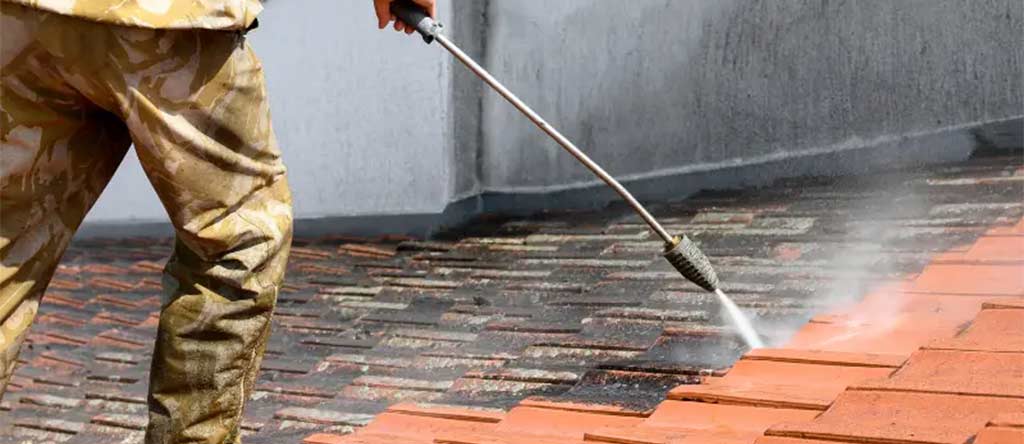
Keep retaining walls looking clean and structurally sound with professional cleaning services. From concrete and stone walls to landscaped retaining systems, expert pressure washing removes dirt, algae, and buildup safely. Proper cleaning helps protect surfaces and maintain a polished property appearance.