
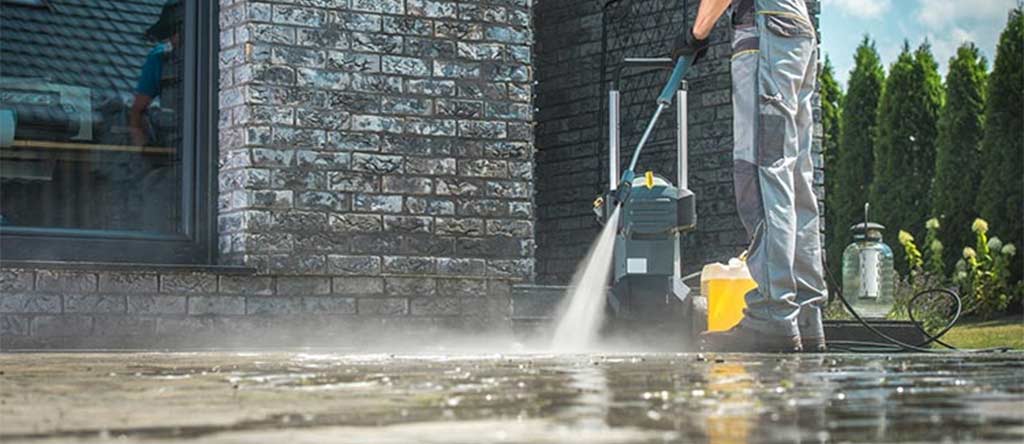
As a property manager, I know a man named Ray who handles a strip center in Spring. Twelve retail units. Restaurant on one end. Dry cleaner on the other. Steady foot traffic all day. Every day.
When he took over the property three years ago, the previous management company had let things slide. Badly.
Sidewalks were black with gum and ground-in dirt. Storefronts had green streaks running down from the roofline. The restaurant’s patio area looked like it hadn’t been cleaned since the Obama administration. Maybe longer.
Tenants were complaining. Customers were noticing. One shop owner told Ray flat out, “This place looks abandoned. I’m embarrassed to tell people where my store is.”
Ouch.
Ray called us for an emergency cleaning. It took two full days to get the property back to acceptable condition. Cost more than it should have. Everything was so far gone that normal cleaning wouldn’t cut it.
“How often should we be doing this?” Ray asked afterward. “I don’t want to be back in this situation.”
Fair question. One we get constantly.
Short answer: most commercial buildings benefit from a full pressure washing at least once a year. Properties with heavy daily traffic—restaurants, medical offices, gas stations, shopping centers—usually need cleaning every six to nine months. Some high-traffic areas need quarterly attention.
Ray’s strip center now gets cleaned twice a year. Spring and fall. Problems stay manageable. Tenants stay happy. No more emergency calls. No more embarrassed shop owners.
Quick Facts: Commercial Pressure Washing in Texas
| Factor | Details |
| Standard Frequency | Once per year for most commercial properties |
| High-Traffic Sites | Every 6–9 months; some areas quarterly |
| Texas Cost Range | $0.12–$0.35 per sq ft depending on buildup and surface |
| Local Challenges | Heat, humidity, pollen, exhaust, construction dust |
| Best Seasons | Early spring and late fall: comfortable temps, high pollen |
Why Regular Pressure Washing Matters for Commercial Properties
Commercial buildings experience wear in ways residential properties never do. Higher traffic. More exposure. Different types of contamination. Different stakes.
Delivery vehicles leak oil in loading zones. Customers drop drinks. Gum gets ground into sidewalks—thousands of pieces over time. Pollen coats every flat surface every spring. Kitchen grease builds up near restaurant exhaust vents. Trash-area runoff stains concrete. General pollution settles into everything.
The exterior slowly loses its color and texture. Walkways become slippery. Algae spreads in shaded areas. What started as a clean, professional-looking property starts looking neglected. Tired. Like nobody cares.
People notice.
Customers notice. Tenants notice. Employees notice. Everyone notices.
A restaurant owner in The Woodlands, Gloria, who runs a popular Tex-Mex place, told me that she lost customers when her landlord let the property go.
“People would pull into the parking lot, see the dirty sidewalks and stained walls, and keep driving,” Gloria said. “First impressions matter. They decided my food wasn’t worth it before they even got out of their car.”
She wasn’t wrong. Studies show customers make judgments about business quality based on exterior appearance within seconds. A dirty exterior equals lower perceived quality. A clean exterior equals professionalism. Simple psychology. Works every time.
Regular cleaning also protects the building itself. Paint, siding, roofing materials, and concrete all break down faster when contaminants sit on them. Mold eats into porous surfaces. Oil degrades sealers. Algae holds moisture against walls. Preventive cleaning extends the life of exterior finishes. Saves money long-term.
How Often Different Commercial Buildings Need Pressure Washing
Different properties have different needs. Here’s what we recommend based on building type:
Office Buildings
Typically once a year unless located near major roads or dusty areas. Professional appearance matters for office tenants. Clean buildings attract quality tenants. Dirty buildings struggle to fill vacancies.
Entryways and parking structures need particular attention. These are the first and last impressions for everyone entering the building. North-facing walls may need more frequent cleaning due to mold and algae growth—shaded surfaces stay damp longer.
Multi-tenant office buildings often include exterior cleaning in common area maintenance fees. Budget it annually. Schedule it consistently.
Retail Stores and Shopping Centers
About twice a year. Constant visitor traffic and parking-lot debris create steady buildup. Storefronts need to look welcoming. Sidewalks get heavy use. Food court areas need extra attention. Shopping cart corrals collect grime. Parking lot curbs accumulate oil drips from every car that parks there.
Ray’s strip center falls in this category. Twice yearly keeps it looking maintained without overdoing it. Spring cleaning handles the pollen and winter grime. Fall cleaning handles the summer accumulation before holiday shopping season.
“My tenants notice the difference,” Ray told me. “They stopped complaining. Started renewing leases. The property looks cared for now.”
Restaurants and Food Service
Two to four times a year. No exceptions.
Grease runoff from kitchen exhaust is constant. Patio areas need regular sanitation. Health department expectations are higher. Customer perception of cleanliness directly affects business. People eating food care about clean surroundings. A lot.
Gloria’s restaurant now gets quarterly cleaning for the patio and loading area and twice yearly for the full exterior. She considers it part of her operating costs. Non-negotiable.
“After what happened before, I never let it slide,” Gloria said. “Too expensive to lose customers.”
Warehouses and Industrial Facilities
One to two times a year depending on activity level. Dust from loading operations. Oil from equipment and forklifts. Debris from shipping and receiving. Diesel stains from trucks idling at docks.
Less about appearance, more about safety and maintenance. Loading docks especially benefit from regular cleaning—slip hazards from oil and grease are real concerns. OSHA cares about this. Insurance companies care about this.
Dumpster pads need regular attention too. Grease and waste buildup creates odors and attracts pests. Most facilities benefit from quarterly dumpster area cleaning even if the rest of the building only needs annual service.
Medical Offices and Healthcare Facilities
Twice yearly minimum. Cleanliness expectations are higher in healthcare. Patients notice dirty exteriors. Infection control starts outside. Entryways and walkways need to project cleanliness.
Gas Stations and Convenience Stores
Three to four times a year. Minimum. These properties get dirty faster than almost any other commercial type.
Fuel spills. Oil drips. Constant vehicle traffic. Customers tracking everything onto concrete. High-traffic restroom areas. The dumpster overflows. Food waste. The hits keep coming.
Quarterly cleaning keeps things manageable. Let it go longer and you’re fighting uphill.
Pressure Washing vs. Soft Washing: Which Do You Need?
Different surfaces need different approaches. Using the wrong method causes damage. Understanding this helps you know what to expect:
Pressure Washing
Uses higher water pressure—typically 2,500–4,000 PSI for commercial applications. Best for tough surfaces: concrete, parking lots, curbs, walkways, loading docks, and dumpster pads. Removes gum, oil stains, baked-in dirt, and heavy buildup. The workhorse method for hardscape cleaning.
Most commercial properties have significant concrete areas. Sidewalks. Parking lots. Loading zones. These all benefit from pressure washing’s aggressive cleaning power.
Soft Washing
Uses low pressure—under 500 PSI—with detergents. Better fit for siding, storefront signs, awnings, stucco, roofs, and any surface that would be damaged by high pressure. Relies on chemicals to do the cleaning work rather than force.
David, a facility manager in Cypress who oversees a medical office complex, discovered the importance of proper cleaning methods firsthand. The previous company used high pressure on his stucco building. Damaged the finish. It cost $8,000 to repair.
Eight thousand dollars. For damage that was completely avoidable.
“They said they could do it all with pressure washing,” David said. “They could not. Different surfaces need different approaches.”
He’s not wrong. Stucco needs soft washing. Period.
Most commercial properties end up using both methods. Concrete gets pressure washed. Building walls get soft washing. Trained technicians decide which approach for each surface. Prevents damage while still getting a thorough clean.
Factors That Affect Your Cleaning Schedule
Several variables determine how often your specific property needs attention:
- Nearby traffic—Buildings close to busy roads collect soot and road dust more quickly. Properties near I-45 or 249 need more frequent cleaning than properties on quiet side streets.
- Shade and moisture—Damp areas allow mildew and algae to develop faster. North-facing walls. Areas under trees. Anywhere that stays wet after rain. These spots may need targeted cleaning between full property washes.
- Industry type – Retail, healthcare, childcare, and restaurants have higher cleanliness expectations. Customers and regulatory bodies both pay attention.
- Surface material—Stucco, brick, and other porous materials soak up grime more than sealed metal or glass. Porous surfaces need more frequent attention.
- Brand standards—Some franchises and property management groups require scheduled exterior cleaning. Compliance isn’t optional.
- Nearby construction—Construction sites throw dust everywhere for months. Properties downwind need extra cleaning during active construction periods.
Texas-Specific Challenges
Texas climate creates unique problems. Cleaning schedules that work in other states don’t work here:
- Humidity—Houston-area humidity breeds mold and algae faster than drier climates. Much faster. What stays clean for 18 months in Arizona needs cleaning in 9 months here.
- Pollen seasons—Spring brings massive pollen dumps. Yellow-green film covers everything. Properties that look clean in February look terrible by April. Happens every year.
- Summer heat—Heat bakes contaminants into surfaces. Oil stains set faster. Grime bonds more permanently. Delayed cleaning becomes harder cleaning. Wait too long and you’re in trouble.
- No winter reset—Northern climates get freeze cycles that kill organic growth. We don’t get that. Mold and algae grow 12 months a year here. No natural pause. No free reset.
- Road dust and construction—Houston’s constant development means constant dust. Properties near construction zones need more frequent cleaning. Could be years of extra dust exposure.
Properties in Spring, Klein, The Woodlands, and Cypress all deal with these factors. Schedule accordingly. What works in Denver doesn’t work here.
Frequently Asked Questions
Can I pressure wash my commercial building myself?
Technically possible. Practically risky. Most commercial buildings require proper lift access, controlled PSI settings, and environmental runoff handling. Using too much pressure on stucco, brick, signage, or painted surfaces causes permanent damage. Most property owners prefer hiring trained professionals who understand how to balance cleaning power with surface protection.
Does pressure washing remove mold and algae?
Yes. Professional pressure washing and soft washing remove mold, mildew, algae, and bacteria from most exterior surfaces. Detergents break down organic growth so it doesn’t return as quickly. Important for shaded walkways and areas around landscaping where moisture lingers. Also improves traction and reduces slip hazards.
What time of year is best for commercial cleaning?
Spring and fall work best. Temperatures are comfortable for workers. Pollen and dust levels justify the cleaning. However, cleaning can be done year-round when weather cooperates. Many businesses schedule during slower seasons or off-hours. Professional services work around your operating schedule.
Will pressure washing damage brick or stucco?
Brick and stucco can be cleaned safely with proper technique. Professionals reduce pressure and rely more on cleaning agents for delicate materials. Damage happens when high pressure is used incorrectly. Experienced companies know the difference. That’s why choosing the right provider matters.
How long does a commercial pressure washing job take?
Varies by building size, number of areas cleaned, and condition. Most standard commercial jobs take 2–8 hours. Larger retail centers or industrial facilities may take multiple days. Professional companies provide clear timeframes so you can plan around business operations.
How do I budget for commercial pressure washing?
Plan for $0.12–$0.35 per square foot for exterior surfaces. Get quotes based on your specific property. Factor in frequency based on building type—annual for offices, twice yearly for retail, and quarterly for restaurants. Many property managers include it in their annual maintenance budget.
What about environmental compliance?
Professional companies handle runoff and disposal properly. Texas has regulations about what can go into storm drains. Grease and chemical runoff need proper containment. Good companies know the rules and follow them. Protects you from liability.
Can you work around my business hours?
Yes. Most commercial cleaning happens early morning, in the evening, or on weekends when customer traffic is low. Professional companies schedule around your operations. Parking lot cleaning often happens overnight. Storefront work happens before opening. Flexibility is part of commercial service.
Why Klein Pressure Washing
We help businesses across Spring, Klein, The Woodlands, Cypress, and greater Houston keep their properties clean, safe, and welcoming year-round. Twenty years of commercial experience. Every type of building. Every type of surface. Every type of challenge.
Commercial-grade equipment designed for large-scale jobs. Eco-friendly detergents that meet environmental requirements. The right washing method for each surface—pressure where appropriate, soft wash where needed.
We understand that commercial properties have different needs than residential. Higher stakes. Tighter schedules. More complex surfaces. Regulatory considerations. We work around your business hours. Minimize disruption. Handle runoff properly.
Don’t end up like Ray’s strip center—emergency cleaning because things went too far. Don’t end up like David’s medical complex—damaged stucco because someone used the wrong method.
Set up a maintenance schedule that keeps your property looking professional all year. Give us a call. We’ll assess your specific property, recommend appropriate frequency, and give you a straight quote.
Dependable results. Long-term protection. A building that puts its best foot forward.
Articles Related to Power Washing – Sidewalk & Walkway Cleaning Service By Klein Pressure Washing in Atascocita, TX.
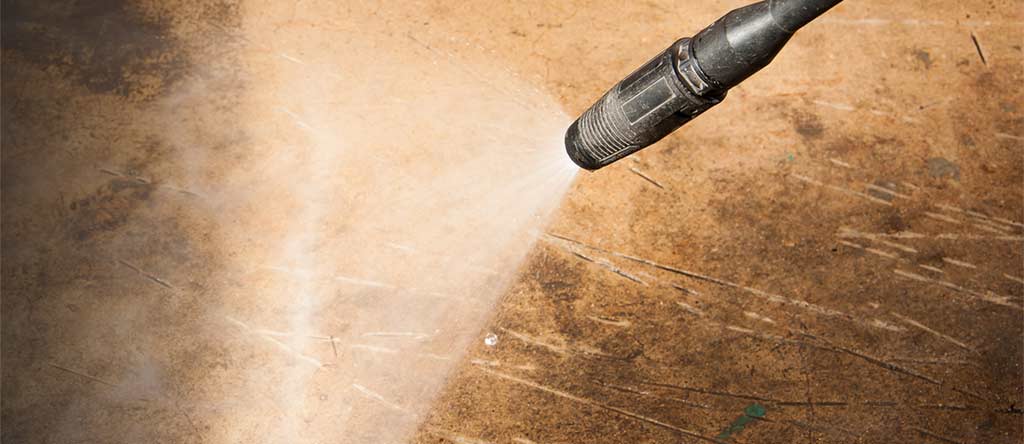
Travertine and Natural Stone Cleaning
Protect delicate surfaces with professional travertine and natural stone cleaning services. From patios and walkways to pool decks and entryways, expert pressure washing removes dirt, algae, and buildup using safe methods. Proper care helps preserve stone integrity and long-term curb appeal.
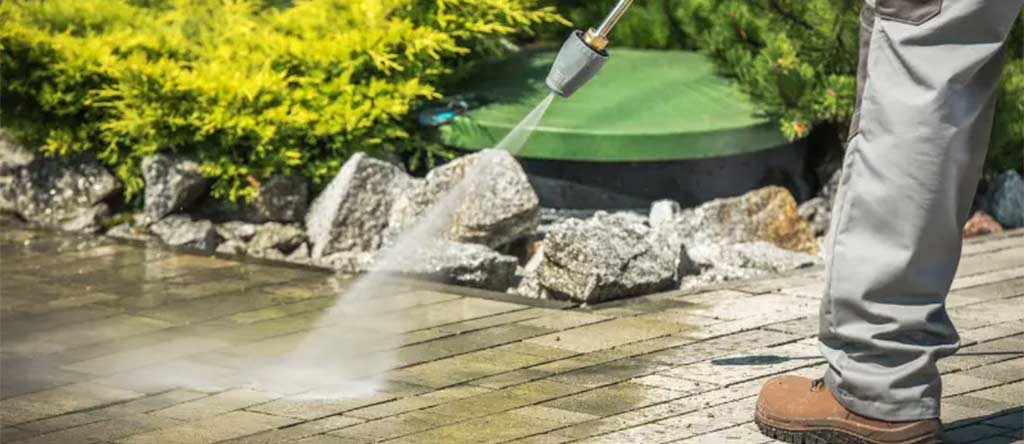
Stamped Concrete Cleaning
Restore the look of decorative surfaces with professional stamped concrete cleaning services. From patios and walkways to driveways and pool decks, expert pressure washing removes dirt, stains, and buildup without damaging the finish. Proper cleaning helps preserve appearance and extend surface life.
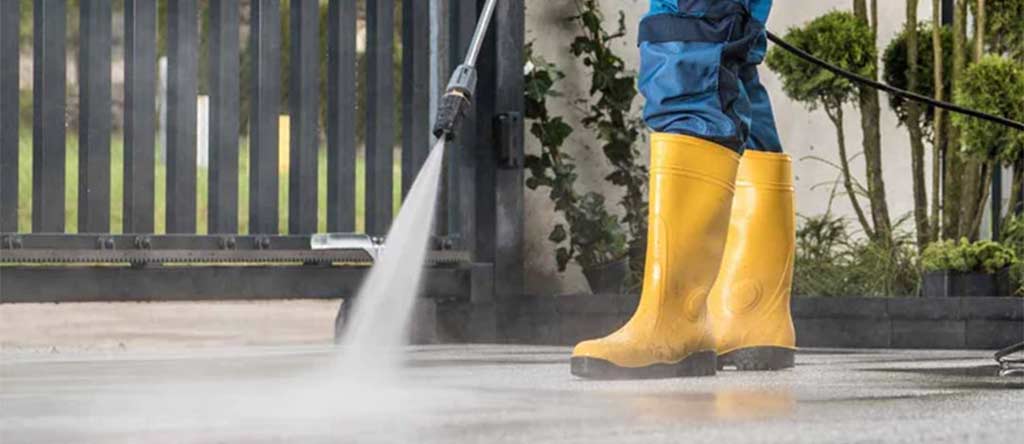
Sports Court Cleaning
Keep sports courts clean, safe, and playable with professional pressure washing services. From basketball and tennis courts to surrounding concrete areas, expert cleaning removes dirt, algae, and surface buildup effectively. Routine maintenance improves traction, appearance, and overall court performance.
Retaining Wall Cleaning
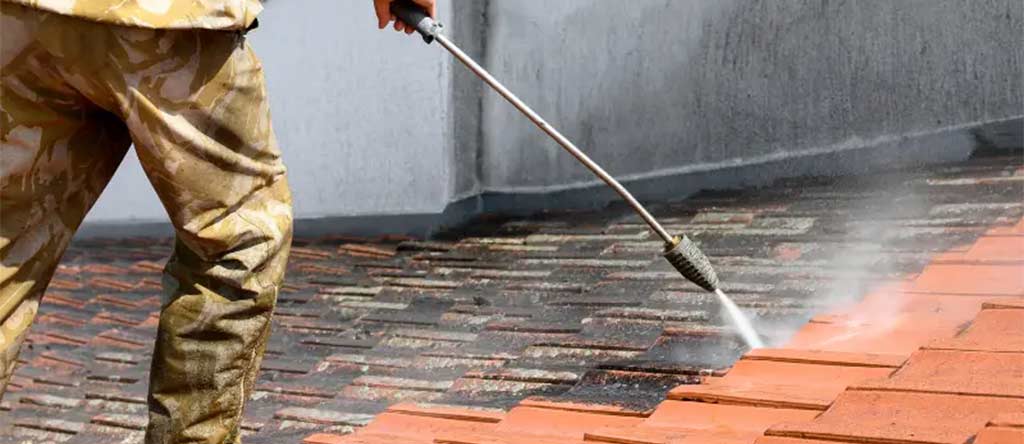
Keep retaining walls looking clean and structurally sound with professional cleaning services. From concrete and stone walls to landscaped retaining systems, expert pressure washing removes dirt, algae, and buildup safely. Proper cleaning helps protect surfaces and maintain a polished property appearance.