A guy named Nathan in Spring called three pressure washing companies last month. Nathan received three completely different quotes for the same driveway. One fifty. Two seventy-five. Four hundred.
Same driveway. Same square footage. Same stains.
“Why is there such a big range?” he asked me. “They’re all looking at the same concrete.”
Fair question. Pricing varies for legitimate reasons. Surface condition. Equipment quality. Insurance costs. Experience level. But it also varies because some companies cut corners and some don’t.
Understanding what drives pricing helps you know when a quote is fair and when something’s off.
Snapshot
| Factor | What to Know |
| Residential driveways | $150 to $400 depending on size and condition |
| Per square foot | $0.15 to $0.50 for most surfaces |
| Hourly rate | $75 to $150+ when used (less common for residential) |
| Minimum charge | $100 to $150 per visit at most companies |
| Key price factors | Surface type, stain level, difficulty, access, insurance |
How Pressure Washing Companies Set Their Prices
Most companies use one of three pricing methods depending on job size and complexity.
Per-square-foot pricing is most common for flatwork. Concrete driveways and patios usually run $0.15 to $0.30 per square foot. Heavily stained concrete runs $0.30 to $0.50. Pavers run $0.25 to $0.40 because of the extra care around joints. Wood decks run $0.30 to $0.60 because they need lower pressure and more careful treatment. House siding runs $0.20 to $0.40 per square foot depending on height and material.
Hourly pricing shows up when time and scope are harder to predict. $75 to $150+ per hour depending on equipment and crew size. Commercial jobs often use this method.
Flat-rate pricing is common for standard residential jobs. A standard driveway runs $200 to $300. A large driveway with stains runs $350 to $450 or more. The patio and sidewalk package runs from $250 to $400. A single-story home exterior wash runs $400 to $700+, depending on square footage.
A homeowner in The Woodlands named Pam got three quotes for her house wash. $325. $450. $600.
The lowest quote was from a guy with a truck and a rented machine. No insurance. No website. Just a phone number on a flyer he’d stuck in her mailbox.
The middle quote was from an established company. Insured. Good reviews. They provided a clear explanation of what they would do and why.
The highest quote was from a company that specialized in historic homes. The quote was deemed excessive for her twenty-year-old colonial home.
She went with the middle quote. The house came out great. No problems. No damage.
“I almost went with the cheapest,” Pam said. “Glad I didn’t.”
What Affects Pressure Washing Cost the Most
Square footage is the obvious one. A bigger area takes more time. More water. More detergent. More wear on equipment.
Condition and stain severity matter. Light dust and pollen is quick work. Oil stains, rust, heavy algae, or years of buildup need pretreatment. Dwell time. Multiple passes. Takes longer. Costs more.
Surface material matters. Concrete is straightforward. Pavers need care around joints. Brick needs lower pressure to protect mortar. Wood needs even lower pressure. Delicate surfaces need soft washing. Each requires a different approach and a different amount of time.
Accessibility and height matter. Ground-level work is simple. Second-story windows or tall siding requires ladders or special equipment. Tight spaces between the house and fence take longer. Steep driveways add complexity. All of it affects the quote.
Travel time matters. A company coming from thirty miles away may charge more than one around the corner. Fuel costs. Time on the road. It adds up.
Experience and insurance coverage matter. Licensed insured professionals with commercial equipment charge more than a guy with a truck and a rented machine. For good reason. They know what they’re doing. They carry liability if something goes wrong.
A guy in Cypress named Jerome hired the cheapest quote he got. The quote he received was sixty dollars cheaper than the next lowest. Seemed like easy savings.
Wrong.
The company showed up with worn equipment. The team completed the job in half the expected time. Left stripes on his driveway where passes didn’t overlap. Etched lines near the garage where they used the wrong nozzle too close to the surface.
“I saved sixty bucks, and now I have permanent marks,” Jerome said. “Should’ve paid the extra.”
It seems that the cheapest option isn’t always the best deal.
Why the Cheapest Quote Isn’t Always the Best Deal
Ultra-low pricing sometimes means the contractor is uninsured or inexperienced. Maybe both. Maybe it just started last month with a machine from the hardware store.
Incorrect pressure settings damage concrete. Damage siding. Damage windows. Strip paint. Blow out caulking. Force water behind materials where it causes mold. These problems don’t always show up right away. Sometimes you don’t see the damage for weeks or months.
A fair price reflects skill, safety, and professional-grade equipment. A company that’s been doing this for years with proper insurance and good reviews costs more than a guy who started last month. That’s not a scam. That’s reality.
Get multiple quotes. But don’t automatically pick the lowest. Ask questions. Check reviews. Make sure they’re insured. Then decide.
A couple in Klein named Ted and Bonnie got four quotes for the driveway and patio. Prices ranged from $180 to $320.
They didn’t pick the cheapest. They also refrained from selecting the most costly option. They chose the contractor who provided a detailed explanation of their work, was prepared with an insurance certificate upon request, and displayed photos of comparable projects on their phone.
$240. Middle of the range. The job came out perfect. No stripes. No damage. Clean, even coverage.
“We felt confident they knew what they were doing,” Bonnie said. “That was worth more than saving fifty bucks.”
Smart approach. Questions protect you.
FAQs
How much do companies charge per square foot?
Most charge between $0.15 and $0.50 depending on the surface and buildup level. Concrete and siding are on the lower end. Sensitive or heavily stained surfaces cost more.
What does it cost to pressure wash a driveway?
Most driveways in Texas fall between $150 and $400 depending on size, layout, and stain severity. Oil, rust, and algae removal may cost slightly more because of pretreatment.
Do companies have minimum service charges?
Yes. Most professional companies have a minimum fee of $100 to $150. This fee covers travel, setup, and equipment use, even for small jobs. Worth asking about upfront.
Is renting a pressure washer cheaper than hiring a pro?
Renting can cost less up front. But DIY takes longer and risks surface damage if you don’t know what you’re doing. Professionals deliver faster and more consistent results. Often worth the difference.
Do prices vary by area?
Yes. Pricing may be slightly higher in premium or high-demand neighborhoods. Experience, insurance, and reputation also influence cost.
Why Klein Pressure Washing
We serve Spring, Klein, The Woodlands, Cypress, and greater Houston. Twenty years doing this. Honest pricing. Clear quotes. No surprises.
Nathan’s driveway ended up costing $225. The price was reasonable considering the size and condition of the driveway. Pam’s house came out outstanding because she asked the right questions. Jerome learned the hard way that cheapest isn’t always best. Ted and Bonnie picked based on confidence, not just price.
Want a quote? Call us. We’ll look at what you need, explain what we’d do, and give you a straight price. If you want to compare with other companies, we encourage that. Good pricing stands up to comparison.
Articles About Pressure Washing – Gas Station Pressure Washing Service By Klein Pressure Washing in Houston, TX…
Travertine and Natural Stone Cleaning
Protect delicate surfaces with professional travertine and natural stone cleaning services. From patios and walkways to pool decks and entryways, expert pressure washing removes dirt, algae, and buildup using safe methods. Proper care helps preserve stone integrity and long-term curb appeal.
Stamped Concrete Cleaning
Restore the look of decorative surfaces with professional stamped concrete cleaning services. From patios and walkways to driveways and pool decks, expert pressure washing removes dirt, stains, and buildup without damaging the finish. Proper cleaning helps preserve appearance and extend surface life.
Sports Court Cleaning
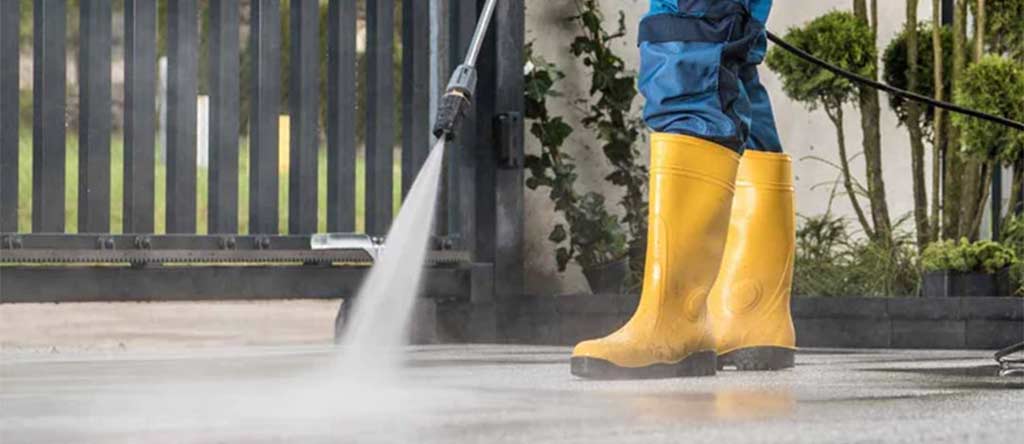
Keep sports courts clean, safe, and playable with professional pressure washing services. From basketball and tennis courts to surrounding concrete areas, expert cleaning removes dirt, algae, and surface buildup effectively. Routine maintenance improves traction, appearance, and overall court performance.
Retaining Wall Cleaning
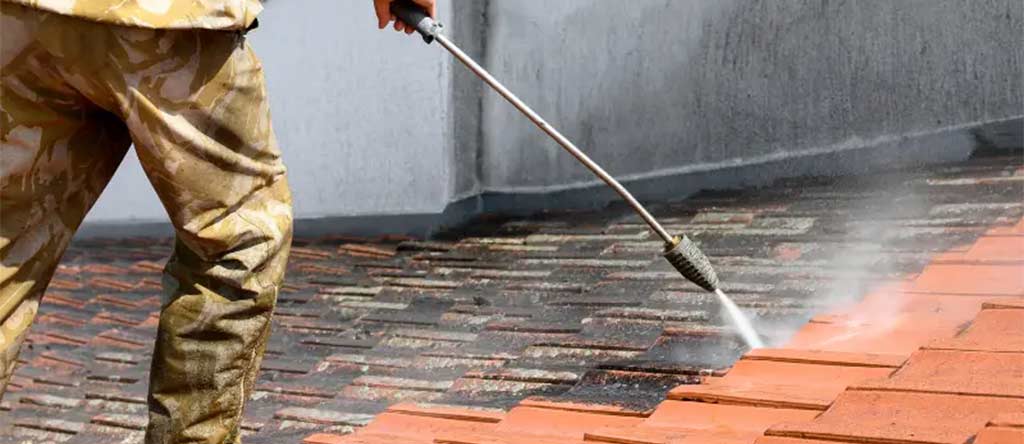
Keep retaining walls looking clean and structurally sound with professional cleaning services. From concrete and stone walls to landscaped retaining systems, expert pressure washing removes dirt, algae, and buildup safely. Proper cleaning helps protect surfaces and maintain a polished property appearance.