

I know someone named Marcus who lives in The Woodlands. Marcus had a graduation party scheduled for Saturday. The driveway looked terrible—oil stains from years of parking in the same spots, mold creeping along the edges where the oak trees shade the concrete, and that general griminess that builds up when you don’t clean for a while.
He figured Friday afternoon would be enough time to knock it out himself. He rented a pressure washer on Thursday night. He began the task around 2 PM on Friday.
By 7 PM he was maybe 60% done. Exhausted. Frustrated. Sunburned. No matter how many passes he made, the oil stains remained stubborn. His wife came outside, looked at the half-clean driveway, and just shook her head.
Guests arrived the next morning to a driveway that was clean on one side and grimy on the other. This was not the impression Marcus had in mind.
“I thought it would take two, maybe three hours,” Marcus told me later. “Nobody told me about setup time. Pre-treatment time. It’s important to remember that oil stains are not easily removed with water alone. I completely underestimated it.”
He’s not alone. Most people underestimate how long pressure washing actually takes. The job is not impossibly hard; it’s actually quite manageable. But because there are real steps involved that add up. Setup isn’t instant. Stains don’t disappear on the first pass. Cleanup takes time.
Understanding realistic timeframes helps you plan better. Understanding realistic timeframes aids in determining whether to DIY or hire someone who can complete the task in a significantly shorter amount of time. This approach aids in avoiding situations similar to Marcus’s.
Quick Facts: Pressure Washing Time Estimates
| Job Type | DIY Time | Professional Time |
| Driveway (300–500 sq ft) | 2–4 hours | 1–2 hours |
| Patio (200–400 sq ft) | 2–3 hours | 1–1.5 hours |
| Deck (200–400 sq ft) | 3–4 hours | 1.5–2 hours |
| House Exterior (1,500–2,000 sq ft) | Full day (6–8 hours) | 3–5 hours |
| Fence (100–150 linear ft) | 3–5 hours | 1.5–2.5 hours |
Houston factor: Heat, humidity, and stubborn Texas stains can add 30–50% more time to any job. Plan accordingly.
What Actually Affects How Long It Takes
Several factors determine job duration. Understanding these helps set realistic expectations:
Size of the Area
Obviously bigger takes longer. But it’s not perfectly linear.
Setup and cleanup time stays roughly the same whether you’re washing 200 square feet or 600 square feet. Equipment hauling. Hose connections. Chemical mixing. Moving furniture. All that fixed overhead doesn’t scale with the area.
So larger areas are actually more time-efficient per square foot once you’re set up and running. A 600-square-foot driveway might take 3 hours. A 300-square-foot driveway might take 2 hours. Neither the size nor the time can be reduced by half. Setup time is setup time.
Condition and Stain Level
Light dirt washes off fast. One pass and done. Maybe two passes for thoroughness. Quick work.
Heavy oil stains? Years of neglect? Thick mold growth embedded in porous concrete? That’s a different story. Needs pre-treatment. There is a waiting period for the chemicals to take effect. Multiple passes. The stubborn spots require additional scrubbing. This process can easily double or triple the duration of the job.
A homeowner in Spring—a woman named Patricia with a badly neglected paver patio—budgeted two hours for DIY cleaning based on size alone. It took her seven hours over two days. Years of embedded mold in every joint. Every crevice needed individual attention.
“The size calculator said two hours,” Patricia told me. Patricia informed me that a clean patio should have taken two hours. Mine hadn’t been cleaned in eight years.”
Condition matters more than size for time estimates.
Surface Type and Material
Different materials are cleaned at different speeds:
- Concrete—Fast and straightforward with the right equipment. Can handle aggressive pressure. Minimal damage risk. Quick work.
- Wood – Slower. A careful and controlled technique is necessary to prevent damage. Lower pressure means more passes. Can’t rush it.
- Pavers are composed of individual pieces, each with its own joints and edges. Pavers require more time than flat surfaces. Re-sanding joints afterward adds time.
- Natural stone is considered the slowest of all materials. Delicate. Low pressure. Careful technique. Premium materials need premium attention.
- The house siding requires careful consideration due to its multiple stories, windows that need to be avoided, and the trimming and corners that need to be addressed. All slow things down significantly.
The same square footage on different materials means completely different time requirements.
Equipment Quality and Type
Equipment makes a massive difference in speed. Equipment quality and type are likely the most significant factors, second only to condition.
Commercial-grade washers with higher GPM (gallons per minute) clean way faster than residential units. More water means more cleaning power per pass. More area covered. Fewer passes needed.
A residential unit might put out 2 GPM. A commercial unit puts out 4–5 GPM. Same PSI, but twice the water flow means significantly faster cleaning. Math is simple.
Surface cleaner attachments for driveways reduce cleaning time by half when compared to wand-only methods. The circular cleaning head covers 15–20 inches per pass instead of 2–3 inches with a wand. You’re covering 5–7 times more area with each pass. This results in significant time savings when cleaning flat surfaces.
Hot water capability speeds up grease and oil removal dramatically. Using hot water reduces the number of passes needed from three with cold water to just one. On heavily soiled surfaces, the time difference can be significant. Most rental equipment is cold water only.
Most rental equipment is consumer-grade. Most professional equipment is commercial-grade. That’s a big part of why pros finish faster—not just experience, but fundamentally better tools.
Experience and Skill Level
Pros work faster. Period. Not because they rush. This is due to their expertise in the field.
They know efficient cleaning patterns that cover everything without wasted motion. Optimal pressure settings for each surface. When to pre-treat. The length of time required for the chemicals to work is a crucial consideration. How can we prevent the need to redo certain sections?
First-timers spend extra time figuring things out. Learning equipment quirks. Troubleshooting pressure issues. Redoing sections they messed up. They were revisiting the areas they had overlooked.
A property manager in Cypress—a guy named Andre who oversees about 40 rentals—told me he timed himself vs. professionals on identical driveways.
Andre stated, “It took me three and a half hours.” “They did the same size in 75 minutes. Same results. It took less than half the time.
Experience compounds. Every job teaches something. Thousands of jobs teach a lot.
Realistic Time Breakdowns by Job Type
Here’s what actually goes into different jobs:
Standard Residential Driveway
DIY Total: 2–4 hours
- Equipment setup and hose connection: 20–30 minutes
- Pre-treatment of oil stains: 15–20 minutes plus 10–15 minutes dwell time
- Actual washing: 60–120 minutes depending on size and condition
- Cleanup and equipment breakdown: 20–30 minutes
Professional: 1–2 hours from start to finish with commercial equipment and experience. Setup is faster. Technique is efficient. No learning curve.
Patio or Deck
DIY Total: 2–4 hours
- Moving furniture and planters: 20–30 minutes
- Equipment setup: 15–20 minutes
- Washing: 60–150 minutes depending on size, material, and condition
- Re-sanding paver joints if applicable: 30–45 minutes
- Replacing furniture: 20–30 minutes
Professional: 1.5–2.5 hours, including all steps. We move furniture, clean, re-sand if needed, and put everything back.
House Exterior
DIY Total: Full day (6–8 hours) for a single story. Multi-story adds significant time.
- Covering plants and windows: 30–45 minutes
- Equipment setup with appropriate chemicals: 20–30 minutes
- Washing all sides: 4–6 hours with proper technique
- Final rinse and cleanup: 30–45 minutes
Professional: 3–5 hours with proper soft-washing equipment and technique. Commercial equipment reaches higher, cleans faster, and doesn’t require ladders in most cases.
Houston-Area Time Factors
Texas climate affects job duration in specific ways. Time estimates from other parts of the country don’t translate directly:
- Stubborn stains—Heat cooks oil deeper into concrete. Humidity breeds tougher, more established mold. Both require more time to remove than stains in drier, cooler climates. What works in one pass up north might require three passes here. Plan accordingly.
- Work conditions—Summer heat limits productive working hours. Midday heat exhaustion is real. Pros often work early morning or evening to avoid the worst. DIYers pushing through noon to 4 PM in July are asking for trouble. Heat stroke is a serious concern.
- Drying time—High humidity in spring in The Woodlands and Klein means longer wait times before sealing or repainting. Concrete that dries in 2 hours in Arizona takes 4–6 hours here on humid days. Please consider incorporating that into your planning.
- Year-round buildup—No winter freeze to kill organic growth means more accumulated grime than seasonal climates. Mold grows 12 months a year. Algae never stops. The driveway remains the same, but there is more dirt to be removed than in properties up north.
- Clay soil complications—Houston’s clay soil means driveways often have cracks where dirt accumulates. More edges. More detail work. This process requires more time compared to a surface that is smooth and free of cracks.
Add 30–50% to time estimates you find online for Houston conditions. Most internet advice assumes Colorado or California weather. We’re neither. Our climate is harsher on outdoor surfaces and requires more work to address.
Ways to Speed Up the Process
If you’re DIYing, these tips save real time:
- Pre-treat tough stains the day before—apply degreaser to oil stains. Let it work overnight. Massively reduces washing time the next day.
- Clear the area completely beforehand—move everything off the surface before you start setup. Avoid wasting equipment running time by shuffling furniture.
- Have a water source ready and tested—check that your spigot works. Make sure you have the right hose connections. Troubleshooting water issues wastes time.
- Use a surface cleaner attachment—for flat surfaces like driveways and patios, a surface cleaner cuts time in half minimum. Worth renting or buying.
- Work in logical sections—don’t bounce around. Work one section completely, then move to the next. This approach minimizes the risk of backtracking and overlooking important details.
- Start early—Texas heat makes afternoon work miserable and slow. Start at 7 AM, finish before noon.
Frequently Asked Questions
How long does an average driveway take?
2–4 hours DIY, including all setup and cleanup. Professionals knock it out in 1–2 hours with better equipment and experience. Marcus’s 5+ hours was unusual—but his stains were unusual too.
Could you please let me know which part of the job typically takes the longest?
Typically, the longest parts of the job involve setup, pre-treatment, and addressing stubborn stains. Actual washing is typically the fastest part once you’re running. Everything around the washing takes longer than people expect.
How long until the surface is dry enough to use?
2–4 hours in Texas heat for light foot traffic. 24 hours in humid conditions or shaded areas for vehicle traffic. 48 hours minimum if you’re sealing afterward—the sealer needs a completely dry surface, or it won’t adhere properly.
Is hiring professionals worth the time savings?
If your time has value? Absolutely. What takes you 6–8 hours to complete over the weekend can be done by professionals in just 2–3 hours, and they achieve significantly better results. No learning curve. No equipment hassles. There is no risk of damage due to inexperience. Many people find the time savings alone worth the cost.
Would it be possible to complete half the job today and finish the rest tomorrow?
You can, but you’ll have visible lines where you stopped. It is advisable to allocate sufficient time to complete the task in a single session. If you must split it, stop at a natural boundary—edge of driveway, corner of patio, etc.
How long does professional house washing take?
3–5 hours for most single-story homes. Multi-story homes take longer—typically 5–7 hours depending on size, height, and complexity. Commercial soft-washing equipment makes the job faster and safer than DIY ladder work.
Why does DIY take so much longer than professional?
Three factors: equipment, experience, and efficiency. Professionals have commercial equipment that cleans faster. They know exactly what technique each surface needs without experimenting. They work in efficient patterns without wasted motion. All that adds up to major time savings.
How far in advance should I schedule?
During busy season (March through May), book 1–2 weeks ahead. Off-season, same-week scheduling is usually possible. If you have an event coming up, please try to schedule in advance to avoid last-minute challenges, as Marcus experienced.
Why Klein Pressure Washing
We’ve been doing this across Spring, Klein, The Woodlands, Cypress, and greater Houston for over 20 years. Thousands of jobs. Every type of surface. Every level of grime. We are adept at working efficiently without compromising on quality.
Most residential jobs are completed within 2–4 hours from start to finish. Driveways in 90 minutes. Patios in 2 hours. House exteriors can be completed in 3–4 hours. Commercial equipment. Experienced technicians. Efficient processes. No wasted time.
We show up on time. We work steadily. We finish when we say we’ll finish. No half-done driveways. There’s no need to return tomorrow to complete the task.
Don’t end up like Marcus—five hours into a Friday afternoon, realizing you’re not going to finish before the party. Don’t waste your weekend fighting with rental equipment and stubborn stains.
Give us a call. We’ll tell you exactly how long your job will take and show up ready to deliver.
Get your weekend back. Get professional results. That’s the deal.
Blog Articles About Power Washing – Commercial Pressure Washing Service By Klein Pressure Washing in Greenwood Village, Texas.
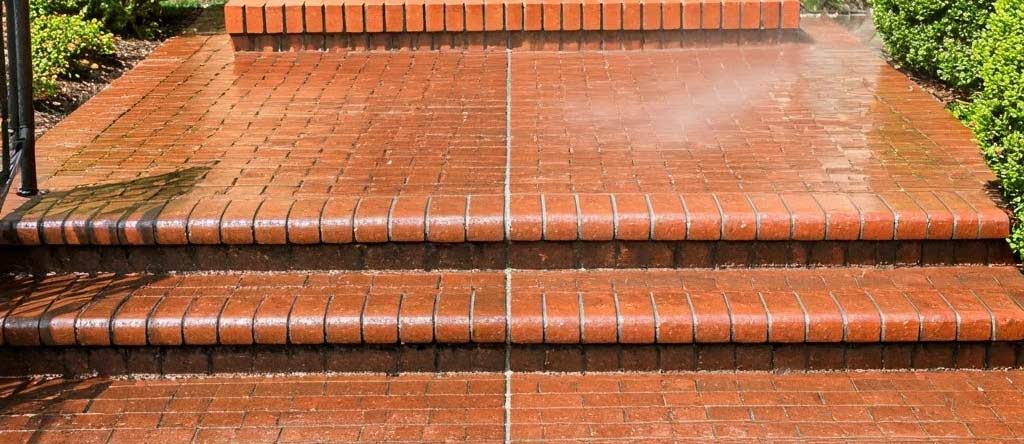
Travertine and Natural Stone Cleaning
Protect delicate surfaces with professional travertine and natural stone cleaning services. From patios and walkways to pool decks and entryways, expert pressure washing removes dirt, algae, and buildup using safe methods. Proper care helps preserve stone integrity and long-term curb appeal.
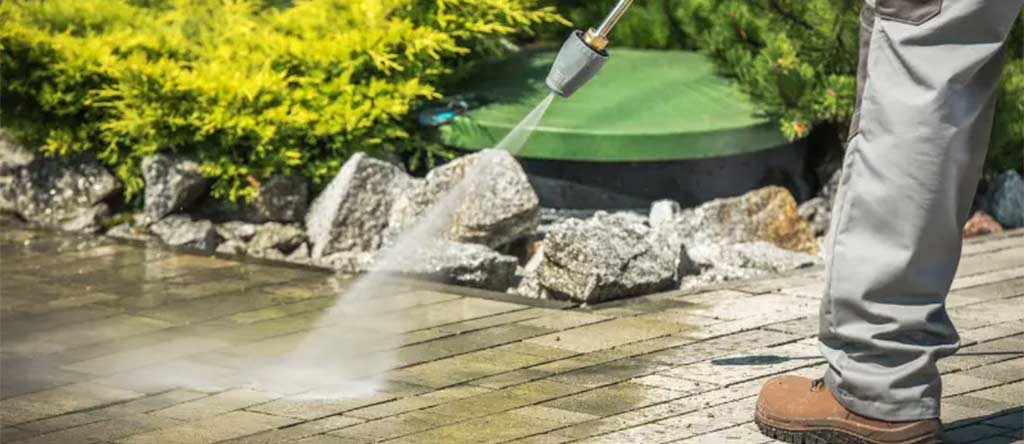
Stamped Concrete Cleaning
Restore the look of decorative surfaces with professional stamped concrete cleaning services. From patios and walkways to driveways and pool decks, expert pressure washing removes dirt, stains, and buildup without damaging the finish. Proper cleaning helps preserve appearance and extend surface life.
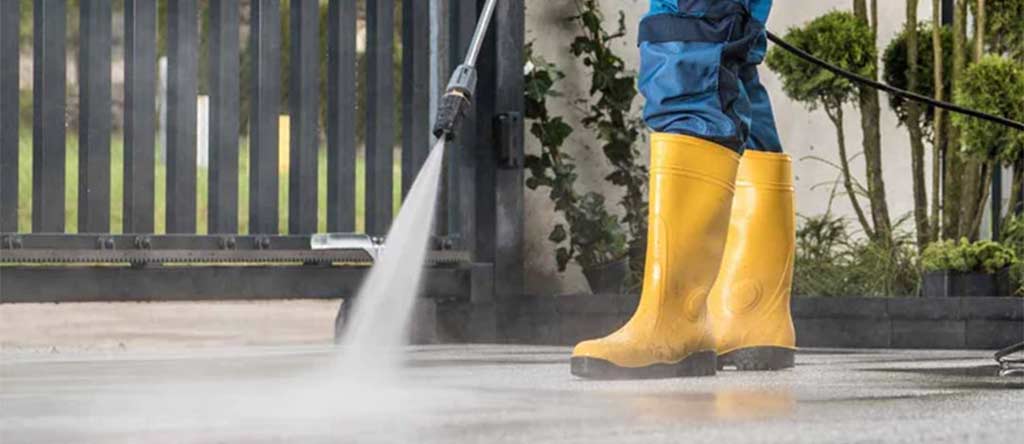
Sports Court Cleaning
Keep sports courts clean, safe, and playable with professional pressure washing services. From basketball and tennis courts to surrounding concrete areas, expert cleaning removes dirt, algae, and surface buildup effectively. Routine maintenance improves traction, appearance, and overall court performance.
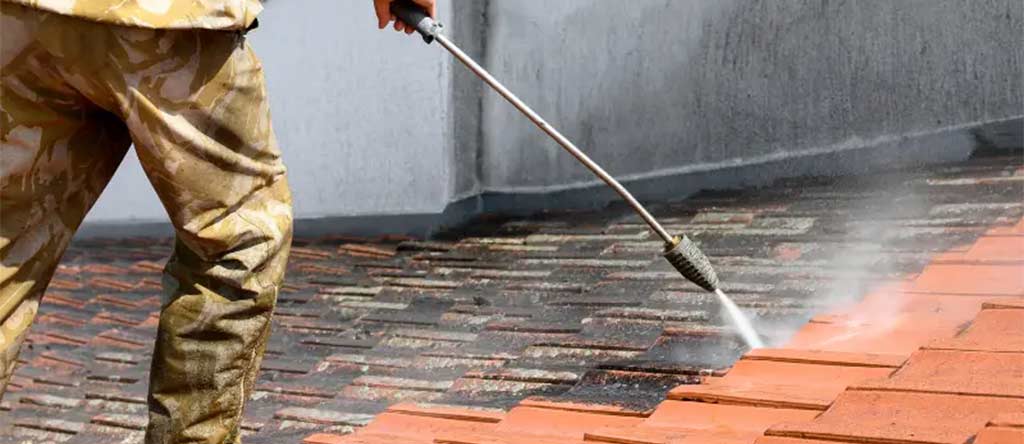
Retaining Wall Cleaning
Keep retaining walls looking clean and structurally sound with professional cleaning services. From concrete and stone walls to landscaped retaining systems, expert pressure washing removes dirt, algae, and buildup safely. Proper cleaning helps protect surfaces and maintain a polished property appearance.