
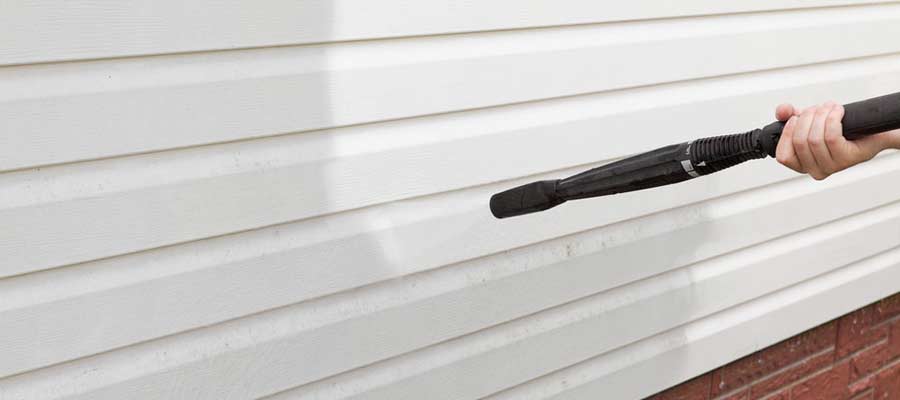
A guy named Carlos in Cypress had a dark spot on his driveway. Right where he parked his truck every day. Leaky valve cover he kept meaning to fix. Dripped for months.
Finally got the truck repaired. Looked at the driveway. An ugly black stain the size of a dinner plate.
“Can you actually get that out?” he asked me. “Or am I stuck with it forever?”
Short answer: yes. Pressure washing removes most oil stains from concrete when you use the right technique and cleaners. But water alone won’t do it. Need the proper degreaser. Right PSI. Occasionally, patience is required, particularly if the stain has been present for several months.
Snapshot
| Factor | What to Know |
| Fresh stains | Usually come out completely with proper treatment |
| Older stains | May lighten but not vanish 100%. Hot water helps. |
| Best PSI range | 2,500 to 3,000 for most driveways |
| Time per stain | 20 to 40 minutes, including prep |
| Houston factor | Heat makes stains penetrate deeper. Catch them early. |
Why Pressure Washing Actually Works on Oil Stains
Your concrete driveway isn’t the solid surface it looks like. It’s porous. Kind of like a hardened sponge. When oil hits it, the liquid doesn’t just sit on top. Seeps down into tiny pores. Bonds with minerals in the concrete.
That’s why spraying water at it doesn’t work. Need a one-two punch. Something to break down the oil chemically. Then enough pressure to flush it out of those pores.
High-pressure water breaks apart surface oil. 2,500 to 3,000 PSI blasts away that top layer. Commercial equipment pushes 3,500 plus for really stubborn spots.
Degreasers break down what’s inside the pores. Chemicals designed for petroleum products dissolve the oil so it can be flushed out. Without this step, you’re just pushing water at a stain and hoping for the best.
Heat speeds everything up. Hot water literally melts and loosens oil. Makes it way easier to remove. For older stains, hot water is often the difference between “kinda better” and “actually gone.”
What Determines Whether an Oil Stain Comes Out
Age matters most. Fresh stains a few days old usually come out completely with one treatment. Weeks or months old, oil has sunk deeper. Might need a second pass. Years old? Those are the tough ones. Often need specialty cleaners and hot water.
A woman in Spring named Denise ignored a stain for two years. By the time she called us, oil had penetrated so deep we could only lighten it. Not remove it completely. If she’d caught it early? Different story.
Type of oil matters too. Motor oil. Cooking grease. Diesel. Brake fluid. Different viscosities and chemical makeups. Heavier oils need stronger degreasers. That puddle of motor oil under your truck is a different beast than vegetable oil from a deep fryer.
Your concrete’s condition plays a role. Smooth, sealed concrete resists stains better. Oil mostly stays on top where it’s easier to clean. Bare porous concrete? Oil goes straight down into the pores.
Houston’s climate works against you. When it’s ninety-five degrees and concrete’s baking in the sun, pores open up. Oil sinks deeper. The same heat helps degreasers work better during cleaning. Double-edged sword.
How to Actually Remove an Oil Stain from Concrete
If the spill just happened, don’t go straight to the pressure washer. Grab absorbent material first. Cat litter works. Baking soda. Cornstarch. Even sawdust. Cover the spill. Let it soak up surface oil for a few hours. Sweep it up. Prevents you from spreading oil around when you start washing.
Apply degreaser specifically labeled for petroleum stains. Generic all-purpose cleaners won’t cut it. Pour it on generously. Let it sit five to ten minutes. Gives chemicals time to break down the oil. Rush this step and you’re wasting time.
Grab a stiff brush and work the degreaser into the concrete. Especially important if your driveway’s rough or porous. Helps the cleaner get deeper into pores where oil is hiding.
Now the pressure washer. Use a 15 or 25 degree tip. Aim for 2,500 to 3,000 PSI. Circular overlapping passes. Don’t pause in one spot. Start from the outside edges and work toward the center. Prevents spreading the stain outward.
Deep old stains almost always need a second treatment. Don’t get discouraged if it’s not perfect on the first pass. Let it dry. Assess what’s left. Hit it again with fresh degreaser. Sometimes it takes two or three rounds for stubborn spots.
A guy in The Woodlands named Victor tried to remove a stain himself. Used dish soap instead of proper degreaser. Held the nozzle way too close. Etched his concrete. The stain is still there, plus visible damage from the pressure washer.
“Made it look worse,” Victor said. “Should’ve done it right the first time.”
Right technique matters. A wrong approach makes things worse.
Other Methods People Try
Cat litter and absorbents work great for fresh spills. Oil that’s been there hours, not days. Soak up surface oil, but don’t touch what’s already penetrated. Damage control, not a solution.
Commercial chemical removers can work. But you’re applying them multiple times, scrubbing by hand, and dealing with harsh chemicals. Still need to rinse thoroughly. Which means you need a pressure washer anyway.
Home remedies like dish soap, baking soda paste, and warm water? Might lighten a really light stain. Anything that’s been there more than a few days or penetrated below the surface? Wasting your time.
Professional treatment works best for stains that have been there months or years. Commercial parking lots with repeated drips. Driveways where DIY attempts already failed. Industrial degreasers, hot water systems, and experience knowing what will work for your specific situation.
What to Do After Cleaning Oil Stains
While you’ve got the pressure washer out, you might as well tackle the whole driveway. Oil stains are just one problem. Concrete collects dirt, algae, mildew, tire marks, and mineral deposits from sprinklers. Getting all that off makes your whole property look better.
A clean driveway boosts curb appeal. One of those things people notice without really thinking about it.
Removes slip hazards too. Oil, algae, and mildew create slick surfaces. That slightly slippery feeling when you walk on your driveway after rain? Cleaning that off makes it safer.
Consider sealing after cleaning. A good sealer acts like a barrier. Oil can’t penetrate as easily. Makes future cleanups way simpler.
A homeowner in Klein named Patricia sealed her driveway right after we cleaned it. Her husband’s work truck still drips occasionally. But now oil sits on the surface instead of soaking in. Wipes right up.
“Should’ve done this years ago,” Patricia said. “Would’ve saved a lot of headache.”
Sealing isn’t permanent. Needs reapplication every few years. But it protects your investment and makes maintenance way easier.
FAQs
Can pressure washing remove all oil stains completely?
Most stains, yes. Fresh to moderately old usually come out completely with the right technique. Really old, deeply set stains might lighten significantly but not vanish entirely. Hot water gives you the best shot at complete removal.
Will pressure washing damage my concrete?
Not when done correctly. Damage happens when people use way too much PSI or hold the nozzle too close. Stick to 2,500 to 3,000 PSI with a 15 or 25 degree nozzle about 12 inches away. You’re fine.
How long does it take to remove an oil stain?
Single stain, 20 to 40 minutes total. Pretreatment, dwell time, washing. Bigger jobs or multiple stains take longer. Old stubborn stains might need a second treatment.
Should I seal my driveway after cleaning?
Absolutely. Especially in hot climates like ours. Sealing creates a protective barrier. Prevents future stains from penetrating as deep. Makes concrete last longer. Seems optional but really isn’t if you want to avoid repeat problems.
Is it worth hiring a professional for oil stains?
If the stain is old, deep, or DIY didn’t work, yes. Commercial-grade degreasers. Hot water systems. Experience knowing what’s actually going to work. The cost difference between renting equipment and hiring someone who knows what they’re doing is usually smaller than you think.
Why Klein Pressure Washing
We’ve been removing oil stains across Spring, Klein, The Woodlands, Cypress, Tomball, and greater Houston for over twenty years. Single drips from daily drivers. Work trucks leaving their mark for months. Commercial parking lots. All of it.
Commercial-grade equipment. Hot water capability. Industrial degreasers that actually work. Not just spraying water at your driveway hoping for the best.
Carlos’s stain came out completely. Caught it before it got too old. Denise’s lightened but couldn’t be fully removed. Two years was too long. Victor’s we fixed, but that etched area from his DIY attempt is still slightly visible.
Timing matters. Technique matters.
Got oil stains? Call us. We’ll look at what you’re dealing with and tell you exactly what we can do. No overpromising. Just honest work from people who’ve been doing this a long time.
Articles Related to Power Washing – Post-Construction Cleaning Service By Klein Pressure Washing in Hardy Heights, TX…
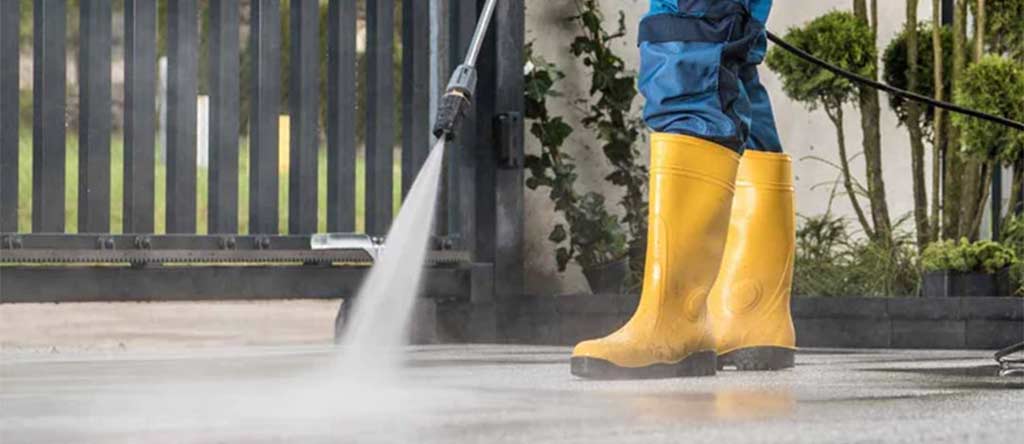
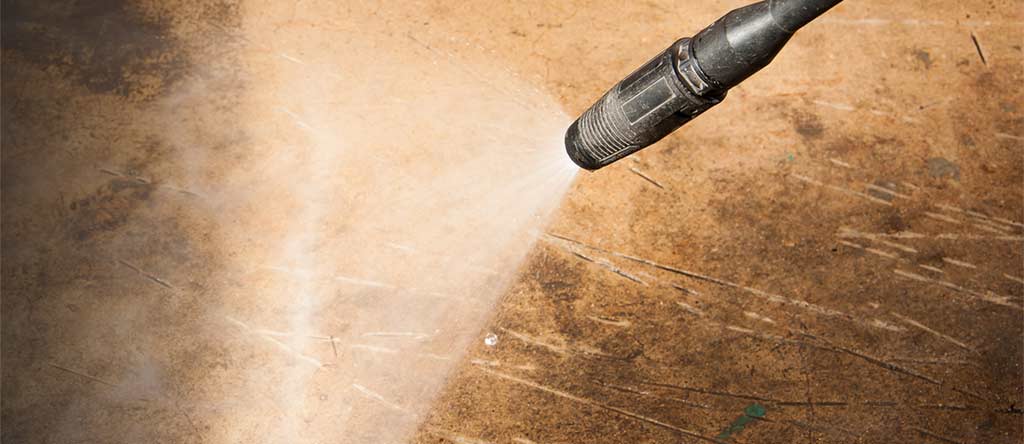
Travertine and Natural Stone Cleaning
Protect delicate surfaces with professional travertine and natural stone cleaning services. From patios and walkways to pool decks and entryways, expert pressure washing removes dirt, algae, and buildup using safe methods. Proper care helps preserve stone integrity and long-term curb appeal.
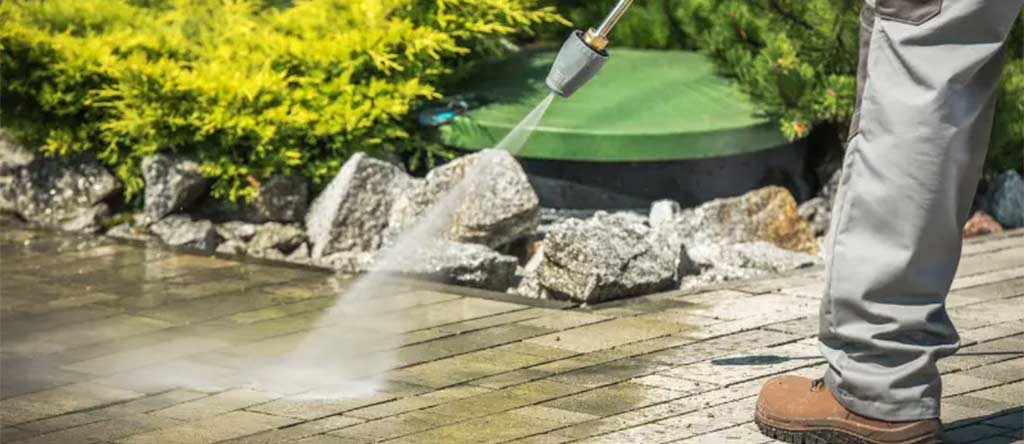
Stamped Concrete Cleaning
Restore the look of decorative surfaces with professional stamped concrete cleaning services. From patios and walkways to driveways and pool decks, expert pressure washing removes dirt, stains, and buildup without damaging the finish. Proper cleaning helps preserve appearance and extend surface life.
Sports Court Cleaning
Keep sports courts clean, safe, and playable with professional pressure washing services. From basketball and tennis courts to surrounding concrete areas, expert cleaning removes dirt, algae, and surface buildup effectively. Routine maintenance improves traction, appearance, and overall court performance.
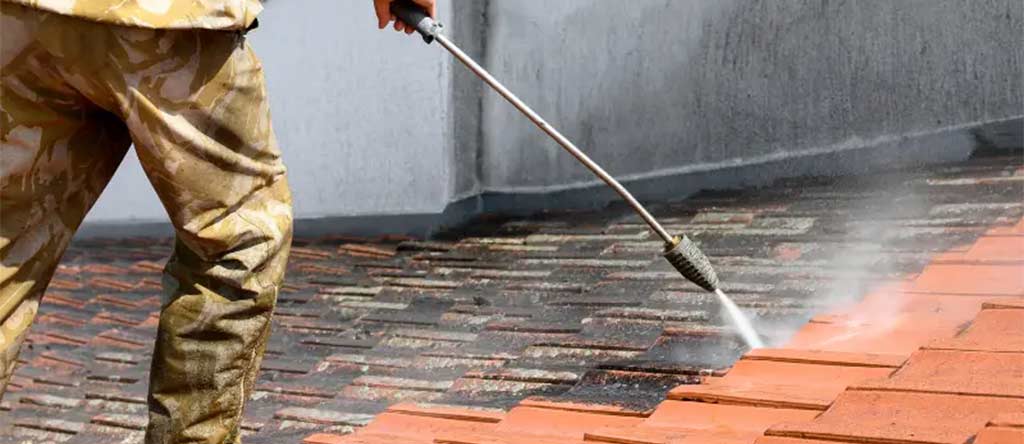
Retaining Wall Cleaning
Keep retaining walls looking clean and structurally sound with professional cleaning services. From concrete and stone walls to landscaped retaining systems, expert pressure washing removes dirt, algae, and buildup safely. Proper cleaning helps protect surfaces and maintain a polished property appearance.