
A guy named Derek in Spring had an old pickup truck. Leaked oil for years. He didn’t think much of it. Parked in the same spot every day. Let it drip.
Then he sold the truck.
Looked at his driveway for the first time in a while. Massive black stain right in the middle. Three feet wide. Dark as asphalt. Ugly.
“I tried everything,” Derek told me. “Dish soap. Degreaser from the auto parts store. Cat litter. Baking soda. Scrubbed it with a brush for two hours on a Saturday. Barely made a dent.”
That’s because oil doesn’t just sit on concrete. It sinks in.
Texas heat makes it worse. Warm concrete opens up the pores. Let’s oil penetrate deeper. By the time Derek noticed his stain, it had years to work its way into the slab. Baked in by summer after summer of hundred-degree heat.
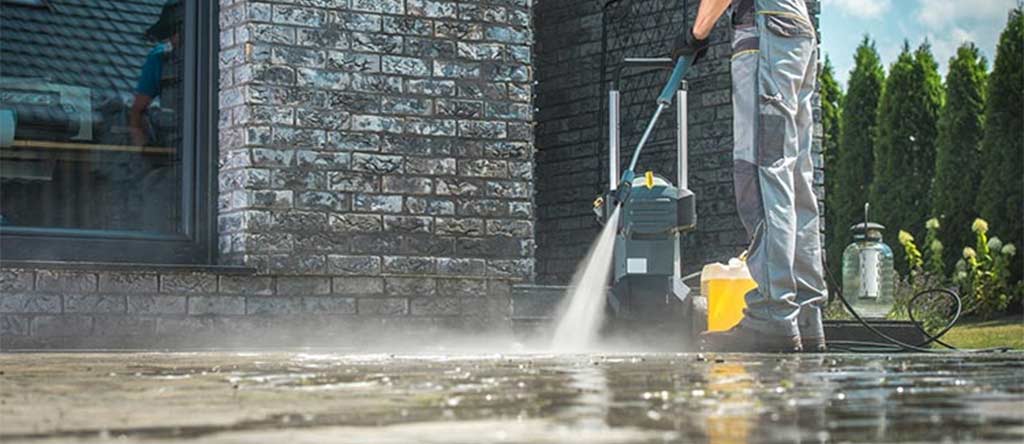
Pressure washing with the right degreaser is usually the best shot at lifting out oil stains. Not guaranteed on every stain. But it’s usually the most effective option available.
Snapshot
| Factor | What to Know |
| Untreated stains | Last forever. Often get darker over time. |
| DIY cost | $20 to $80 in degreasers and rental equipment |
| Professional cost | $75 to $250 in Texas depending on size and severity |
| Best timing | The sooner you treat a spill, better your odds of complete removal |
| Texas factor | Summer heat bakes oil deeper into concrete than cooler climates |
Why Pressure Washing Works on Oil Stains
Concrete isn’t smooth. It’s porous. Although it appears solid on the surface, it is actually filled with millions of tiny voids and air pockets. Millions of them.
Oil doesn’t sit on the surface like water. It seeps into those voids. Gets trapped below where you can’t reach it.
That’s why hand scrubbing doesn’t work. You’re cleaning the top, but the stain is underneath. Scrub all day. The stain comes right back because you never touched the source.
Pressure washing forces water deep enough to push out trapped residue. Detergents break down the oil chemically so it releases from the concrete. Chemistry plus pressure. That combination is what actually lifts the stain.
Hot water machines work even better. Heat emulsifies oil. Breaks it down faster. That’s why professionals often get better results on difficult stains. Commercial hot water equipment most homeowners don’t have access to.
What Affects Whether an Oil Stain Comes Out
Age matters most. Fresh spills are way easier than oil that’s been baking in the sun for months. Derek’s stain had been there so long it oxidized and bonded to the concrete. Makes removal much harder. Sometimes impossible.
Type of oil matters. Motor oil. Hydraulic fluid. Diesel. Cooking oil. Transmission fluid. They respond differently to cleaning agents. Some break down easier. Cooking oil usually comes out quickest. Old motor oil is the most stubborn.
Concrete condition plays a role. Smooth or sealed concrete cleans faster because oil can’t go as deep. Rough or unsealed concrete absorbs more. May need multiple treatments. Older concrete with lots of wear tends to hold stains worse.
Temperature is a factor too. Heat helps break oil down during cleaning. But heat also drives oil deeper if you ignore spills. That’s why Texas driveways often have worse staining than driveways up north. Summer sun bakes the oil right into the slab. Hundred-degree days make it worse.
Woman in Klein named Maria had a fresh oil spill. Her husband’s motorcycle. She noticed it the same day. Called me that afternoon.
We got there the next morning. Applied degreaser. Let it soak. Pressure washed.
The stain came out completely. Couldn’t tell anything had ever been there.
“That’s it?” Maria said. “I figured this would be a huge ordeal.”
Fresh spills are a completely different job. Timing matters more than people realize.
How to Actually Remove an Oil Stain from Concrete
Start by preparing the area. Sweep debris. Move vehicles. Clear the zone.
If the oil is fresh, blot up as much as possible first. Cat litter works. Absorbent pads work. Baking soda works. Get the liquid up before you start washing.
Apply petroleum-safe degreaser. Let it soak for ten to fifteen minutes. Don’t let it dry. If it starts drying, spray more on. Degreaser needs to stay wet to keep working.
Use a 15 to 25 degree nozzle. Start about 12 to 18 inches away. Move closer only if needed. Too close and you etch the concrete.
Work in small overlapping sections. Don’t leave stripes. Rinse thoroughly when done. Get all the residue off.
Stain still visible? Do a second treatment. Sometimes stubborn ones need two or three passes. Normal for older oil.
Derek tried to fix his driveway himself before calling me. Rented a pressure washer. Used the wrong degreaser. Blasted the stain at maximum pressure from six inches away.
Etched a light patch into his concrete. Too aggressive. Stain is still there. Now he had a stain AND visible damage.
“Made it worse,” he said. “Should’ve called someone who knows what they’re doing.”
We got most of his stain out eventually. Took three treatments because it was so old. But that etched area is still slightly visible. Can’t undo that kind of damage.
How Oil Compares to Other Stains
Mud, mildew, road film? Light detergent and a good rinse. Pretty straightforward. Most concrete cleaning is actually easy.
Oil is different. Bonds to concrete. Penetrates below the surface. Can’t just blast it off. Need chemistry to break the bond first. Then pressure to flush it out.
Rust stains are similar. Penetrate deep. Need specialized treatment. Regular pressure washing won’t touch rust.
Paint depends on type. Latex is easier than oil-based. Fresh is easier than dried. Same principle as oil. Time is the enemy.
Protecting Concrete After Cleaning
Once a stain is removed or lightened, consider sealing. Good sealer repels future spills. Reduces how deep anything can penetrate. Makes the surface easier to clean next time.
Maria sealed her driveway right after we cleaned it. Smart move. Her husband still has the motorcycle. She continues to park the motorcycle in the same spot. But now if oil drips, it sits on the surface. Easy to wipe up.
Sealing isn’t permanent. Needs reapplication every few years. But it protects your investment. Makes maintenance way easier.
A contractor named James, who lives in The Woodlands, parks trucks on his driveway. Trucks leak. Unavoidable with older equipment.
He seals his concrete every two years. Puts absorbent mats under the trucks.
“Maybe three small stains in ten years,” James said. “All came out easy because they couldn’t soak in. Prevention is cheaper than removal.”
He’s right. Preventing stains beats removing them every time.
FAQs
Can pressure washing remove old oil stains?
Usually. Depends on age and depth. Fresh spills lift easily. Stains that oxidized over years are harder. With the right degreaser and technique, even old stains usually lighten a lot. Complete removal is possible but not guaranteed for everyone.
Will a home pressure washer work on oil stains?
Light stains often clean up fine with homeowner equipment and a good degreaser. Deeper or older stains may need higher flow rates and hot water. The key is to use the proper cleaning solution. Patience. Pressure alone won’t do it.
Does hot water really matter for oil stains?
Yes. Heated water breaks down petroleum faster. More thoroughly. That’s one reason professionals get better results on tough stains. Commercial hot water equipment. Cold water with a good degreaser still works for many stains, though.
Can oil stains become permanent?
Yes. Left alone long enough, oil binds with concrete. Causes permanent discoloration. Early cleanup gives you the best shot. Even when shadowing remains, deep cleaning still makes a big visual improvement.
Should I seal concrete after removing an oil stain?
Strongly recommended. Sealing repels future spills. Prevents deep absorption. Makes maintenance easier. Many homeowners seal right after stain removal to protect the driveway going forward.
Why Klein Pressure Washing
We remove oil stains across Spring, Klein, The Woodlands, Cypress, and greater Houston. Twenty years doing this. Driveways. Parking lots. Garage floors. All of it.
Commercial-grade degreasers. Hot water equipment when needed. Right chemistry. Right pressure. Right technique. No etching your concrete trying to blast a stain out.
Derek’s driveway eventually got cleaned up. Most of the stain came out after three treatments. It took longer than if he’d called us first. Cost more too. But it’s presentable now. Way better than that massive black spot he started with.
Maria’s spill came out completely. Next morning. Because she acted fast.
That’s the difference. Timing matters.
Got oil stains on your driveway? Don’t wait. Don’t try to blast them out yourself and make things worse like Derek did. Call us. We’ll look at what you’re dealing with. Tell you honestly what’s possible. Give you a fair price. Then do the work right.
Articles Related to Power Washing – Paver Cleaning & Sealing Service By Klein Pressure Washing in Westfield Estates, Texas!
Travertine and Natural Stone Cleaning
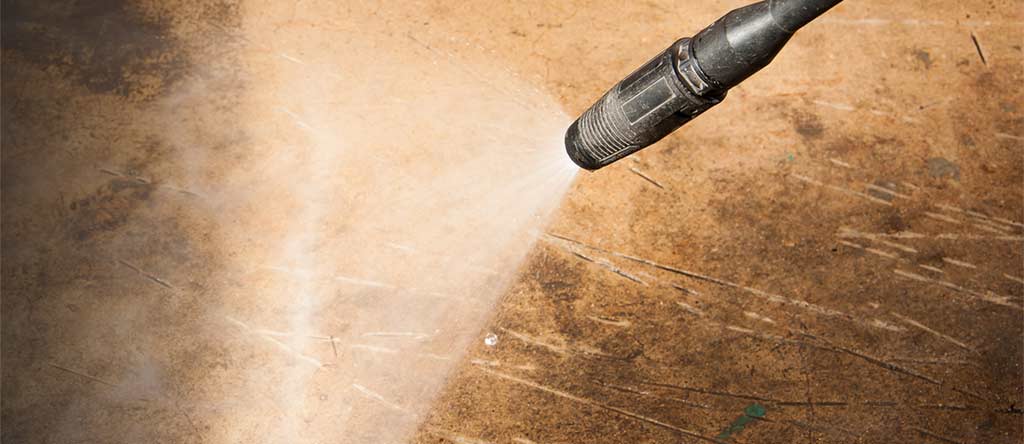
Protect delicate surfaces with professional travertine and natural stone cleaning services. From patios and walkways to pool decks and entryways, expert pressure washing removes dirt, algae, and buildup using safe methods. Proper care helps preserve stone integrity and long-term curb appeal.
Stamped Concrete Cleaning
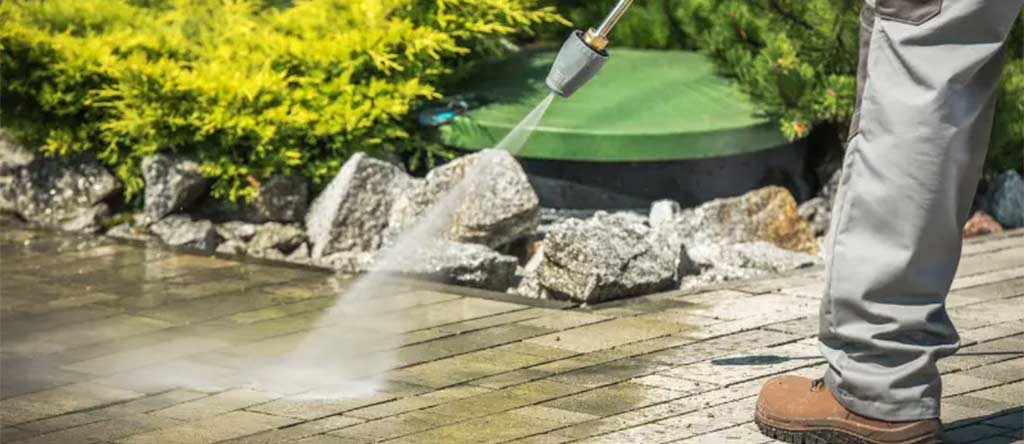
Restore the look of decorative surfaces with professional stamped concrete cleaning services. From patios and walkways to driveways and pool decks, expert pressure washing removes dirt, stains, and buildup without damaging the finish. Proper cleaning helps preserve appearance and extend surface life.
Sports Court Cleaning
Keep sports courts clean, safe, and playable with professional pressure washing services. From basketball and tennis courts to surrounding concrete areas, expert cleaning removes dirt, algae, and surface buildup effectively. Routine maintenance improves traction, appearance, and overall court performance.
Retaining Wall Cleaning
Keep retaining walls looking clean and structurally sound with professional cleaning services. From concrete and stone walls to landscaped retaining systems, expert pressure washing removes dirt, algae, and buildup safely. Proper cleaning helps protect surfaces and maintain a polished property appearance.