
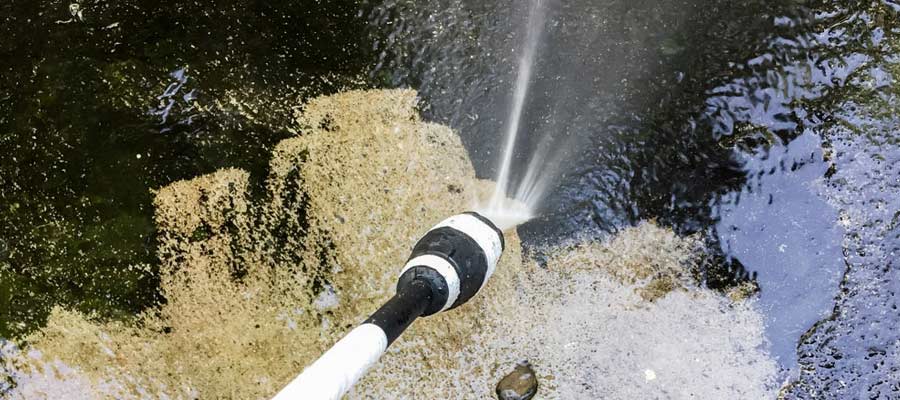
Guy I know named Tony lives in a subdivision in Spring. Nice house, maybe 15 years old, concrete driveway that hadn’t been cleaned since he bought the place eight years ago. Oil stains from three different vehicles over the years. Tire marks. That green algae film creeping in from the shaded edges near his fence line. The whole thing looked tired.
Tony’s a do-it-yourself type. Rented a pressure washer from the hardware store one Saturday morning. 4,000 PSI unit—the biggest one they had. Figured more power meant better cleaning. He wasn’t wrong about needing pressure. He was very wrong about how much.
Three hours later he called me in a panic. His driveway had these weird light streaks running through it. Swirl marks where he’d moved the wand. Lines etched into the surface that wouldn’t go away no matter how he tried to blend them. He’d basically scarred his concrete permanently.
“I thought concrete was supposed to be tough,” he said. “How did I mess this up?”
Here’s the thing: concrete is tough. But it’s also porous. And pressure washing absolutely can damage it if you’re using the wrong pressure, the wrong nozzle, or holding the wand too close to the surface. Done right, it’s one of the best ways to clean driveways, patios, sidewalks, and pool decks without harming anything. Done wrong? You’re looking at permanent etching, pitting, and surface damage that no amount of sealer will hide.
Tony’s driveway is still etched. Will be until he resurfaces it. Expensive lesson.
Quick Facts: Concrete Pressure Washing in Texas
| Factor | Details |
| Safe PSI Range | 2,000–2,700 PSI for most driveways and patios; over 3,000 increases damage risk significantly |
| Concrete Lifespan | Texas driveways typically last 25–40 years; hot summers and occasional freezes accelerate wear |
| Professional Cost | $0.20–$0.40 per sq. ft. in Houston area depending on stain level and square footage |
| Common Risks | Etching (permanent streaking), chipping, spalling, water intrusion into existing cracks |
| Best Nozzles | 25° green tip for cleaning, 40° white tip for rinsing; never use 0° red tip on concrete |
| Houston Factor | Expansive clay soil causes more shifting and cracking; existing cracks worsen if water forced in |
How Concrete Gets Damaged by Pressure Washing
Concrete looks solid and permanent. It’s not. It’s actually porous—full of tiny air pockets and capillaries that formed when it cured. Too much force in the wrong place wears it down faster than years of normal weathering would. Here’s exactly what goes wrong:
Surface Etching
The most common damage by far. High pressure creates visible streaks or swirl marks in the surface that never blend back in. Once you etch concrete, you’re stuck with it. There’s no undoing it short of grinding down the entire surface or pouring a new overlay.
A woman in The Woodlands—homeowner named Catherine—called us after her landscaper “helpfully” pressure washed her patio while doing other work. He used whatever equipment he had on his truck. Left perfect arc-shaped etching marks across her stamped concrete. Beautiful decorative patio now has permanent scars running through it. She’s still mad about it three years later. Can’t blame her.
Chipping and Spalling
Aged or weakened concrete can lose its top layer when hit with ultra-high PSI. The surface literally breaks away in chunks or flakes off in patches. You end up with rough, pitted spots that look worse than the original dirt and stains ever did.
This happens most often on older driveways where the surface has already started breaking down from years of UV exposure and weathering. The concrete looks okay until you hit it with pressure, then suddenly pieces are coming off. Not good.
Hairline Cracks Getting Worse
Water forced into tiny cracks expands and contracts with temperature swings. In Texas, that’s a real problem. We’re talking 95° one day and 40° the next during certain times of year. That thermal cycling accelerates cracking dramatically.
A small hairline crack that would have stayed stable for years can turn into a major fissure in one season if you blast water into it under high pressure. The water gets in, freezes when temperature drops, expands, breaks the concrete further. Repeat cycle until you’ve got a serious problem.
Uneven Wear and “Clean Dents”
Staying in one spot too long creates what I call “clean dents”—areas where you’ve removed more surface material than surrounding spots. Shows up as permanent light patches or depressions that catch your eye every time you look at the driveway.
The fix is simple: keep the wand moving steadily. Don’t linger. But when you’re focused on a stubborn oil stain and really want it gone, it’s easy to forget and blast the same spot for too long. Then you’ve traded a stain for a scar.
Pressure Washing vs. Other Concrete Cleaning Methods
People ask all the time whether pressure washing is really the best option or if there’s something safer. Here’s how the methods actually compare:
| Method | Best For | Limitations |
| Pressure Washing | Heavy grime, oil stains, deep cleaning; fast and effective | Damage risk if wrong PSI or technique; requires skill |
| Soft Washing | Roofs, siding, painted surfaces, delicate materials | Not enough force for deep concrete stains |
| Scrubbing | Small spot stains, light surface dirt | Impractical for full driveways; labor intensive |
| Chemical Only | Loosening stubborn stains before washing | Rarely removes stains completely alone; needs water pressure |
Bottom line? Pressure washing is still the best method for concrete when done correctly. Nothing else removes deep stains and biological growth as effectively. The key is “done correctly.” That’s where most damage happens—not from the method itself, but from poor execution.
What Influences Whether Your Concrete Gets Damaged
Not all concrete responds the same way to pressure washing. Some driveways can handle more aggressive cleaning; others are fragile. Here’s what matters:
Age of the Concrete
Brand-new concrete—anything less than 12 months old—is softer and more porous than you’d expect. The curing process takes time. Pressure washing before it’s fully cured can cause serious damage. Wait at least a year, ideally longer.
On the other end, older concrete that’s already showing wear is more fragile than it looks. Surface degradation from years of UV exposure and weathering makes it vulnerable. Be extra gentle with anything over 20 years old unless it’s been well maintained.
Surface Finish Type
Smooth-finished concrete is more vulnerable to visible etching. Every mark shows. Broom-finished or textured concrete hides minor imperfections better and can generally handle slightly higher pressure without showing damage.
Stamped and decorative concrete needs special care. The patterns and textures can be damaged, and the color release or sealer can be stripped. If you’ve got decorative concrete, either use very conservative pressure or call a professional who’s worked with that material before.
Existing Cracks or Damage
If your concrete already has cracks, water intrusion is a real risk. High-pressure water forced into cracks accelerates deterioration. Seal cracks before washing, or be extremely careful around damaged areas. Sometimes it’s better to work around a problem spot than blast it and make things worse.
A homeowner in Cypress—guy named Martin—had a driveway with some settling cracks that had been stable for years. Previous owner apparently dealt with them fine. Martin pressure washed without thinking about it, forced water into those cracks right before a cold snap hit. By spring he had chunks of concrete breaking away along the crack lines. The freeze-thaw cycle finished what the pressure washing started.
Climate and Weather Exposure
In Texas, UV exposure, intense heat, and freeze-thaw cycles all weaken concrete over time. Driveways in Spring, The Woodlands, Klein, and Cypress that see heavy sun exposure and occasional winter freezes are more susceptible to damage than concrete in milder climates.
Our clay soil makes things worse. It expands when wet, contracts when dry, and that movement stresses concrete constantly. More cracks to begin with. More vulnerability to pressure washing damage.
How to Pressure Wash Concrete Without Causing Damage
Whether you’re doing it yourself or evaluating whether a contractor knows what they’re doing, here’s the right approach:
- Use the right PSI – Stick to 2,000–2,700 PSI for driveways and patios. If you’re renting equipment, tell them you’re washing residential concrete—they’ll steer you toward appropriate machines. Ignore the temptation to rent the biggest unit available. More power is not better.
- Choose the right nozzle – 25° green tip for actual cleaning work. 40° white tip for rinsing. Never use the 0° red tip on concrete unless you’re intentionally trying to strip paint, cut into something, or dig out weeds from cracks. That concentrated stream will etch concrete instantly.
- Maintain proper distance – Keep the nozzle 8–12 inches from the surface. Closer than 6 inches and you’re asking for trouble. Distance disperses the force. Too close concentrates it into a damaging point.
- Keep the wand moving – Steady, sweeping motions across the surface. Don’t linger in one spot no matter how stubborn a stain looks. If a stain won’t come up with normal technique, it needs pre-treatment—not more pressure or more time in one place.
- Pre-treat stubborn stains – For oil, grease, rust, or heavy biological growth, apply appropriate degreaser or stain remover first. Let it sit 10–15 minutes to break down the stain. Then pressure wash. This reduces the need for excessive pressure and makes cleaning more effective.
- Test in a hidden spot first – Always test your pressure and technique in an inconspicuous area before cleaning the main surface. Back corner of the driveway. Behind the garage. Somewhere it won’t matter if you make a mistake. If you see immediate etching or surface damage, dial back before continuing.
Houston-Area Concrete Challenges
Texas weather and soil conditions create unique challenges for concrete. Understanding these factors helps you avoid damage:
- Expansive clay soil – Homes throughout Spring, Klein, The Woodlands, and Cypress sit on clay that expands dramatically when wet and contracts when dry. This constant movement causes more shifting and cracking than you’d see in other regions. More cracks mean more vulnerability to pressure washing damage.
- Heat and UV exposure – Our 95°+ summers break down concrete sealers faster than manufacturer estimates. Unsealed concrete becomes more porous over time, more vulnerable to staining, and more susceptible to etching. If your concrete hasn’t been sealed in years, it’s weaker than you think.
- Freeze-thaw cycles – Yes, we get freezes in Texas. Those sudden temperature swings cause water in cracks to expand and contract repeatedly. One pressure washing session that forces water into cracks right before a freeze can do more damage than years of normal wear.
The Houston climate means your concrete is probably in rougher shape than it looks. Factor that into your approach. When in doubt, use less pressure and more patience.
When DIY Makes Sense vs. When to Call a Professional
Not every driveway needs professional cleaning. But not every homeowner should attempt DIY either. Here’s how to think about it:
DIY Can Work If:
- Your concrete is in good condition—no significant cracks, less than 15 years old, no previous damage
- You’re dealing with light to moderate dirt, not heavy oil stains or years of buildup
- You’re comfortable with equipment and willing to research proper technique
- You have access to appropriate equipment—not the most powerful rental available, but the right one for the job
Call a Professional If:
- Your concrete has existing cracks, spalling, or visible wear
- You have stamped, decorative, or stained concrete that could be damaged
- Heavy oil stains or serious biological growth require pre-treatment and hot water
- You’re not confident in your ability to control pressure and technique
- The driveway is large enough that mistakes will be expensive to fix
Most concrete damage we see comes from well-intentioned homeowners using too much pressure or the wrong nozzle. The rental cost savings disappear fast when you’re paying to repair etching or replace sections of damaged concrete.
Frequently Asked Questions
Can pressure washing make concrete cracks worse?
Yes, absolutely. Water forced into existing cracks at high pressure accelerates deterioration, especially when followed by freeze-thaw cycles. Seal cracks before washing, or be extremely careful to avoid directing water into damaged areas.
What PSI is safe for residential concrete?
2,000–2,700 PSI is the sweet spot for most driveways and patios. Lower pressure is safer but might not remove deep stains effectively. Higher pressure—especially above 3,000 PSI—significantly increases damage risk without proportional cleaning benefit.
Will pressure washing remove oil stains from concrete?
Yes, but oil stains are stubborn. Best approach is pre-treating with a degreaser designed for concrete, letting it soak for 10–15 minutes, then pressure washing with hot water if available. Fresh oil stains come out easier than old ones that have penetrated deep into the concrete.
How often should I pressure wash my driveway in Texas?
Once a year is sufficient for most driveways. High-traffic areas, driveways with heavy tree coverage dropping debris, or shaded sections prone to algae growth might benefit from twice-yearly cleaning. More frequent than that is rarely necessary and increases cumulative wear.
Can I pressure wash new concrete?
Wait at least 12 months for new concrete to fully cure before pressure washing. New concrete is softer and more porous than it will be after proper curing. Pressure washing too soon can cause surface damage that wouldn’t happen on fully cured material.
Should I seal my concrete after pressure washing?
Recommended, especially in Texas. A quality concrete sealer protects against UV damage, staining, and moisture intrusion. Apply sealer after the concrete is completely dry—usually 24–48 hours after washing in our humidity. Reapply every 2–3 years depending on traffic and sun exposure.
Why Klein Pressure Washing
We’ve cleaned thousands of driveways, patios, pool decks, and walkways across Spring, Klein, The Woodlands, Cypress, and greater Houston over the past 20+ years. We know Texas concrete—the clay soil issues, the UV damage, the freeze-thaw challenges—because we deal with it every single day.
Commercial-grade equipment with adjustable pressure for different surfaces. Proper technique developed over two decades of experience. Pre-treatment for stubborn stains so we don’t need excessive pressure. And honest assessment of what your concrete can handle before we start.
If you want your driveway cleaned without Tony’s etching marks or Martin’s crack damage, give us a call. We’ll look at your concrete, tell you exactly what approach we’d recommend, and give you a straight quote with no surprises. Professional results without the DIY risk.
Blog Articles Related to Power Washing – Patio & Deck Cleaning Service By Klein Pressure Washing in Baytown, TX…

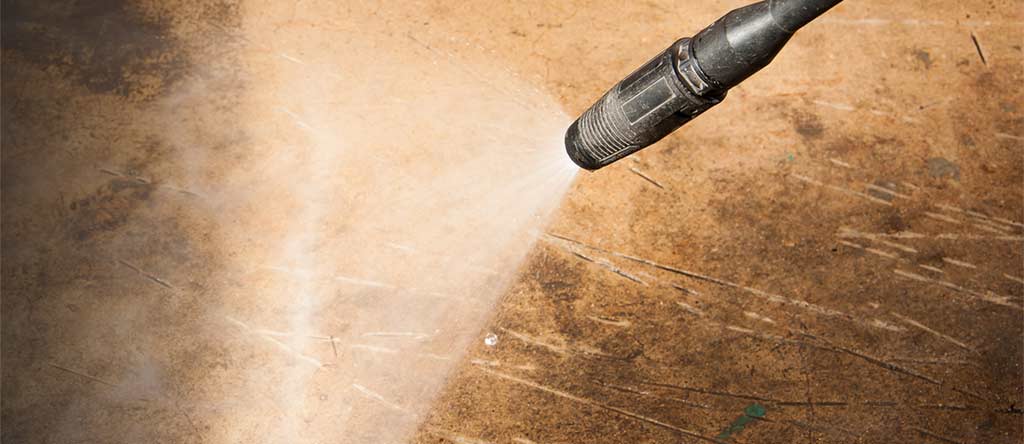
Travertine and Natural Stone Cleaning
Protect delicate surfaces with professional travertine and natural stone cleaning services. From patios and walkways to pool decks and entryways, expert pressure washing removes dirt, algae, and buildup using safe methods. Proper care helps preserve stone integrity and long-term curb appeal.
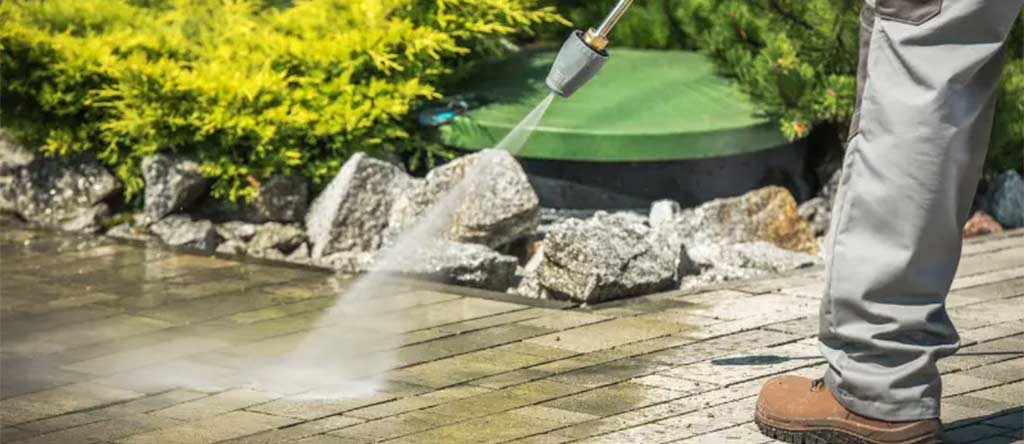
Stamped Concrete Cleaning
Restore the look of decorative surfaces with professional stamped concrete cleaning services. From patios and walkways to driveways and pool decks, expert pressure washing removes dirt, stains, and buildup without damaging the finish. Proper cleaning helps preserve appearance and extend surface life.
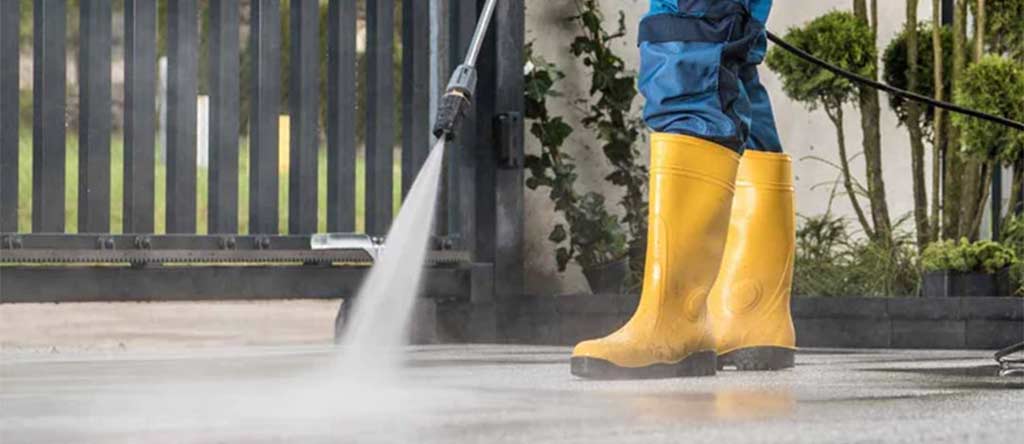
Sports Court Cleaning
Keep sports courts clean, safe, and playable with professional pressure washing services. From basketball and tennis courts to surrounding concrete areas, expert cleaning removes dirt, algae, and surface buildup effectively. Routine maintenance improves traction, appearance, and overall court performance.
Retaining Wall Cleaning
Keep retaining walls looking clean and structurally sound with professional cleaning services. From concrete and stone walls to landscaped retaining systems, expert pressure washing removes dirt, algae, and buildup safely. Proper cleaning helps protect surfaces and maintain a polished property appearance.