
A homeowner named Vanessa has a tiered backyard in The Woodlands. Three retaining walls stepping down the slope. Nice landscaping. Good bones. Cost serious money when the house was built.
Called me because she thought the walls were falling apart.
“The blocks are turning black,” Vanessa said. “Green stuff growing everywhere. White crusty deposits on the faces. I thought the walls were deteriorating. Figured I’d need to replace them.”
I drove over to look. Walked the property. Examined each wall.
The walls were fine. Structurally sound. No movement. No cracking. No actual deterioration. Just years of biological growth and mineral deposits covering the surface. The black was mildew. The green was algae. The white was efflorescence. All cleanable.
“These walls aren’t failing,” I told her. “They’re just dirty.”
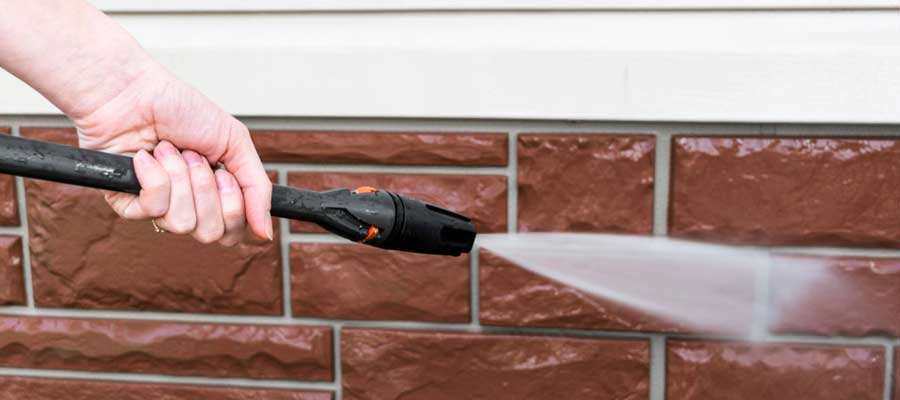
We cleaned all three walls. Low pressure to protect the material. Appropriate cleaners for each issue. Took most of a day.
The blocks came back tan and gray. Original colors. Like they were installed last year instead of twelve years ago.
“I was getting quotes to replace these,” Vanessa said. “We’re talking fifty thousand dollars. This cost me eight hundred.”
Yeah. A lot of retaining walls get replaced when they just need cleaning. The biological growth looks like damage. It isn’t.
Snapshot
| Factor | What to Know |
| Cleaning frequency | Every 2-3 years for most walls. Annually for shaded locations. |
| Cost range | $1.50-$4.00 per square foot of wall face |
| Main challenge | Biological growth and efflorescence. Both are common in Houston. |
| Houston reality | Humidity accelerates algae and mildew growth dramatically |
| Best timing | Spring before the growing season. Fall before winter moisture. |
Why Retaining Wall Cleaning Matters
Retaining walls are landscape investments. They create usable space on sloped lots. Define garden beds and outdoor areas. Add visual structure to properties.
They’re also vertical surfaces that collect everything Houston’s climate throws at them. Algae. Mildew. Mold. Lichen. Efflorescence. All of it accumulates on wall faces year after year.
The growth starts small. A little green tint in shaded areas. Some dark streaking where water runs during storms. Easy to overlook in year one or two.
By year five or six, the walls look completely different. The original block color disappears under layers of biological growth. Homeowners forget what clean looked like.
By year ten, people assume the walls are damaged. The discoloration looks structural. They start getting replacement quotes before anyone suggests cleaning.
In Houston, the timeline accelerates. High humidity feeds growth year-round. Summer rains wash spores across surfaces. Mild winters don’t kill anything. The climate is perfect for turning walls green and black.
Shaded walls are the worst. North-facing. Under the tree canopy. Less UV to inhibit growth. More moisture retention. These walls can look terrible in just a few years.
A landscaper named Orlando works across the Houston area. Sees retaining walls on every job.
“I tell every client the walls aren’t ruined,” Orlando said. “They just need cleaning. Most people have no idea. They think the black and green is permanent.”
It’s not permanent. It’s just dirty.
Types of Retaining Wall Materials
Different wall materials need different approaches. Each has specific considerations.
Segmental Block Walls
The most common type. Interlocking concrete blocks in various colors and textures. Versa-Lok, Allan Block, and Keystone. Different brands but similar cleaning needs.
Block walls can handle moderate pressure but shouldn’t be blasted. Surface coatings and integral color can be damaged by excessive force.
The textured faces collect more growth than smooth surfaces. All those ridges and dimples provide perfect habitats for algae and mildew.
Efflorescence is common on block walls. White mineral deposits leaching through the concrete. Efflorescence is treatable, but it requires a specific approach.
Poured Concrete Walls
Solid concrete construction. May be smooth, textured, or stamped to look like stone.
Poured walls are more durable under pressure than some materials. Can handle more aggressive cleaning when needed.
Stamped concrete walls need the same care as stamped patios. Lower pressure to protect the pattern. The same principles apply.
Natural Stone Walls
Limestone, sandstone, fieldstone. Real rock with natural variation. Beautiful but requires careful cleaning.
Natural stone varies in hardness and porosity. Some stones handle pressure well. Others damage easily. Need to match technique to specific material.
Limestone is calcium-based. Same acid sensitivity as travertine. pH-neutral cleaners only.
Mortar joints in stone walls can erode with excessive pressure. Need careful attention to preserve joint integrity.
Timber and Railroad Tie Walls
Wood construction. Common in older landscapes. Rustic appearance.
Timber walls are the softest of all materials. Very low pressure only. High pressure damages wood fibers.
Algae and mildew growth can actually accelerate wood decay if left untreated. Cleaning helps preserve the wall, not just improve appearance.
Keith, a homeowner, maintains railroad tie walls from his house’s construction in the eighties in the Cypress area.
“Thought the walls were rotting out,” Keith said. “Turns out they were just covered in mold. The wood underneath is actually solid. Good for more years.”
Cleaning revealed the truth. Not rotten. Just dirty.
Brick Walls
Traditional brick construction. Classic appearance. Common in established neighborhoods.
Brick handles cleaning well, but mortar joints need attention. Old mortar can be brittle. Need appropriate pressure to clean without damaging joints.
Efflorescence on brick walls is very common. The white deposits stand out dramatically against red brick.
What Retaining Wall Cleaning Addresses
Several distinct contamination types accumulate on retaining walls. Each requires specific treatment.
Algae and Mildew Growth
The green and black stuff. The most visible contamination. What makes walls look old and neglected?
Algae shows up green. Thrives in damp, shaded conditions. Spreads quickly during humid months.
Mildew appears darker. Gray to black. Often follows moisture patterns. Shows where water runs or collects.
Both need treatment that kills spores, not just removes visible growth. Otherwise they regrow quickly.
Efflorescence
White crystalline deposits on wall surfaces. Mineral salts migrating through the material and crystallizing when water evaporates.
Common in Houston due to high humidity cycling water through wall materials constantly. Appears chalky or crusty white.
Efflorescence requires specific treatment. Standard cleaning doesn’t address it. May need mild acid treatment on appropriate materials.
Dirt and Soil Staining
Splash-back from rain hitting soil. Mud washing down during storms. Irrigation overspray.
Walls next to flower beds and mulch show soil staining the most. Every rain event splashes more onto the wall face.
Houston’s clay soils leave reddish-brown stains. The iron content creates distinctive discoloration.
Rust Stains
From metal reinforcement, landscape lighting, or irrigation components. Orange-brown discoloration that stands out.
Rust stains need specific rust removers. Standard pressure washing doesn’t address iron oxide staining.
Some wall materials contain iron that rusts when cleaned with acidic products. Creates new stains while trying to remove old ones.
Organic Stains
These stains originate from various sources, such as leaves, berries, and plant material. Tannin staining occurs when organic matter presses against walls.
Walls under trees collect the most organic staining. Leaves fall, sit wet against the wall, and leach tannins into the surface.
Berry stains from landscaping can be particularly stubborn. Purple and red discoloration from ornamental plants.
The Cleaning Process for Retaining Walls
Proper retaining wall cleaning follows a systematic approach based on the specific contamination present.
First, assessment. What material is the wall? What contamination is present? What pressure and chemistry are appropriate?
Second, pretreatment. Biological growth gets treated with appropriate cleaning solution. Applied before pressure washing. Allowed to work.
Third, cleaning. Pressure appropriate for the material. Working systematically across the wall face. Top to bottom so dirty water flows down.
Fourth, spot treatment. Efflorescence, rust, or organic stains that need targeted chemistry. Applied after general cleaning.
Fifth, rinsing. Thorough rinse of all cleaning products. Protect adjacent landscaping from runoff.
Soft washing is often preferred for retaining walls. Low pressure with effective chemistry. Let the cleaner do the work rather than relying on force.
Protecting Landscaping During Cleaning
Retaining walls are surrounded by plants. Cleaning solutions and runoff can damage landscaping if not managed properly.
Pre-wetting plants creates a barrier. Water on leaf surfaces prevents chemical absorption. Simple but effective protection.
Directing runoff matters. Avoid channeling dirty water through planting beds when possible. Dilution helps when avoidance isn’t possible.
Post-rinse of landscaping removes any chemical that landed on plants. Clean water wash after the wall work is complete.
Some cleaning products are more plant-friendly than others. Product selection considers both effectiveness on walls and safety for surrounding plants.
How Often Should Retaining Walls Get Cleaned
Depends on location and exposure.
Shaded walls need cleaning every 1-2 years. Growth accelerates without UV exposure. North-facing walls and those under trees deteriorate fastest.
Partially shaded walls do well with cleaning every 2-3 years. Some sun helps inhibit growth but doesn’t prevent it entirely.
Full sun walls can stretch to 3-5 years between cleanings. UV keeps biological growth in check. Still needs occasional attention.
Walls with persistent efflorescence may need more frequent treatment until the underlying moisture issue resolves.
Houston humidity pushes toward more frequent cleaning than other climates. Growth happens faster here. Plan accordingly.
Most homeowners find that cleaning walls when the rest of the property gets cleaned makes sense. Part of the overall maintenance program.
What Retaining Wall Cleaning Costs
Pricing runs by square foot of wall face. Size and accessibility affect totals.
Standard cleaning of block or concrete walls runs $1.50-$2.50 per square foot.
Natural stone walls run $2.00-$3.50 per square foot due to the additional care required.
Timber walls run $2.50-$4.00 per square foot. More delicate. More time.
Heavy efflorescence treatment adds to base pricing. May require multiple applications.
For a typical 200-square-foot retaining wall, expect $300 to $600 for standard cleaning.
For Vanessa’s three walls totaling about 400 square feet of face area, the eight hundred dollar price was right in range.
Compare cleaning costs to replacement. Block walls run $25-$50 per square foot installed. Cleaning costs a fraction. Vanessa’s potential fifty thousand dollar replacement became an eight hundred dollar cleaning.
Current Trends in Retaining Wall Maintenance
More homeowners are learning that walls can be cleaned rather than replaced. Word spreads when neighbors see results.
Soft washing is becoming the preferred method. Less risk to wall materials. Better for surrounding landscaping.
Treatment products that inhibit regrowth are gaining popularity. Extends time between cleanings.
Wall cleaning is included in comprehensive property cleaning packages. Driveway, walkways, walls, house exterior. Everything at once.
FAQs
Will pressure washing damage my retaining wall?
Not with proper technique. Appropriate pressure for each material. Soft washing when needed. The key is matching the method to the material. Inexperienced operators can cause damage. Experience matters.
What about the white deposits on my wall?
That’s efflorescence. Mineral salts from inside the wall migrating to the surface. Common in Houston’s humidity. Treatable with specific products. May reappear if underlying moisture continues.
Will cleaning harm my plants next to the wall?
We protect landscaping during cleaning. Pre-wet the plants, manage the runoff, and rinse them afterward. Some products are more plant-safe than others. We plan accordingly.
How long before the wall gets dirty again?
Depends on location. Shaded walls may need cleaning again in 1-2 years. Sunny walls can go 3-5 years. Treatment products can extend these intervals.
Should I seal my retaining wall after cleaning?
Optional but can help. Sealers reduce moisture absorption and can inhibit biological growth. Not all wall materials benefit equally. We can advise based on your specific situation.
Why Klein Pressure Washing
We clean retaining walls across Spring, Klein, The Woodlands, Cypress, and greater Houston. Twenty years doing this. Block walls, stone walls, timber walls, brick walls. Every material, every condition.
We understand wall materials and appropriate techniques. Soft washing when needed. Careful attention to surrounding landscaping. We know the difference between cleaning walls and damaging them.
Vanessa saved fifty thousand dollars by cleaning instead of replacing. Keith’s timber walls have years left in them. Orlando sends his landscaping clients to us for wall cleaning.
Your retaining walls are probably fine underneath all that growth. The structure is likely sound. You just can’t see the original material anymore.
Call us. We’ll assess your walls, identify what’s actually happening, and tell you what cleaning can accomplish. If there’s actual structural damage, we’ll tell you that honestly.
Clean walls. Restored landscape. Protected investment. Worth the money.
Articles About Power Washing – Fence Cleaning Service By Klein Pressure Washing in Hawthorne Place, Texas!
Travertine and Natural Stone Cleaning
Protect delicate surfaces with professional travertine and natural stone cleaning services. From patios and walkways to pool decks and entryways, expert pressure washing removes dirt, algae, and buildup using safe methods. Proper care helps preserve stone integrity and long-term curb appeal.
Stamped Concrete Cleaning
Restore the look of decorative surfaces with professional stamped concrete cleaning services. From patios and walkways to driveways and pool decks, expert pressure washing removes dirt, stains, and buildup without damaging the finish. Proper cleaning helps preserve appearance and extend surface life.

Sports Court Cleaning
Keep sports courts clean, safe, and playable with professional pressure washing services. From basketball and tennis courts to surrounding concrete areas, expert cleaning removes dirt, algae, and surface buildup effectively. Routine maintenance improves traction, appearance, and overall court performance.
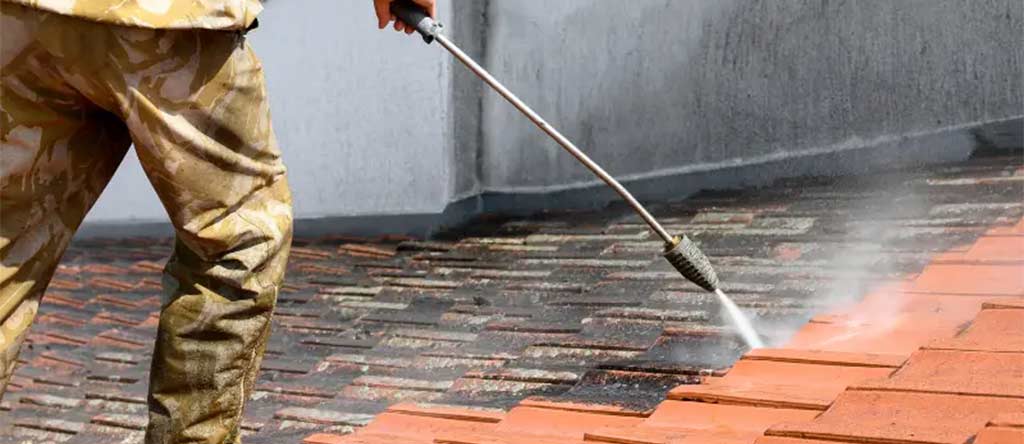
Retaining Wall Cleaning
Keep retaining walls looking clean and structurally sound with professional cleaning services. From concrete and stone walls to landscaped retaining systems, expert pressure washing removes dirt, algae, and buildup safely. Proper cleaning helps protect surfaces and maintain a polished property appearance.