
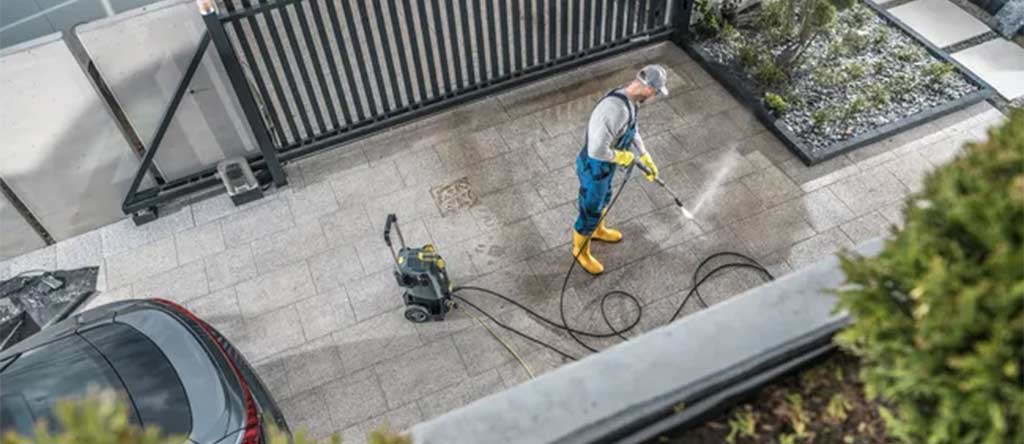
A neighbor of mine named Linda has a covered patio in spring. Stamped concrete. Outdoor kitchen with a built-in grill. Nice furniture. String lights. The whole setup.
She uses it constantly. Family dinners. Weekend barbecues. Kids running around. Dogs everywhere.
Last summer she called me frustrated.
The concrete had turned green in spots. Slippery after rain. Grease stains around the grill that wouldn’t come up no matter how much she hosed it.
“I cleaned it two years ago,” she said. “How does it look this bad already?”
Two years. In Houston humidity. Heavy use. Shade from the patio cover trapping moisture.
Way too long between cleanings. That was her problem.
Most patios need cleaning once or twice a year. The right frequency depends on the material, shade, drainage, and how much you use the space. Here’s what twenty years of patio cleaning in Southeast Texas has taught us.
Quick Facts: Patio Power Washing
| Factor | Details |
| Recommended Frequency | 1-2 times per year for most patios |
| Texas Climate Factor | Humidity and storms often require twice-yearly cleaning |
| Common Issues | Algae, dark film, pollen buildup, grease stains, slippery surfaces |
| Time Per Cleaning | 1-2 hours for most residential patios |
| Sealing Recommendation | Every 2-3 years to extend surface life |
Power Washing Frequency by Patio Material
Different materials handle moisture and staining differently. Some take aggressive pressure. Some don’t. Knowing what you’ve got determines how often you clean.
Concrete is the easiest. Tough stuff. Forgiving. Once a year works for most concrete patios in sunny spots. Shaded areas need it twice a year because algae grows faster without sun to dry things out. Linda’s stamped concrete was shaded and heavily used. She needed twice yearly. Not every two years.
Brick absorbs more moisture than concrete. Porous. Dirt gets into the surface instead of sitting on top. Yearly washing works for most brick. But if green slime or dark film shows up before the year is out, clean it. Don’t wait. Safety comes first. The joints between bricks collect weeds and moss too. Good cleaning clears all that.
Natural stone varies. Flagstone and slate are harder. Handle pressure better. Limestone is soft. Needs gentle treatment. Once a year for most stone patios unless heavy staining shows up after rainy seasons. Sealed stone needs resealing every two to three years. Clean before you reseal for best results.
Wood is the tricky one. Soft wash only. No high pressure. Ever.
A guy in The Woodlands named Marcus learned these lessons the hard way. Rented a pressure washer for his cedar deck. Cranked it up. Left visible gouges across every single board.
“It looked worse than when I started,” he told me. “Had to sand the whole thing and restain.”
Two hundred bucks for the rental. Four hundred for stain. Twelve hours sanding. All because he used the wrong method. Wood needs soft washing every six months. Prevents mold. Prevents fading. Keeps water from getting into the grain.
Why Texas Climate Matters
Southeast Texas sees heavy storms. High humidity that hangs around constantly. Long hot seasons. Oak pollen coats everything yellow every spring. Occasional freezes that crack surfaces.
All of that speeds up algae growth and staining. Way faster than people expect.
Arizona? Colorado? Those homeowners can clean once a year. Maybe less. Dry climate. Slow buildup.
Texas? Different story. Twice a year for shaded areas. Twice a year near landscaping where moisture collects.
A woman in Cypress named Rosa has a flagstone patio surrounded by trees. Looks like something out of a magazine. But leaves fall constantly. Moisture never dries because the canopy blocks the sun. Green film starts showing up four months after cleaning.
She tried yearly cleanings. Didn’t work. Algae came back before the year was up.
Switched to twice a year about three years ago. The patio looks wonderful now. No slip hazard. No embarrassment when people come over.
“Should have done this from the start,” Rosa told me. “I was being cheap, and the patio looked terrible half the year.”
What Else Affects Cleaning Frequency
Beyond material, a few other things determine how often your patio needs attention.
Usage matters most. The more you use it, the faster it gets dirty. Families with kids, pets, grills, and regular outdoor dining see buildup faster than empty patios that just sit there. Linda used her patio constantly. Barbecues. Kids. Dogs. That level of traffic means twice a year minimum.
Shade matters too. Shaded patios grow algae faster because the sun never dries them out completely. Rosa’s tree-covered patio in Cypress proved that. Four months after cleaning, green film started showing up.
Drainage matters. Standing water creates slime and mildew. If your patio has low spots where water pools, you’ll need more frequent cleaning.
Trees overhead mean sap, pollen, and leaves staining the surface constantly. Proximity to a pool means chlorine splashes and wet foot traffic.
Sealed patios stay cleaner longer. Unsealed ones absorb stains. If you haven’t sealed your concrete or stone, it’s working harder between cleanings.
Schedule cleaning before big events. After roof or gutter work so runoff doesn’t stain everything. Before and after peak outdoor season. Common sense mostly.
Power Washing vs. Soft Washing
Two methods. Different applications. It’s worth knowing the difference.
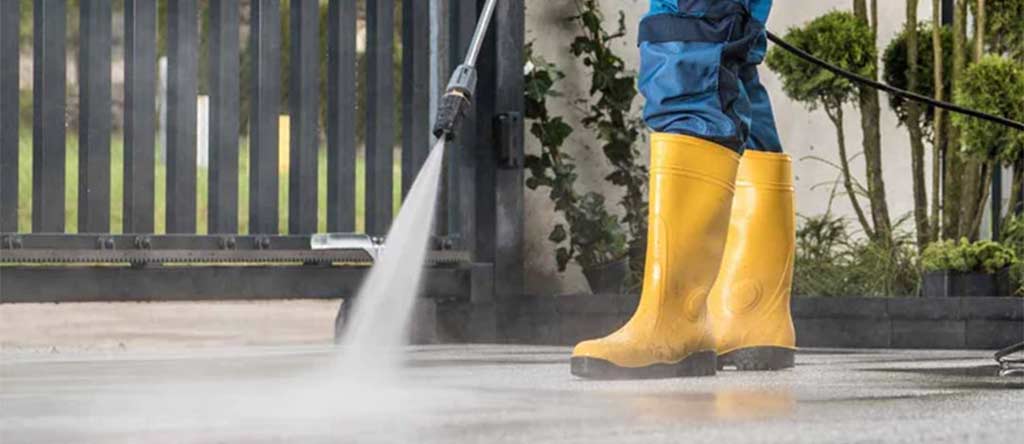
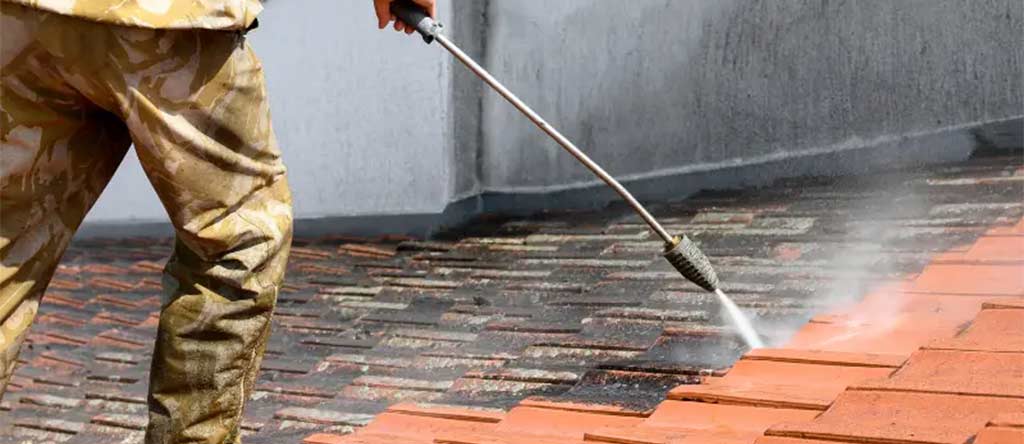
Power washing uses pressure. Force blasts the dirt off. This method is particularly effective on surfaces such as concrete, brick, and hard stone. Aggressive but effective.
Soft washing uses chemicals instead of force. Low pressure. Detergents do the work. That’s what wood needs. What painted surfaces need. What softer stone needs. Anything that pressure would damage.
Soft wash costs a bit more. Different equipment. Different chemicals. But results last longer because you’re actually killing the algae and mildew. Not just pushing it around.
A good contractor knows which method your patio needs. Doesn’t just blast everything at maximum pressure hoping for the best. That’s how damage happens.
Simple Patio Maintenance Approach
Don’t overthink this. A basic schedule works for most people.
Once a month, spend ten minutes sweeping leaves and hosing off dirt. Spot clean spills before they set. That’s it. Prevents stains from becoming permanent.
Every few months, walk the patio and look for trouble. Slimy patches. Green streaks. Dark grout lines. Slippery spots after rain. Any of those show up? Time for professional cleaning. Don’t wait for your annual schedule if the patio is telling you it needs help now.
Once or twice a year, get it professionally cleaned. Concrete, stone, and brick usually need it once a year. Wood and shaded areas need twice. Treat it like an oil change. Scheduled maintenance. Not emergency repair after things get bad.
Every two to three years, consider sealing. Protects against stains. Makes cleaning easier next time. Extends the life of the surface. Worth the investment for concrete and natural stone.
Frequently Asked Questions
Is power washing safe for all patio materials?
When done right? Yes. The key is matching pressure and method to the surface. Wood and soft stone need soft washing. Concrete can handle more. A good contractor adjusts for every material.
What’s the best time of year to power wash in Texas?
Spring and fall. The weather is milder. Detergents work better. You get the patio refreshed before or after pollen and storm season. It can be done year-round, though. Just depends on conditions.
Can power washing damage a patio if done too often?
Frequency isn’t the problem. Technique is. Too much pressure on wood scars it. A wrong nozzle on soft stone etches it. Use the right PSI and the right chemicals? Twice yearly is perfectly safe.
How long does professional patio cleaning take?
Most patios require an hour or two for cleaning. Bigger areas take longer. Heavy staining takes longer. Grease treatment takes longer. Depends on the job.
Do I need to move patio furniture before cleaning?
Move the small stuff if you can. Most companies help with the heavy pieces. Clearing the space means better cleaning and no water trapped under furniture.
Will power washing remove oil and grease stains?
Most of them. Hot water helps. Degreasers help. Really old stains might lighten instead of vanishing completely. But the improvement is usually dramatic.
How soon can I use my patio after cleaning?
Same day usually. Dries in a few hours. If sealer gets applied, wait a full day before putting furniture back.
Why Klein Pressure Washing
We clean patios across Spring, Klein, The Woodlands, Cypress, and greater Houston. Twenty years now. Concrete. Brick. Stone. Wood. Every material. Every stain. Every problem Texas weather creates.
We match the method to the surface. Soft wash for wood and delicate stone. Controlled pressure for concrete and brick. Our approach is tailored to the specific needs of each material.
A couple in Klein named David and Maria put their patio on our annual schedule three years ago. Stamped concrete. Pool nearby. Heavy use.
“Best decision we made,” David told me. “The patio always looks lovely. We host constantly. We’re never embarrassed when people come over.”
That’s what regular maintenance gets you. Clean surface. Safe footing. Ready for guests anytime.
Don’t end up like Linda. Waiting two years. Green slippery mess. Don’t end up like Marcus. Rental machine disaster. Gouged deck.
Call us. We’ll look at your patio, figure out what it needs, and give you a fair price. Then do the work right.
Articles About Pressure Washing – Patio & Deck Cleaning Service By Klein Pressure Washing in Hardy Heights, Texas.
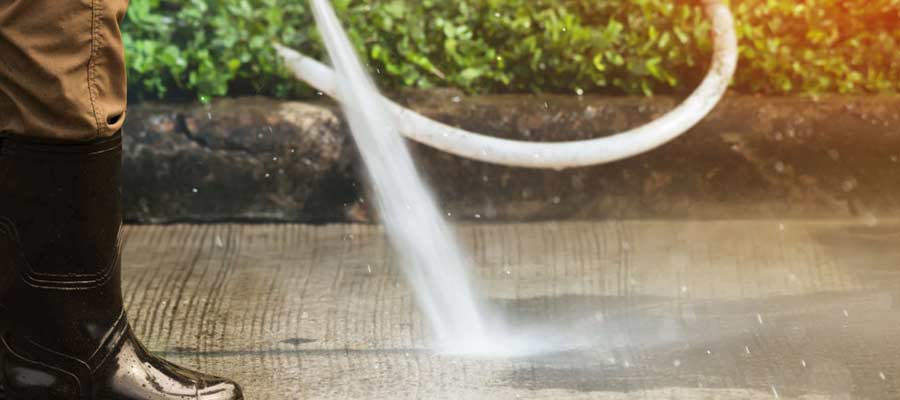
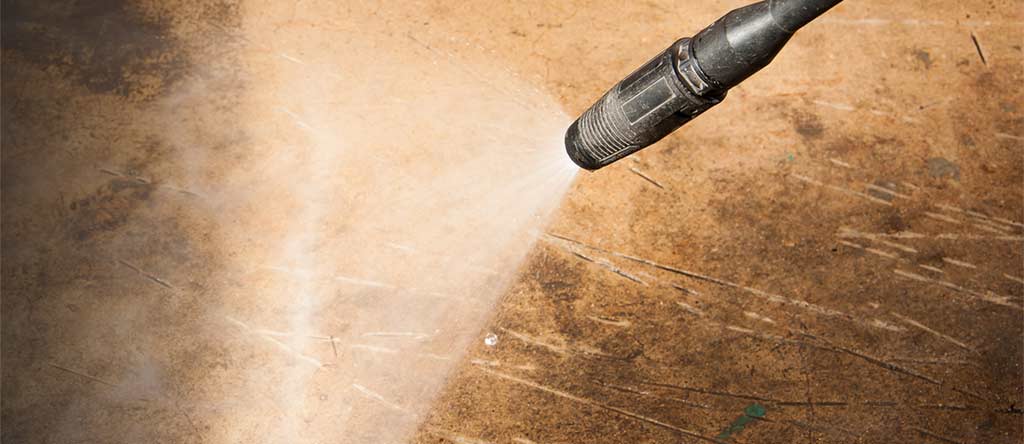
Travertine and Natural Stone Cleaning
Protect delicate surfaces with professional travertine and natural stone cleaning services. From patios and walkways to pool decks and entryways, expert pressure washing removes dirt, algae, and buildup using safe methods. Proper care helps preserve stone integrity and long-term curb appeal.
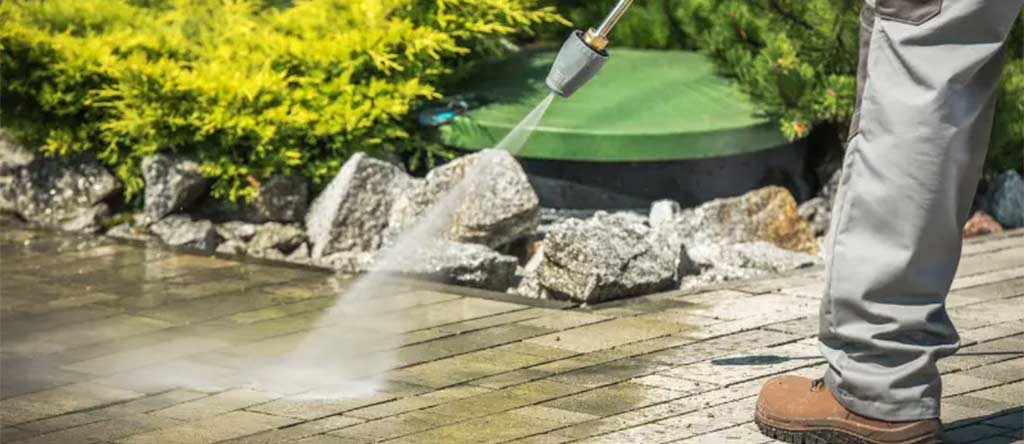
Stamped Concrete Cleaning
Restore the look of decorative surfaces with professional stamped concrete cleaning services. From patios and walkways to driveways and pool decks, expert pressure washing removes dirt, stains, and buildup without damaging the finish. Proper cleaning helps preserve appearance and extend surface life.
Sports Court Cleaning
Keep sports courts clean, safe, and playable with professional pressure washing services. From basketball and tennis courts to surrounding concrete areas, expert cleaning removes dirt, algae, and surface buildup effectively. Routine maintenance improves traction, appearance, and overall court performance.
Retaining Wall Cleaning
Keep retaining walls looking clean and structurally sound with professional cleaning services. From concrete and stone walls to landscaped retaining systems, expert pressure washing removes dirt, algae, and buildup safely. Proper cleaning helps protect surfaces and maintain a polished property appearance.