A station owner named Jimmy runs a fuel stop and convenience store off 249 in the spring. Branded location. Good traffic. Solid corner spot.
The call came after a corporate inspection went awry.
Fuel islands had dark stains spreading from every pump. The sidewalk by the entrance was black with gum and tracked-in grime. The dumpster pad looked like an oil change pit. The drive area had tire marks layered over other tire marks.
“They gave me thirty days to fix it,” Jimmy said. “Or they’ll pull the brand.”
That’s the thing with gas stations. You’re running twenty-four seven. Every day, hundreds of customers visit your gas station. Fuel drips constantly. People spill coffee walking to their cars. Trucks idle and leak. Everything accumulates.
And you’re so busy keeping the pumps running and the store stocked that the concrete just… deteriorates. You stop seeing it because you’re looking at it every day.
This situation persists until a representative from corporate arrives with a detailed checklist.
We cleaned Jimmy’s station overnight. Started at midnight. We completed the task ahead of the morning rush. Fuel islands. Sidewalks. Dumpster area. Entire drive surface.
Passed his follow-up inspection. No issues.
“Looks like a different station,” he said. “We should have been doing this all along,” he said.
Yeah. Probably should have.
Snapshot
| Factor | What to Know |
| Cleaning frequency | Monthly for fuel islands. Quarterly for full property. |
| Cost range | $300-$1,200 per visit depending on size and scope |
| Brand compliance | Most franchises require regular exterior maintenance |
| Houston reality | Heat accelerates fuel staining. Humidity grows mildew on canopy columns. |
| Best timing | Overnight or early morning. Minimal customer disruption. |
Why Gas Station Pressure Washing Matters
Gas stations are different from other businesses. The mess is constant. Fuel drips every single transaction. Diesel spills are worse. Oil leaks from customer vehicles. Coffee gets dumped. Trash blows around.
And you never close. Twenty-four hours. Seven days a week. There is no downtime during which the concrete can recover.
In Houston, the heat makes everything worse. Fuel evaporates but leaves residue behind. That residue bakes into concrete. Turns dark. This residue disperses widely from each pump island. It creates those black halos that make stations look abandoned even when they’re busy.
Customers notice. Maybe not consciously. But they feel it. Dirty station feels sketchy. They suspect that the fuel may be contaminated. Perhaps the hot dogs have been left on the ground for too long. Like maybe they should go to the cleaner place down the street.
Clean Station feels trustworthy. Maintained. Professional. This is the type of establishment where you can comfortably use the restroom.
The owner named Patricia runs an unbranded station in Cypress. Independent. Patricia faces competition from major chains in every corner of the market.
“I can’t compete on brand recognition,” Patricia said. “So I compete on cleanliness. People remember the clean station.”
She cleans monthly. Never lets it slip. Her regulars stay loyal even when prices are a few cents higher elsewhere.
Clean sells. Simple as that.
What Gas Station Pressure Washing Covers
Every station has different needs. However, certain areas appear in nearly every job.
Fuel Islands and Pump Areas
Ground zero. This is the area where the most significant accumulation occurs.
Every fill-up drips a little fuel. Diesel drips more. Nozzles get topped off and overflow. Customers pull away with hoses still attached sometimes. All of it hits the concrete.
Fuel doesn’t just sit on the surface. It penetrates. Bonds with the concrete. It leaves behind dark stains that gradually expand outward. Left untreated, the whole island area turns nearly black.
Hot water and petroleum-grade degreaser are essential here. Cold water is insufficient. The fuel has to be emulsified and flushed, not just pushed around.
Monthly cleaning keeps fuel islands manageable. Wait longer and you’re fighting stains that may never fully come out.
Convenience Store Entrances
Convenience stores are places where customers come and go. Customers come and go hundreds of times a day at these busy stations.
Gum everywhere. Drink spills. Dropped food. Cigarette burns near the door. Fuel was tracked in from the pump area.
Entry mats help but don’t catch everything. Dark traffic patterns develop. Corners collect debris. Window bases get splashed with mop water and road grime.
A clean entrance sets the tone for the store inside. A dirty entrance makes customers expect dirty restrooms and stale coffee.
Drive Surfaces and Traffic Lanes
The whole concrete pad. Entry lanes. Exit lanes. Areas between pump islands. Parking spots are located near the air machine.
Constant vehicle traffic leaves tire marks. Oil drips from idling cars. Transmission fluid leaks. Coolant spills when radiators overflow in summer heat.
Full drive surface cleaning takes time but makes a dramatic difference. Suddenly the station looks newer. Brighter. The station exudes a sense of being well-maintained.
A manager named Daryl runs a truck stop near I-45 in Spring. There is a constant flow of eighteen-wheelers entering and leaving the truck stop. Diesel everywhere.
“We clean the whole pad quarterly,” Daryl said. “Takes all night. But the difference is massive. Drivers notice. They tell other drivers.”
Word travels in the trucking community. Clean stations get repeat business.
Dumpster and Waste Areas
Convenience stores at gas stations generate serious trash. Food waste. Drink containers. Customers discard items before leaving.
Dumpster pads get nasty fast. Leaking bags. Spilled drinks. Food residue bakes in the heat of Houston. Attracts pests. Smells terrible.
Monthly dumpster cleaning is standard for busy stations. The buildup happens too fast to let it go longer.
Canopy Columns and Building Exteriors
The vertical surfaces. Canopy support columns. Building walls. Signage bases.
Fuel pumps throw fine mist during dispensing. It coats nearby surfaces. Attracts dust and pollen. This process leads to the accumulation of grime on columns, which customers often lean against during their fueling experience.
Building exteriors collect road film from passing traffic. Exhaust fumes leave residue. Bird droppings accumulate on ledges and signage.
Soft washing works best for buildings and canopy structures. The cleaning solution is applied under low pressure. It effectively cleans surfaces without posing a risk of damage to electrical components or signage.
Car Wash Bays and Vacuum Stations
If your station is equipped with these features, use them. Self-service wash bays collect soap residue, dirt, and whatever comes off the vehicles. Automatic wash entrances and exits get grimy from splashing.
Vacuum stations accumulate debris around the machines. Customers dump out ashtrays. Drop change. Spill drinks while cleaning their cars.
Regular cleaning keeps these revenue centers looking inviting. The dirty car wash area doesn’t inspire confidence.
Brand Standards and Franchise Compliance
Most major fuel brands have appearance standards. These standards are incorporated into the franchise agreement. Enforced through periodic inspections.
Pump islands must be clean. The canopy must be maintained. Building exteriors must meet certain standards. Signage must be visible and undamaged.
If an inspection is not passed, a notice will be issued. Fail multiple times, and you risk losing the brand. That’s expensive. Rebadging a station costs serious money. Losing the fuel supply agreement costs more.
Jimmy almost lost his brand over appearance issues. Jimmy has thirty days to resolve the issue, failing which he may face consequences. That’s not an idle threat. It happens.
Regular cleaning keeps you compliant without the stress. It’s easier to maintain standards than to scramble before inspections.
District manager named Wendy oversees twelve branded stations across north Houston. Different owners. Same standards.
“The stations that clean monthly never have inspection problems,” Wendy said. “The ones that wait until they get a notice are always scrambling, always stressed.”
Proactive beats reactive. Every time.
How Often Should Gas Stations Get Pressure Washed
The frequency of pressure washing depends on the volume of traffic and the specific areas being cleaned.
Fuel islands need monthly attention. Non-negotiable for busy stations. The fuel buildup happens too fast. Wait two months, and you’re fighting stains that won’t come out completely.
The convenience store entrance also needs to be cleaned on a monthly basis. High traffic. High visibility. This sets the standard for all other aspects of the business.
Most stations undergo a full drive surface cleaning every three months. If your location is a truck stop or has a high volume of traffic, it should be cleaned on a monthly basis.
Dumpster pads monthly. Perhaps it should be done twice a month during the summer, when the intense heat exacerbates the situation.
The building’s exterior and canopy should be inspected twice a year. More if you’re near heavy road traffic or construction that kicks up dust.
Most stations do best with a combined schedule. Each month, fuel islands and the entrance should be fueled. Full property quarterly. Building wash twice yearly. This ensures comprehensive coverage without exceeding the budget.
What Gas Station Pressure Washing Costs
Pricing varies by station size and scope. But here’s what most owners can expect.
Fuel islands only run $150–$350, depending on the number of pumps and stain severity.
Add convenience store entrances and sidewalks for another $100 to $200.
Full-drive surface cleaning costs $400–$800 for a standard station. Large truck stops can cost $1,000–$2,000.
Dumpster pad runs $75-$150 per visit.
Building and canopy wash adds $300–$600, depending on size.
A comprehensive monthly program for a typical station runs $400–600 per visit, covering fuel islands, entrances, and high-traffic zones. Full quarterly cleaning adds another $400-$800.
Compare that to losing the brand. Alternatively, you risk losing customers to the cleaner competitor located across the street. Cleaning is the cheap option.
Current Trends in Gas Station Maintenance
More stations are moving to monthly cleaning contracts rather than reactive calls. Predictable spending. Consistent appearance.
Overnight service is becoming standard. Clean while customers are sleeping. We are prepared for the morning rush.
Environmental compliance is getting stricter. The task of recovering water and cleaning the fuel island is a priority. Proper disposal of contaminated runoff. Documentation for regulatory compliance.
EV charging stations are adding new cleaning requirements. Parking areas around chargers need attention. Despite the different types of traffic, maintenance is still necessary.
FAQs
Can pressure washing be done while the station is open?
While it is technically possible, it is not the most optimal solution. Wet surfaces and equipment create hazards. Best practice is overnight cleaning when traffic is minimal. Start late, finish before the morning rush.
Will pressure washing remove old fuel stains completely?
Most stains lighten significantly. Really old stains that have been baking for years may leave shadows. Regular cleaning prevents stains from reaching that point. Fresh fuel spills come up easily.
How long does gas station cleaning take?
Fuel islands and entrances run 2–3 hours. Full property cleaning takes 4–8 hours, depending on size. Large truck stops may take all night.
Are there environmental compliance considerations to be aware of?
Yes. Fuel-contaminated runoff can’t go into storm drains. Professional companies use water recovery or containment methods. We handle compliance so you don’t have to worry about it.
What about the pumps and electrical equipment?
We work around equipment carefully. Never spray directly at electrical components, card readers, or screens. Pumps stay operational during cleaning with basic precautions.
Why Klein Pressure Washing
We clean gas stations across Spring, Klein, The Woodlands, Cypress, and greater Houston. Twenty years doing this. Branded stations. Independents. Truck stops. All of it.
We have equipment that uses hot water to treat fuel stains. We use effective petroleum-grade degreasers. Overnight availability. Environmental compliance is built into our process.
Jimmy kept his brand. Patricia keeps her regulars loyal. Daryl’s truck stop gets repeat business because drivers remember the clean stop. Wendy’s stations don’t scramble before inspections anymore.
Your station is either attracting customers or pushing them away. Concrete doesn’t lie. People can tell if you care about the property.
Call us. We’ll look at your station, identify what needs attention, and give you a straight price. If you want monthly service, we’ll set up overnight scheduling that works around your operation.
Clean station. Happy customers. Brand compliance. Worth the money.
Articles Related to Power Washing – Gas Station Pressure Washing Service By Klein Pressure Washing in Missouri City, Texas!
Travertine and Natural Stone Cleaning
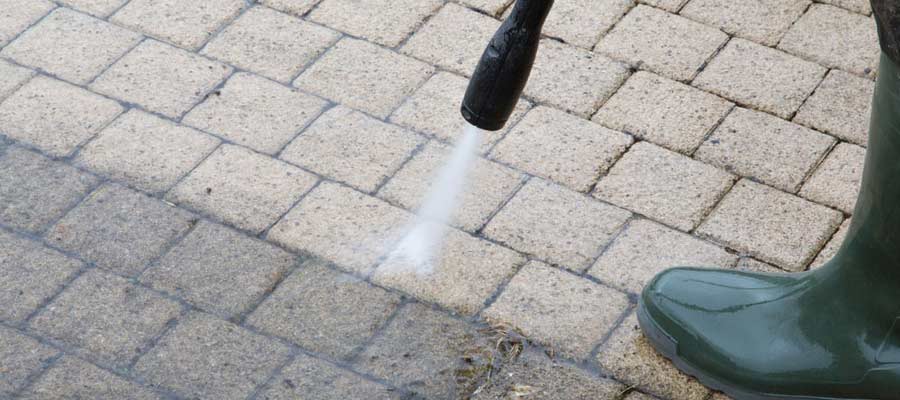
Protect delicate surfaces with professional travertine and natural stone cleaning services. From patios and walkways to pool decks and entryways, expert pressure washing removes dirt, algae, and buildup using safe methods. Proper care helps preserve stone integrity and long-term curb appeal.
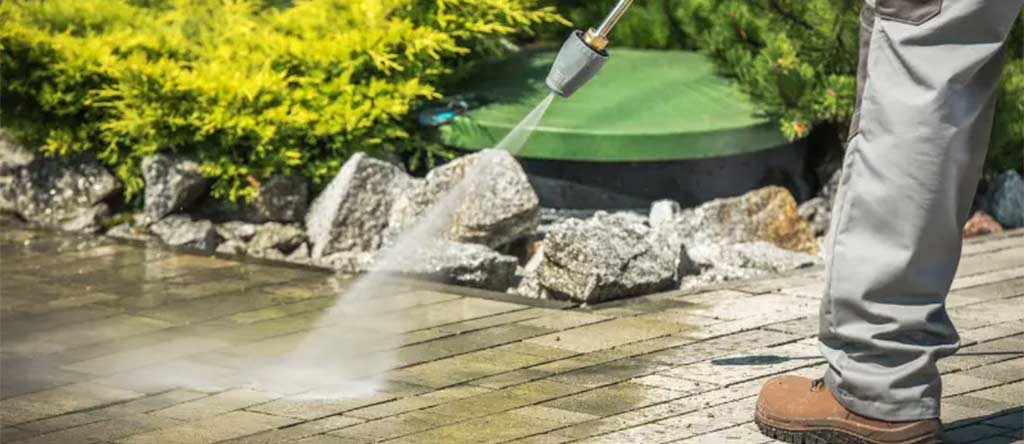
Stamped Concrete Cleaning
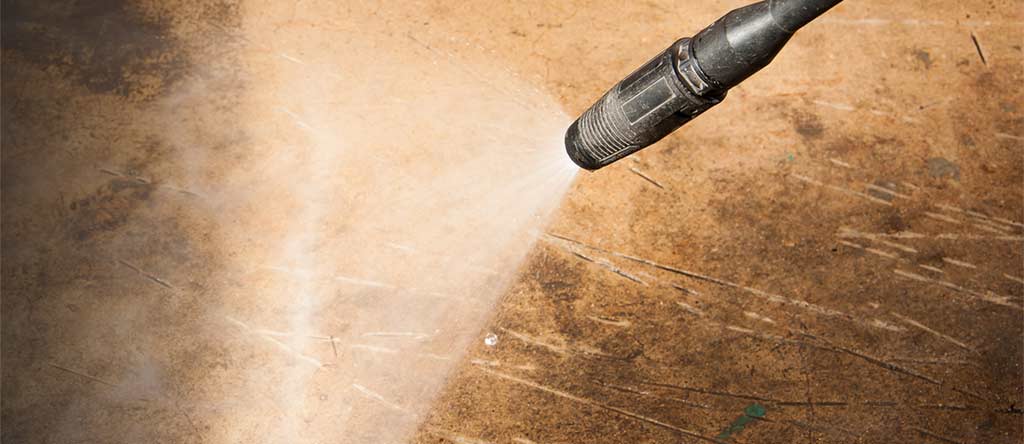
Restore the look of decorative surfaces with professional stamped concrete cleaning services. From patios and walkways to driveways and pool decks, expert pressure washing removes dirt, stains, and buildup without damaging the finish. Proper cleaning helps preserve appearance and extend surface life.
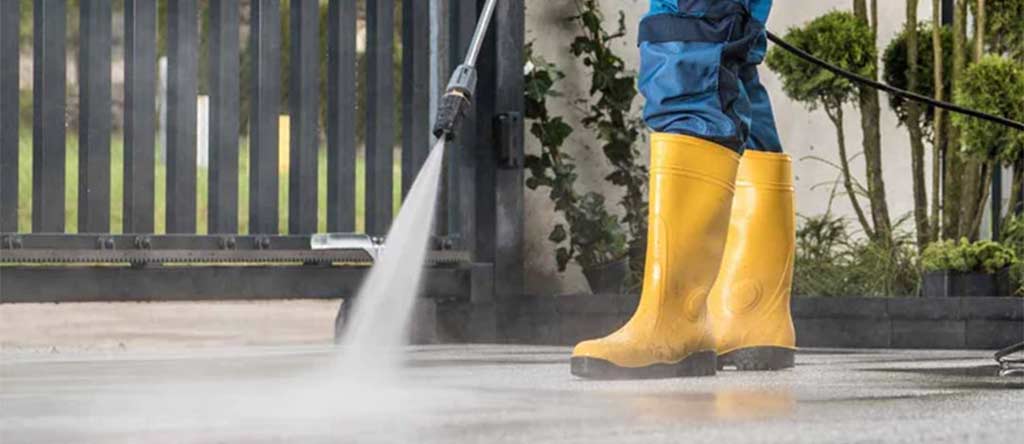
Sports Court Cleaning
Keep sports courts clean, safe, and playable with professional pressure washing services. From basketball and tennis courts to surrounding concrete areas, expert cleaning removes dirt, algae, and surface buildup effectively. Routine maintenance improves traction, appearance, and overall court performance.
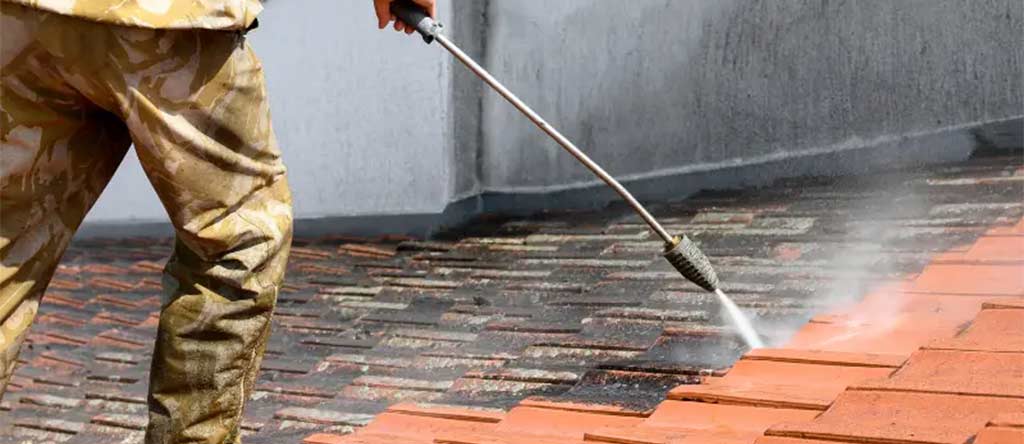
Retaining Wall Cleaning
Keep retaining walls looking clean and structurally sound with professional cleaning services. From concrete and stone walls to landscaped retaining systems, expert pressure washing removes dirt, algae, and buildup safely. Proper cleaning helps protect surfaces and maintain a polished property appearance.