
So here’s the thing about houses in Texas.
They get dirty. Really dirty. And it happens so gradually that most people don’t even notice until someone points it out or they see an old photo.
You’ve got humidity working against you pretty much year-round. Pollen shows up in spring and coats everything yellow-green for weeks. Dust blows in from construction sites and empty lots. Road film drifts up from the street. Algae starts creeping up the shady side of the house where the sun never really hits. Mildew finds those damp corners near the AC unit or under the eaves.
Month after month, layer after layer, it just accumulates. Then one afternoon you’re standing in the driveway, and you think: wait, when exactly did my house start looking like this? That’s not you being lazy. That’s just what happens here.
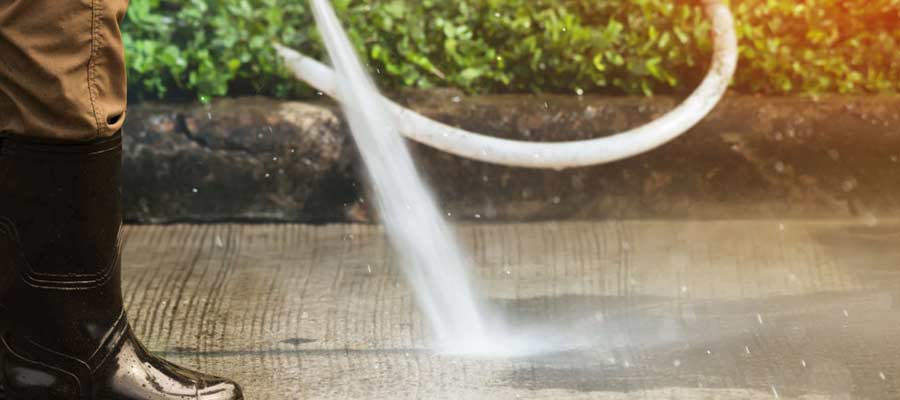
Pressure washing fixes it. And it fixes it fast. I’m talking about a professional crew making your whole exterior look genuinely newer in maybe three or four hours. Driveways go from dingy gray back to their actual color. Siding brightens up. Patios stop feeling gross when you walk on them barefoot.
I’ve been out on jobs in Spring and over in The Woodlands, where homeowners just stood there watching, kind of stunned at how much gunk was running off their concrete. They honestly had no clue it had gotten that awful. And look, that’s normal. You see your house every day. You stop noticing.
The real difference between hiring someone and renting a machine from the hardware store isn’t the power. It’s knowing what you’re doing. Which pressure setting won’t destroy your siding? Which soap actually kills algae without murdering your azaleas? It’s crucial to know how to apply the soap evenly across a surface to avoid creating unnatural stripes.
Get it right and your house looks fantastic. Get it wrong and you’ve got damaged paint, gouged wood, and a wasted Saturday. I’ve seen both.
Snapshot
| Factor | What to Know |
|---|---|
| Average cost | Somewhere between $0.15 and $0.40 per square foot |
| How long it lasts | Usually 9 to 18 months before things start looking rough again |
| Works well on | Siding, driveways, patios, decks, fences, swing sets |
| Texas factor | Heat plus pollen equals algae. Cleaning once a year helps a lot. |
| Green options | Biodegradable soaps and soft washing for sensitive surfaces |
Why This Actually Works
Water under pressure gets into places nothing else reaches. Think about it. Concrete isn’t smooth: it’s full of tiny pores. Brick has texture and mortar joints. Vinyl siding has overlapping seams. All those little gaps and grooves trap dirt, and once organic stuff like algae or mildew gets in there, it’s not coming out with a garden hose. You might get the top layer. The stuff hiding underneath? That stays put. And it keeps feeding whatever grows next.
Pressure washing blasts it out at the source. That’s why everything looks so much better and actually stays cleaner longer.
Speed matters too. A pro can cover a huge area evenly without stopping and starting. When people try to do this themselves, they almost always end up with streaks or these obvious lines where one pass met another. I’ve looked at driveways where you could literally trace the exact path someone walked while holding the wand. It’s… not ideal.
Done well, everything looks refreshed. No harsh chemicals needed. No hours of scrubbing. Water performs its natural function when applied correctly.
Getting Rid of the Stubborn Stuff
Driveways and sidewalks are basically collection plates for everything gross. Cars drip oil over the course of months and years. Rust marks from that old patio furniture. Dirt that got tracked across and then rained on and basically baked into the surface. Around Klein and Tomball, we get dust storms that leave a film on everything, and then spring rolls around, and suddenly every outdoor surface turns yellow-green from pollen. Throw in whatever the lawn guy’s mower kicks up, plus general weathering, and concrete darkens way faster than anybody expects.
I can’t tell you how many times I’ve worked on a driveway where the homeowner was convinced the stains were permanent. The homeowner had completely written off the stains as irreversible. And then we clean it, and the concrete underneath looks almost brand new. All that darkness was just accumulated crud that nobody had ever properly dealt with.
The trick is using the right pressure and the right spray pattern for whatever you’re cleaning. If you use excessive force, you risk causing damage to your surroundings. Too gentle and you’re just rinsing the surface without actually solving the problem. It’s not complicated once you know what you’re doing, but there’s definitely a learning curve.
Stopping Mold and Mildew Before They Take Over
Humidity around here is brutal on houses. In the Houston area (I’m talking Spring, Cypress, The Woodlands, all of it), moisture just hangs in the air for huge chunks of the year. North-facing walls barely see direct sun, so they stay damp. Shaded patios underneath trees never really dry out completely. That corner by the AC condenser where water drips? Perfect breeding ground.
Give it enough time and you’ve got algae, mildew, and that black-green stuff nobody can quite identify. First, it looks bad. Then surfaces get slippery. Then it starts smelling weird. Eventually (and I’ve actually seen this happen), mildew will start eating into paint and even into wood if you let it go long enough. Had a customer whose fence boards were basically rotting from mildew damage. Some of them had to be replaced entirely. All because nobody cleaned it for, like, five years.
Pressure washing strips all that growth out of the cracks and seams and textured spots where it hides. The house looks way better immediately, but more importantly, you’re creating an environment that’s actually pleasant to be around. Better for kids playing outside. Better for pets. Better for everyone.
Protecting What Your House Is Worth
Nobody thinks about this until they’re trying to sell. Your home picks up contaminants constantly. It’s happening right now while you’re reading this. Quietly, slowly, stuff is settling onto every exterior surface. Over years, that buildup causes fading. Paint starts breaking down. Wood can actually rot if moisture gets trapped against it. What starts as purely cosmetic turns into structural damage if it goes on forever.
Regular exterior cleaning slows all of that way down. Materials last longer. You push back the date when you’ll need to repaint or repair things. And your place keeps looking like someone actually takes care of it, which matters whether you’re planning to sell next month or you just don’t want to be the house on the block that everyone quietly judges.
Real estate agents in Klein have told me they specifically recommend pressure washing before listing. It’s one of those things that costs relatively little but makes a huge visual difference. Clean homes photograph better. They show better when buyers walk through. They feel newer even when they’re not.
It’s maintenance, basically. Same idea as getting your AC serviced or changing the oil in your car. You do it because protecting what you’ve invested in makes more sense than letting it fall apart.
Saving Yourself a Ton of Time
Have you ever tried to hand-scrub vinyl siding? It’s awful. You’re up on a ladder, arm getting tired, making slow progress that doesn’t even look that great when you step back. Fencing is somehow worse. And don’t even get me started on concrete driveways: you’ll spend multiple weekends with a brush making uneven progress, ending each day sore and frustrated, with results that still look kind of patchy.
Pressure washing handles the same square footage in a fraction of the time. We’re talking maybe a few hours for an entire house exterior instead of weekend after weekend of manual scrubbing. That time difference alone is why most people just call someone.
Two-story homes make it even more obvious. You’d need ladders, extension poles, and awkward angles where you can barely reach. It’s genuinely unsafe in a lot of situations. A professional shows up with equipment designed for exactly this, gets everything clean, including the high stuff, and nobody’s risking a fall off a ladder to scrub second-floor siding.
Options That Won’t Hurt Your Yard
The old way of doing this involved some pretty harsh chemicals. Modern pressure washing is different. A lot of jobs just use water (purified water in some cases) combined with soft washing techniques that rely on gentle pressure to do the work. When you do need soap or detergent, the good ones are biodegradable. They break down naturally without poisoning everything nearby.
This actually matters if you’ve put effort into your landscaping. Or if you have dogs that run around the backyard. Or if there’s a vegetable garden anywhere close to what’s being cleaned. You shouldn’t have to choose between a clean house and keeping your tomato plants alive.
Runoff is the other thing people worry about, and rightfully so. When you’re cleaning near a pool or a play area or anywhere that kids or pets hang out regularly, you want to know what’s going into the ground. Eco-friendly approaches keep that from being a concern.
Different Methods for Different Jobs
Not everything gets cleaned the same way. Standard pressure washing is the workhorse. It handles most dirt, mold, algae, and deep stains as long as the surface can take the pressure. Concrete driveways, brick patios, and most sidewalks: this is what works.
Soft washing dials way back on the pressure and lets detergent do the heavy lifting instead. That’s what you use on roofs, on older siding that might crack under pressure, and on painted surfaces where you don’t want to blast the finish off. Same cleaning result, gentler approach.
Hand scrubbing still has its place for small spots or detail work, but it doesn’t scale. Anything bigger than a few square feet and you’re just wasting time.
Chemical treatments work for specific problems like stubborn grease or rust, but you’ve got to know what you’re doing and rinse everything thoroughly afterward.
Most real jobs combine a few different approaches. You read the surface, figure out what it needs, and adjust. That’s the skill part.
What Makes the Price Go Up or Down
People always want to know what it’ll cost. Fair enough. Surface type is a big factor. Concrete is straightforward and usually cheaper to clean than stucco or wood siding or anything painted. Different materials need different handling.
How dirty things are matters a lot. Light dust is quick. Heavy algae buildup or years of oil stains means pre-treatment, more time, and more work. That shows up in the quote.
Total area is obvious: bigger spaces take longer. Not much to say there.
Where you live affects things too. Texas humidity means some houses genuinely need cleaning more often than homes in drier climates would. That’s just the deal here.
And equipment quality makes a real difference in results. Professional machines clean deeper and safer than the stuff you rent from a box store. There’s a reason for the price gap.
What Happens During a Professional Cleaning
The process is pretty straightforward once you’ve seen it. First the technician walks around and looks at everything. Checks what each surface is made of, notes any problem areas, and figures out the safest way to approach each part. Not every wall or driveway gets treated identically.
Then prep work. Anything delicate gets covered or moved: plants, outlets, decorations, whatever might get damaged or be in the way.
If there’s heavy buildup somewhere, that area gets pretreated with an appropriate cleaner. Let it soak in and start breaking things down before the water even hits.
Then the actual washing happens. Pressure adjusted for each surface, right nozzle selected, systematic coverage so nothing gets missed and nothing gets hit twice while other spots get skipped.
The final step is rinsing everything thoroughly and walking the property to check for any spots that need a second pass. Simple when you break it down. Consistent results when you do it right.
What’s Happening Locally
A few trends are worth mentioning in the Houston area. Eco-friendly cleaning keeps getting more popular. People want their houses clean, but they don’t want harsh chemicals around their kids or pets or gardens. Reasonable request.
Seasonal cleaning is becoming more common too. With the pollen we get plus the humidity, a lot of homeowners have just accepted that annual or even twice-yearly cleaning makes sense. It’s part of the maintenance calendar now.
And there’s been a noticeable uptick in people cleaning their exteriors before refinancing, before listing a home for sale, or before starting a remodel project. This is due to its quick improvement, relatively low cost, and significant visual impact. Makes sense.
FAQs
How often should I have my house pressure washed?
For most homes in Texas, somewhere between once a year and once every 18 months works well. If your house is heavily shaded or sits in a particularly humid spot, you might need to do it more often because those conditions really accelerate algae and mildew growth. Staying on top of it prevents the buildup from getting severe enough to cause real damage to paint or surfaces.
Can pressure washing mess up my siding?
It definitely can if someone uses too much pressure or aims wrong. That’s exactly why professionals turn the pressure down and switch to soft washing on siding that can’t handle the force. You let the cleaning solution do most of the work while water just rinses it away. Done correctly, siding comes out clean without anyone forcing water up behind the panels where it doesn’t belong.
What about painted surfaces: is that safe?
Yeah, as long as you use low-pressure methods. You’d never hit older or fragile paint with full pressure: that would peel it right off. Professionals check a small area first and dial in settings that clean the surface without stripping the finish. It’s all about matching the approach to what the surface can actually handle.
Do I have to be there while the work happens?
Not usually. As long as the crew can get to your outdoor water hookup and the property is reasonably prepped beforehand, they can do the whole job without you being around. A lot of people actually prefer it that way: they leave for work and come back to a clean house. You can always schedule a walkthrough afterward if you want to check everything in person.
Is this stuff bad for the environment?
Modern pressure washing is actually pretty eco-friendly. Most of the cleaning happens with just water. When soap or detergent is necessary, the good companies use biodegradable products that break down without hurting your landscaping or contaminating the soil. You get effective cleaning without dumping harsh chemicals all over your yard.
Blogs About Pressure Washing – Commercial Pressure Washing Service By Klein Pressure Washing in Spring, Texas!
Travertine and Natural Stone Cleaning
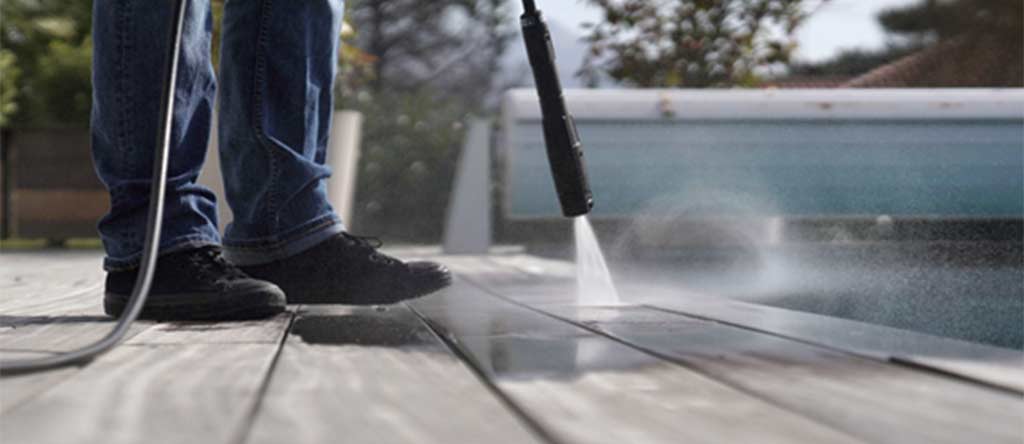
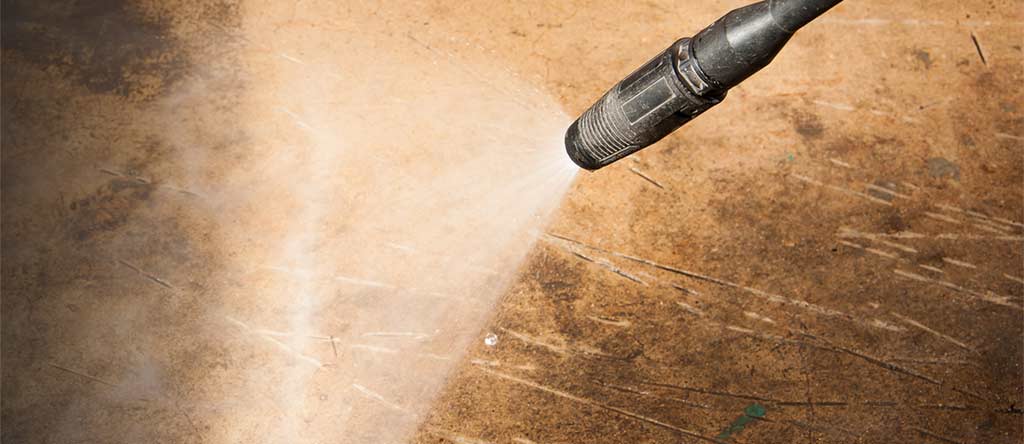
Protect delicate surfaces with professional travertine and natural stone cleaning services. From patios and walkways to pool decks and entryways, expert pressure washing removes dirt, algae, and buildup using safe methods. Proper care helps preserve stone integrity and long-term curb appeal.
Stamped Concrete Cleaning
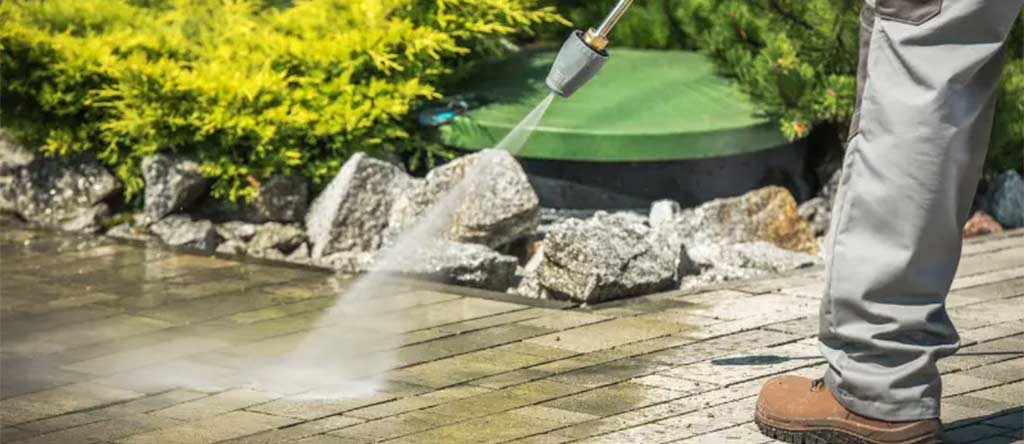
Restore the look of decorative surfaces with professional stamped concrete cleaning services. From patios and walkways to driveways and pool decks, expert pressure washing removes dirt, stains, and buildup without damaging the finish. Proper cleaning helps preserve appearance and extend surface life.
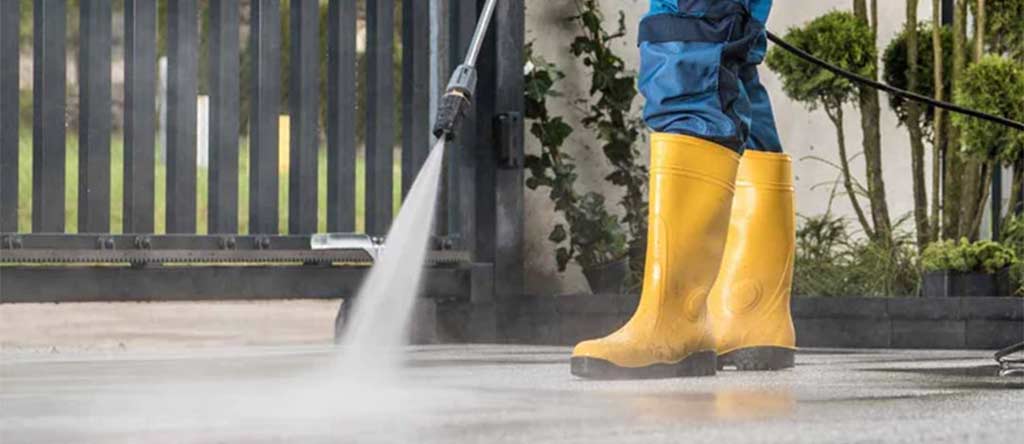
Sports Court Cleaning
Keep sports courts clean, safe, and playable with professional pressure washing services. From basketball and tennis courts to surrounding concrete areas, expert cleaning removes dirt, algae, and surface buildup effectively. Routine maintenance improves traction, appearance, and overall court performance.
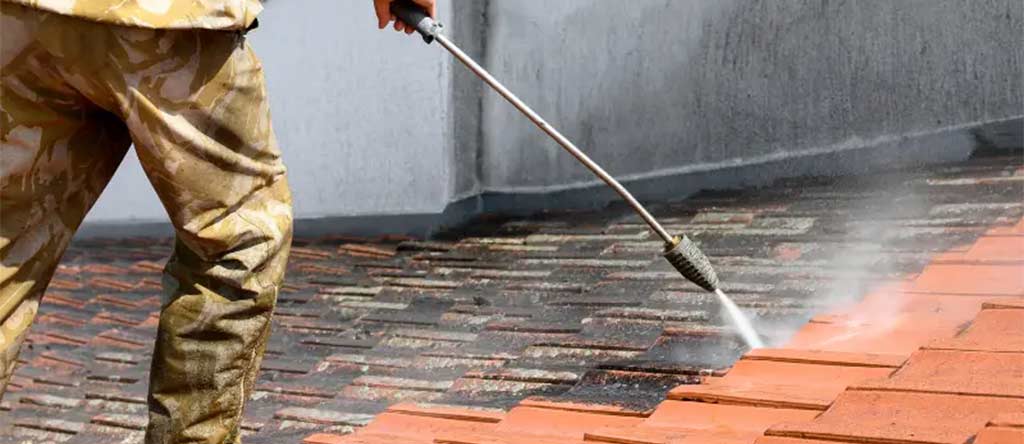
Retaining Wall Cleaning
Keep retaining walls looking clean and structurally sound with professional cleaning services. From concrete and stone walls to landscaped retaining systems, expert pressure washing removes dirt, algae, and buildup safely. Proper cleaning helps protect surfaces and maintain a polished property appearance.