
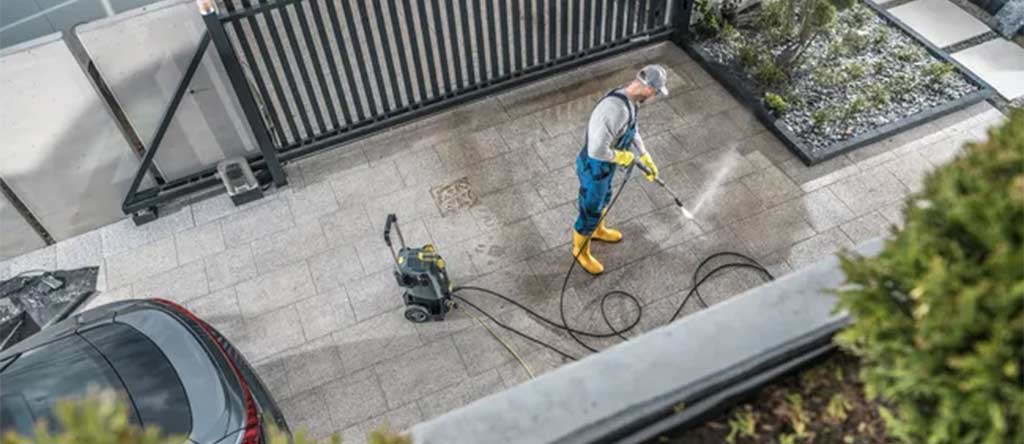
A woman named Natalie in The Woodlands called me last spring. She said her windows looked cloudy even though she wiped them down regularly. Streaks at sunset. She was unable to remove the haze from her windows.
“Can you pressure wash windows?” she asked. “Or is that going to crack the glass?”
Fair question. Windows are delicate. Pressure washers are powerful. Those two things don’t always mix well.
Truth is somewhere in the middle. Pressure washing windows can be completely safe when done correctly. But it requires the right pressure, right angles, and right technique. If any of these aspects are not handled correctly, it may result in cracked seals, damaged caulking, or water intrusion into your walls.
We washed Natalie’s windows with low pressure and proper distance. Crystal clear when we finished. No damage. No problems.
“I can actually see through them now,” she said. She expressed that she had forgotten the experience.
Snapshot
| Factor | What to Know |
| Professional cost | $150 to $350 for exterior window washing |
| DIY cost | $50 to $150 depending on supplies |
| Window lifespan | 15 to 20 years. Regular cleaning helps extend life. |
| Cleaning frequency | Once or twice per year for most homes |
| Texas factor | Dust, pollen, and heavy rain increase cleaning frequency |
Why Cleaning Windows Matters More Than You Think
Clean glass lets in more natural light. It enhances the brightness of your home. More open. But there’s also a practical side.
Dust, mineral deposits, and algae slowly bond to window glass. Sit too long, and they leave behind faint stains. Dull areas that are harder to remove later. Frames and seals trap moisture when grime builds up around them. This leads to a reduction in the window’s lifespan.
Window washing may seem cosmetic. It does help protect your investment. Homeowners usually notice the difference most at sunrise and sunset. That’s when streaks and haze become impossible to ignore.
A guy in Spring named Earl didn’t think his windows were that dirty. Then one evening he sat in his living room facing west. Sun came through the glass. Streaks everywhere. He hadn’t previously noticed the film.
“I thought it was just the angle,” Earl said. “Turns out the windows were filthy.”
We cleaned them. The next sunset he called back. He said, “It feels like a different house.”
Clean windows make a bigger difference than people expect.
Can Pressure Washing Damage Windows
Yes. It can. If the wrong approach is used.
Pressure washing equipment is powerful. Windows are one of the more delicate surfaces on the exterior of a home. Too much pressure can crack glass. Blow out old caulking. Force water into walls and interior cavities.
Narrow nozzles are especially risky. Concentrate the force in a very small area. That’s how cracks happen.
However. When pressure is reduced, spray angles are widened, and the operator keeps a safe distance from the glass, pressure washing can be a quick and effective way to rinse away stubborn grime.
The goal isn’t to blast dirt away. It’s to gently rinse while letting cleaning solutions and water do most of the work.
A homeowner in Cypress named Greg tried to pressure wash his windows. Rental machine. Greg was unaware of the importance of nozzle selection and distance.
The seal on a large picture window was cracked. Water got inside the double pane. Fogged up permanently.
The entire window needed to be replaced. Cost more than a year of professional cleanings would have.
“I was trying to save money,” Greg said. “Didn’t save anything.”
Windows need gentler treatment than most surfaces. Not everyone realizes that.
Safe Pressure Washing Guidelines for Windows
Use the lowest pressure setting possible. Windows don’t need heavy force. Low pressure plus proper cleaning solution does the work.
Keep the spray at least two to three feet from the glass surface. Closer than that concentrates too much force.
Use a wide-angle nozzle so pressure spreads out safely. A forty-degree tip is standard for windows.
Never spray directly at seals or edges of window frames. That’s where damage happens most.
Test a small corner before cleaning the full pane. Make sure pressure and distance are right.
Work calmly and slowly. Rushing causes streaking and missed spots. Patience produces better results.
Pressure Washing vs Traditional Window Cleaning
Hand-cleaning with a squeegee works very well. This method is particularly effective for cleaning the interior of the house or glass located at ground level. But once you move to second-story windows, hard-to-reach panes, or large window walls, the job becomes more difficult.
That’s where pressure washing and water-fed pole systems come in. Both methods allow windows to be cleaned from the ground. This method is both safer and faster than climbing ladders to clean every window pane.
Pressure washing is typically the fastest method for exterior glass. This method not only eliminates loose dirt, mildew, and pollen buildup, but also thoroughly rinses the frames and surrounding siding. Water-fed poles use purified water to reduce spotting. Many professionals combine methods.
What Affects the Final Result
Pressure level matters. Too low leaves film. A high pressure level increases the risk of cracks. The ideal range lies somewhere in the middle.
Nozzle angle matters. A wide spray protects glass surfaces. A narrow spray concentrates force dangerously.
Frame material matters. Vinyl, aluminum, and wood react differently to moisture. Wood needs the most careful treatment.
Weather matters. Cloudy days give the best streak-free finish. Direct sunlight dries solutions too fast.
Water type matters. Hard water can leave mineral spotting without proper rinsing.
A big part of a successful finish is patience. Quick passes leave streaks. Even overlapping motions give glass a clean, uniform look.
A couple in Klein named Warren and Janet put us on their calendar twice a year. The first appointment takes place in spring, following the pollen season. They also schedule a visit in the fall, once the dust has settled.
“Windows always look good,” Janet said. “Never get to the point where they look bad.”
Smart approach. Maintaining them is easier than recovering from them. It costs less in the long run, too.
FAQs
Can older windows be pressure washed?
Yes, but older seals and wooden frames require lower pressure and extra caution. Professionals may choose soft washing or hand-cleaning for fragile windows.
How often should windows be washed?
Most homes do well with once- or twice-yearly cleaning. Homes near busy roads, trees, or dirt fields may need more frequent service.
Can pressure washing remove hard-water stains?
Depends. Light mineral spotting often washes off. Deep-set stains sometimes need special cleaners or polishing techniques.
Will window washing help with energy efficiency?
Indirectly, yes. Clean windows allow more natural light inside. It also lessens the necessity for artificial lighting during the day.
Is hiring a professional worth it?
For most homeowners, particularly those with second-story glass, the answer is definitely yes. Professionals balance cleaning strength with safety. Professionals ensure reliable results without posing any risk to the glass or frame.
Why Klein Pressure Washing
We clean windows across Spring, Klein, The Woodlands, Cypress, and greater Houston. Twenty years doing this. First floor. Second floor. Picture windows. All of it.
We treat windows as one of the most sensitive parts of your home. Safe, balanced cleaning methods. Protect glass, seals, and frames while removing buildup that clouds your view.
Natalie can actually see through her windows now. Earl’s sunsets look different. Greg discovered firsthand that DIY projects don’t always result in cost savings. Warren and Janet never let their windows get bad in the first place.
Want bright, streak-free windows without the risk or hassle? Call us. We’ll do it right.
Blogs Related to Power Washing – Gutter Exterior Cleaning Service By Klein Pressure Washing in Montgomery County, TX!

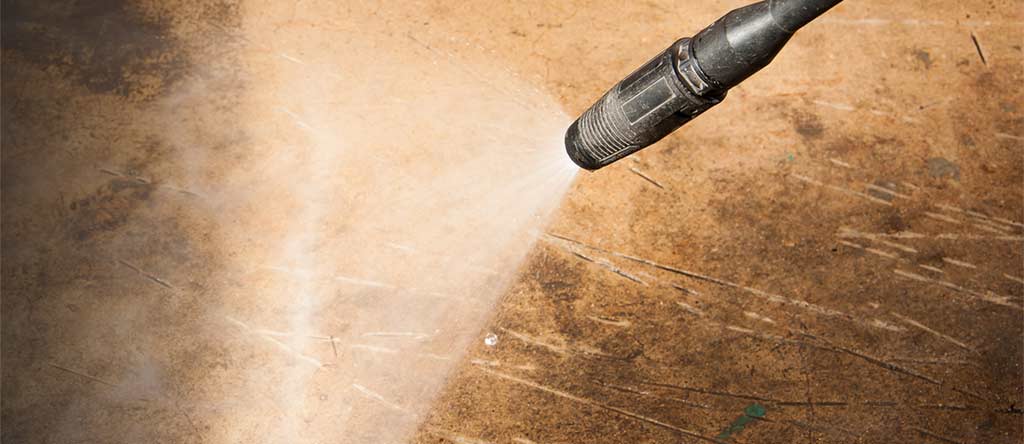
Travertine and Natural Stone Cleaning
Protect delicate surfaces with professional travertine and natural stone cleaning services. From patios and walkways to pool decks and entryways, expert pressure washing removes dirt, algae, and buildup using safe methods. Proper care helps preserve stone integrity and long-term curb appeal.
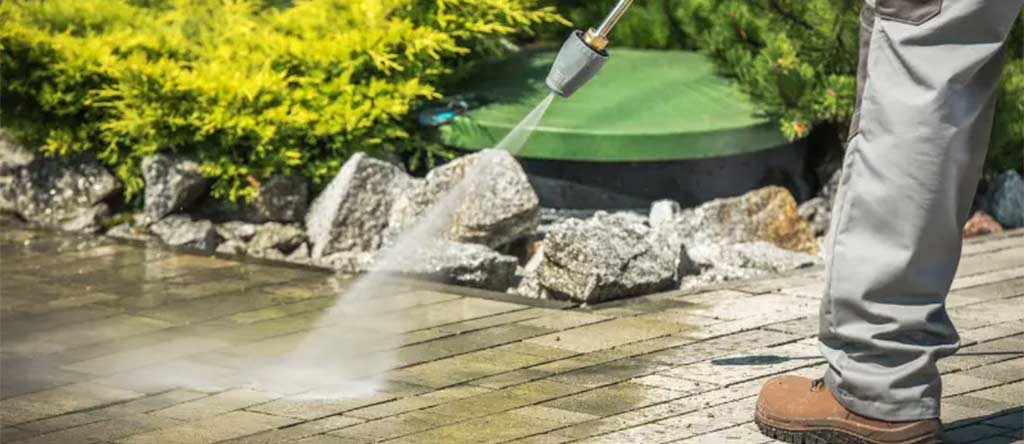
Stamped Concrete Cleaning
Restore the look of decorative surfaces with professional stamped concrete cleaning services. From patios and walkways to driveways and pool decks, expert pressure washing removes dirt, stains, and buildup without damaging the finish. Proper cleaning helps preserve appearance and extend surface life.
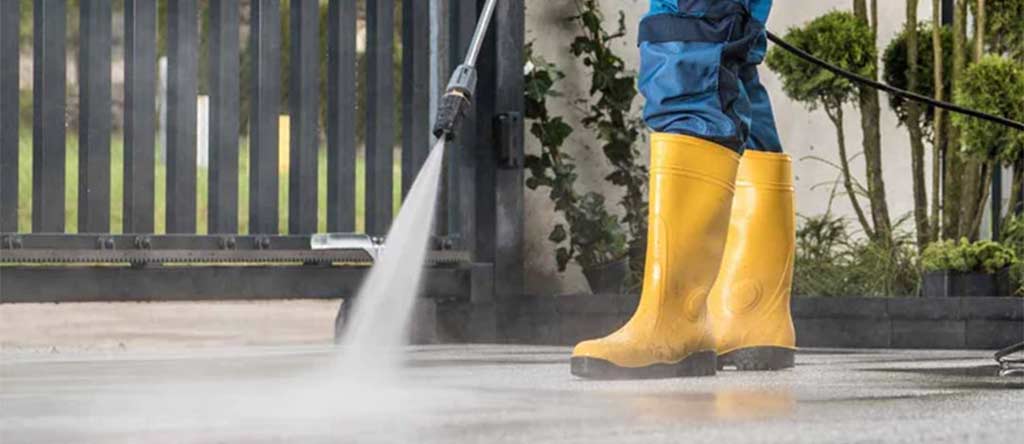
Sports Court Cleaning
Keep sports courts clean, safe, and playable with professional pressure washing services. From basketball and tennis courts to surrounding concrete areas, expert cleaning removes dirt, algae, and surface buildup effectively. Routine maintenance improves traction, appearance, and overall court performance.
Retaining Wall Cleaning
Keep retaining walls looking clean and structurally sound with professional cleaning services. From concrete and stone walls to landscaped retaining systems, expert pressure washing removes dirt, algae, and buildup safely. Proper cleaning helps protect surfaces and maintain a polished property appearance.