
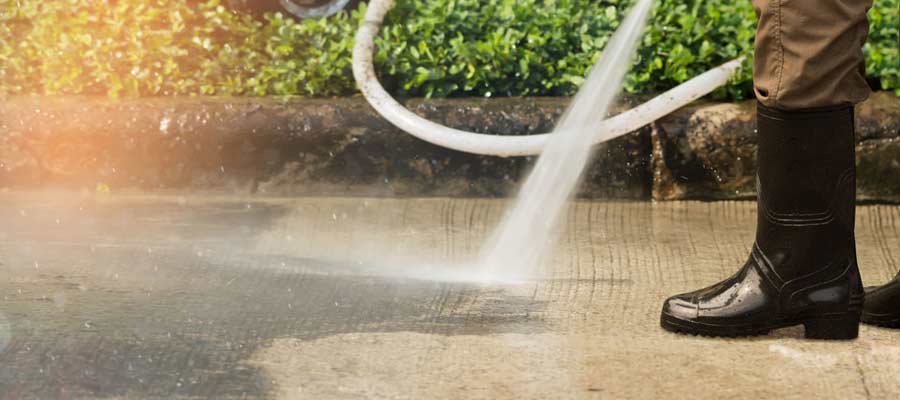
A guy named Marcus in The Woodlands rented a pressure washer last summer. Marcus believed he could clean his patio on his own. Concrete with some flagstone edging. It should be easy.
Two hours later he had clean concrete with visible stripes. The flagstone appeared dull in the areas where he had been too aggressive with the nozzle.
“I thought more pressure meant better results,” Marcus told me. “Now my patio looks worse than before I started.”
Common mistake. Different surfaces need different approaches. Concrete is forgiving. Brick, stone, and wood are not.
This guide covers how to clean each one without causing the kind of damage Marcus ended up with.
Snapshot
| Factor | What to Know |
| Cleaning frequency | Every 12 to 18 months. Sooner if shaded or damp. |
| DIY cost | $40 to $120 for detergent and water if you have equipment |
| Professional cost | $0.25 to $0.45 per square foot depending on surface and buildup |
| Best weather | Dry, mild, low wind |
| Texas factor | Humidity plus pollen equals faster algae, especially north-facing areas |
Why Power Washing Matters in Texas
Patios in Texas endure a harsh environment. Dust. Pollen. Humidity. Sprinklers. Shaded areas. All of these factors combine to create that dull film. In the wrong spot it turns into slippery algae that feels like walking on soap.
Cleaning isn’t just about looks. Reduces slip hazards. Slows down staining. It prevents dirt from adhering to porous surfaces.
The longer you wait, the more you end up scrubbing. Or turning up pressure. Which is where people get into trouble.
Power Washing Concrete Step by Step
Concrete is durable. But it is still possible to etch it. This is especially true when using a tight nozzle or staying in one spot to combat stains.
First, prep the area. Move furniture, grills, planters, and toys. Sweep loose debris so you’re not grinding grit into the surface as you wash. Check for cracks or flaky spots. High pressure can worsen weak edges. Sometimes it’s smarter to clean gently now and address repairs later.
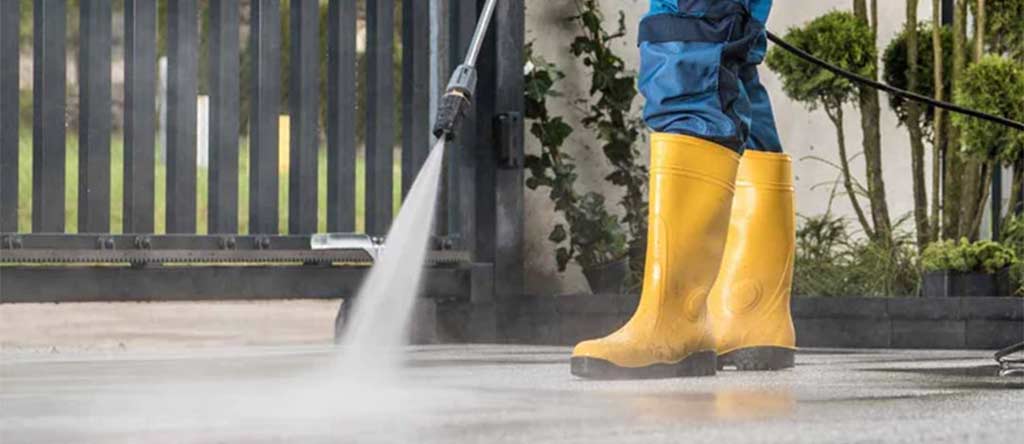
Set up equipment. Hook up the garden hose. Confirm decent water flow. Choose a nozzle that won’t carve. A 25-degree tip is a good starting point for most concrete. If using detergent, make sure it’s concrete-safe and meant for pressure washers.
Test in a corner first. Start about a foot away from the surface. Grime lifts with steady passes? Good. Have to creep closer? Do it slowly. The two-inches-away approach is how etched lines are born.
Work in wide overlapping passes. Keep the wand moving at a consistent pace. Stop and stare at your progress? Keep the trigger off while you admire it.
Are there any stubborn marks such as rust, grease, or tire scuffs? Better results from pre-treating and lightly scrubbing than cranking pressure. The surface cleaner attachment helps keep things even on larger patios.
Rinse with a wider nozzle. 40 degrees usually. Residue left behind looks like streaks once dry. Let the patio air-dry completely before putting furniture back.
A homeowner in Spring named Diane cleaned her concrete patio herself following this approach. Took her time. Tested first. Kept a consistent distance.
Diane commented, “I looked professional when I finished.” “No stripes. No damage. Just clean concrete.”
Patience makes the difference on concrete.
How to Wash Brick Patios
Brick is porous. The weak point is the mortar joints. Moss and algae love the moisture the brick holds. But blasting too severely chips brick faces or washes out mortar.
Use low to medium pressure. Use a pressure of approximately 1,000 to 1,500 PSI. 25-degree nozzle. Keep 12 to 18 inches from the surface. Use brick-safe detergent for deeper organic growth. Rinse thoroughly to protect mortar.
If you see mortar crumbling already, slow down. Brick patios reward patience more than power.
A couple in Cypress named Tony and Gina inherited a brick patio when they bought their house. Covered in moss. Looked terrible.
Tony went at it with a rental washer set too high. There were a dozen spots where the mortar was washed out. Tony was forced to bear the cost of repointing the mortar afterwards.
“It cost more to fix the damage than hiring someone would’ve,” Tony admitted.
Brick needs respect. Lower pressure. More patience.
How to Wash Stone Patios
Natural stone varies a lot. Hard stone tolerates more pressure. Soft stone like limestone needs gentler treatment. Start lower than you think. Adjust up only if needed.
Start with approximately 2,000 PSI and use a 25-degree nozzle. Sweep first so grit doesn’t scratch. Rinse until detergent residue is completely gone.
If stone is decorative or sealed, treat it like a finish you’re trying to protect. Because you are.
Marcus’s flagstone edging got dull because he used the same pressure he’d been using on concrete. Different material. Needed a different approach. Lesson learned the hard way.
How to Wash Wood Decks and Patios
Wood is the most sensitive surface. Too much pressure raises fibers. Causes splintering. Leaves a fuzzy look that’s a pain to fix.
Very low pressure. 500 to 600 PSI or lower. 40-degree fan nozzle. Wand at least 12 inches back. Pre-wet wood before applying detergent. Rinse gently. Allow full drying. Many wood patios benefit from resealing after cleaning.
Ever seen a deck look hairy after pressure washing? That’s exactly what we’re avoiding.
A woman in Klein named Valerie has a cedar deck attached to her patio. Valerie contacted us following her observation of a neighbor’s deck, which had been severely damaged by aggressive pressure washing.
We soft washed it. Low pressure. Right detergent. Came out beautiful. No raised grain. No fussing.
Valerie remarked, “It’s a stark contrast to what happened next door.” “I’m glad I didn’t try it myself,” she said.
Wood needs soft washing. Not blasting.
What Affects Power Washing Results
Two patios of the same size can be cleaned completely differently. Results come down to a handful of factors.
Soil level matters. Heavy algae, grease, or mildew needs more dwell time. Often, more than one pass is required.
Surface type matters. Concrete is usually faster. Brick and wood need a gentler, slower approach.
Water quality matters. Hard water common in Texas areas can leave mineral spotting if rinsing is rushed.
Weather matters. Warm and humid conditions accelerate organic growth. Patios here need cleaning more often than in drier climates.
Equipment matters. Professional units deliver consistent pressure and better chemical application. Helps avoid stripping.
DIY vs Professional Power Washing
DIY can be fine for light maintenance. Are you dealing with slippery algae, deep staining, or delicate materials? The cheaper route can get expensive fast.
DIY has a lower upfront cost. Good for light cleaning. The learning curve is real, though. Nozzles, distance, pace. There is a significant chance of surface damage or streaking. Home units often struggle with deep organic growth.
Professionals give more even, consistent results. Professionals are known for their superior treatment of algae and deep staining. This is achieved through the use of commercial detergents and superior application tools. Lower risk of etching or striping. This method not only saves hours of labor but also typically leads to a reduction in frustration.
Diane did fine on her concrete because she was patient and careful. Tony damaged his brick because he lacked patience and care. Marcus striped his concrete and dulled his stone. Know your limits.
FAQs
How often should I power wash concrete?
In Texas, it is recommended to power wash concrete every 12 to 18 months. Patios that are shaded or located near sprinklers require power washing more frequently. Algae grows fast in humid conditions.
Can power washing damage concrete?
Yes. If the pressure is too high, the nozzle is incorrect, or the wand is held too closely in one spot, it can damage the concrete. Are you using the correct nozzle, maintaining the correct distance, and making steady passes? Safe. No etching.
Should I seal concrete after washing?
Sealing the concrete aids in its resistance to staining and moisture. Makes future cleanings easier. This is particularly beneficial in Texas, as the heat and humidity accelerate surface deterioration.
Is bleach safe for patios?
Not ideal. Harms landscaping. Leaves residue. May shorten equipment life. Patio-safe detergent designed for pressure washers works better and rinses cleaner.
Can painted or coated patios be washed?
Yes, but only low pressure and a wide spray pattern. Don’t want to peel the coating. Test a hidden area first.
Why Klein Pressure Washing
We clean patios across Spring, Klein, The Woodlands, Cypress, and greater Houston. Twenty years. Concrete. Brick. Stone. Wood. All of it.
We match techniques to surfaces. We ensure that the right pressure is applied to each material. Right detergent. No stripes. No damage. No fuzzy wood grain.
Marcus called us to fix his patio after the rental washer disaster. We evened out the concrete and restored the flagstone. Although it took some time, the patio now looks correct.
“Should’ve called you first,” he said.
Most people say that. Be different. Call us before you start. We’ll tell you what your patio needs and give you a fair price.
Blog Posts About Power Washing – Warehouse & Industrial Cleaning Service By Klein Pressure Washing in Sugar Land, Texas.
Travertine and Natural Stone Cleaning
Protect delicate surfaces with professional travertine and natural stone cleaning services. From patios and walkways to pool decks and entryways, expert pressure washing removes dirt, algae, and buildup using safe methods. Proper care helps preserve stone integrity and long-term curb appeal.
Stamped Concrete Cleaning
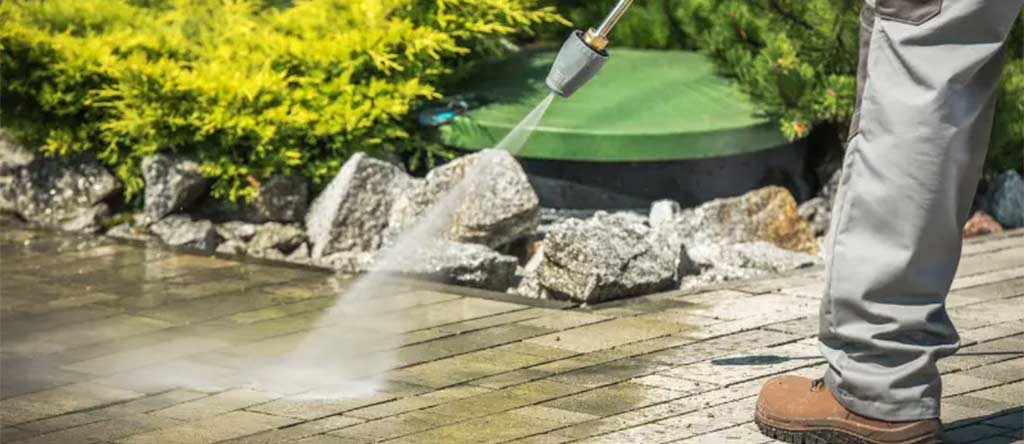
Restore the look of decorative surfaces with professional stamped concrete cleaning services. From patios and walkways to driveways and pool decks, expert pressure washing removes dirt, stains, and buildup without damaging the finish. Proper cleaning helps preserve appearance and extend surface life.
Sports Court Cleaning
Keep sports courts clean, safe, and playable with professional pressure washing services. From basketball and tennis courts to surrounding concrete areas, expert cleaning removes dirt, algae, and surface buildup effectively. Routine maintenance improves traction, appearance, and overall court performance.
Retaining Wall Cleaning
Keep retaining walls looking clean and structurally sound with professional cleaning services. From concrete and stone walls to landscaped retaining systems, expert pressure washing removes dirt, algae, and buildup safely. Proper cleaning helps protect surfaces and maintain a polished property appearance.