
Guy I know named Paul has a house in The Woodlands with a long concrete driveway. Maybe 80 feet from the street to his garage. Nice house, well-maintained, but that driveway sat under a canopy of oak trees that blocked most of the direct sunlight.
Perfect conditions for algae. Absolutely perfect.
By the time Paul called me, his driveway had turned green. Not just a little discoloration—full-on green film covering most of the concrete. Slippery when wet. His wife nearly fell walking to her car one morning after it rained. That’s when he decided something had to be done.
“I tried scrubbing it with bleach and a brush,” he told me. “Spent an entire Saturday on my hands and knees. Got maybe 20 feet done before I gave up. The green just came right back in a few weeks anyway.”
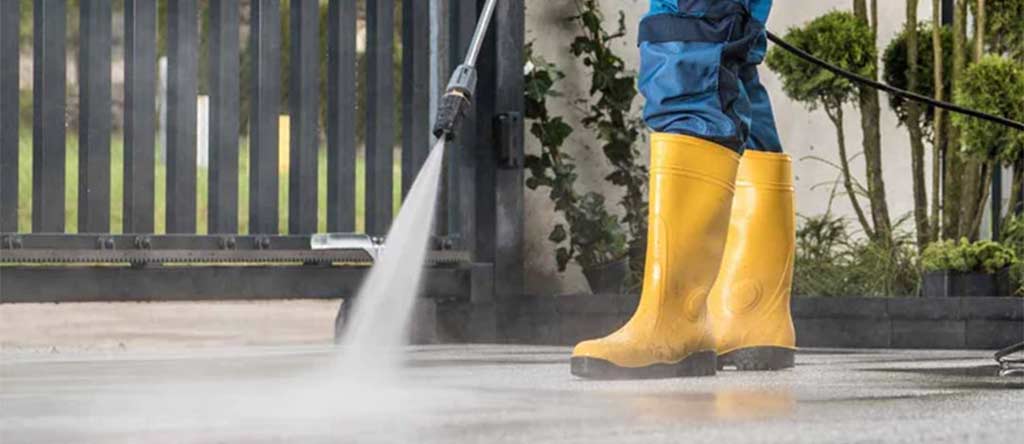
We pressure washed that driveway in about two hours. All 80 feet. Green film gone. Concrete looked like it did when they poured it. Paul stood there staring at it afterward like he’d forgotten what color his driveway was supposed to be.
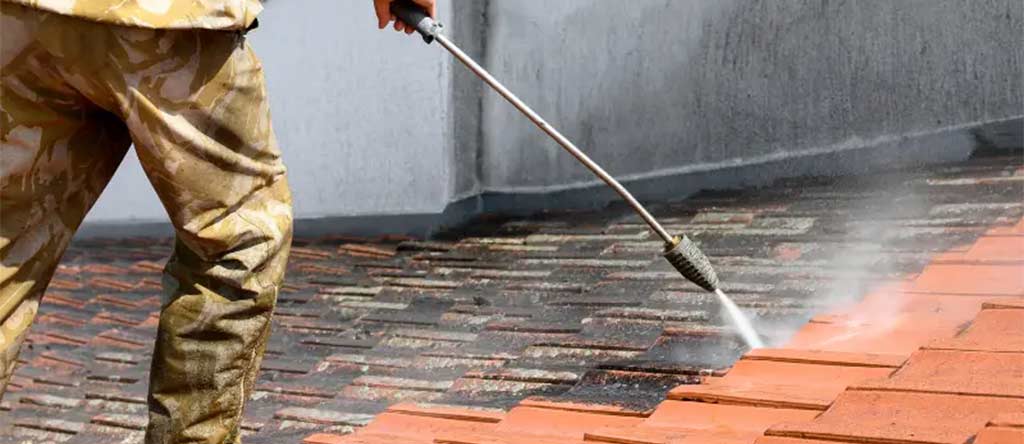
Short answer to the question: yes, a pressure washer can remove algae from concrete. Not just remove it—blast it out of the tiny pores where it likes to hide and regrow. When done properly with the right tips, pressure levels, and technique, pressure washing is hands-down the most effective way to deal with algae on concrete surfaces.
Quick Facts: Algae Removal from Concrete
| Factor | Details |
| Removal Difficulty | Moderate to heavy depending on shade, moisture, and how long it’s been growing |
| Best Method | Pressure washing with 15° or 25° nozzle; 2,500–3,000 PSI for most residential concrete |
| DIY Rental Cost | $40–$120 for pressure washer rental |
| Professional Cost | $0.25–$0.45 per square foot in Houston area |
| Best Seasons | Spring and fall for moderate temperatures; summer works but hot concrete dries fast |
| Houston Factor | Algae often returns within 6–12 months due to humidity and sprinkler overspray |
Why Algae Clings So Strongly to Concrete
Concrete looks solid. It’s not. Under a microscope, concrete is full of tiny pits and pores. Those pores hold moisture. Dirt. Pollen. Organic debris. Everything algae needs to thrive.
Once algae finds those pores, it moves in permanently. Sends roots into the surface. Forms a slick biofilm on top that gets dangerously slippery when wet.
Driveways. Patios. Pool decks. Sidewalks. Anywhere that stays damp and shaded becomes an algae farm. Houston specializes in damp and shaded.
A homeowner in Spring—woman named Michelle with a beautiful backyard patio—told me she didn’t even realize how bad the algae had gotten until her mother-in-law slipped on it during a family barbecue. Went down hard. Scared everyone.
“I thought it was just normal discoloration,” Michelle said afterward. “I didn’t know it was a safety hazard.”
It is. Algae-covered concrete is a slip-and-fall lawsuit waiting to happen. Or just a broken hip if it’s your own family. Same outcome either way.
Pressure washing works because the water stream breaks algae’s grip on the surface and flushes those pores clean. Doesn’t just remove the top layer—actually cleans out where the algae lives. That’s why it works better than scrubbing. Scrubbing only addresses what you can see.
Equipment, Nozzles, and Safe Pressure Settings
Preparation matters. Move vehicles, furniture, toys, planters, doormats—anything sitting on the concrete. Sweep loose debris. Protect nearby plants if you’re using detergent.
Basic stuff. People skip it and regret it.
Nozzle Selection
Most professionals use a 15° (yellow) or 25° (green) tip for algae removal on concrete. These angles balance cleaning power with coverage area. Narrow enough to blast algae loose. Wide enough to avoid etching lines into the surface.
The 0° red tip? Too aggressive. Creates visible lines in concrete. Permanent lines. Save that for cutting through grease or stripping paint—not general cleaning.
The 40° white tip? Too gentle for algae that’s really dug in. Works for rinsing. Not cleaning.
Pressure Settings
Concrete handles more pressure than most exterior surfaces. That’s one of its advantages. For algae removal, 2,500–3,000 PSI works well on most residential driveways and patios. Commercial concrete can handle more.
Start farther away from the surface—maybe 12–18 inches—and slowly move closer until you find the sweet spot. Algae comes off cleanly. No marks left behind. Every concrete surface is different. Age matters. Condition matters. Test as you go.
Electric vs. Gas Machines
Electric pressure washers work fine for light algae on small areas. Convenient. Quiet. Limited power. That’s the tradeoff.
Gas-powered units deliver more pressure and volume. Better for heavy algae buildup, large driveways, or commercial work. Louder. More expensive to rent. Worth it for serious jobs.
A property manager in Cypress—guy named Andre who oversees maybe 40 rental properties—told me he used to use an electric washer for driveway cleanings.
“Took forever. Three, four hours per driveway. Switched to gas and now I’m done in under an hour.”
Time is money for Andre. Probably for you too.
Do You Need Chemicals to Remove Algae?
Not always. Pressure alone removes most algae growth, especially if it hasn’t been there long. Fresh green film? Pressure washer handles it. No chemicals needed.
Older growth is different. Algae that’s been establishing itself for months or years bonds tighter to the concrete. Roots deeper into those pores. Detergent helps loosen that bond before you hit it with pressure. Makes the job easier. Reduces the need for extreme force.
Mild, concrete-safe detergents work well. Biodegradable formulas designed for algae removal. Available at most hardware stores. Apply, let it sit 5–10 minutes, then pressure wash.
The chemical does the loosening. The pressure does the removal. Two-step process.
Caution with chemicals: over-concentrated solutions can affect nearby plants or discolor decorative concrete. More isn’t better. Follow directions. Protect landscaping. Rinse thoroughly when done.
How Concrete Compares to Other Surfaces
Concrete is one of the most pressure-washer-friendly materials around. Handles higher pressure than almost any other residential surface. That’s why it’s the go-to method for driveways and patios.
Other surfaces need different approaches:
| Surface | Pressure Tolerance | Notes |
| Concrete | High (2,500–3,500 PSI) | Most durable; ideal for pressure washing |
| Brick/Pavers | Moderate (1,000–2,000 PSI) | Joint sand can wash out; need careful technique |
| Wood Decking | Low (500–1,200 PSI) | Soft; damages easily; often needs soft washing |
| Vinyl Siding | Low (1,000–1,500 PSI) | Can crack or dent; water intrusion risk |
| Asphalt | Moderate (2,000–2,500 PSI) | Surface can erode if too aggressive |
Concrete’s durability is why pressure washing is the default method for algae removal on driveways and patios. Other surfaces need more finesse.
What Affects Your Cleaning Results
Not all algae removal jobs are equal. Some driveways clean in an hour. Others take all afternoon. Several factors determine how easy or difficult yours will be:
- Humidity and shade – Damp, shaded spots grow algae fastest. North-facing driveways. Under trees. Near sprinkler zones. Heaviest growth. Most work.
- Concrete texture – Smooth-finished concrete cleans easier than rough broom finishes. Broom texture has more grooves for algae to hide in. Takes more passes.
- Equipment power – Electric washers handle light algae. Heavy buildup needs gas-powered units. More pressure. More water volume. Right tool for the job.
- Age of growth – Fresh algae comes off easily. Old growth that’s been establishing for months bonds tighter. May need detergent. May need multiple passes.
- Operator technique – Too little pressure won’t work. Too much can etch. Moving too fast misses spots. Moving too slow creates lines. Technique matters more than people think.
Step-by-Step Algae Removal Process
Here’s the professional approach. Follow these steps and you’ll get professional results:
- Clear and prep – Move everything off the concrete. Vehicles. Furniture. Planters. Mats. Sweep loose debris. Cover nearby plants if using detergent.
- Initial rinse at low pressure – Knock off loose dirt and surface debris. Get the concrete wet. This loosens the algae layer before the real cleaning starts.
- Apply detergent if needed – Heavy or old growth? Spray on concrete-safe algae remover. Let it sit 5–10 minutes. Don’t let it dry on the surface.
- Switch to 15° or 25° tip – This is where real cleaning happens. Slow, steady passes. Overlap each pass slightly. Avoid missing strips.
- Maintain consistent technique – Nozzle 8–12 inches from surface. Steady pace. Don’t linger in one spot. Let pressure do the work.
- Rinse thoroughly – Once algae is gone, switch to wider nozzle. Rinse entire surface. Remove all detergent residue and loosened debris.
- Allow to dry completely – Don’t walk or park on wet concrete. Give it several hours. Houston humidity? Might take longer than you’d expect.
Preventing Algae from Coming Back
Algae will return. That’s just reality in Houston’s climate. Moisture plus shade equals algae. Can’t change that equation.
But you can slow regrowth. Make future cleanings easier:
- Seal the concrete – Quality sealer fills those pores where algae roots. Makes surface less hospitable. Algae can still grow on top, but doesn’t bond as strongly. Easier to remove next time.
- Improve drainage – Standing water accelerates growth. Fix low spots that hold puddles. Redirect downspouts away from concrete. Keep water moving off the surface.
- Adjust sprinkler overspray – Irrigation that constantly wets concrete creates ideal algae conditions. Adjust heads. Minimize overspray onto driveways and patios.
- Trim overhanging trees – More sunlight means faster drying after rain. Less shade means less algae-friendly conditions. Even partial improvement helps.
- Plan for regular maintenance – Many Houston homeowners just accept annual cleaning as part of property ownership. Easier to remove light growth yearly than heavy buildup every few years.
Houston-Area Algae Challenges
Texas climate creates perfect algae conditions. Literally perfect. Understanding local factors helps you manage the problem:
- Humidity – Houston’s humidity is legendary. Moisture in the air keeps surfaces damp longer, even without rain. Properties in Spring, The Woodlands, Klein, and Cypress deal with this constantly. No escape.
- Summer storms – Afternoon thunderstorms are part of life here. Brief but intense rain followed by steam-bath humidity. Algae loves this. Thrives in it.
- Sprinkler systems – Most Houston homes have irrigation. Overspray hitting driveways and patios several times per week. Creating ideal algae habitat. Every time.
- Tree cover – Mature neighborhoods with big oaks and pines have beautiful shade. Also have serious algae problems. Tradeoff nobody mentions when you’re buying.
- Year-round growth – Unlike northern climates where winter kills algae, Houston’s mild winters let it grow 12 months a year. No natural reset. No break.
Plan maintenance around Houston’s reality. Annual cleaning is normal here. Twice yearly for heavily shaded properties. That’s just how it is.
DIY vs. Professional Algae Removal
Some algae jobs are DIY-friendly. Others really aren’t. Know the difference:
DIY Can Work If:
- Area is relatively small – Under 500 square feet. Manageable with rental equipment. Few hours work.
- Algae growth is light to moderate – Fresh green film. Not thick established layers needing multiple passes.
- You’re comfortable with equipment – Understand pressure settings. Nozzle selection. Proper technique. Willing to test first.
- You have time to do it right – Rushing creates problems. Etching. Missed spots. Uneven results.
Call a Professional If:
- Large driveway or multiple surfaces – Big jobs compound mistakes. More area means more chances for uneven results.
- Heavy or old algae growth – Established buildup needs commercial equipment. Possibly multiple passes with detergent.
- Near pool deck or entertaining areas – Visible surfaces where results matter. Worth paying for professional finish.
- Previous DIY attempt left marks – Etching or striping from inexperience. Pros can sometimes even things out. Prevention is better.
- You value your weekend – Rental pickup. Cleaning. Cleanup. Rental return. Half a Saturday minimum. Pros handle it while you do something else.
Cost difference is often smaller than people think. Definitely smaller than fixing etched concrete from DIY mistakes.
Frequently Asked Questions
Will pressure washing damage my concrete?
Not when done correctly. Concrete is extremely durable. Handles pressure washing well. Damage only happens when someone sprays too close, uses wrong nozzle, or applies unnecessarily high pressure. Steady, controlled technique gives best results. No etching.
Do I need chemicals to remove algae from concrete?
Not always. Pressure alone removes most fresh algae growth. Older or heavier buildup benefits from detergent—loosens the bond before rinsing. Fresh growth? Pressure only. Established growth? Detergent helps.
How often should I pressure wash my driveway?
Most Texas homeowners benefit from cleaning every 12–18 months. Shadier or wetter properties see algae return sooner—might need twice yearly. When concrete starts getting slick or visibly discolored, that’s your cue. Regular maintenance keeps each job easier.
Can algae come back after pressure washing?
Yes. Algae returns anywhere moisture and shade exist. Not a failure of the cleaning—just biology. Sealing concrete slows regrowth. Improving drainage helps. Adjusting sprinklers helps. But eventually, algae returns. Plan for routine maintenance.
Is it safer to hire a professional for algae removal?
Often yes. Professionals understand nozzle selection, pressure, distance. Concrete gets cleaned without etching or striping. They handle detergents safely. Protect landscaping. For large driveways or pool decks, hiring a pro saves time. Reduces risk of damage.
What’s the best time of year to remove algae?
Spring and fall offer moderate temperatures. Work is more comfortable. Detergents have time to work before drying. Summer works too, but hot concrete dries faster—need to work in sections. Avoid cleaning right before expected rain.
Why Klein Pressure Washing
We’ve been removing algae from Houston-area concrete for over 20 years. Driveways. Patios. Pool decks. Sidewalks. Thousands of jobs across Spring, Klein, The Woodlands, Cypress, and greater Houston.
We know Texas algae because we fight it every single day. Know what works. Know what doesn’t.
Commercial-grade equipment. Proper nozzle selection. Biodegradable detergents when needed. Technique that cleans without damaging. Honest advice about what your concrete actually needs.
Want your driveway looking like Paul’s did after we finished? Give us a call. We’ll assess your situation, give you a straight quote, and get that algae gone. Professional results. No slip hazards.
Blogs About Power Washing – Dumpster Pad Cleaning Service By Klein Pressure Washing in Pearland, Texas!
Travertine and Natural Stone Cleaning
Protect delicate surfaces with professional travertine and natural stone cleaning services. From patios and walkways to pool decks and entryways, expert pressure washing removes dirt, algae, and buildup using safe methods. Proper care helps preserve stone integrity and long-term curb appeal.
Stamped Concrete Cleaning
Restore the look of decorative surfaces with professional stamped concrete cleaning services. From patios and walkways to driveways and pool decks, expert pressure washing removes dirt, stains, and buildup without damaging the finish. Proper cleaning helps preserve appearance and extend surface life.
Sports Court Cleaning
Keep sports courts clean, safe, and playable with professional pressure washing services. From basketball and tennis courts to surrounding concrete areas, expert cleaning removes dirt, algae, and surface buildup effectively. Routine maintenance improves traction, appearance, and overall court performance.
Retaining Wall Cleaning
Keep retaining walls looking clean and structurally sound with professional cleaning services. From concrete and stone walls to landscaped retaining systems, expert pressure washing removes dirt, algae, and buildup safely. Proper cleaning helps protect surfaces and maintain a polished property appearance.