
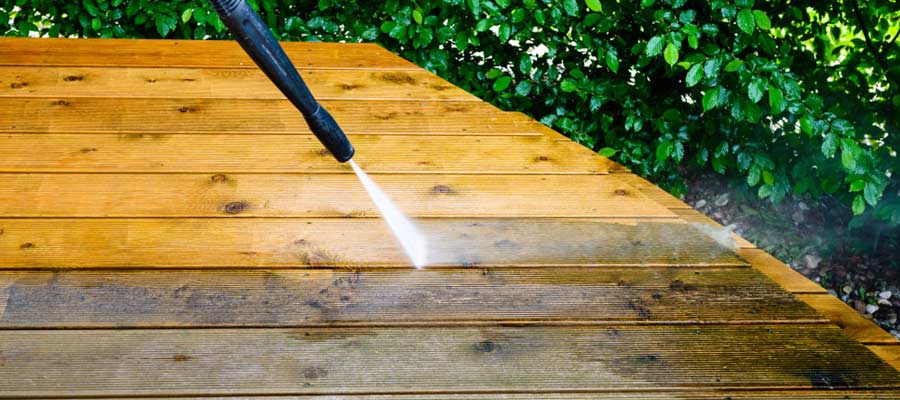
An HOA board member named Phillip manages the community tennis courts at a neighborhood in The Woodlands. Four courts. Heavy use. Busy every evening and weekend.
Called me after a resident slipped and twisted her ankle.
Nothing broken. Minor sprain. But it got Phillip’s attention. He walked out to look at the courts. Really look. For the first time in a while.
Green film across the baseline areas. Algae growing in the textured surface. Black mildew streaks along the fence line. The courts that should have been blue-green were closer to dark green-black in the shaded spots.
“The surface felt slick,” Phillip said. “Like, noticeably slick. The texture that’s supposed to grip your shoes was filled with growth. I’m surprised more people haven’t fallen.”
That’s how it goes with sports courts. They’re outside. They get used constantly. Nobody thinks to clean them until something happens.
We cleaned all four courts. Soft washing to protect the acrylic surface. Algae treatment to kill the growth. Careful work around the lines and net posts.
The original surface color came back. The texture was restored. Players could plant and pivot without slipping.
“Should’ve been doing this annually,” Phillip said. “The maintenance schedule just didn’t include it.”
Yeah. A lot of facilities forget about court cleaning. Until someone gets hurt.
Snapshot
| Factor | What to Know |
| Cleaning frequency | Annually minimum. Twice yearly for shaded courts. |
| Cost range | $200-$500 per court depending on size and condition |
| Safety factor | Algae fills the textured surface. Creates slip hazards during play. |
| Houston reality | Humidity grows algae fast. Shaded courts are the worst. |
| Best timing | Spring before heavy use season. Fall to address summer growth. |
Why Sports Court Cleaning Matters for Safety
Sports courts are performance surfaces. Players sprint, stop, pivot, and change direction constantly. The surface needs to provide traction for these movements.
Court surfaces are textured specifically for grip. Tennis courts have that gritty feel. Basketball courts have specific coatings designed for traction. The texture is engineered for athletic performance.
When algae and mildew fill that texture, the traction disappears. The surface becomes slick. What should grip instead of slide? Players fall.
Ankle injuries are common on contaminated courts. Players plant their foot expecting traction, and the foot slides instead. Twisted ankles, sprains, sometimes worse.
Beyond safety, there’s playability. A dirty court plays differently than a clean one. Ball bounce changes on contaminated surfaces. Movement feels uncertain. The game suffers.
In Houston, the problem develops fast. Humidity feeds algae growth year-round. Shaded courts never fully dry between uses. The growth is relentless.
A court that seemed fine in March is slippery by July. The accumulation happens gradually, then players notice all at once when conditions cross a threshold.
Tennis pro named Jenna teaches at a club in Spring. Sees court conditions daily.
“I can feel when the courts need cleaning,” Jenna said. “The slide changes. The grip changes. I warn my students before it becomes dangerous. But not every player notices until they’re falling.”
Clean courts are safe courts. Simple as that.
Types of Sports Courts and Their Cleaning Needs
Different court types have different surfaces and cleaning requirements.
Tennis Courts
Most commonly acrylic hard courts in Houston. The colored, textured surface is applied over an asphalt or concrete base.
Tennis court surfaces are designed to provide specific ball bounce and player traction. The texture contains fine aggregate that creates grip.
Algae fills the textured surface first. Creates slick spots that players feel during lateral movement. Baseline areas and corners show growth first due to less traffic.
Soft washing is essential for acrylic surfaces. High pressure can damage the coating. Low pressure with effective cleaners protects the surface while removing growth.
Lines need careful attention. Can’t blast paint off while cleaning the court. Technique matters around lines and net post anchors.
Basketball Courts
Outdoor basketball courts range from basic concrete to sport-specific coatings. Each has a different cleaning tolerance.
Basic concrete courts can handle more aggressive cleaning. The surface is durable. But the concrete still collects algae and mildew in Houston humidity.
Coated courts need the same care as tennis courts. The acrylic coating provides traction when clean and becomes hazardous when contaminated.
Free throw and three-point lines see concentrated traffic. Usually cleaner than low-traffic areas. The contrast makes dirty areas obvious.
Multi-Purpose Courts
Courts lined for multiple sports. Basketball and tennis. Volleyball and pickleball. Common in residential and community settings.
More lines mean more care needed during cleaning. Different paint colors for different sports. All need to survive the cleaning process.
These courts often see less traffic than dedicated courts. Less player movement means less natural cleaning. Growth accumulates faster.
Pickleball Courts
The fastest-growing court sport. Dedicated pickleball courts are appearing everywhere. Similar surface to tennis courts but smaller footprint.
Same cleaning needs as tennis. Acrylic surface with textured finish. Same vulnerability to algae growth in Houston conditions.
The smaller court size means lower cleaning costs per court. But many facilities have multiple courts that add up.
HOA board member named Claudia manages a community with four new pickleball courts in Cypress. Installed last year.
“The courts were perfect for six months,” Claudia said. “Then the green started appearing in the corners. We didn’t realize new courts need cleaning too. Thought they’d stay nice longer.”
Even new courts need maintenance. Houston doesn’t give surfaces a break.
Residential Sport Courts
Backyard courts at private homes. Often modular tile systems or poured surfaces. Various materials and qualities.
Modular court tiles can trap debris in the joints. Need attention to both tile surface and gap cleaning.
These courts often have less drainage than commercial installations. Water pools longer. Growth develops faster.
Shading from nearby structures or trees accelerates problems. Residential courts are often more shaded than community facilities.
What Sports Court Cleaning Addresses
Several contamination types affect court surfaces.
Algae Growth
The green film. The primary safety hazard. Fills the textured surface and eliminates traction.
Algae thrives in damp conditions. It thrives in areas that are shaded, such as court areas, corners, and baseline zones. Anywhere moisture persists.
Killing the algae matters as much as removing it. Treatment that kills spores prevents rapid regrowth. Just washing off visible growth leads to a quick return.
Mildew and Mold
The black streaking. Often follows fence lines and shaded edges. Although the streaking is darker than algae, it presents the same basic problem.
Mildew develops where air circulation is limited. Fence lines trap moisture. Adjacent trees block airflow. These areas show contamination first.
Dirt and Debris Accumulation
What blows in from surrounding areas. This includes dirt, leaves, pollen, and seed pods. Accumulates in low-traffic zones and against fencing.
Debris holds moisture against the surface. Creates conditions for biological growth. One problem enables another.
Regular sweeping helps but doesn’t address what’s bonded to the surface. Pressure washing removes what sweeping can’t.
Tree Sap and Organic Staining
Courts near trees collect sap, berries, and leaf stains. Sticky residue that attracts more contamination.
Pine sap is particularly problematic. Bonds to surfaces. Attracts dirt. Creates tacky spots that affect ball bounce and player movement.
These stains often need specific treatment beyond general cleaning. May require pretreatment before pressure washing.
Oxidation and Fading
UV damage to court coatings over time. Colors fade. The surface becomes chalky. Not something cleaning fixes, but cleaning reveals the true condition.
Sometimes what looks like extreme contamination is actually fading revealed by cleaning. The surface may need resurfacing rather than just cleaning.
Cleaning first helps assess actual condition. Shows what’s contamination versus what’s surface deterioration.
The Soft Washing Approach for Court Surfaces
Acrylic court surfaces need soft washing. High pressure creates problems.
Pressure that’s too high can damage the coating. Lifts edges. Creates delamination. Accelerates surface failure.
High pressure can also damage line paint. Strips color. Creates fuzzy edges. Leaves lines looking worn even when they weren’t.
Soft washing uses lower pressure with effective cleaning solutions. The chemistry kills and loosens contamination. Moderate pressure removes it.
Products designed for sports surfaces matter. Must be effective against algae. Must be safe for acrylic coatings. Must not damage line paint.
Surface cleaning equipment produces even results. No stripes or lines from wand work. Consistent cleaning across the entire court.
Court maintenance contractor named Victor resurfaces courts across Houston. Sees cleaning done wrong regularly.
“People blast their courts, thinking more pressure means cleaner,” Victor said. “Then they call me because the surface is failing. The cleaning destroyed the coating. Soft washing costs less than resurfacing.”
The right technique protects the investment.
How Often Should Sports Courts Get Cleaned
Depends on location and shade exposure.
Full-sun courts with good drainage can stretch to annual cleaning. UV inhibits growth. Quick drying limits accumulation.
Partially shaded courts need cleaning twice yearly. Morning or afternoon shade creates enough moisture retention to accelerate growth.
Heavily shaded courts may need cleaning every four to six months. Courts under tree canopies or adjacent to tall buildings may require more frequent cleaning. The growth is relentless.
Courts near water features or sprinklers need more frequent attention. Additional moisture accelerates problems.
High-use facilities may actually stay cleaner from player traffic. Foot movement provides some natural cleaning. Low-use courts in retirement communities may need more frequent professional cleaning.
Most community tennis and basketball courts do well with annual cleaning. Add a second cleaning if the shade is significant.
What Sports Court Cleaning Costs
Pricing varies by court size and condition.
A tennis court (full size) runs $350-$500 per court.
A basketball court (full outdoor) runs $300–$500.
Half-court basketball runs $150-$250.
Pickleball courts run $150-$250 per court.
Multi-court facilities get volume pricing. Four tennis courts don’t cost four times one court. Efficiency improves with scale.
Heavy contamination or neglected courts add to base pricing. More treatment, more time, more passes.
Residential sport courts run $200-$400 depending on size and configuration.
Compare cleaning costs to resurfacing. Court resurfacing runs $4,000-$8,000 per tennis court. Annual cleaning extends surface life. Protects the investment.
Compare cleaning costs to one injury claim. Twisted ankles lead to medical bills. Sometimes lawsuits. Annual cleaning is cheap insurance.
Current Trends in Sports Court Maintenance
More HOAs and facilities are adding court cleaning to annual budgets. Recognized as necessary maintenance, not optional.
Pickleball court maintenance is becoming a major category. New courts everywhere, all needing care.
Soft washing is becoming standard practice. Recognition that high pressure damages court surfaces.
Pre-season cleaning timing is gaining popularity. Clean courts before spring tennis season. Before summer basketball camps.
FAQs
Will pressure washing damage the court surface?
High pressure can damage acrylic coatings. That’s why we use soft washing. Lower pressure with effective cleaners protects the surface while removing contamination.
Will cleaning affect the painted lines?
Not with proper technique. We work carefully around lines using appropriate pressure and products. Lines should survive cleaning without damage. Very worn lines might show their age after surrounding areas are cleaned.
How long before the court can be used after cleaning?
Allow 4-6 hours for surfaces to dry completely. Faster in full sun, slower in shade. We can advise based on weather conditions and your specific court.
Can you clean courts with cracks or surface damage?
Yes, but cleaning won’t fix structural issues. Cracks remain after cleaning. We can clean around damage carefully. May recommend repair or resurfacing after cleaning reveals true condition.
Should we close the courts during cleaning?
Yes. Courts need to be cleared during cleaning and drying. Plan for half-day closure minimum. We can work with your schedule to minimize disruption.
Why Klein Pressure Washing
We clean sports courts across Spring, Klein, The Woodlands, Cypress, and greater Houston. Twenty years doing this. We specialize in cleaning tennis courts, basketball courts, pickleball courts, and multi-use facilities. Community courts and residential installations.
We understand sports surfaces. Soft washing that protects coatings. Careful work around lines and fixtures. Products that kill growth without damaging surfaces.
Phillip’s tennis courts are safe again. Claudia’s new pickleball courts are staying clean. Jenna’s students play on properly maintained surfaces. Victor sends facilities to us before resurfacing to show what cleaning can accomplish.
Your courts are athletic facilities. They should perform like athletic facilities. Clean courts provide proper traction. Safe courts protect players. Maintained courts last longer.
Call us. We’ll assess your courts, identify what’s affecting them, and give you a straight price. If they need more than cleaning, we’ll tell you honestly.
Clean courts. Safe players. Protected investment. Worth the money.
Blog Articles Related to Power Washing – Parking Lot & Garage Cleaning Service By Klein Pressure Washing in Bacliff, TX.
Travertine and Natural Stone Cleaning
Protect delicate surfaces with professional travertine and natural stone cleaning services. From patios and walkways to pool decks and entryways, expert pressure washing removes dirt, algae, and buildup using safe methods. Proper care helps preserve stone integrity and long-term curb appeal.
Stamped Concrete Cleaning
Restore the look of decorative surfaces with professional stamped concrete cleaning services. From patios and walkways to driveways and pool decks, expert pressure washing removes dirt, stains, and buildup without damaging the finish. Proper cleaning helps preserve appearance and extend surface life.
Sports Court Cleaning
Keep sports courts clean, safe, and playable with professional pressure washing services. From basketball and tennis courts to surrounding concrete areas, expert cleaning removes dirt, algae, and surface buildup effectively. Routine maintenance improves traction, appearance, and overall court performance.
Retaining Wall Cleaning
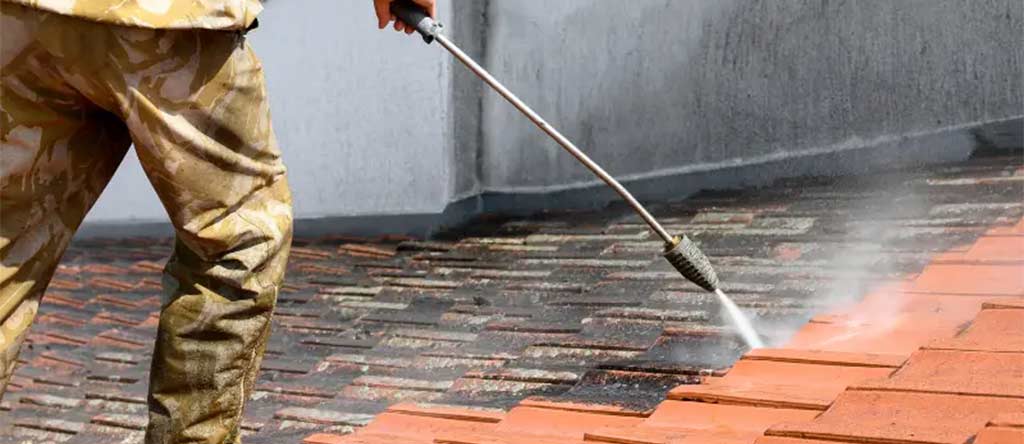
Keep retaining walls looking clean and structurally sound with professional cleaning services. From concrete and stone walls to landscaped retaining systems, expert pressure washing removes dirt, algae, and buildup safely. Proper cleaning helps protect surfaces and maintain a polished property appearance.