
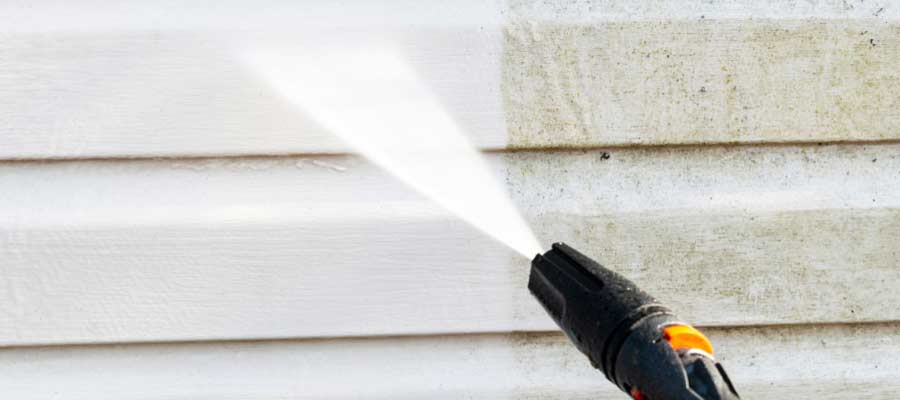
The Real Deal on Rust Removal
So can pressure washing get rid of those ugly rust stains on your concrete? The short answer is yes, but there’s a catch. You’ll almost always need to pair it with the right rust-dissolving cleaner to actually knock out that deep orange-brown discoloration. Here’s why: rust isn’t just surface gunk sitting on top. It’s a chemical stain that soaks into the concrete. Water pressure alone usually clears the top layer, and that’s about it.
However, it is important to match the right cleaner with the proper washing technique. Results get dramatically better. This is particularly true in Texas, where factors such as irrigation overspray, metal patio furniture, and humidity contribute to the rapid emergence of new rust problems.
Snapshot: What Texas Homeowners Need to Know
| Factor | Details |
| Stain Difficulty | Usually medium to severe depending on age and depth |
| Without Treatment | Permanent—rust doesn’t fade on its own |
| DIY Cost | $15–$60 for rust remover plus $70–$100/day washer rental |
| Professional Cost (Texas) | $125–$450+ depending on size, severity, access |
| Common Causes Around Here | Metal furniture, irrigation overspray, battery leaks, sprinkler corrosion |
| Best Approach | Pressure washing + commercial rust-dissolving cleaner |
| Time Required | 30 minutes to a few hours depending on stain depth |
| Prevention Tip | Seal concrete and keep metal items elevated |
Why Rust Bonds to Concrete So Stubbornly
Concrete is porous. Full of tiny surface pockets. Stains don’t just sit on top—they sink in and get comfortable. Rust forms when iron particles break down, and once they’ve worked their way into those pores, they basically bond with the concrete itself.
That’s why blasting rust with water pressure rarely finishes the job. Sure, the surface lightens up. The surface appears to improve temporarily. However, you will then notice that the shadow or halo remains visible. Without the right chemical cleaner to break the bond, that’s usually where things stall out.
What Pressure Washing Actually Does for Rust Stains
Don’t get me wrong—pressure washing absolutely plays a key role. But it cannot do it alone. It strips away the dirt and grime around the stain. Opens up the concrete pores. This process eliminates the illusion of a lighter halo effect. Most importantly, it preps the surface so rust-removing cleaners can actually penetrate and react with the iron particles deeper down.
Think of pressure washing as the setup step. The cleaner is what actually breaks the stain. You both need to work together.
Pressure Washing vs Chemical Rust Removal
Pressure washing alone handles light rust and pre-cleaning. Pressure washing is effective for cleaning surfaces, but it cannot remove deep stains. Dedicated rust removers use oxalic acid or commercial blends to dissolve what’s bonded into the concrete. That’s where the real chain-breaking happens.
Are natural cleaners such as vinegar or lemon juice effective? They can work on small shallow spots if you’ve got patience. However, they require extensive scrubbing and multiple applications. For serious issues such as large areas, battery stains, or heavy discoloration, professional treatment is the recommended course of action.
What Determines Whether Rust Removal Actually Works
The age of the stain matters more than people realize. Fresh rust responds quickly. What happens to old rust that has been sitting for months or years? Way more stubborn. Depth is huge too—the deeper the stain has soaked, the stronger cleaner you’ll need to pull it out.
Concrete type plays in. Broom-finished concrete absorbs more than smooth sealed slabs, so it stains deeper. Cleaner strength makes a difference—professional products outperform the mild household stuff pretty consistently. And water temperature can boost results when you’re using the right cleaner. Hot water systems help.
How Rust Stains Actually Get Removed: Step by Step
Step 1: Find and Remove the Source
Identify the source of the rust and eliminate it. There’s no point in cleaning while the problem is still making new stains.
Step 2: Pre-Wash the Area
Hit it with 2,800–3,200 PSI to clear dirt, grime, and surface oxidation. Opens the pores for what comes next.
Step 3: Apply Rust-Dissolving Cleaner
Use a commercial rust remover for severe stains. Milder product for shallow ones. Match the strength to the problem.
Step 4: Agitate with a Brush
Light scrubbing with a nylon brush helps the cleaner reach into the pores. Don’t go crazy—just work it in.
Step 5: Let It Dwell
Give them time to react. Typically, this process takes 5 to 15 minutes for commercial products. Longer for natural cleaners. Don’t rush this part.
Step 6: Rinse Thoroughly
Wash everything away completely. Leaving chemical residue behind can cause lightening marks. Nobody wants that.
Step 7: Repeat If Needed
Heavy stains often need multiple rounds. Don’t be surprised if a single pass is insufficient to remove older rust.
Step 8: Seal the Concrete
Once it’s clean, seal it. Slows down future staining significantly. Worth the extra step.
Challenges You Might Run Into
Uneven cleaning happens when pressure distance varies—keep a consistent distance or you’ll see stripes. Runoff can damage nearby plants, so cover your landscaping before you begin. Even after treatment, an orange shadow may persist; sealing often reduces its visibility but may not completely eradicate it.
Battery-acid rust presents a unique challenge. Aggressive stuff. Professional treatment is almost always necessary for proper handling.
Texas Trends and Local Insight
Hard-water rust stains are getting more common as mineral content climbs in city water supplies around here. Decorative concrete like stamped patios needs extra care—wrong products or too much pressure can etch the surface. More homeowners are building rust removal into their regular driveway cleaning schedule instead of waiting until stains get out of control. Smart approach, honestly.
FAQs
Will pressure washing alone remove rust from concrete?
Rarely. Pressure washing clears surface rust and surrounding dirt, but deep rust bonds into the concrete pores. You’ll almost always need a rust-dissolving cleaner to break that bond. Combining both methods gets the best results.
Do natural rust removers actually work?
Vinegar and lemon juice can handle small or shallow stains if you’re willing to scrub and reapply multiple times. For deeper discoloration, though, commercial products work faster and more reliably. Pick based on how stubborn your stain is.
Can rust permanently damage concrete?
Rust affects color more than structure. But that discoloration gets really deep and tough to remove if you ignore it long enough. Treat stains early, and results come way easier. Wait too long and you’re looking at multiple treatments.
How do I keep rust stains from coming back?
Elevate metal items off the concrete. Seal the surface. Fix irrigation leaks fast, especially if your water has high iron content. Don’t store grills, tools, or metal furniture directly on bare concrete. Basically—minimize metal-to-surface contact and you’ll prevent most problems before they start.
Is professional rust removal worth the money?
For large areas, old stains, battery leaks, or decorative concrete, the answer is definitely yes. Pros know which products are safe and how to avoid bleaching or etching. They have access to stronger commercial-grade stuff that works better. The finish usually ends up more even and predictable than DIY attempts.
Professional Rust Stain Removal in Texas
Klein Pressure Washing uses commercial rust removers, high-power equipment, and safe application techniques to restore concrete without damaging the surface. Whether your stains came from irrigation, metal furniture, or equipment batteries, we match the treatment to your specific concrete type.
Clean, even, rust-free concrete. That’s what we deliver.
Blog Posts About Power Washing – Fence Cleaning Service By Klein Pressure Washing in Melrose Park, Texas.
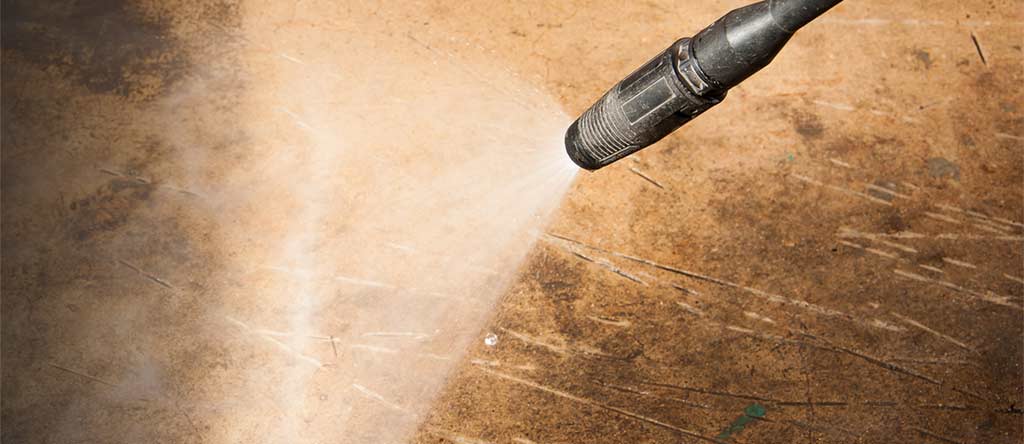
Travertine and Natural Stone Cleaning
Protect delicate surfaces with professional travertine and natural stone cleaning services. From patios and walkways to pool decks and entryways, expert pressure washing removes dirt, algae, and buildup using safe methods. Proper care helps preserve stone integrity and long-term curb appeal.
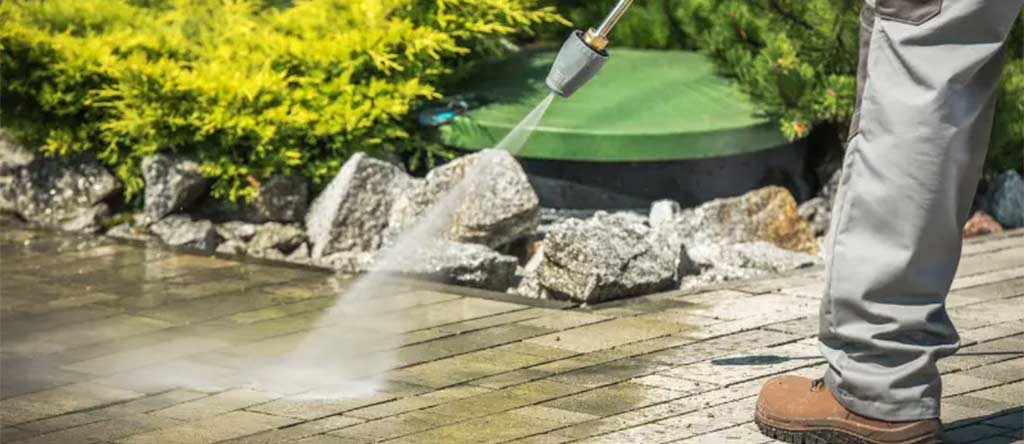
Stamped Concrete Cleaning
Restore the look of decorative surfaces with professional stamped concrete cleaning services. From patios and walkways to driveways and pool decks, expert pressure washing removes dirt, stains, and buildup without damaging the finish. Proper cleaning helps preserve appearance and extend surface life.
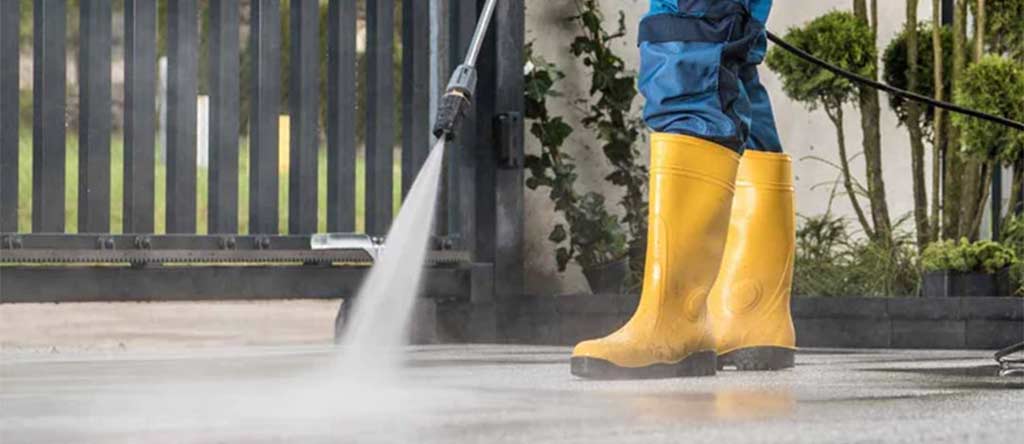
Sports Court Cleaning
Keep sports courts clean, safe, and playable with professional pressure washing services. From basketball and tennis courts to surrounding concrete areas, expert cleaning removes dirt, algae, and surface buildup effectively. Routine maintenance improves traction, appearance, and overall court performance.
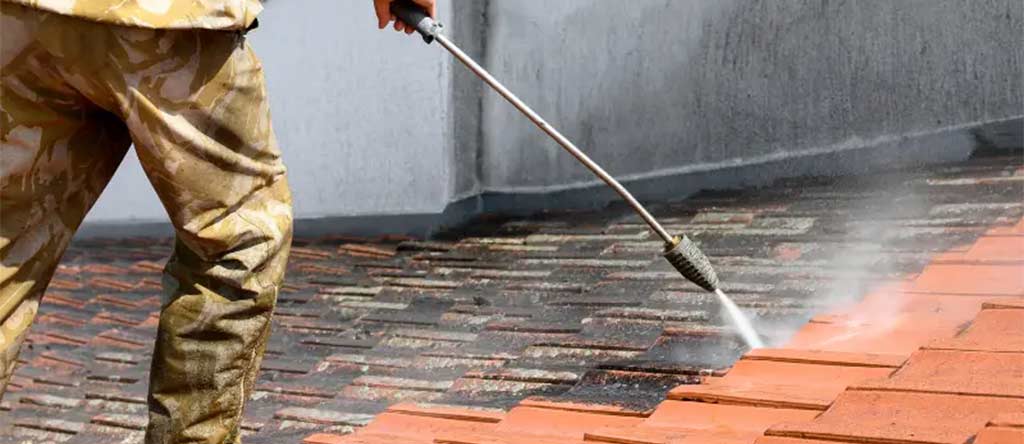
Retaining Wall Cleaning
Keep retaining walls looking clean and structurally sound with professional cleaning services. From concrete and stone walls to landscaped retaining systems, expert pressure washing removes dirt, algae, and buildup safely. Proper cleaning helps protect surfaces and maintain a polished property appearance.