
A homeowner named April has a cedar pergola over her patio in spring. Built it seven years ago. Beautiful structure. Defined the whole outdoor living space.
Called me because she thought the wood was rotting.
“It’s turning gray and black,” April said. “The beams look terrible. Green stuff growing on everything. I figured the cedar was dying, and I’d need to replace the whole thing.”
I climbed up and looked. Ran my hand across the beams. Poked around with a screwdriver.
The wood was solid. No soft spots. No rot. No structural issues. Just years of mildew, algae, and weathering covering the surface. The gray was oxidized wood fiber. The black was mildew. The green was algae. All on top of perfectly good cedar.
“This isn’t rotting,” I told her. “It’s just dirty and weathered. The wood underneath is fine.”
We cleaned the entire pergola. Soft wash with wood-safe cleaners. Low pressure to protect the grain. The gray came off. The mildew came off. The natural cedar color came back.
“It looks like we just built it,” April said. “I was about to spend fifteen thousand on a replacement.”
Yeah. A lot of pergolas get torn down when they just need cleaning. The weathering looks like damage. It usually isn’t.
Snapshot
| Factor | What to Know |
| Cleaning frequency | Every 2-3 years for wood. Every 1-2 years for vinyl and aluminum. |
| Cost range | $200-$600 depending on size, material, and condition |
| Main challenge | Mildew and algae growth. Wood weathering that looks like decay. |
| Houston reality | Humidity grows mildew year-round. Shade makes it worse. |
| Best timing | Spring is before the entertaining season. Fall before sealing wood structures. |
Why Pergola and Gazebo Cleaning Matters
Pergolas and gazebos are focal points. They define outdoor living spaces. Create destinations in the yard. Frame views and provide shade.
They’re also exposed to everything. They are exposed to various elements such as sun, rain, humidity, pollen, bird droppings, and tree debris. Every environmental factor hits them directly. No protection except what the material provides.
In Houston, the humidity is relentless. Mildew grows on any surface that stays damp. Pergola beams and rafters trap moisture. Gazebo roofs create shaded areas where things never fully dry. Perfect conditions for biological growth.
Wood structures weather visibly. The surface oxidizes and turns gray. Mildew creates dark streaks. Algae adds green tints. The original color disappears under layers of contamination and weathering.
Non-wood structures fare better but still collect grime. Vinyl yellows and shows mildew. Aluminum develops oxidation. Composite materials stain and grow algae just like wood.
The progression is slow enough that homeowners don’t notice day to day. Then someone visits who hasn’t seen the yard in a year. “What happened to your pergola?” That’s when it hits.
Builder named Carlos constructs outdoor structures across the Houston area. He sees his work age over time.
“People call thinking something’s wrong with the construction,” Carlos said. “Nothing’s wrong. They just never cleaned it. I tell them to get it cleaned before calling me. Half the time, that solves everything.”
Cleaning before replacing. Always worth trying.
Types of Pergola and Gazebo Materials
Different materials need different approaches. What works for one can damage another.
Cedar and Redwood
The premium natural wood choices. Beautiful when new. Naturally rot-resistant. But still weather and grow mildew.
Cedar grays quickly in Houston’s sun. The silver patina some people like. Most people don’t. They want the warm brown tones back.
Soft washing is essential for cedar. High pressure damages the soft wood grain. Creates fuzzy, splintered surfaces. Need low pressure with effective cleaners.
Cleaning reveals the original color underneath the weathered layer. May need brightening treatment after cleaning to fully restore the warm tones.
Sealing after cleaning extends the fresh appearance. Without sealer, the weathering process restarts immediately.
Pressure-Treated Pine
The budget-friendly option. Treated for rot resistance but still weathers and collects growth.
Treated wood has that greenish tint when new. Weather turns gray over time. Collects mildew readily in humid conditions.
Slightly more pressure-tolerant than cedar but still benefits from soft washing. The treatment doesn’t make it immune to surface damage.
Often stained or painted after cleaning. The cleaned surface provides proper adhesion for finish coats.
Vinyl and PVC
Low-maintenance material that still needs maintenance. The “never needs painting” claim is true. The “never needs cleaning” assumption is false.
Vinyl yellows over time from UV exposure. Develops mildew in shaded areas. Shows dirt and pollen clearly against the white surface.
A homeowner named Derek has a vinyl pergola attached to his house in Cypress. White when installed five years ago.
“It was gray and streaky,” Derek said. “I thought the vinyl was degrading. Nope. Just dirty. Cleaned up white again.”
Vinyl cleans easily with appropriate products. Responds well to soft washing.
Aluminum
Durable metal construction. Won’t rot or decay. But it develops oxidation and collects environmental contamination.
Aluminum oxidizes over time, creating a chalky surface. The powder coat or paint can fade unevenly. Mildew grows on painted surfaces.
Cleaning brightens aluminum significantly. Removes oxidation and biological growth. May need polish or wax after cleaning for best results.
Composite and Engineered Materials
Wood-plastic composites are marketed as low-maintenance. Although they are superior to wood in many aspects, they still attract mildew and staining.
Composite materials don’t weather like wood but do show mildew growth. The textured surfaces trap contamination.
Responds well to cleaning. More pressure-tolerant than natural wood. However, it continues to reap the benefits of the gentle cleaning method.
What Pergola and Gazebo Cleaning Addresses
Several distinct issues affect these outdoor structures.
Mildew and Mold Growth
The black and gray streaking. Most visible contamination. Grows anywhere moisture persists.
Undersides of structures are the worst. Less sun exposure. Longer moisture retention. Perfect mildew habitat.
Mildew doesn’t just look bad. It can actually damage wood over time if left untreated. Creates conditions that accelerate decay.
Treatment that kills spores prevents rapid regrowth. Just removing visible mildew without treatment leads to a quick return.
Algae Growth
The green tint. Especially visible on light-colored materials. Thrives in Houston’s humid environment.
Algae follows moisture patterns. Shows where water runs and collects. Creates streaking that traces rain flow.
North-facing surfaces show the most algae. Less sun to dry things out. More conducive growing conditions.
Wood Weathering and Graying
The silver-gray appearance of aged wood. UV damage to surface fibers. Natural oxidation process.
Some people like the weathered look. Most don’t. They want the original warm wood tones back.
Cleaning removes the gray weathered layer to reveal fresher wood underneath. Brighteners restore natural color. Sealer protects the restored appearance.
Bird Droppings and Tree Debris
What falls from above? Birds perch on rafters and leave deposits. Trees drop pollen, sap, leaves, and seeds.
Bird droppings are acidic. Can etch finishes if left too long. Create unsightly white stains.
Tree sap bonds to surfaces. Attracts dirt and debris. Creates sticky spots that accumulate more contamination.
Structures under trees need more frequent cleaning. The debris load is constant.
Pollen and Environmental Film
The general dinginess. Yellow-green pollen coating in spring. Dust and dirt year-round.
Houston’s pollen season coats everything. Oak pollen. Pine pollen. Layer after layer through the spring months.
The film attracts and holds moisture. Creates conditions for mildew growth. One problem leads to another.
The Soft Washing Approach
Most pergolas and gazebos need soft washing rather than high-pressure cleaning. The reasons are practical.
Wood grain damage from high pressure is real. The spray cuts into soft fibers. Creates raised grain, fuzzing, and splintering. Damages the surface you’re trying to clean.
Soft washing uses lower pressure with effective cleaning solutions. The chemistry does the work. Pressure just applies and rinses.
For wood structures, pressure typically stays below 500-800 PSI. Compare that to 2,500+ PSI used on concrete. Dramatically different approach.
The cleaning solution matters enormously. Products designed for wood that kill mildew without damaging the grain. Brighteners that restore color without harsh bleaching.
Even vinyl and aluminum benefit from soft washing. Why blast when you don’t have to? Effective cleaning with minimal risk.
Cleaning and Sealing for Wood Structures
For wood pergolas and gazebos, cleaning is often step one of a two-step process. Sealing is step two.
Cleaning removes contamination and weathered fibers. Opens the wood grain. Prepares the surface to accept sealer.
Sealing protects against UV damage and moisture penetration. Slows the weathering process. Extends time between cleanings.
Without sealer, a cleaned wood structure starts weathering immediately. The fresh appearance fades within months. The cleaning benefit is short-lived.
With sealer, the appearance lasts years. The wood stays protected. The investment in cleaning pays off longer.
The contractor named Nina specializes in outdoor wood structures in The Woodlands area. Strong opinions on maintenance.
“Clean it and leave it; you’re wasting money,” Nina said. “Clean it and seal it; you’re protecting your investment. I always recommend sealing after cleaning.”
Clean and seal together. Best results.
How Often Should Pergolas and Gazebos Get Cleaned
Depends on material and environmental exposure.
Unsealed wood structures need cleaning every 1-2 years in Houston. The mildew grows too fast to stretch longer.
Sealed wood structures can stretch to every 2-3 years. The sealer slows contamination accumulation.
Vinyl structures do well with cleaning every 1-2 years. The mildew shows clearly on white surfaces.
Aluminum can often stretch to every 2-3 years depending on location and exposure.
Structures under trees need more frequent cleaning. Constant debris load accelerates accumulation.
Structures near pools may need annual cleaning. Chlorine splash, sunscreen residue, and extra moisture create more contamination.
Most homeowners find that cleaning structures when the rest of the property gets cleaned makes sense. Part of the overall maintenance program.
What Pergola and Gazebo Cleaning Costs
Pricing varies based on structure size and material.
A small pergola (10×10 or less) costs $200–$300.
A medium pergola (10×12 to 12×16) runs $300–$450.
A large pergola or gazebo costs $400–$600.
Attached structures with house connections may have additional considerations.
Heavy mildew or neglected conditions add to base pricing. More treatment, more time.
Wood brightening treatment adds $50-$100 if needed to restore color.
Sealing after cleaning is typically quoted separately but often bundled at favorable combined pricing.
Compare cleaning costs to replacement. April was looking at fifteen thousand for a new pergola. Cleaning cost a tiny fraction of that. The math is obvious.
Current Trends in Outdoor Structure Maintenance
More homeowners are understanding that a weathered appearance doesn’t mean replacement is needed. Cleaning first is becoming standard advice.
Clean-and-seal packages are gaining popularity for wood structures. One service provider handling both steps.
Soft washing is becoming the preferred method. Recognition that high pressure damages wood.
Outdoor structure cleaning bundled with deck and patio cleaning. Complete outdoor living space maintenance in one visit.
FAQs
Will pressure washing damage my wood pergola?
High pressure can damage wood grain. That’s why we use soft washing. Lower pressure with effective cleaners. The chemistry does the work. The wood stays undamaged.
Can you restore the original color of weathered cedar?
Usually yes. Cleaning removes the gray weathered layer. Brighteners restore natural warm tones. Results depend on how long and how severely the wood has weathered. Most see dramatic improvement.
Should I seal my pergola after cleaning?
Strongly recommended for wood structures. Sealer protects against UV and moisture. Extends the fresh appearance. Without sealing, weathering restarts immediately.
How long before I can use the space after cleaning?
Cleaning alone allows use once dry, typically in 2-4 hours. If sealing follows, allow 24-48 hours before furniture placement. We’ll advise based on the specific products used.
My structure has vines growing on it. Can you still clean?
We can clean around established vines carefully. Heavy vine coverage may need trimming first for best access. Some vine damage is possible with cleaning. We discuss options before proceeding.
Why Klein Pressure Washing
We clean pergolas and gazebos across Spring, Klein, The Woodlands, Cypress, and greater Houston. Twenty years doing this. We have experience cleaning a variety of materials such as cedar, redwood, treated pine, vinyl, and aluminum. Every material, every condition.
We understand soft washing. Appropriate pressure for each material. Wood-safe cleaners. Brighteners that restore color. We know the difference between cleaning outdoor structures and damaging them.
April’s cedar pergola looks new again. Derek’s vinyl is white instead of gray. Carlos sends his construction clients to us for maintenance cleaning. Nina partners with us on clean-and-seal projects.
Your pergola or gazebo probably isn’t dying. It’s probably just dirty. The beautiful structure you built or bought is still there, hidden under weathering and growth.
Call us. We’ll assess your structure, identify what’s happening, and tell you what cleaning can accomplish. If there’s actual damage, we’ll be honest about that too.
Clean structure. Restored beauty. Protected investment. Worth the money.
Blog Posts About Power Washing – Fence Cleaning Service By Klein Pressure Washing in Missouri City, TX…
Travertine and Natural Stone Cleaning
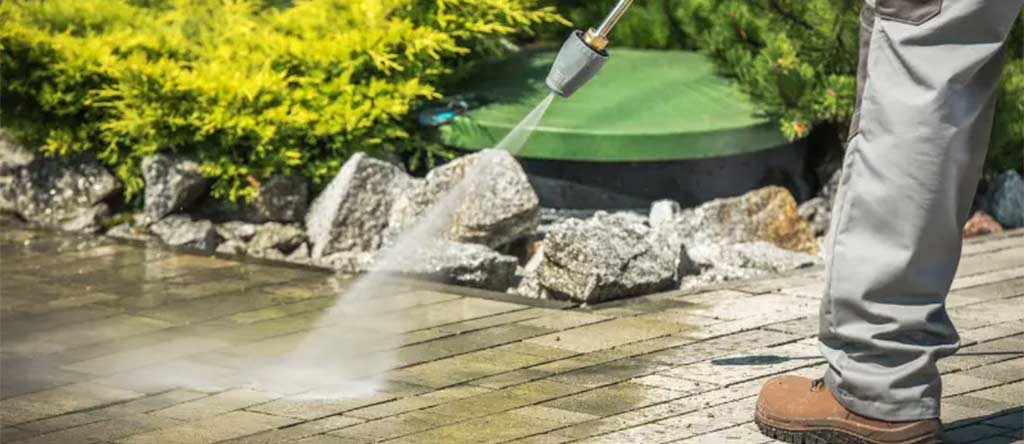
Protect delicate surfaces with professional travertine and natural stone cleaning services. From patios and walkways to pool decks and entryways, expert pressure washing removes dirt, algae, and buildup using safe methods. Proper care helps preserve stone integrity and long-term curb appeal.
Stamped Concrete Cleaning
Restore the look of decorative surfaces with professional stamped concrete cleaning services. From patios and walkways to driveways and pool decks, expert pressure washing removes dirt, stains, and buildup without damaging the finish. Proper cleaning helps preserve appearance and extend surface life.
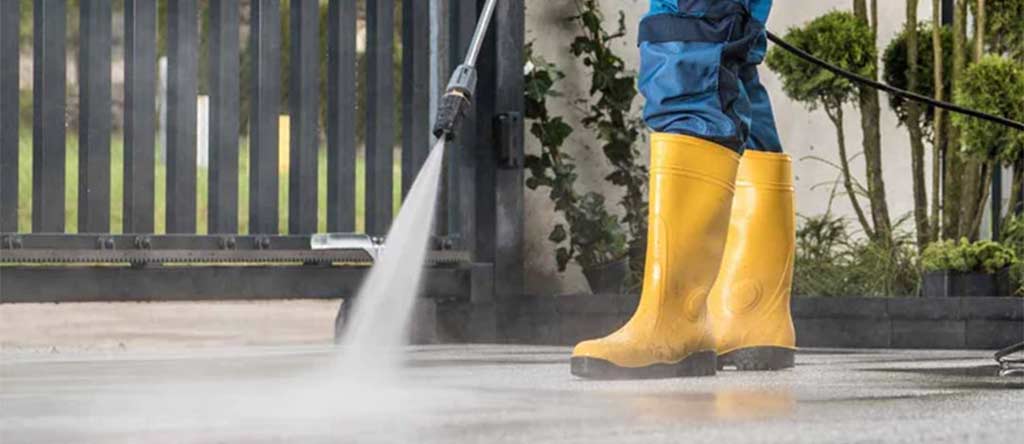
Sports Court Cleaning
Keep sports courts clean, safe, and playable with professional pressure washing services. From basketball and tennis courts to surrounding concrete areas, expert cleaning removes dirt, algae, and surface buildup effectively. Routine maintenance improves traction, appearance, and overall court performance.
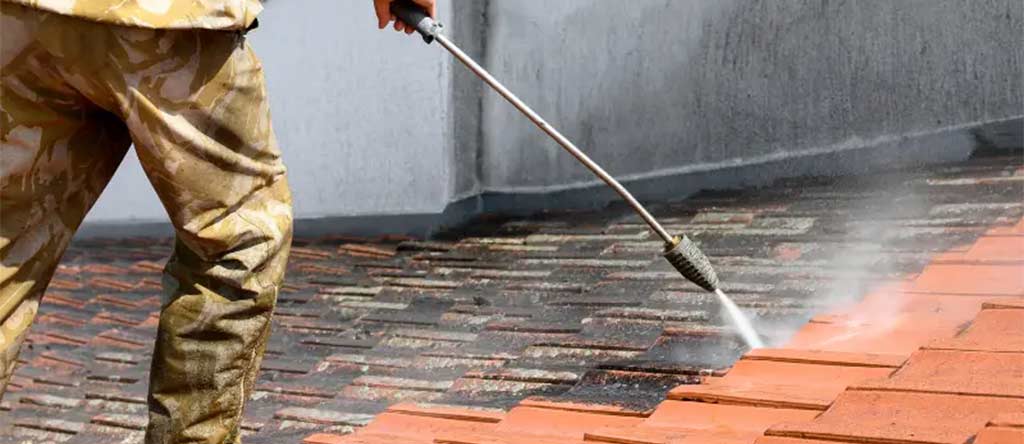
Retaining Wall Cleaning
Keep retaining walls looking clean and structurally sound with professional cleaning services. From concrete and stone walls to landscaped retaining systems, expert pressure washing removes dirt, algae, and buildup safely. Proper cleaning helps protect surfaces and maintain a polished property appearance.