
A friend of mine named Janet has a two-story house in The Woodlands. Vinyl siding. Light gray. It looked excellent when she bought the place five years ago.
Last spring, she called me. Frustrated.
“The north side of my house looks terrible,” she said. “Green streaks everywhere. The gutters are adorned with black spots. The rest of the house is fine, but that one side looks like nobody lives here.”
North side. Trees shade the area throughout the day. Never gets direct sun. Moisture sits there constantly. The humidity creates ideal conditions for the growth of algae and mildew.
“When did you last clean it?” I asked.
“Never,” she said. “Vinyl’s supposed to be low maintenance, right?”
Low maintenance isn’t zero maintenance. That’s the thing people miss.
Vinyl siding is durable. Doesn’t rot like wood. Unlike stucco, vinyl siding does not absorb water. But it still collects algae, mildew, pollen, dust, and storm debris on the surface. In Texas humidity, that buildup happens faster than most people expect. Way faster.
Short answer: Most Texas homes need vinyl siding cleaned once a year. Shaded homes, coastal properties, and houses near lakes or trees often need it every six to eight months. That yearly cleaning prevents long-term staining and keeps organic growth from taking permanent hold.
Snapshot
| Factor | What to Know |
| Standard frequency | Once a year for most Texas homes |
| Shaded or humid homes | Every 6 to 8 months, to stay ahead of algae |
| Best method | Soft washing with low pressure and proper detergents |
| Safe PSI range | 1,300 to 1,600 with a wide-angle nozzle |
| Professional cost | $250 to $500, depending on size and buildup |
Why Vinyl Siding Needs Routine Cleaning
Vinyl doesn’t rot or absorb water. That’s the good news. But it still traps organic material on the surface. Algae. Mildew. Pollen. Road dust. If a building is under construction nearby, it may contain construction debris. All of it sticks.
Texas heat and humidity help that stuff spread faster than in drier climates. Algae especially. Give it shade and moisture,, and it takes off. Janet’s north side was a perfect example. Simple annual cleaning could have prevented five years of growth.
If the buildup remains untreated, it stains the siding. Dulls the color. This buildup leaves behind green and black streaks that become more difficult to remove over time. Some stains become permanent if you wait too long. Eventually it affects curb appeal. Such an issue can lead to a well-maintained house appearing neglected.
And it’s not just looks. Algae and mildew can actually degrade the vinyl surface over time. The growth holds moisture against the material. Slowly breaks it down. This shortens the lifespan of siding, which should last for decades.
Routine washing removes all that before it becomes permanent. Protects the finish. This ensures that the surfaces maintain their original appearance rather than becoming worn out. This process prolongs the lifespan of your investment.
What Affects How Often You Should Clean Vinyl Siding
Climate matters most. Humid and coastal areas need cleaning more often than dry climates. Houston area homes deal with humidity constantly. It never lets up. Properties near Galveston or the Gulf see salt air on top of everything else. That salt accelerates corrosion and staining.
Shade matters too. Areas under trees or on the north side of the house collect mildew fastest because the sun never dries them out. The south side might look fine while the north side turns green. Janet’s problem exactly. One side is perfect. One side was completely covered in algae.
Location plays a role. Homes near highways pick up road grime and exhaust residue. Homes near construction zones get covered in dust. Homes in wooded areas deal constantly with pollen, tree sap, and leaf debris. All of it lands on your siding.
Storm exposure adds up too. Wind-driven rain splashes dirt and debris onto siding. Texas storms can coat a house in mud overnight. Hurricanes and tropical storms are even worse.
Your maintenance habits matter too. Regular cleaning slows future buildup. Once you get on a schedule, each cleaning goes faster because there’s less accumulation to fight. The siding stays cleaner longer between washings.
A guy in Cypress named Tom figured the process out early. He puts his house on an annual cleaning schedule every March after pollen season. Three years running now.
“The cleaning process typically takes about an hour,” Tom stated. “The house always looks lovely. The situation never deteriorates to the point of embarrassment.
Compare that to Janet. Five years of neglect. It took half a day to clean properly. It cost more, too, because there was so much buildup.
Why Soft Washing Works Best for Vinyl Siding
Here’s the thing about vinyl siding. It looks tough, but it can be damaged. Too much pressure cracks panels. Water sprayed upward gets behind the siding and causes moisture problems inside your walls. On hot summer days, when heat has already softened the material, high pressure can even warp vinyl.
That’s why soft washing has become the standard for vinyl.
Soft washing uses low pressure combined with detergents. Chemicals do the work instead of force. You apply the cleaning solution, let it sit briefly to break down the algae and mildew, then rinse gently from top to bottom. No blasting. There is no need to force water into areas it shouldn’t be.
Results last longer too. You’re actually killing the growth at the root instead of just knocking it off the surface. It means it takes longer to come back. Some homeowners experience a gap of ten to twelve months between cleanings when using soft washing, compared to six to eight months with traditional pressure washing.
If you are undertaking the task yourself, please maintain the pressure between 1,300 and 1,600 Use a 25 to 40 degree spray tip. Never spray upward into the laps where panels overlap. Always start at the top and work your way down so dirty water doesn’t run over clean areas.
Or just hire someone who knows what they’re doing. This approach reduces the likelihood of costly damage.
A neighbor of Janet’s tried cleaning his vinyl siding. Rented a pressure washer. Cranked it up. The pressure washer was cranked up to reach the second story.
Water got behind the panels. Mold started growing inside the wall within six months. It cost him three thousand dollars to fix.
“Should’ve just paid the two hundred fifty to have it done right,” he told me.
Yeah. He should’ve.
How Vinyl Compares to Other Siding
Vinyl is one of the easiest materials to maintain. That’s why so many people choose it.
Brick needs cleaning every one to two years. While it endures well, it still attracts the same algae and mildew.
Stucco and wood need gentler treatment and often require attention sooner because they stain more easily. Wood especially. It has to be gently washed, or you damage the grain.
Fiber cement performs similarly to vinyl. Durable. Handles cleaning well. It continues to benefit from annual maintenance.
The point is, vinyl gives you the best combination of durability and easy maintenance. Annual cleaning keeps it looking excellent for thirty to forty years. That’s a solid investment.
What to Expect from Professional Cleaning
Most professional vinyl siding cleanings in Texas run between $250 and $500. The cost varies depending on the size of the house and the amount of buildup present.
First-time cleanings usually cost more because there’s more work. Houses that get cleaned annually go faster. Less buildup. Less time. Lower price.
Results typically last eight to twelve months. This depends on factors such as shade, humidity, weather exposure, and the amount of pollen or dust your property receives. Homes near lakes or wooded areas need cleaning sooner than homes in open, sunny neighborhoods.
Eco-friendly detergents are becoming more common. These detergents are biodegradable and do not harm your landscaping. If you have gardens or plants near your house, it is worth considering the use of eco-friendly detergents.
A couple in Spring named Ray and Carmen put their house on a yearly cleaning schedule after their first professional wash three years ago. Vinyl looked so good they wanted to keep it that way.
“We pay about three hundred a year,” Ray said. “The house always looks wonderful. Neighbors ask how we keep it so clean.”
That’s the difference between scheduled maintenance and neglect. The difference between scheduled maintenance, which costs three hundred dollars a year, and neglect, which can cost five hundred or more, is significant.
FAQs
What PSI is safe for vinyl siding?
Most manufacturers recommend a pressure range of 1,300 to 1,600 PSI when using a wide-angle nozzle. This range provides sufficient cleaning power without the risk of cracking or warping the siding. Higher pressure might work faster but increases the chance of forcing water behind the panels. Not worth the risk.
Can pressure washing damage vinyl siding?
Absolutely. Too much pressure or spraying upward into the seams causes real problems. Cracks. Warping. Water intrusion can lead to the growth of mold within your walls. That’s why technique matters so much. Low pressure. Controlled angle. Top to bottom. Every time.
Can you clean vinyl siding in winter?
Technically yes. But cold temperatures make detergents less effective. Surfaces get slippery and dangerous. Results don’t last as long because the siding doesn’t dry evenly in cold weather. Most people wait for spring through fall. In Texas, winter cleaning works on mild sunny days, but spring is better.
Can you clean vinyl siding in winter?
Technically yes. But cold temperatures make detergents less effective. Surfaces get slippery and dangerous. Results don’t last as long because the siding doesn’t dry evenly in cold weather. Most people wait for spring through fall. In Texas, winter cleaning works on mild sunny days, but spring is better.
How long do cleaning results last?
Most homes retain their cleaning results for eight to twelve months. Shaded properties and places near water or woods need attention sooner. Sunny open lots in dry neighborhoods go longer between cleanings. Getting on a schedule helps you figure out what your particular house needs.
Why Klein Pressure Washing
We clean vinyl siding across Spring, Klein, The Woodlands, Cypress, and greater Houston. We have been in this business for twenty years. Know what works on Texas homes and what doesn’t.
We use soft washing for vinyl. Low pressure. Proper detergents. No damage. There was no water build-up behind the panels. Right technique every time.
Janet’s house cleaned up beautifully once we got to it. Even the north side, which had been plagued by algae buildup for five years, was remarkably clean. It took some extra work, but it came out looking like new siding.
“I should have done this years ago,” she expressed regret.
That’s what everyone says.
Now she’s on an annual schedule. This routine begins every spring, following the pollen season. The house always looks lovely. You will never have to worry about that north side again.
Don’t wait five years like Janet did. Don’t try to DIY it and cause three thousand dollars in damage like her neighbor. Get on a schedule. Keep your vinyl looking new.
Call us. We’ll look at your house, tell you what it needs, and give you a fair price. Then do the work right.
Articles About Power Washing – Parking Lot & Garage Cleaning Service By Klein Pressure Washing in Spring Valley, TX…
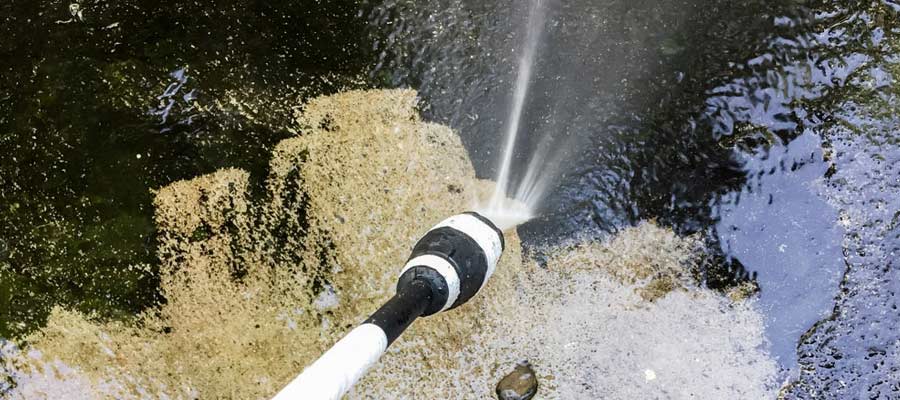
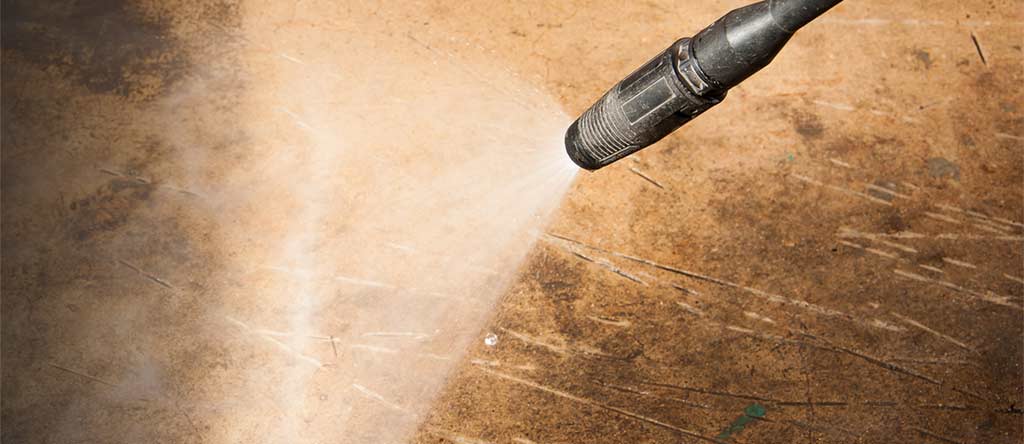
Travertine and Natural Stone Cleaning
Protect delicate surfaces with professional travertine and natural stone cleaning services. From patios and walkways to pool decks and entryways, expert pressure washing removes dirt, algae, and buildup using safe methods. Proper care helps preserve stone integrity and long-term curb appeal.
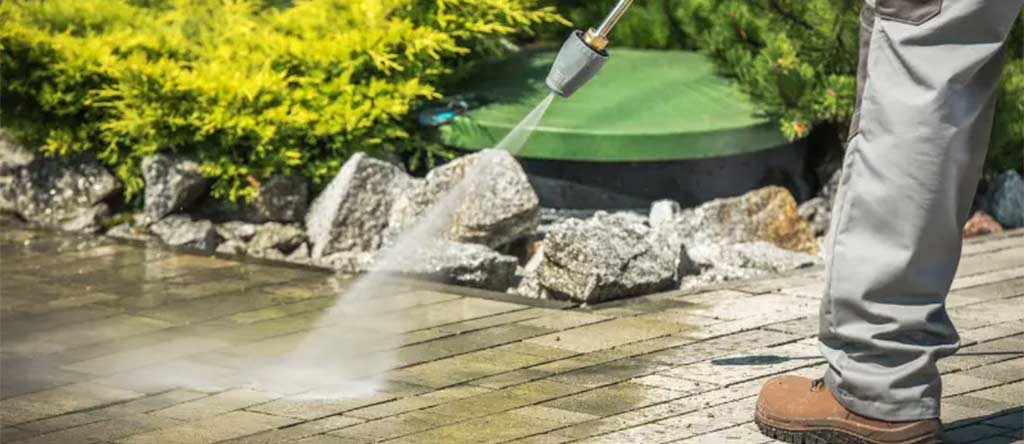
Stamped Concrete Cleaning
Restore the look of decorative surfaces with professional stamped concrete cleaning services. From patios and walkways to driveways and pool decks, expert pressure washing removes dirt, stains, and buildup without damaging the finish. Proper cleaning helps preserve appearance and extend surface life.
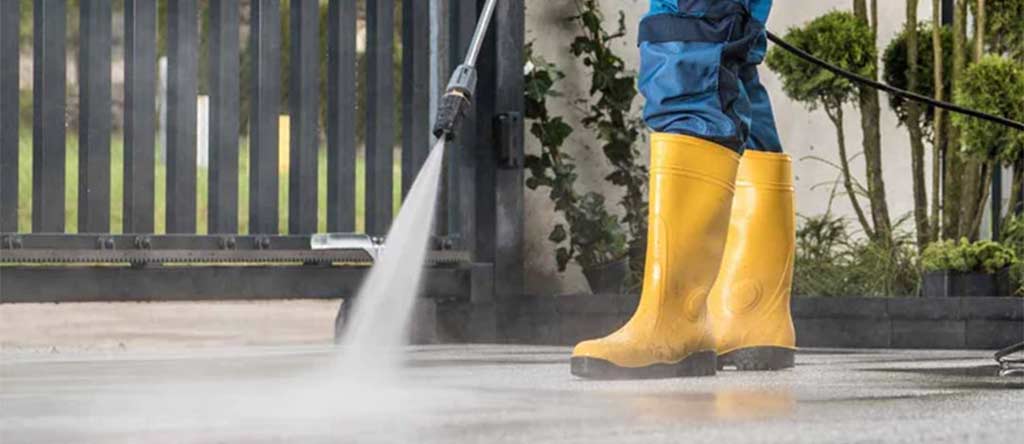
Sports Court Cleaning
Keep sports courts clean, safe, and playable with professional pressure washing services. From basketball and tennis courts to surrounding concrete areas, expert cleaning removes dirt, algae, and surface buildup effectively. Routine maintenance improves traction, appearance, and overall court performance.
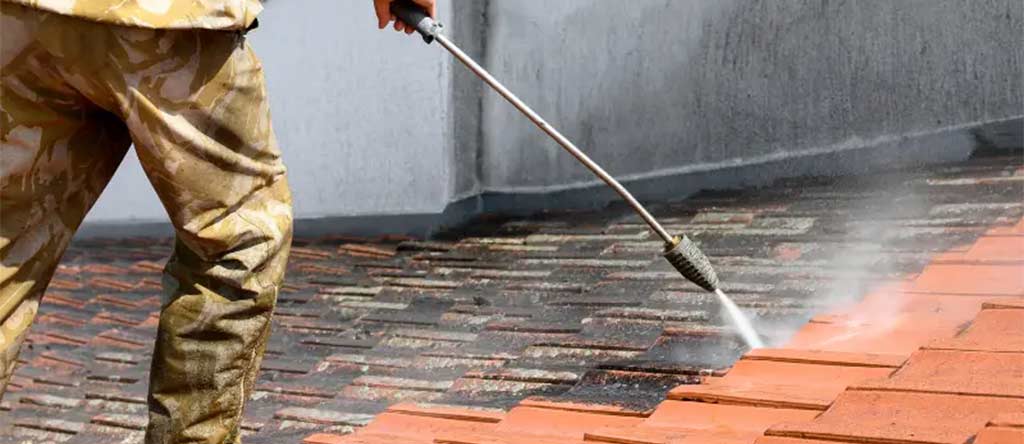
Retaining Wall Cleaning
Keep retaining walls looking clean and structurally sound with professional cleaning services. From concrete and stone walls to landscaped retaining systems, expert pressure washing removes dirt, algae, and buildup safely. Proper cleaning helps protect surfaces and maintain a polished property appearance.