

Everyone wants a number. Once a year? Twice? Every three months?
And the answer is—it depends.
Yeah. Worst answer ever. But here is the reality.
Your driveway in shaded Spring with three oak trees dumping debris? Different maintenance than a sun-blasted patio in Cypress with zero tree coverage. Totally different situations.
So let me actually break this down.
Real numbers. This information is based on 20+ years of cleaning thousands of properties across Houston, The Woodlands, and Klein, encompassing the entire area. What works? What is overkill? What happens when you wait too long?
Quick Facts: Pressure Washing Frequency in Texas
| Surface/Situation | How Often |
| General Texas rule | Once a year minimum—twice if heavy trees or humidity |
| Houston reality | Every 8-10 months (Arizona gets 18 months; we do not) |
| Driveways | Annual for most, twice yearly with oil leaks or heavy use |
| House exteriors | Once a year, twice if there are mold issues or north-facing walls |
| Decks and patios | Once minimum, twice if shaded or heavy use |
| Commercial properties | Quarterly for high-visibility, semi-annual otherwise |
What Actually Affects Frequency
Why is there no single answer? Because these factors change everything.
Climate and Weather
Texas is brutal.
High humidity breeds mold and mildew faster than drier climates. Heat cooks stains into surfaces. Sudden storms dump pollen and debris everywhere.
Properties in Spring and The Woodlands with all those beautiful trees? Constant organic buildup. Needs more frequent cleaning. No way around it.
Tree Coverage and Shade
Trees drop leaves, pollen, sap, and seeds. Essentially, everything that accumulates dirt and retains moisture is a result of tree cover and shade.
What about north-facing walls that never receive direct sunlight? Mold magnets. Twice-yearly cleaning minimum. Perhaps a quarterly cleaning schedule could be implemented for particularly problematic areas.
Traffic and Use
Is the driveway bustling with multiple cars on a daily basis? More oil. More tire marks. More dirt tracked in.
Do you use the patio for cookouts every weekend? More spills. More wear.
High-traffic areas need more frequent cleaning. Simple as that.
Surface Material
Porous concrete shows dirt faster and holds it deeper. Smooth surfaces stay cleaner longer. Wood needs gentler, more frequent attention. Pavers with sand joints collect debris and look terrible fast.
Your Standards
Some people are fine with a little dirt. Others want it spotless year-round. Commercial properties need to look professional constantly.
Partly about function. It’s partly about what you can live with.
Recommendations by Surface
Driveways
- Standard: Once a year, usually spring
- Heavy use or oil stains: Twice yearly (spring and fall)
- Under trees: Twice yearly minimum
Spring cleaning gets rid of winter grime. Fall cleaning before holidays makes sense if curb appeal matters to you.
House Exterior and Siding
- Standard: Once yearly
- Mold-prone areas: Twice yearly, especially north-facing walls
- Near heavy traffic: Twice yearly—exhaust and road grime build up fast
Wait too long on siding? Mold gets established. It becomes way harder to remove.
Decks and Patios
- Lightly used: Once yearly
- Frequently used: Twice yearly
- Shaded or humid spots: Twice yearly minimum, sometimes quarterly
Pre-summer cleaning makes outdoor spaces usable. Post-summer cleaning removes all the BBQ grease and spills.
Fences
- Wood fences: Once yearly, more if staining or sealing
- Vinyl fences: Once yearly or as needed
Commercial Properties
- High-visibility areas: Quarterly (storefronts, entryways)
- General areas: Semi-annually
- Restaurants: Quarterly minimum for grease buildup
Commercial is about maintaining a professional appearance. Gross sidewalks when customers walk in? Bad look.
Signs You Are Waiting Too Long
Do not wait for obvious disaster. Here is when you need to clean now:
- Visible green or black mold and algae growth
- Slippery surfaces when wet
- Discoloration getting worse
- Musty smell near walls or wood surfaces
- Oil stains spreading or darkening
- Before listing your house for sale
- Before major events or holidays
The longer you wait, the harder and more expensive the cleaning becomes. Preventive maintenance beats damage control. Every time.
FAQs
Can I pressure wash too often?
Technically yes. Blasting delicate surfaces with high pressure constantly causes problems. But realistically? Most people wait too long, not the other way around. Twice yearly for residential is safe for virtually all surfaces.
What is the best time of year in Texas?
Spring: March through May. Not too hot. Removes winter grime. Prepares everything for summer use.
Fall works great too. September and October. After the summer heat, before the holidays.
Does regular cleaning extend surface life?
Absolutely. Removing organic growth, oil, and contaminants before they cause permanent damage? Adds 5-10 years to concrete, wood, and siding. Prevention is way cheaper than replacement.
Should I schedule regular service or call as needed?
A regular schedule works better. Consistent service. Often better pricing. Never forget. Catch problems before they are visible.
We have had customers on annual and semi-annual schedules for 10+ years. Works for them.
How do I know if I need more frequent cleaning?
Look at your surfaces 6 months after cleaning. Look terrible already? Need more frequent service. Still pretty clean? Stretch it longer.
Why Klein Pressure Washing
We have been cleaning Texas properties for over 20 years. Residential and commercial across Houston, Spring, Klein, The Woodlands, and Cypress.
We know what works in our climate. What is worth paying for? What is overkill?
Most of our customers land on annual or semi-annual schedules and stick with them. This approach proves effective for them year after year.
Want to set up a regular schedule or get a one-time cleaning? Give us a call.
Articles Related to Power Washing – Commercial Pressure Washing Service By Klein Pressure Washing in The Woodlands, Texas!
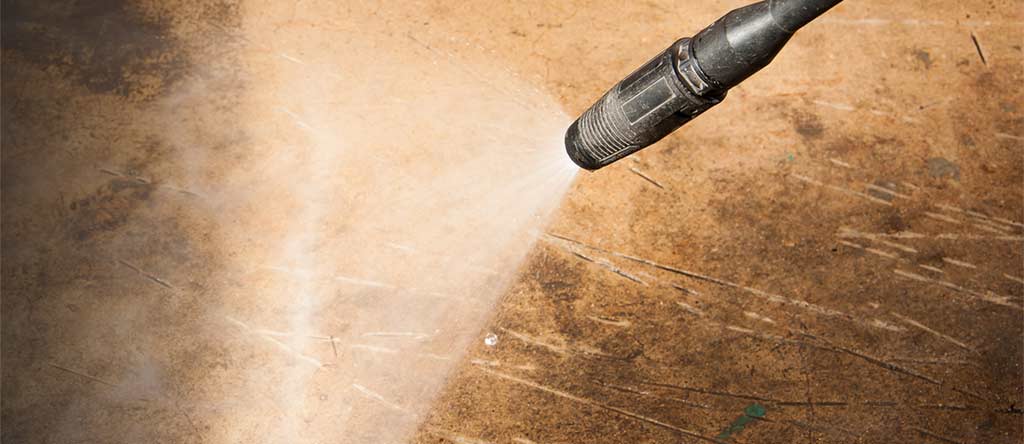
Travertine and Natural Stone Cleaning
Protect delicate surfaces with professional travertine and natural stone cleaning services. From patios and walkways to pool decks and entryways, expert pressure washing removes dirt, algae, and buildup using safe methods. Proper care helps preserve stone integrity and long-term curb appeal.
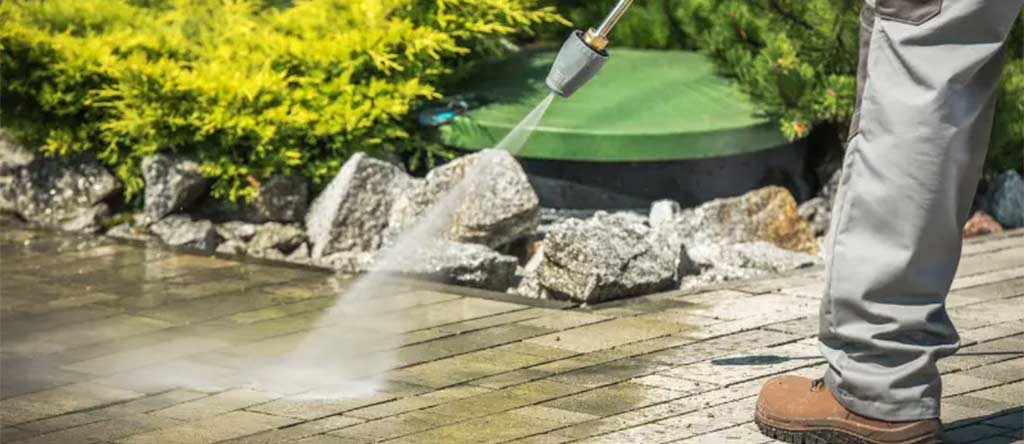
Stamped Concrete Cleaning
Restore the look of decorative surfaces with professional stamped concrete cleaning services. From patios and walkways to driveways and pool decks, expert pressure washing removes dirt, stains, and buildup without damaging the finish. Proper cleaning helps preserve appearance and extend surface life.
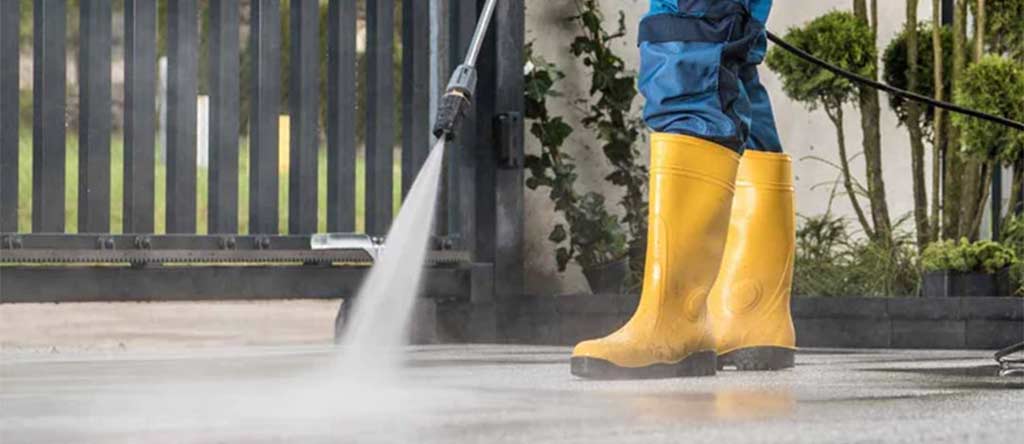
Sports Court Cleaning
Keep sports courts clean, safe, and playable with professional pressure washing services. From basketball and tennis courts to surrounding concrete areas, expert cleaning removes dirt, algae, and surface buildup effectively. Routine maintenance improves traction, appearance, and overall court performance.
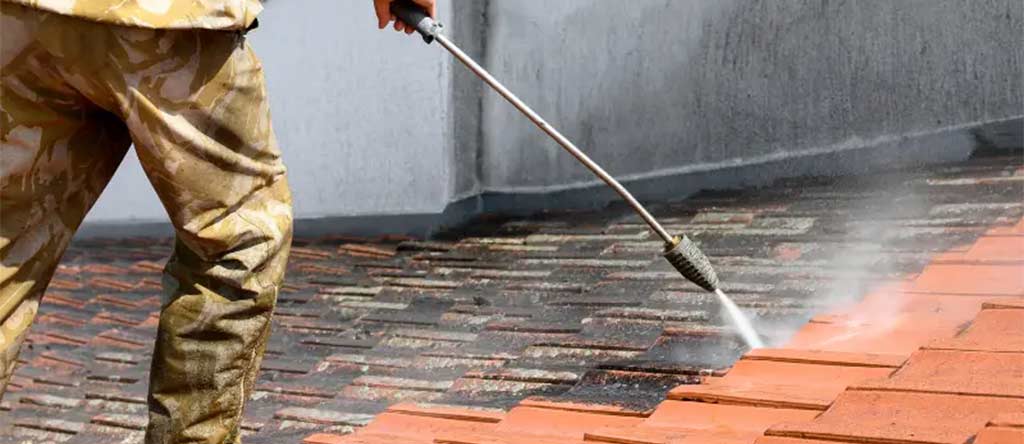
Retaining Wall Cleaning
Keep retaining walls looking clean and structurally sound with professional cleaning services. From concrete and stone walls to landscaped retaining systems, expert pressure washing removes dirt, algae, and buildup safely. Proper cleaning helps protect surfaces and maintain a polished property appearance.