
Guy I know named Greg has a house in Spring with a big wraparound deck. Maybe 500 square feet. Painted it himself about six years ago—nice solid gray color that matched the house trim, looked really sharp when he finished. Used it constantly for the first few years. Weekend cookouts with the neighbors, watching the kids play in the yard, Sunday morning coffee with his wife while the dogs ran around.
Then Texas happened to that paint job.
Summer sun baked it relentlessly. Humidity worked moisture into the edges where the paint met the wood grain. Mildew started creeping into the shaded corners near the house where the morning sun never really reached. The whole deck developed this grimy, tired look that made Greg embarrassed to have people over. Paint was still mostly intact, but dirty. Really dirty. That green-black mildew staining everything.
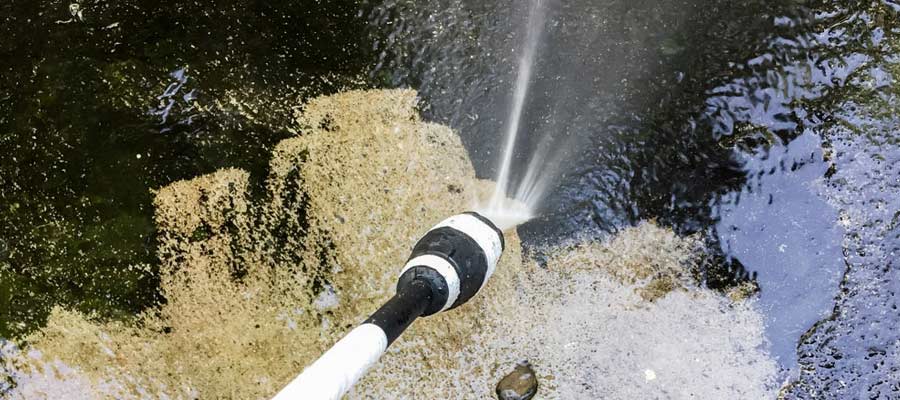
Greg figured he’d blast it clean with his pressure washer. Simple job. Saturday morning project. Cranked it up to full power, grabbed the narrow red nozzle for “maximum cleaning power,” and went to work on that mildew like it owed him money.
Twenty minutes later he stopped and stared at what he’d done.
Half the deck was clean. The other half was stripped down to bare wood in patches where he’d gotten too close or lingered too long. Paint peeling up in ribbons along the grain. Gray finish turned into a patchwork mess—bare wood here, intact paint there, ragged edges everywhere.
“I just wanted to clean it,” he told me when I came to look at the damage. “Now I have to repaint the whole thing. My wife is going to kill me.”
Here’s the thing: pressure washing can remove deck paint. But whether it will depends entirely on the pressure you’re using, the condition of your paint, and how close you get with that nozzle. Done carefully with the right settings, it’ll refresh your deck without stripping the finish. Done wrong—like Greg did—you’re looking at an unplanned paint removal project and a weekend you didn’t plan to spend at the hardware store.
Quick Facts: Deck Paint and Pressure Washing
| Factor | Details |
| Paint Lifespan | 5–10 years on most Texas decks depending on maintenance and sun exposure |
| Safe PSI Range | 500–1,500 PSI for painted decks; lower is always safer |
| Professional Cost | $150–$400 depending on deck size and prep needed |
| Houston Factor | Sun, humidity, and rain encourage mildew—regular cleaning essential to prevent paint breakdown |
| Materials Note | Wood absorbs water and is more vulnerable; composite slightly more resilient but still needs care |
How Pressure Washing Can Remove Deck Paint
Several factors determine whether pressure washing strips your paint. Understanding these helps you avoid Greg’s situation:
Type of Paint
Oil-based paints generally hold up better than latex. More flexible. Better adhesion. Resist peeling under pressure because they bond more deeply with wood fibers. Latex paint is more vulnerable—especially if it’s old or wasn’t applied to properly prepped wood.
A painter in Cypress—guy named Victor who’s been doing exterior work for 18 years—told me he can usually tell within five minutes of looking at a deck whether the paint will survive pressure washing. “Latex over bare wood with no primer? That’s coming off. Oil-based over properly prepped surface? Probably fine if they don’t get crazy with the pressure.”
He’s not wrong. Seen it play out exactly that way dozens of times.
Solid stains are different from paint—they penetrate the wood rather than sitting on top. Usually handle pressure better because there’s no film to lift. Semi-transparent stains? Even easier. Nothing really to peel off.
Age of Paint
Older paint loses adhesion over time. UV breaks down the binders. Moisture works underneath the edges. What felt rock-solid five years ago might be hanging on by a thread now.
High-pressure water lifts and peels aged paint way easier than fresh paint. If your deck paint is 7+ years old, it’s probably more fragile than you think. Treat it gently.
Deck Material
Wood absorbs water. That water works its way under paint and causes lifting from the inside out. Pressure washing forces even more water into the wood grain. Bad combination if the paint’s already compromised.
Composite decks are slightly more resilient—the material doesn’t absorb water the same way. But painted composite still needs lower pressure. Don’t get cocky just because it’s not wood.
Pressure Settings
Most household pressure washers operate between 1,500–3,000 PSI. Huge range. Using higher PSI than necessary increases paint removal risk—sometimes dramatically.
At 3,000 PSI you’re not cleaning paint. You’re attacking it. That kind of pressure will strip well-adhered paint, let alone stuff that’s already weathered.
Technique Matters More Than You Think
Nozzle angle. Spray distance. Movement speed. All of it matters. Spraying too close concentrates force into a small area. Lingering in one spot gives water time to work under paint edges.
Greg’s mistake wasn’t just the pressure. It was grabbing the narrow nozzle and getting too close. Concentrated all that force into a small area. Paint didn’t stand a chance.
Bottom line: if water pressure exceeds the paint’s adhesion strength, the finish lifts, peels, or strips completely. Simple physics.
How to Preserve Deck Paint While Pressure Washing
Want to clean your deck without stripping the paint? Here’s the approach:
- Start low – 500–800 PSI. Feels weak. Looks like it won’t do anything. Trust the process. You can always increase slightly if needed. Can’t undo damage from starting too high.
- Wide-angle nozzle – 40° white tip is safest for painted surfaces. Spreads pressure across a wider area. Avoid narrow nozzles (0° or 15°)—way too aggressive. Save those for concrete or stripping.
- Keep your distance – Stay 12–18 inches from surface. Getting closer concentrates force dramatically. Every inch closer multiplies the impact.
- Test first – Always. Under the deck stairs. Behind a planter. Somewhere nobody sees. If paint starts lifting, you know before you’ve damaged the visible areas.
- Keep moving – Don’t linger in one spot. Steady, sweeping motions distribute pressure evenly. Reduce paint removal risk. Keep the wand moving.
- Consider soft washing – For painted decks, soft washing is often smarter. Low pressure plus cleaning solution. Cleans effectively without stripping risk. Especially good for older paint.
A homeowner in The Woodlands—woman named Diane with a beautifully maintained painted deck overlooking her backyard—told me she was terrified to pressure wash after hearing horror stories from neighbors. One neighbor had stripped half their deck. Another had left permanent stripes in the paint from uneven washing. Diane figured her only options were living with mildew or hiring someone.
We showed her the soft washing approach. Low pressure, biodegradable detergent that kills mildew at the root, careful technique that respects the painted surface.
Deck came out clean. Paint stayed put. Mildew gone.
“I didn’t know you could clean it without destroying it,” she said afterward. “Why doesn’t everyone do it this way?”
Good question. Most people don’t know soft washing exists.
When Pressure Washing Is the Right Tool for Paint Removal
Sometimes you want the paint gone. Prepping for a fresh coat. Existing paint so far gone it needs to come off anyway. Different situation entirely.
Pressure washing works well for paint removal when:
- Paint is already peeling, flaking, or loose – Water gets under lifted edges easily. Strips failing paint while leaving well-adhered areas alone.
- You’re preparing for repainting or staining – Removes loose material and cleans the surface in one step. Good prep work.
- You combine it with scraping or sanding – Pressure washing loosens; scraping and sanding finish the job. Multi-step process.
- You’ve got the right pressure – Usually 1,500–2,500 PSI for intentional removal. Higher than cleaning, lower than concrete work.
But here’s the catch: if paint is well-adhered and you want it completely stripped, pressure washing alone probably won’t cut it. You’ll end up with a patchy mess—some bare wood, some paint clinging stubbornly. Looks terrible.
For complete stripping of well-adhered paint, chemical strippers, heat guns, or professional sanding work better. Pressure washing is a tool. Not a magic wand.
DIY vs. Professional Deck Cleaning for Painted Surfaces
Some situations call for DIY. Others really don’t. Know the difference:
DIY Can Work If:
- Paint is relatively fresh – Less than 3–4 years old, still well-adhered, no visible peeling.
- You have adjustable equipment – Need to dial pressure down to 500–800 PSI. Many rental units don’t go that low.
- You’re comfortable with technique – Understand nozzle selection, spray distance, movement speed. Willing to test first.
- Deck is small enough – Mistakes compound on large surfaces. 200 square feet is different than 800.
Call a Professional If:
- Paint is older or showing wear – Anything over 5 years old needs careful evaluation. Pros know what will survive.
- You’re uncertain about paint type – Oil-based? Latex? Stain? Different products need different approaches.
- Deck is large or complex – Multiple levels, railings, stairs, built-in seating. More surfaces mean more chances for problems.
- Previous DIY attempt went badly – We get these calls constantly. Someone tried to clean their deck, stripped half the paint, needs help fixing it.
Cost difference between DIY and professional cleaning? Smaller than people think. Definitely smaller than repainting an entire deck because you stripped it by accident.
Houston-Area Deck Paint Challenges
Texas weather beats up deck paint faster than most people realize. Here’s what makes our climate tough:
- UV exposure – Intense summer sun breaks down paint faster than manufacturer estimates. Decks in The Woodlands, Spring, and Klein see heavy UV damage. South-facing boards take the worst of it. Fading. Chalking. Brittleness.
- Humidity and rain – Constant moisture creates perfect conditions for mildew. That mildew works under paint edges and compromises adhesion from beneath. By the time you see surface problems, damage underneath is already done.
- Temperature swings – We get 95° one day and 40° the next. Paint expands in heat, contracts in cold. That movement creates cracking and peeling over time. Stress the paint can’t handle forever.
- Pollen and debris – Oak pollen in spring coats everything. Leaves and pine needles in fall. Organic matter holds moisture against paint. Accelerates breakdown.
Plan your deck maintenance around Houston’s reality. Generic advice written for Seattle or San Diego doesn’t apply. Different climate. Different challenges.
How to Maintain a Painted Deck Between Cleanings
Cleaning matters. What you do between cleanings matters too. Some basics:
- Sweep regularly – Leaves, pine needles, pollen—get them off before they hold moisture against the paint. Weekly during fall. After storms. Takes five minutes.
- Address mildew early – See dark spots forming in shaded areas? Hit them with mildew cleaner before they spread. Small problem now, big problem later if ignored.
- Move furniture occasionally – Planters and furniture trap moisture underneath. Slide things around so deck surface can dry evenly.
- Touch up peeling spots – Small areas starting to peel? Scrape, prime, touch up. Don’t let small failures spread into big ones.
- Keep drainage clear – Water pooling on surface accelerates paint failure. Make sure board gaps aren’t clogged. Water needs somewhere to go.
Homeowners who keep their painted decks looking good for 8–10 years aren’t doing anything magical. Just staying on top of small problems before they become big ones.
Frequently Asked Questions
Will pressure washing automatically remove my deck paint?
Not automatically. But if paint is old, pressure is too high, or you spray too close—it can lift and peel. Risk depends on paint condition and your technique.
Can I pressure wash a freshly painted deck?
No. Wait at least 4–6 weeks for paint to fully cure. Fresh paint is extremely vulnerable. Even gentle pressure can cause peeling. Be patient.
What PSI is safe for painted wood decks?
500–1,200 PSI. Wood is soft. Paint is vulnerable. Lower is always safer. Start at the bottom of that range. Only increase if absolutely necessary.
Should I use hot water or cold water?
Cold water is safer for preserving paint. Hot water—power washing—is more aggressive. Increases paint removal risk. Save hot water for grease, oil, or intentional stripping.
How do I clean a painted deck without damaging it?
Low pressure (500–800 PSI). Wide nozzle (40°). Keep 12–18 inches away. Move steadily. Test first. Or soft washing—low pressure plus cleaning solution. Or hire professionals who know painted surfaces.
What if I accidentally stripped some paint?
Stop immediately. Assess damage. Small areas? Scrape, prime, touch up. Large areas or patchy stripping? Probably looking at repainting the whole deck. Partial touch-ups rarely blend well.
How often should I clean my painted deck?
Once a year for most Texas decks. Twice if you’re in a heavily shaded area prone to mildew or under trees that drop debris. Regular light cleaning prevents heavy buildup that requires aggressive pressure to remove.
Can I pressure wash then repaint the same day?
No. Wood needs to dry completely—usually 24–72 hours depending on humidity. In Houston’s humidity, lean toward the longer end. Painting over damp wood causes adhesion failure. Paint won’t last.
Why Klein Pressure Washing
We’ve been cleaning Texas decks for over 20 years. Painted surfaces, stained surfaces, bare wood—we’ve seen it all. Know the difference between what survives pressure washing and what needs gentler handling.
Commercial-grade equipment with adjustable pressure. Proper nozzle selection for each surface. Soft washing when that’s the better approach. Honest assessment before we start—we’ll tell you if your paint is likely to survive or if you should plan for repainting anyway.
Want to clean your painted deck without Greg’s disaster? Give us a call. We’ll look at your situation, tell you what makes sense, and give you a straight quote. Professional results. No accidental stripping.
Blog Posts About Pressure Washing – Post-Construction Cleaning Service By Klein Pressure Washing in Briargrove, TX…
Travertine and Natural Stone Cleaning
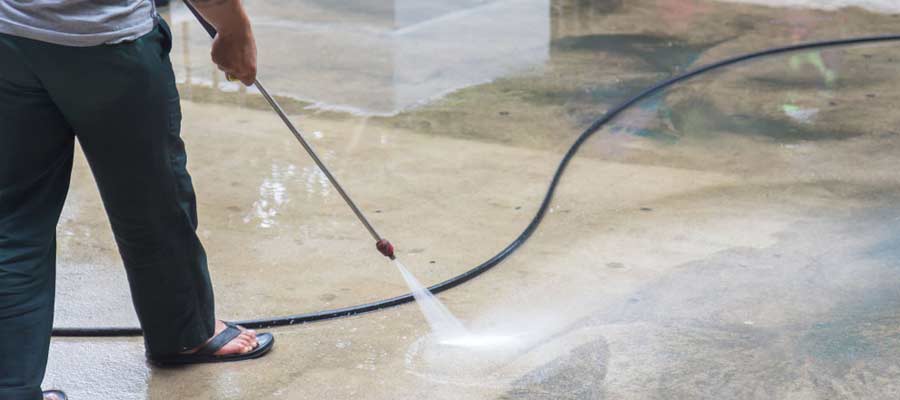
Protect delicate surfaces with professional travertine and natural stone cleaning services. From patios and walkways to pool decks and entryways, expert pressure washing removes dirt, algae, and buildup using safe methods. Proper care helps preserve stone integrity and long-term curb appeal.
Stamped Concrete Cleaning
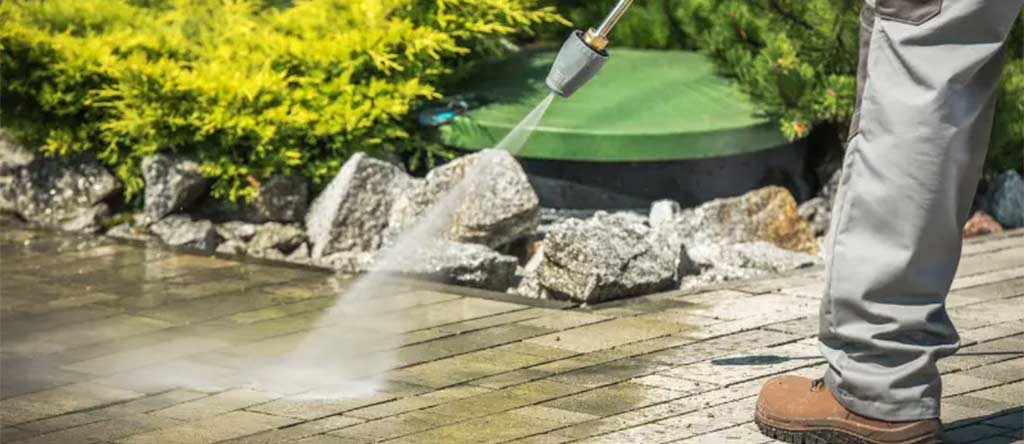
Restore the look of decorative surfaces with professional stamped concrete cleaning services. From patios and walkways to driveways and pool decks, expert pressure washing removes dirt, stains, and buildup without damaging the finish. Proper cleaning helps preserve appearance and extend surface life.
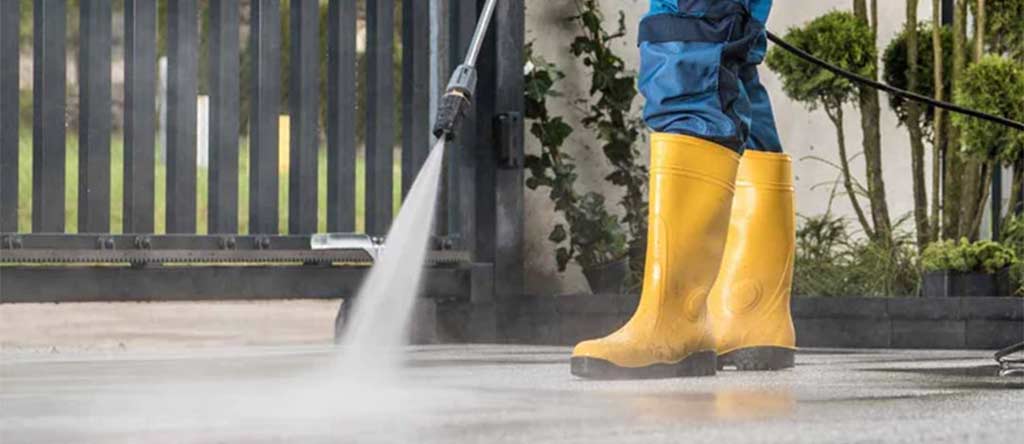
Sports Court Cleaning
Keep sports courts clean, safe, and playable with professional pressure washing services. From basketball and tennis courts to surrounding concrete areas, expert cleaning removes dirt, algae, and surface buildup effectively. Routine maintenance improves traction, appearance, and overall court performance.
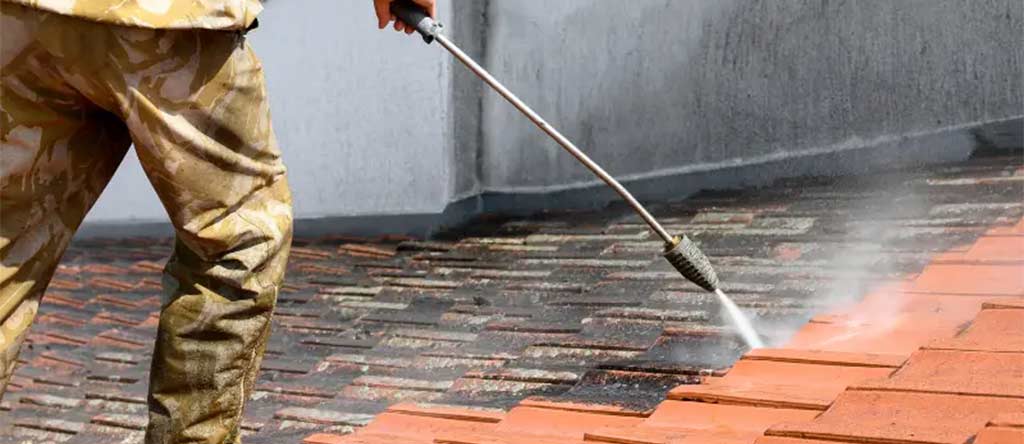
Retaining Wall Cleaning
Keep retaining walls looking clean and structurally sound with professional cleaning services. From concrete and stone walls to landscaped retaining systems, expert pressure washing removes dirt, algae, and buildup safely. Proper cleaning helps protect surfaces and maintain a polished property appearance.