
An HOA board member named Charlene manages the community pool at a neighborhood in Spring. About 200 homes. The pool gets heavy use from Memorial Day through Labor Day.
I received a call from a child who had fallen and scraped his knee.
Nothing serious. Minor scrape. Mom wasn’t even that upset. But Charlene looked at where it happened and saw the problem.
The concrete was covered with a green film. The textured surface was home to algae growth. Slick when wet. The whole deck had developed that slimy feel that comes from a Houston summer near chlorinated water.
“We clean the pool every week,” Charlene said. “But nobody’s touched the deck since… I don’t even know when.”
That’s how it goes with pool decks. People focus on the water. Chemical balance. Filtration. Skimming. The deck is just concrete. Concrete takes care of itself, right?
Except it doesn’t. Especially in Houston. Humidity feeds algae growth. Pool splash keeps surfaces damp. Sunscreen and body oils coat the concrete. Everything accumulates.
We cleaned Charlene’s pool deck before the Fourth of July weekend. The whole surface. The entire surface, including the deck, coping, surrounding concrete, and the pavilion pad, was cleaned.
“Like a different pool,” Charlene said. “This should have been done every spring.”
Yeah. It would’ve been safer all along. But better late than never.
Snapshot
| Factor | What to Know |
| Cleaning frequency | Twice yearly minimum. Pre-pool season and mid-summer are the ideal times for cleaning. |
| Cost range | $150-$800+, depending on deck size and condition |
| Safety factor | Algae creates slip hazards. Clean decks are safer decks. |
| Houston reality | Humidity plus pool moisture equals rapid algae growth |
| Best timing | Early spring before the pool opens. Mid-season refresh in July. |
Why Pool Deck Pressure Washing Matters for Safety
Pool decks are wet surfaces where people walk barefoot. Kids run even when you tell them not to. That combination demands attention to slip hazards.
Algae is the main culprit. A green film forms on the textured concrete surface. Invisible when dry. Slick as ice when wet. Perfect conditions for falls.
In Houston, algae grows fast. High humidity. The constant moisture from pool splashes is a contributing factor. Warm temperatures. The deck is basically a petri dish from May through September.
A deck that seemed fine in April feels slimy by June. The texture that’s supposed to provide traction gets filled with growth. Instead of providing grip, the texture causes feet to slip.
Beyond safety, there’s appearance. Pool areas should look inviting. Clean and bright. It should be a place where people want to spend their time.
A dirty deck looks neglected. The deck is littered with green patches, dark stains, and grimy coping. This condition raises questions about the quality of the water. If the deck is dirty, maybe the pool is dirty.
A property manager named Jerome runs a 400-unit apartment complex in The Woodlands. Pool is a major amenity. Affects leasing.
“Prospective tenants see the pool during tours,” Jerome said. “A dirty deck kills the vibe. A clean deck closes leases. It’s that simple.”
He cleans twice a year now. He cleans before the pool season and mid-July, when the buildup becomes noticeable.
A safe and clean deck contributes to the happiness of the residents. Worth the investment.
What Pool Deck Pressure Washing Covers
The benefits of pool deck pressure washing extend beyond just the flat surfaces. Complete pool deck cleaning addresses everything in the pool area.
Main Deck Surface
The primary walking area. The main deck surface is composed of concrete, pavers, cool deck coating, and travertine. The pool is surrounded by a variety of materials.
Algae grows on textured surfaces designed for traction. Algae grows in the grooves and ridges of the surface. It creates the opposite of what the texture was supposed to do.
Sunscreen and body oil coat the surface. Combine with a chlorine splash to create a sticky buildup. Attracts dirt and pollen.
Pool parties leave food and drink spills behind. This includes spills of soda, beer, and popsicles. All of it leaves marks that don’t wash away on their own.
The deck needs appropriate pressure for the surface type. Overly intense pressure can cause damage to cool deck coatings. Pavers need seams cleaned. Different materials, different approaches.
Pool Coping and Edge Tiles
The edge materials. Where deck meets water. Where everyone puts their hands and climbs in and out.
Coping gets constantly splashed. Chlorine deposits build up. Calcium scale forms in hard water areas. This accumulation results in a white, crusty buildup that is aesthetically unappealing.
Tile lines collect body oils, sunscreen residue, and algae. The grout darkens. The tile loses its shine.
Cleaning coping and tile requires care. Can’t blast delicate materials. Need the right pressure and sometimes chemical treatment for scale.
Furniture Pads and Seating Areas
This is the area where chairs and loungers are situated. People store their belongings in these areas. Where sunscreen bottles leak.
These spots get extra contamination from concentrated use. Sunscreen puddles under loungers. Drinks spill beside chairs. Towels drip in the same spots repeatedly.
Moving furniture and cleaning underneath reveals how much accumulates. These areas often accumulate significantly more dirt than those on the open deck.
Pavilion and Shade Structures
The covered areas are typically located near the pool. Pavilions, pergolas, and cabanas. These are areas where people congregate to escape the sun’s heat.
Shaded concrete grows mildew faster than sunny areas. There is insufficient UV radiation to inhibit the growth of mildew. Stays damp longer. The conditions are ideal for the development of green and black stains.
Pavilion columns and posts collect splashback and hand grime. Support structures show dirt at contact height.
Community pool manager named Wanda oversees a neighborhood facility in Klein. Big pavilion for parties.
“The pavilion floor was almost black from mildew,” Wanda said. “People didn’t want to use it. Looked gross. One cleaning and it was light gray again. Like new.”
Shade structures need extra attention. Can’t skip them.
Restroom and Changing Area Exteriors
These areas include pool houses, bathroom buildings, and changing rooms. These structures provide support to the pool area.
Exterior walls near pools get splashed frequently. Chlorine residue builds up. Mildew grows on shaded sides. Looks neglected quickly.
Entry paths to restrooms see heavy foot traffic. Wet feet leave a trail of water, sunscreen, and grass behind. Creates distinct dirty paths.
Clean buildings complete the pool area presentation. A clean deck is necessary to prevent dirty facilities.
Fencing and Gates
Pool perimeter fencing. Entry gates. Enclosing the pool area is crucial.
Metal fencing collects pollen, dirt, and cobwebs. Aluminum develops oxidation. Iron gets surface rust. All of it looks worse than it should.
Gate hardware gets constant handling. Hand oils, sunscreen, chlorine. The entry point shows wear.
Cleaning fencing brightens the whole pool perimeter. It infuses a sense of freshness into the enclosed space.
Types of Properties That Need Pool Deck Cleaning
Any property with a pool qualifies for pool deck cleaning. Residential or commercial. The maintenance needs are similar.
HOA and Community Pools
The neighborhood pools cater to dozens or hundreds of homes. Heavy use during summer. Board oversight on maintenance.
High traffic means faster contamination. The presence of more bodies in the pool leads to an increase in the amount of sunscreen on the deck. Twice-yearly cleaning minimum. Some communities clean three times per season.
Apartment and Multifamily Pools
Amenity pools at apartment complexes. Affect leasing and resident satisfaction. Management pays close attention.
These pools often see year-round use in Houston. Some residents swim in winter. Cleaning schedules need to account for extended seasons.
A leasing manager named Patricia works at a complex in Cypress. The pool is a selling point.
“We clean three times a year,” Patricia said. “Before leasing season in spring, mid-summer refresh, and fall before things slow down. Clean pool closes deals.”
Hotels and Hospitality
Guest pools are places where first impressions matter intensely. Reviews mention pool condition. A dirty deck gets photographed and posted.
Monthly cleaning is common for busy hotel pools. We cannot afford to overlook these issues when every guest is equipped with a mobile camera.
Fitness Centers and Clubs
Gyms and country clubs have a large member base. Members who pay for these facilities have high expectations. Appearance is part of what they’re paying for.
High-end facilities receive cleaning services either monthly or biweekly. Members notice when things aren’t perfect.
Residential Pools
Private homes often feature backyard pools. These pools may be smaller in size, but they still face the same issues. Homeowners want clean decks for family use and entertaining.
Annual or twice-yearly cleaning is typical. The cleaning usually takes place before the pool opens in the spring. Occasionally, the cleaning process is repeated in mid-summer if algae outbreaks occur.
Surface Types and Cleaning Considerations
Pool decks come in different materials. Each needs appropriate treatment.
Standard concrete handles pressure well. You can use higher PSI to remove stubborn stains. Standard concrete is considered the most forgiving surface to clean.
Cool deck coatings need lower pressure. The textured coating can chip or peel if blasted too hard. Requires finesse.
Pavers need some attention. Weeds grow between pavers. Polymeric sand washes out over time. Re-sealing may be necessary after cleaning.
Travertine and natural stone require a gentle approach. Acidic cleaners can etch. Too much pressure can damage. Soft washing is often best.
Stamped concrete needs appropriate pressure. High pressure can damage the stamped pattern and color. Test areas first.
Any surface can be cleaned safely. It just requires knowing what you’re dealing with and adjusting technique accordingly.
How Often Should Pool Decks Get Cleaned
The frequency of cleaning depends on the level of use and the rate at which algae grows in your particular environment.
Community and apartment pools need to be cleaned at least twice a year. Cleaning should occur both before the start of the pool season and during the mid-summer refresh. Heavy-use facilities may need three cleanings per season.
During the peak season, hotel pools need to be cleaned monthly. The importance of guest experience cannot be overstated.
Residential pools should be maintained once or twice a year. Before opening in spring. Similarly, if algae is taking over, it should be cleaned by mid-summer.
Shaded decks need more frequent cleaning. Less sunlight means faster algae growth. More moisture retention. The green comes back faster.
Houston’s climate pushes toward more frequent cleaning. Our humidity feeds growth that might not happen in drier climates. Don’t compare it to what works in Arizona.
Most pool facilities do best with spring cleaning before opening and a mid-season refresh in July. This covers the peak usage period.
What Pool Deck Pressure Washing Costs
Pricing varies based on deck size and condition. But here’s what most properties can expect.
Residential pool decks run $150-$350 for standard cleaning.
A small community pool runs $300-$500.
A medium community or apartment pool runs $400-$700.
A large commercial pool with an extensive deck area costs $600–$1,200.
Pavilions and shade structures add $100 to $300, depending on size.
Heavy algae or neglected decks need extra treatment. Add 20-30% for severe conditions.
Seasonal contracts lower per-visit costs. Lock in twice-yearly service, and pricing gets friendlier.
Compare cleaning costs to one slip-and-fall incident. One injury on a slick deck costs more than years of cleaning. Charlene understood that the kid had scraped his knee.
Current Trends in Pool Deck Maintenance
More properties are adding a mid-season refresh to spring cleaning. One cleaning isn’t enough for Houston summers.
Algae treatment is becoming standard. It’s important to not only clean the algae but also apply a treatment to slow down its regrowth. Extends time between cleanings.
Cool deck coating maintenance is gaining attention. Proper cleaning extends coating life. Neglect leads to premature recoating.
Pre-season cleaning is moving earlier. The cleaning should be done in late February or early March, not in April. The decks should be ready before the first warm weekend.
FAQs
Will pressure washing affect the pool water?
With proper technique, the impact will be minimal. We direct water away from the pool when possible. Any minor splash dilutes quickly in pool volume. Pool chemicals handle it.
How long before the deck can be used after cleaning?
In Houston heat, it typically takes 2-4 hours for the surfaces to dry completely. We can clean in sections if the pool needs to stay partially open.
Will pressure washing damage my cool Deck coating?
Not with proper technique. We use appropriate pressure for coated surfaces. Too much pressure can damage, but experienced operators know the limits.
Can you clean around the pool furniture, or should we move it?
Best results come from moving furniture. We can help relocate items. Cleaning underneath reveals how much accumulates under loungers and chairs.
Should pool deck cleaning happen before or after the pool service visit?
Before is slightly better. Pool service can adjust chemicals if any runoff affected water. But timing doesn’t have to be exact. Both approaches work.
Why Klein Pressure Washing
We clean pool decks across Spring, Klein, The Woodlands, Cypress, and greater Houston. Twenty years doing this. HOA pools. Apartment complexes. Hotels. Residential backyards. All of it.
We know pool deck surfaces. We know how to apply the correct pressure to each material. Careful work around pool equipment. We understand the safety stakes.
Charlene’s community pool is safe for kids now. Jerome closes leases because his pool looks perfect. Wanda’s pavilion isn’t gross anymore. Patricia’s residents love their pool area.
Your pool deck is either an asset or a liability. Clean decks are safe decks. Safe decks are good for business and for families. Worth the investment.
Call us. We’ll look at your pool area, figure out what it needs, and give you a straight price. If you want seasonal service, we’ll set up a schedule that keeps your deck clean and safe all summer.
Clean deck. Safe swimmers. Happy members. Worth the money.
Blog Articles About Pressure Washing – House Washing (Soft Wash) Service By Klein Pressure Washing in The Woodlands, TX!
Travertine and Natural Stone Cleaning
Protect delicate surfaces with professional travertine and natural stone cleaning services. From patios and walkways to pool decks and entryways, expert pressure washing removes dirt, algae, and buildup using safe methods. Proper care helps preserve stone integrity and long-term curb appeal.
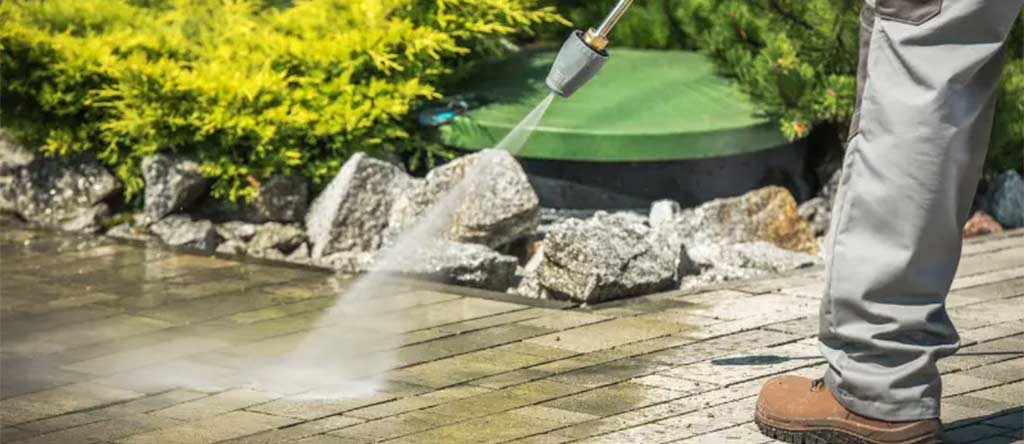
Stamped Concrete Cleaning
Restore the look of decorative surfaces with professional stamped concrete cleaning services. From patios and walkways to driveways and pool decks, expert pressure washing removes dirt, stains, and buildup without damaging the finish. Proper cleaning helps preserve appearance and extend surface life.
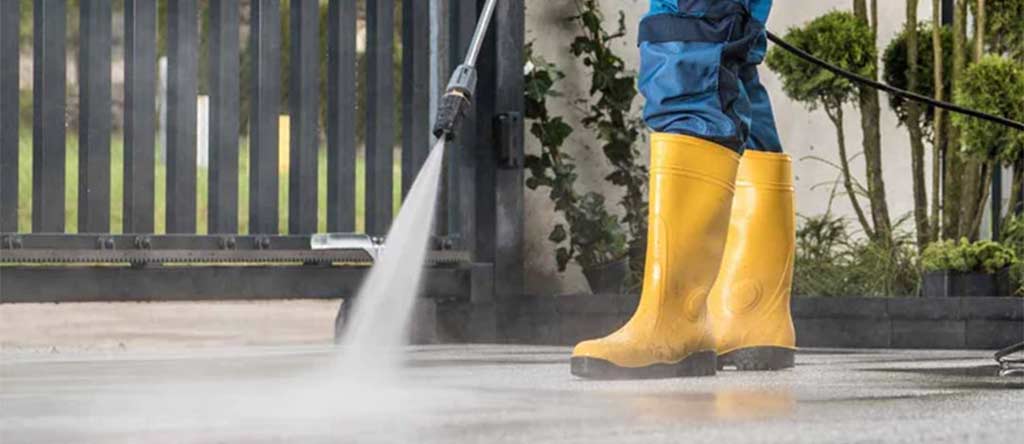
Sports Court Cleaning
Keep sports courts clean, safe, and playable with professional pressure washing services. From basketball and tennis courts to surrounding concrete areas, expert cleaning removes dirt, algae, and surface buildup effectively. Routine maintenance improves traction, appearance, and overall court performance.
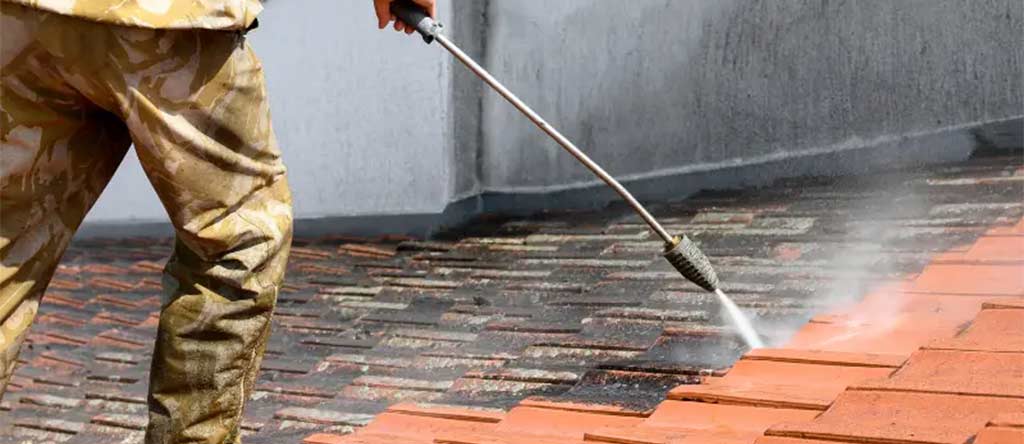
Retaining Wall Cleaning
Keep retaining walls looking clean and structurally sound with professional cleaning services. From concrete and stone walls to landscaped retaining systems, expert pressure washing removes dirt, algae, and buildup safely. Proper cleaning helps protect surfaces and maintain a polished property appearance.