
A homeowner named Greg has a three-car garage at his house in Spring. Nice home. Well maintained. Cars are parked inside every night.
Greg called me because he was about to spend eight thousand dollars on epoxy coating.
“The floor looks terrible,” Greg said. “Oil stains everywhere. There are dark patches where cars are parked. The lawn mower has left stains in these areas. I figured that the only way to fix it was to coat everything.
I asked if he’d ever cleaned it. Like, really cleaned it. Not swept. Not mopped. Pressure washed with degreaser.
“You can clean this?” Greg asked.
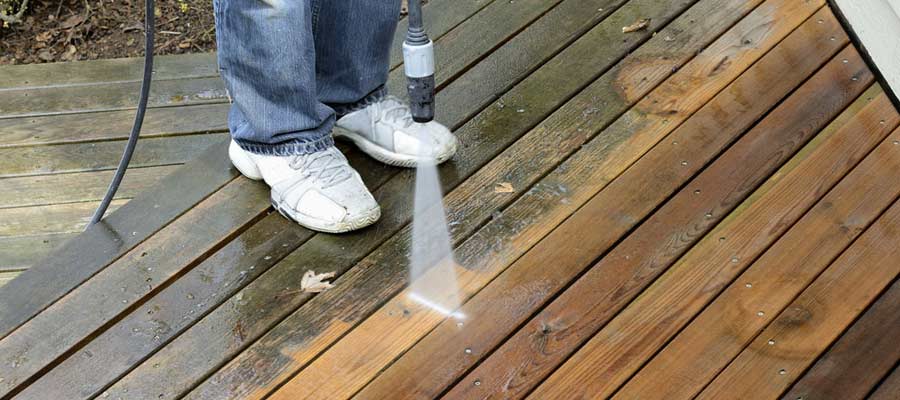
We cleaned it. Hot water. Commercial degreaser. Use a surface cleaner to ensure uniform results. Took about three hours.
The floor came back light gray. Not perfect. Some old stains had penetrated too deep. But about 85% of what Greg thought was permanent damage was just accumulated grime.
“I was about to spend eight grand because I didn’t know you could clean it,” Greg said. “This cost me three hundred dollars.”
Yeah. Many people don’t think about cleaning garage floors. They just let the mess accumulate until it seems unfixable. Then they cover it up or live with it.
Cleaning first. Always worth trying.
Snapshot
| Factor | What to Know |
| Cleaning frequency | Annually for most homeowners. More often for heavy DIY use. |
| Cost range | $150-$400 for residential garage. Size and condition affect price. |
| Main challenge | Oil and automotive fluids. Requires hot water and degreaser. |
| Houston reality | Heat causes more fluid leaks. Summer driving brings in more contamination. |
| Best timing | Spring cleaning or before listing a home for sale |
Why Garage Floor Cleaning Matters
Garages are workspaces. Storage areas. These areas serve as transition zones between the outside and the inside. They see constant use and collect constant contamination.
Every time a car pulls in, it brings something. Oil drips from engines. Transmission fluid seeps from seals. Coolant leaks from aging hoses. Power steering fluid. Brake fluid. Every automotive system that can leak eventually does.
Beyond automotive fluids, garages collect everything else. Lawn mower fuel spills. Paint drips from projects. Fertilizer was tracked in from the yard. Mud from boots. Anything that falls off the workbench finds its way into the concrete.
Over time, all of it soaks into the concrete. Creates dark patches. Discolors the surface. This discoloration makes the entire floor appear aged and neglected.
In Houston, the problem accelerates. Summer heat makes vehicles leak more. Thermal expansion opens seals. High temperatures thin fluids. Cars drip more in August than in February.
A garage floor that looked fine five years ago looks terrible now. Not because the concrete is damaged. Because years of contamination have accumulated.
Realtor named Tamika works the Spring and Klein markets. Tamika frequently observes garages during the listing process.
“A dirty garage floor kills first impressions,” Tamika said. “Buyers open that door from the kitchen, look down, and see stains everywhere. They start wondering what else wasn’t maintained. A clean garage floor costs a few hundred. The impression is worth thousands.”
She recommends garage floor cleaning for every listing. Part of the prep.
Clean garage, better impression. Simple as that.
What Garage Floor Pressure Washing Covers
The process goes beyond simply sprinkling water on the concrete. Proper garage floor cleaning addresses the specific contamination these spaces accumulate.
Oil and Automotive Fluid Stains
The main event. There are areas of darkness where vehicles are parked. The contamination that defines a neglected garage floor.
Oil doesn’t just sit on concrete. It soaks in. Penetrates the pores. This process leaves behind stains that extend beyond the surface.
Removing oil requires chemistry. Hot water helps. Commercial degreaser emulsifies the oil so water can carry it away. Cold water and plain pressure just push oil around.
Fresh stains come out easier than old ones. Oil that’s been baking into concrete for years penetrates deeper. The oil may not be completely dissolved. But most lightens significantly.
Pretreatment helps with heavy staining. Apply degreaser before pressure washing. Let it work. Then clean.
Tire Marks and Traffic Patterns
The paths vehicles take. The dark arcs form where the tires turn. Scuff marks from backing in and pulling out.
Tire rubber transfers to concrete over time. Creates dark tracking that follows vehicle movement. Shows exactly where cars park and turn.
Hot tires from summer driving leave more rubber than cool tires. Houston heat makes this worse. Tires coming off hot pavement transfer more.
Most tire marks come up with proper cleaning. Some deep marks may leave shadows. Regular cleaning prevents buildup from getting too severe.
Workshop Area Contamination
Where projects happen. The workbench area. The space where things get built, fixed, and sometimes spilled.
Paint drips from refinishing projects. Stain and finish from woodworking. Sawdust mixed with oil from maintenance projects. Whatever falls from the bench.
Workshop messes vary widely. Some come up easily. Paint on unsealed concrete can be stubborn. Different contaminants need different approaches.
Homeowner named Derek uses his garage as a full workshop in The Woodlands. Woodworking, small engine repair, car maintenance.
“Floor looked like a Jackson Pollock painting,” Derek said. “Every project left something behind. Didn’t think it could ever look clean again.”
It looked clean again. Not perfect. But dramatically better than before.
Entry Areas and Transition Zones
Where people walk in and out. The path from vehicle to house door. From outside to inside.
Foot traffic creates distinct dirty paths. Mud tracked from the yard. Grass clippings from the lawn mower. Salt residue from the coast. Whatever is on shoes ends up on the floor.
The door threshold area often shows the most wear. Concentrated traffic in and out. Cleaning this zone makes the whole garage feel fresher.
Storage and Shelving Zones
Where stuff sits. Under and around shelving units. Behind storage cabinets.
These areas accumulate dust, debris, and whatever leaks from stored items. Fertilizer bags leak. Paint cans drip. Coolers leave water marks.
Moving items and cleaning underneath reveals how much accumulates in hidden areas. Often dirtier than visible spaces.
The Process for Garage Floor Cleaning
Proper garage floor cleaning follows a specific sequence. Each step builds on the previous.
First, clearing the space. Vehicles out. Loose items moved. Access to the entire floor surface. Can’t clean around obstacles and get good results.
Second, pretreatment. Heavy oil stains get degreaser applied first. Let it work for 10-15 minutes. Starts breaking down the contamination before water touches it.
Third, pressure washing with a surface cleaner. The spinning bar creates even results. No stripes or lines. Consistent cleaning across the whole floor.
Fourth, detail work. Edges along walls. Corners. Areas the surface cleaner can’t reach. May require wand work and spot treatment.
Fifth, rinsing and extraction. Push contaminated water out. Don’t leave dirty water to dry on the surface. Proper drainage matters.
Hot water makes a significant difference for garage floors. The heat helps emulsify oil and grease. Cold water pressure washing leaves more contamination behind.
When Garage Floors Should Get Cleaned
Certain situations make garage floor cleaning especially valuable.
Before Selling a Home
Buyers see everything. Including the garage floor. Clean floors suggest a maintained home. Dirty floors raise questions.
Tamika includes garage floor cleaning in her pre-listing checklist. Part of preparing a home to show well. Worth the investment for the impression.
Before Applying Epoxy or Coating
Any coating requires clean concrete to bond properly. Dirt, oil, and contamination prevent adhesion. The coating fails.
Professional pressure washing is often required before coating application. The prep determines how well the coating performs.
Some homeowners discover cleaning alone is enough. Greg was ready for epoxy. Cleaning made him realize he didn’t need it.
After Vehicle Repairs or Maintenance
DIY mechanics know the mess. Oil changes, brake jobs, coolant flushes. Everything drips somewhere.
Cleaning after major projects prevents stains from setting permanently. Fresh contamination comes up easier than old.
Annual Spring Cleaning
Part of whole-house maintenance. Cleaning the garage along with driveways, sidewalks, and exterior surfaces.
Annual cleaning prevents buildup from becoming overwhelming. Easier to maintain than to restore.
After Moving Into a New Home
Previous owners’ contamination. Years of their vehicles’ leaks. Their projects’ messes. Starting fresh in your new home.
Cleaning removes the previous owners’ history. Gives you a clean slate to maintain going forward.
What Garage Floor Cleaning Cannot Fix
Honest expectations matter. Cleaning improves things dramatically but has limits.
Deep penetration stains may not come out completely. Oil that’s been soaking into unsealed concrete for decades goes deeper than cleaning reaches. Will lighten but may leave shadows.
Paint that’s bonded to concrete requires different treatment. Pressure washing removes loose paint but may not strip well-adhered coatings.
Pitting and spalling are structural issues. Surface damage where concrete has broken down. Cleaning doesn’t repair damaged concrete.
Color variations in the concrete itself remain. If the concrete was poured with color differences, cleaning reveals rather than fixes that.
Most homeowners are surprised at how much improvement is possible. Greg expected maybe 50% better. Got 85%. The results typically exceed expectations.
How Often Should Garage Floors Get Cleaned
Depends on use and how much contamination accumulates.
Average residential garages do well with annual cleaning. Regular vehicle storage without heavy workshop use. Keeps accumulation manageable.
Active workshop spaces may need more frequent cleaning. Every six months for heavy use. Prevents project contamination from building up.
Homes with older vehicles or known leakers need more attention. If your car drips, your floor needs more frequent cleaning.
Commercial garages with high traffic need quarterly or monthly service. The volume of vehicles means faster contamination.
Most homeowners find annual cleaning sufficient. Addresses the year’s accumulation before it becomes overwhelming.
What Garage Floor Pressure Washing Costs
Pricing varies based on garage size and condition.
A single-car garage runs $150-$200 for standard cleaning.
A two-car garage runs $200-$300.
A three-car garage runs $275-$400.
Heavy oil contamination or neglected floors add to the cost. Need more degreaser, more time, and more passes.
Workshop areas with mixed contamination may need special treatment. Pricing reflects complexity.
Bundling garage floor with driveway cleaning usually saves money. Equipment is already there. Combined pricing makes sense.
Compare cleaning costs to alternatives. Epoxy coating runs $3,000-$8,000. Cleaning first costs a fraction. If cleaning solves the problem, coating becomes optional rather than necessary.
Current Trends in Garage Floor Maintenance
More homeowners are recognizing garage floors as maintainable surfaces. Not just spaces to neglect until renovation.
Cleaning before coating is becoming standard practice. Contractors require professional prep before applying epoxy.
Annual cleaning packages are gaining popularity. Garage floor bundled with driveway and other exterior surfaces.
Pre-sale cleaning is now a standard recommendation from realtors. Recognized as a high-value, low-cost improvement.
FAQs
Will pressure washing remove all oil stains?
Most stains lighten significantly. Fresh stains often come out completely. Very old, deep stains may leave shadows. Results typically exceed expectations, but complete removal isn’t always possible.
Do I need to move everything out of the garage?
Vehicles must be out. We can work around wall-mounted shelving and anchored items. Loose items on the floor need to be moved. The more access, the better the results.
How long before I can park in the garage again?
Allow 4-6 hours for concrete to dry in Houston conditions. Longer on humid days or for shaded garages. We can give you a time estimate based on your specific situation.
Should I seal the floor after cleaning?
Optional but beneficial. Sealer helps prevent future staining by closing concrete pores. Makes ongoing maintenance easier. Not required but extends time between cleanings.
Can you clean a garage floor in winter?
Yes, weather permitting. Houston winters rarely get cold enough to prevent cleaning. We need temperatures above 40 degrees and time for the floor to dry before overnight lows.
Why Klein Pressure Washing
We clean garage floors across Spring, Klein, The Woodlands, Cypress, and greater Houston. Twenty years doing this. Single-car garages to multi-bay workshops. Light maintenance to heavy restoration.
Hot water equipment for oil and grease. Commercial degreaser that actually works. Surface cleaners for even results. We know what garage floors need.
Greg saved eight thousand dollars by cleaning instead of coating. Derek’s workshop floor looks respectable again. Tamika’s listings show better. Dozens of homeowners every year discover their floors aren’t ruined, just dirty.
Your garage floor might look better than you think. Might just need proper cleaning to reveal what’s underneath all that accumulated contamination.
Call us. We’ll look at your garage floor, give you realistic expectations, and tell you what cleaning can accomplish. If it needs more than cleaning, we’ll be honest about that too.
Clean the floor. Fresh start. Worth the money.
Blog Posts About Power Washing – Roof Cleaning Service By Klein Pressure Washing in Houston Heights, Texas…
Travertine and Natural Stone Cleaning
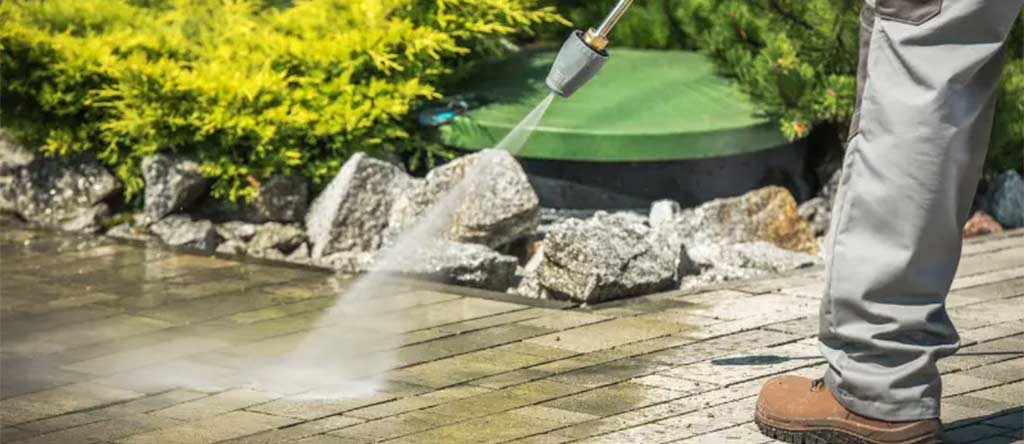
Protect delicate surfaces with professional travertine and natural stone cleaning services. From patios and walkways to pool decks and entryways, expert pressure washing removes dirt, algae, and buildup using safe methods. Proper care helps preserve stone integrity and long-term curb appeal.
Stamped Concrete Cleaning
Restore the look of decorative surfaces with professional stamped concrete cleaning services. From patios and walkways to driveways and pool decks, expert pressure washing removes dirt, stains, and buildup without damaging the finish. Proper cleaning helps preserve appearance and extend surface life.
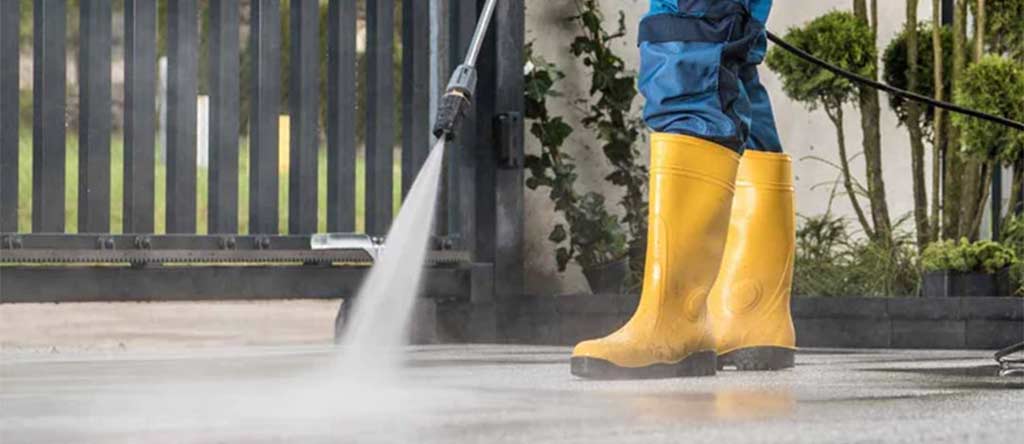
Sports Court Cleaning
Keep sports courts clean, safe, and playable with professional pressure washing services. From basketball and tennis courts to surrounding concrete areas, expert cleaning removes dirt, algae, and surface buildup effectively. Routine maintenance improves traction, appearance, and overall court performance.
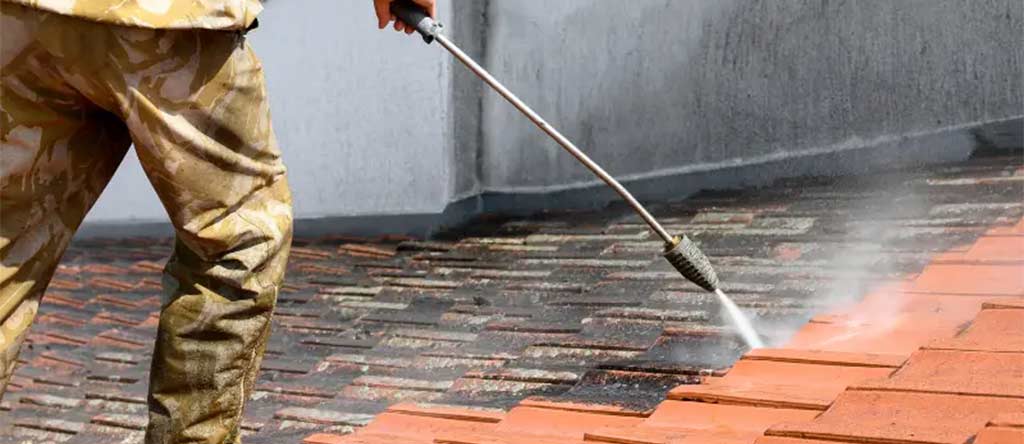
Retaining Wall Cleaning
Keep retaining walls looking clean and structurally sound with professional cleaning services. From concrete and stone walls to landscaped retaining systems, expert pressure washing removes dirt, algae, and buildup safely. Proper cleaning helps protect surfaces and maintain a polished property appearance.