
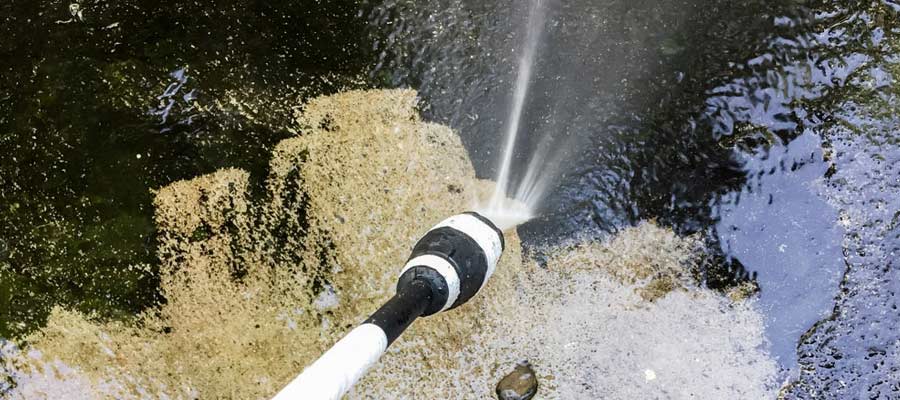
A guy named Ruben in Spring walked out to his car one morning. Noticed it again. Dark spot under where he parks. Started small a few months back. Now it’s the size of a dinner plate and spreading.
He’d already tried scrubbing with dish soap. Poured cat litter on it twice. Nothing worked.
“Will pressure washing actually get rid of this?” he asked me. “Or am I stuck with it?”
Short answer: yes. Pressure washing removes most oil stains when you pair it with the right degreaser, proper technique, and patience. But if you’re expecting to just spray water at it and watch it disappear? Going to be disappointed. There’s a process.
Snapshot
| Factor | What to Know |
| Water alone | Won’t work. Oil repels water. Need a degreaser. |
| Best pressure | 2,500 to 3,000 PSI with 15 or 25 degree nozzle |
| Fresh stains | Lift easily with standard treatment |
| Old stains (6 to 12+ months) | May need multiple treatments. Hot water helps. |
| Texas factor | UV and summer heat cook oil into concrete faster |
Why Oil Stains Are Such a Pain
Oil stains show up from all kinds of sources. Your car. Lawn mower. Generator. That time you changed your own oil and got careless. Whatever the source, once oil hits your driveway, it doesn’t just sit there looking ugly. It works its way down into the pores.
Here’s the problem. Oil and water don’t mix. Literally. They repel each other at a molecular level. When you try to rinse oil with regular water, water just rolls right off. That’s why you can hose down your driveway, and the stain’s still there mocking you.
Pressure washing works because it’s not just about water. It’s about using forceful jets to physically break apart the oil, flush it out of those pores, and rinse everything away. But you have to do it right.
How Pressure Washing Actually Removes Oil
Three things happen at once when you do this properly.
High-pressure water combined with degreaser breaks down surface tension. That’s what lets oil cling to concrete. Degreaser weakens the bond. Pressure does the rest. Like finally getting sticky label residue off a jar after you’ve soaked it.
Pressure forces water and degreaser into the pores. Flushes out oil that’s been hiding deeper down for weeks or months. Concrete’s porous. Oil doesn’t stay on the surface. It hides.
Then you’re rinsing everything away. Broken-down oil. Degreaser residue. Contaminants. Skip a thorough rinse, and some of that oil can resurface as concrete dries. Not what you want.
What Determines Whether Oil Stain Removal Works
Surface type matters more than people realize. Smooth sealed concrete? Oil mostly stays on top. Comes off easier. Porous unsealed concrete or pavers? Oil penetrates deeper. Needs more aggressive pretreatment. If your driveway’s never been sealed, you’re fighting uphill. Oil had an open invitation to sink as deep as it wanted.
Different oils behave differently. Light automotive drips usually lift quickly with standard degreaser. Thick engine or hydraulic oil needs industrial-strength stuff and more work. That puddle from your lawn mower is a different beast than what leaked from a work truck’s transmission.
Time is not your friend. Fresh stains give you the best shot at complete removal. Six to twelve months old? Multiple treatments. Probably hot water. Maybe specialty cleaners. The longer oil sits, the deeper it bonds.
A woman in The Woodlands named Angela had an oil stain she’d been ignoring for over a year. By the time she called us, it had cooked into the concrete through two Texas summers. We lightened it significantly but couldn’t remove it completely. Too deep. Too bonded.
“If I’d called when it first happened?” she asked.
“Probably would’ve come out completely,” I told her.
That’s the reality. Fresh stains are a different job than old ones.
Texas Heat Makes Everything Worse
We’ve got another factor working against us here. Brutal UV exposure. Summer temperatures are hitting a hundred plus degrees. When your concrete’s that hot, oil basically cooks into the surface.
Difference between wiping up a cold grease spill versus one that’s been sitting on a hot griddle. That’s what’s happening to your driveway every summer.
On the flip side, that same heat helps degreasers work more effectively during cleaning. Double-edged sword. But catching stains early produces way better results here than in cooler climates.
How to Remove Oil Stains the Right Way
Before anything else, deal with surface oil. Cat litter works. Sawdust works. Absorbent pads from the auto parts store. Spread it over the stain. Press down lightly. Leave it fifteen to thirty minutes. Sweep it up. Remove as much loose oil as possible before you start washing.
Apply degreaser designed for concrete and petroleum stains. Pour it on generously. Don’t be cheap. Let it sit ten to twenty minutes. Gives chemicals time to break down oil molecules. Rush this step and you’re wasting time.
Grab a stiff brush. Work that degreaser into the concrete. This step alone increases success rate dramatically. Helps the cleaner penetrate deeper into pores where oil is hiding.
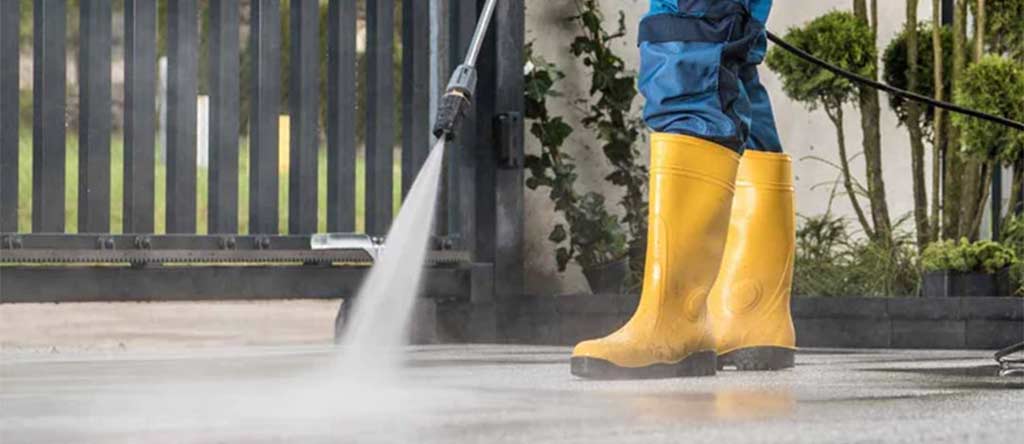
Use a 15 or 25 degree nozzle. 2,500 to 3,000 PSI. Hold the wand 12 to 24 inches from the surface. Slow overlapping passes. Don’t camp out in one spot. That’s how you etch permanent marks into concrete.
Rinse until there’s nothing left. Every bit of degreaser and oil residue. If you leave anything behind, some of that oil can reappear once everything dries. Switch to a 40-degree nozzle and flush the whole area.
A guy in Cypress named Edgar tried this himself. Used dish soap instead of proper degreaser. Held the nozzle about four inches from the concrete because he figured more pressure meant better results.
Etched visible lines into his driveway. Permanent damage. The stain is still partially there.
“I was trying to save money,” Edgar said. “Now I need to seal the whole thing to hide the damage.”
Right technique matters. A wrong approach makes things worse.
How Other Methods Compare
Chemical cleaners alone can work on fresh, light stains. Anything that’s been sitting a while? You’ll be reapplying multiple times and scrubbing until your arms hurt.
Absorbent materials are great for soaking up fresh spills. Useless for stains that have already penetrated the surface.
Dish soap and scrubbing might lighten a very light stain. For most oil stains you’re wasting effort.
Pressure washing with proper degreaser is the most complete option for most homeowners. Chemical breakdown plus physical force to flush everything out. Especially once that stain’s been sitting a while.
What to Do After Cleaning Oil Stains
Once concrete’s dry, assess how well it worked. If you’re happy, think about sealing. Creates a protective barrier. Oil can’t penetrate as easily. Future stains are way easier to clean.
A couple in Klein named Robert and Michelle sealed their driveway right after we cleaned it. Robert’s truck still drips occasionally. But now oil sits on the surface. Wipes up with a rag. No more penetration. No more permanent stains.
“Best two hundred bucks we spent,” Michelle said. “Should’ve done it when we moved in.”
Sealing needs reapplication every few years. But it protects your investment. Makes maintenance way easier. Insurance for your driveway, basically.
FAQs
Can pressure washing remove old oil stains?
Yes, but older ones need more work. Stronger degreasers. Longer pretreatment. Ideally hot water. Complete removal is not guaranteed on really old stains, but you can usually lighten them significantly.
Is pressure washing safe for all driveways?
Safe for concrete, pavers, and stone when you use the correct pressure and nozzle. Problems happen when people crank PSI too high or use the wrong nozzle. Stick to 2,500 to 3,000 PSI with proper technique.
Will the oil stain come back?
Can if you don’t rinse completely. Leftover residue resurfaces as concrete dries. A thorough rinse prevents this. Also, if you don’t fix the leak, you’ll just get a new stain in the same spot.
Should I seal my driveway after cleaning?
Highly recommended. Especially in hot climates. Creates a barrier that prevents new stains from penetrating deeply. Makes future cleanup easier. Not required but smart.
Is it worth hiring a professional for oil stains?
For old, deep, or large stains, yes. Commercial degreasers. Hot water systems. Experience knowing what actually works. The cost difference between renting equipment and hiring someone who knows what they’re doing is usually smaller than people think.
Why Klein Pressure Washing
We’ve been removing oil stains across Spring, Klein, The Woodlands, Cypress, Tomball, and greater Houston for over twenty years. Single drips. Work trucks leaving their mark for months. Commercial parking lots. All of it.
Commercial equipment. Hot water capability when needed. Industrial degreasers that actually work. Not just spraying water at your driveway hoping for the best.
Ruben’s stain came out completely. Caught it at the right time. Angela’s lightened but couldn’t fully remove it. Too old. Edgar’s we cleaned, but that etched area from his DIY attempt is still there.
Timing matters. Technique matters.
Got oil stains? Don’t wait until they cook into your concrete through another Texas summer. Call us. We’ll look at what you’re dealing with and tell you honestly what we can do.
Articles Related to Power Washing – Graffiti Removal Service By Klein Pressure Washing in Bacliff, TX.
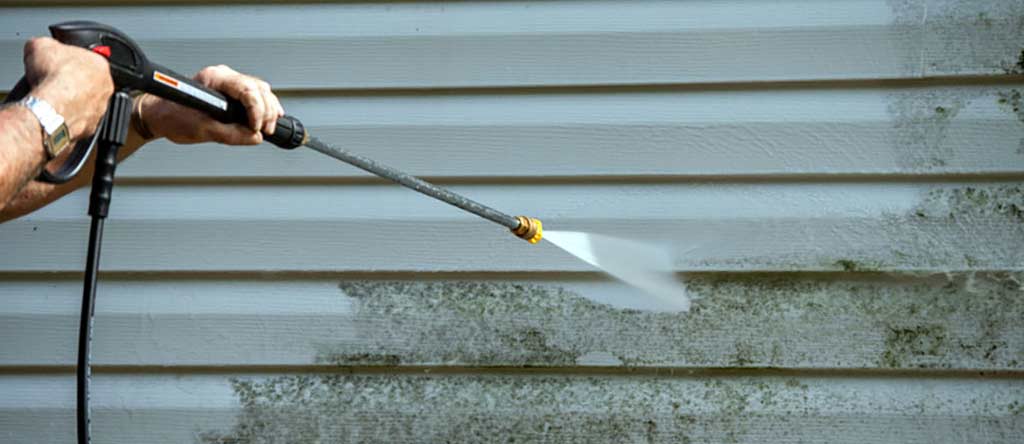
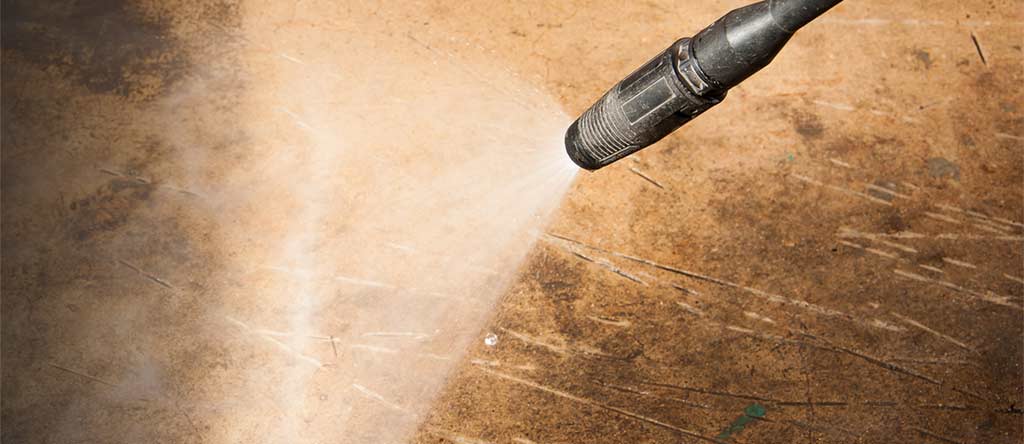
Travertine and Natural Stone Cleaning
Protect delicate surfaces with professional travertine and natural stone cleaning services. From patios and walkways to pool decks and entryways, expert pressure washing removes dirt, algae, and buildup using safe methods. Proper care helps preserve stone integrity and long-term curb appeal.
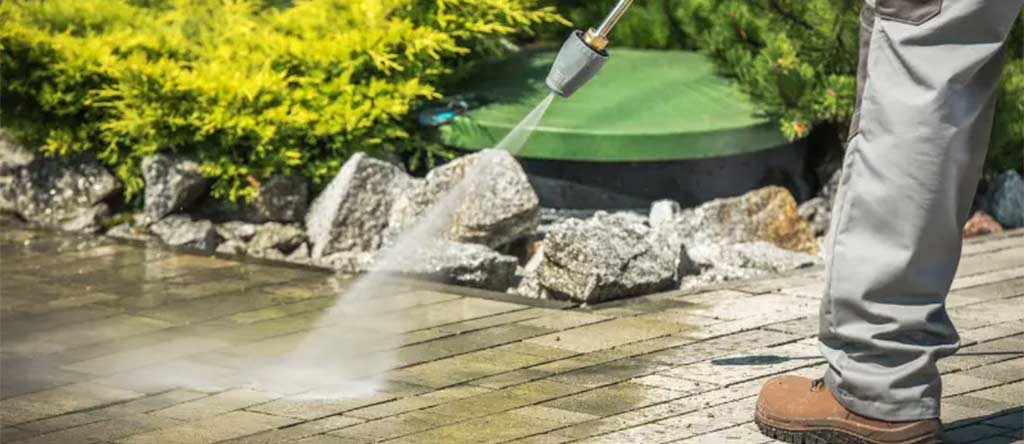
Stamped Concrete Cleaning
Restore the look of decorative surfaces with professional stamped concrete cleaning services. From patios and walkways to driveways and pool decks, expert pressure washing removes dirt, stains, and buildup without damaging the finish. Proper cleaning helps preserve appearance and extend surface life.
Sports Court Cleaning
Keep sports courts clean, safe, and playable with professional pressure washing services. From basketball and tennis courts to surrounding concrete areas, expert cleaning removes dirt, algae, and surface buildup effectively. Routine maintenance improves traction, appearance, and overall court performance.
Retaining Wall Cleaning
Keep retaining walls looking clean and structurally sound with professional cleaning services. From concrete and stone walls to landscaped retaining systems, expert pressure washing removes dirt, algae, and buildup safely. Proper cleaning helps protect surfaces and maintain a polished property appearance.