
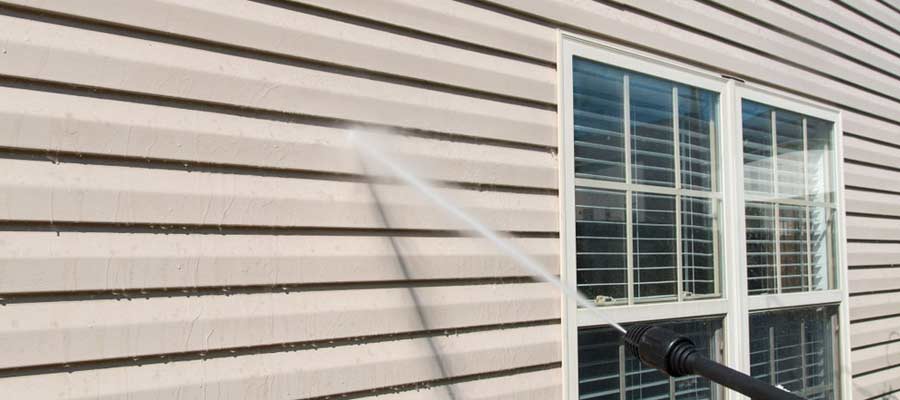
There’s a woman I know named Sandra who lives in Spring. She lives in a nice house in a subdivision with mature oak trees. She’d owned the place for seven years and never once thought about pressure washing. Never crossed her mind.
Then her daughter got engaged. Wedding photos at the house. Reception in the backyard. Suddenly Sandra actually looked at her home’s exterior for the first time in years.
What she saw wasn’t pretty.
The siding had turned from white to gray-green on the north side. The driveway was dark with oil stains and embedded dirt. The back patio—where they planned to set up reception tables—had black mold creeping across every corner. The wooden fence looked like it belonged to an abandoned property. Seven years of neglect showing all at once.
“I didn’t realize how bad it had gotten,” Sandra told me. “You see it every day, so you stop seeing it. Then suddenly you see it through someone else’s eyes and think—oh no.”
We cleaned the whole property in a day: siding, driveway, patio, fence, and deck. The transformation was dramatic. Like a different house. Her daughter cried when she saw it. The wedding photos came out beautifully.
“Why didn’t I do this years ago?” Sandra asked.
Good question. One we hear constantly.
Pressure washing is one of those services most homeowners don’t think about until something forces them to notice. A special event. Putting the house on the market. An HOA warning letter. A visiting relative who comments on the green stuff growing on the siding. Then suddenly it becomes obvious just how much buildup collects over time.
Between pollen, dust, humidity, and seasonal storms, homes in the Houston area see more exterior grime than people realize. It accumulates slowly. Invisibly. Until one day it’s not invisible anymore.
Quick Facts: Pressure Washing for Texas Homeowners
| Factor | Details |
| Cleaning Lifespan | 1–2 years depending on weather and surface type |
| Typical Cost | $150–$450 depending on home size and areas cleaned |
| Common Areas | Siding, roofs, patios, driveways, walkways, decks, fences |
| Best Seasons | Spring or fall for mild weather and faster drying |
| Texas Reality | Dust, pollen, humidity, and rain make regular cleaning essential |
Why Pressure Washing Matters
A clean home looks better. Obviously. But pressure washing does more than improve curb appeal.
Protects Your Surfaces
Mold, mildew, algae, and general grime trap moisture against surfaces. Over time, that moisture breaks things down. Discolors siding. Stains concrete. Causes wood to rot. Degrades paint and sealers.
Routine cleaning removes that buildup before it causes permanent damage. Cheaper than replacement. Easier than repairs.
A homeowner in The Woodlands—a guy named Walter who’d owned his home for 15 years—learned these lessons the hard way. Never cleaned his cedar fence. By the time he noticed the problem, the wood was rotted through in multiple sections. Needed full replacement.
“$4,200 for a new fence,” Walter said. “Annual cleaning would have cost maybe $200. Do the math.”
Math is obvious.
Health Benefits
Pollen, mold, and airborne debris collect on outdoor surfaces. Every time you walk through, you track it inside. Every time the wind blows, it gets stirred up. People with allergies or respiratory issues notice the difference.
Keeping the exterior clean reduces the amount of contaminants around your home. Cleaner outside means cleaner inside. Simple logic.
Property Value
First impressions matter. Buyers make judgments about home value and maintenance quality within seconds of pulling into the driveway. A dirty exterior suggests neglected maintenance. A clean exterior suggests a home that’s been cared for.
A real estate agent in Cypress—a woman named Rachel who’s been selling homes for 20 years—told me she always recommends pressure washing before listing.
“It’s the cheapest thing you can do with the biggest visual impact,” Rachel said. “$300–$400 investment that can affect how buyers perceive $50,000 worth of home value.”
She’s not exaggerating. Curb appeal is real.
Pressure Washing vs. Power Washing
People use these terms interchangeably. They’re not quite the same thing:
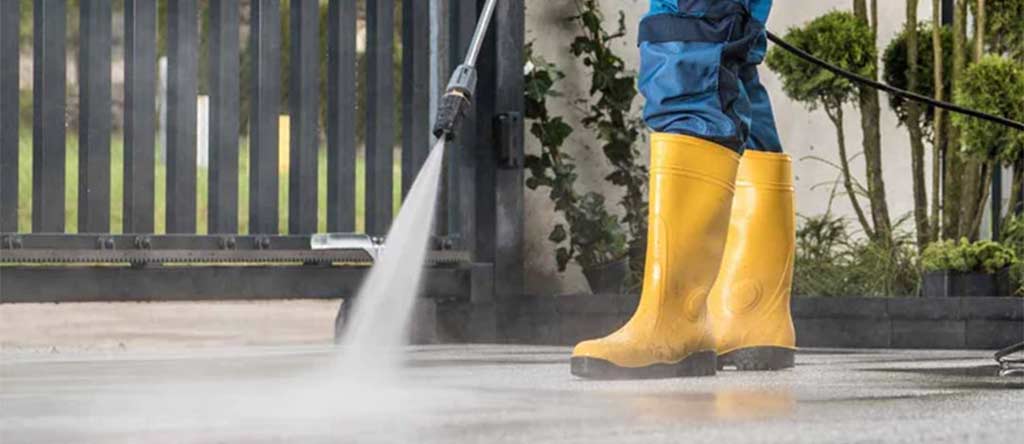
Pressure washing uses normal-temperature water under controlled pressure. Works for most residential cleaning. Siding. Driveways. Patios. Fences. Decks. Standard approach for most jobs.
Power washing uses heated water. The added heat helps dissolve grease, oil, and stubborn grime faster. Commercial equipment, heavily soiled concrete, restaurant grease, and industrial applications frequently utilize power washing.
For most residential exterior cleaning, pressure washing and soft washing provide all the cleaning power needed. The key is using the right technique—not blasting away at maximum pressure.
When to Pressure Wash Around Your Home
Different surfaces have different needs. Here’s when each area typically benefits from cleaning:
Siding
Collects dirt and pollen year-round, especially in humid climates. Houston-area homes are particularly vulnerable. Washing once a year prevents algae streaking and keeps finishes from permanently staining.
North-facing walls need extra attention. They stay shaded and damp longer. Mold loves those conditions. You might have one wall that stays clean and another that turns green. That’s normal. That’s Texas.
Different siding materials need different approaches. Vinyl handles pressure well. Stucco needs soft washing. Wood needs careful technique. Brick can take more force. Professionals adjust the method to the material.
Driveways and Patios
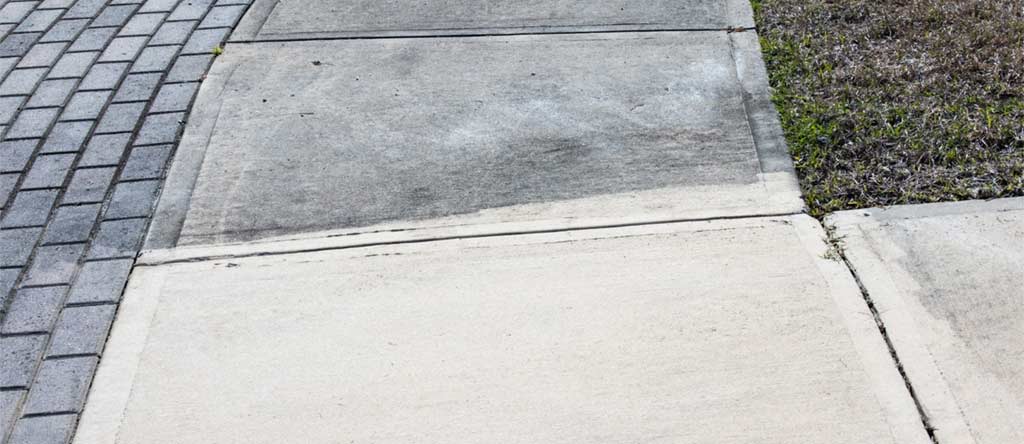
Clean when they start looking dark or slick. Oil drips from every car that parks there. Tire marks accumulate. Algae grows in shaded areas. General grime builds up from foot traffic, leaves, and dirt tracked from yards.
Removing algae also improves traction and safety—important when surfaces get wet. Slippery driveways and patios are liability concerns. Especially with older family members or guests who might not be steady on their feet.
Most driveways benefit from annual cleaning. High-traffic areas or heavily shaded spots might need twice yearly. If you’re seeing green or black growth, it’s time.
Roofs
Need treatment when black streaks, moss, or mildew appear. Those black streaks are usually Gloeocapsa magma—algae that feed on limestone in shingles. Left untreated, it spreads and damages roofing material.
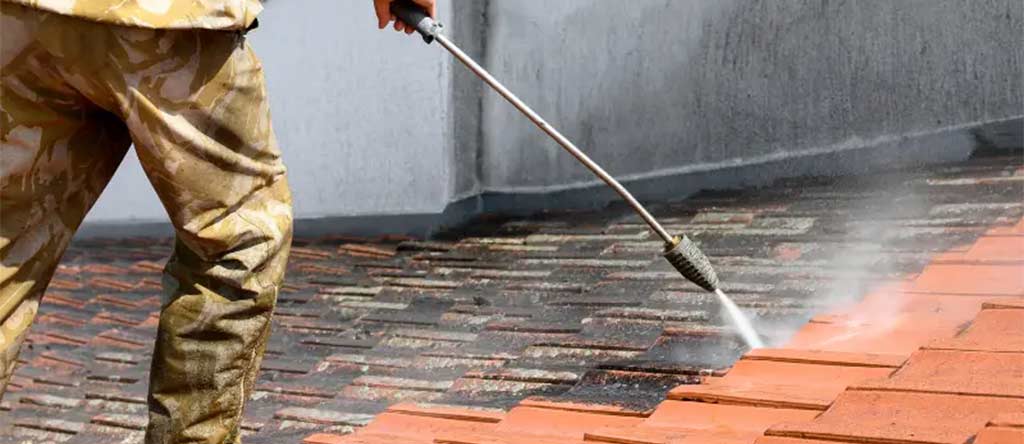
Roof cleaning is almost always done through soft washing, not high-pressure cleaning. High pressure damages shingles. Soft wash with appropriate chemicals kills the growth without damaging the roof.
Decks and Fences
Wood surfaces need regular cleaning to prevent rot and maintain appearance. Annual cleaning for most situations. More frequently if heavily shaded or near sprinklers.
Pressure must be carefully controlled on wood. Too much strips fibers and damages the surface. Professional technique makes a significant difference on wood.
Other Common Areas
Gutters—especially the exterior faces that show streaking. Pool decks—safety and appearance both matter. Outdoor kitchens—grease buildup is constant. Garage floors—oil and tire marks accumulate. Walkways and steps—slip hazards and first impressions.
Safe Cleaning Practices
Pressure washing isn’t complicated. But it can go wrong quickly:
- Test a small area first—confirm correct pressure and detergent strength before starting the main job. Damage happens fast. Test first.
- Use appropriate cleaning agents—different surfaces need different chemicals. What works on concrete might damage wood. Match the cleaner to the surface.
- Work from top to bottom—dirty water rinses down. Start high, work low. Otherwise you’re cleaning the same areas twice.
- Keep the spray moving—don’t hold the spray in one spot. Concentrated pressure in one area causes damage. Keep moving.
- Protect vulnerable areas—windows, outlets, and soft building materials. Cover or avoid. Water behind siding causes major problems.
- Respect the equipment—rental machines are powerful. More powerful than most people expect. Err on the side of less pressure, not more.
Homeowners using rental equipment often overestimate how much pressure is needed. Most damage happens from high-pressure use on delicate materials. Professionals balance tools, water flow, cleaning solution, and distance from the surface. That’s why results are usually better and safer.
Texas Cleaning Considerations
Houston-area homes face unique challenges that homes in other parts of the country don’t deal with:
- Longer pollen seasons—oak pollen in the spring, ragweed in fall. Something blooming almost year-round. Yellow-green film covers everything. Cars, houses, and outdoor furniture. Constant battle.
- Higher humidity—Mold and algae grow faster here than in drier climates. Much faster. What stays clean for 18 months elsewhere needs cleaning in 12 months here. Sometimes sooner.
- No winter reset—Northern climates get freeze cycles that kill organic growth. We don’t get that. Mold grows 12 months a year. Algae never stops. No natural pause. No free reset.
- Construction dust—Houston’s constant development means constant dust in the air. New neighborhoods are going up everywhere. Settles on everything. Coats surfaces faster than you’d expect.
- Heavy rain events—Texas storms dump a lot of water fast. Splashes dirt onto siding. Spreads contaminants. Creates moisture pockets where mold thrives. Then the humidity keeps it damp.
- Clay soil—Houston’s clay soil means mud during rain. That mud splashes onto lower siding and foundations. Creates reddish-brown stains that need specific treatment.
Many Texas homeowners now choose maintenance cleanings rather than waiting until heavy staining appears. A proactive approach keeps homes looking newer and prevents buildup from becoming permanent. Easier on surfaces. Easier on wallets.
Frequently Asked Questions
How often should I pressure wash my home?
Most homes benefit from exterior cleaning once a year. Properties near trees, water, or heavy traffic may need twice-yearly washing. Regular cleaning prevents staining and makes each wash gentler on surfaces. Consistency protects both appearance and lifespan.
Is pressure washing safe for all surfaces?
Depends on technique. High pressure damages wood, stucco, paint, and roof shingles. Trained professionals lower pressure and use soft-washing methods where needed. Hard surfaces like concrete and brick handle more force than siding or roofing. Matching the method to the material is critical.
Can I pressure wash my home myself?
You can. But it requires caution and experience. Rental machines can damage siding, strip paint, or force water behind walls if used incorrectly. Many homeowners struggle to safely clean upper levels. Professional service usually means faster work, better results, and less risk.
Does pressure washing remove mold permanently?
Removes it from the surface, but growth returns over time in humid or shaded areas. Proper cleaning solutions slow regrowth. Good drainage and sunlight exposure help too. No exterior cleaning method stops organic growth forever. Maintenance is ongoing.
How much does professional pressure washing cost?
Most homeowners spend $150–$450 depending on property size, buildup level, and areas cleaned. Roof washing, multi-story homes, or heavy staining may cost more. Regular cleaning often reduces long-term expense because surfaces stay in better condition.
What’s the best time of year for pressure washing?
Spring and fall work best in Texas. Mild temperatures for workers. Good drying conditions. Spring cleaning handles winter accumulation and pollen. Fall cleaning handles summer buildup before the holiday season. But cleaning can be done year-round when weather cooperates.
Will pressure washing damage my landscaping?
Professionals protect plants and landscaping during cleaning. We wet plants before and after, avoid direct spray on delicate vegetation, and use eco-friendly solutions that won’t harm grass or gardens. Minor precautions prevent any issues.
How long does the clean last?
Typically 1–2 years for most surfaces in Texas. Heavily shaded areas or surfaces near sprinklers may need attention sooner. North-facing walls tend to need more frequent cleaning than south-facing ones. Your specific conditions determine the timeline.
Why Klein Pressure Washing
We provide safe, expert residential and commercial exterior cleaning across Spring, Klein, The Woodlands, Cypress, and greater Houston. Twenty years of experience. Every type of surface. Every type of challenge. Every type of Texas grime.
We use the right balance of pressure and soft-washing techniques to protect your property while restoring a clean, bright finish. Commercial-grade equipment. Eco-friendly solutions. Trained technicians who understand what each surface needs.
We’ve seen Sandra’s situation hundreds of times. Homeowners who let things go because life gets busy. Then suddenly they need their house to look good—for a wedding, for a sale, for an event—and realize how much has changed. We can help. Usually faster than you’d expect.
But the smarter approach is regular maintenance. Don’t wait until you’re in crisis mode. Annual cleaning keeps your home looking its best year-round. Protects your surfaces. Maintains your property value.
Give us a call. We’ll assess your property and give you a straight quote. No games. No pressure. Just honest service.
Clean home. Protected surfaces. Peace of mind.
Blogs About Pressure Washing – Gas Station Pressure Washing Service By Klein Pressure Washing in Briargrove, TX!
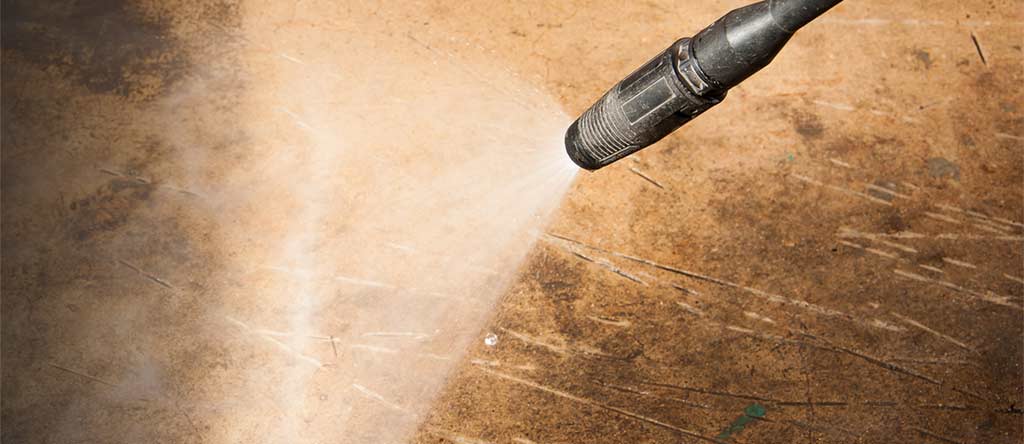
Travertine and Natural Stone Cleaning
Protect delicate surfaces with professional travertine and natural stone cleaning services. From patios and walkways to pool decks and entryways, expert pressure washing removes dirt, algae, and buildup using safe methods. Proper care helps preserve stone integrity and long-term curb appeal.
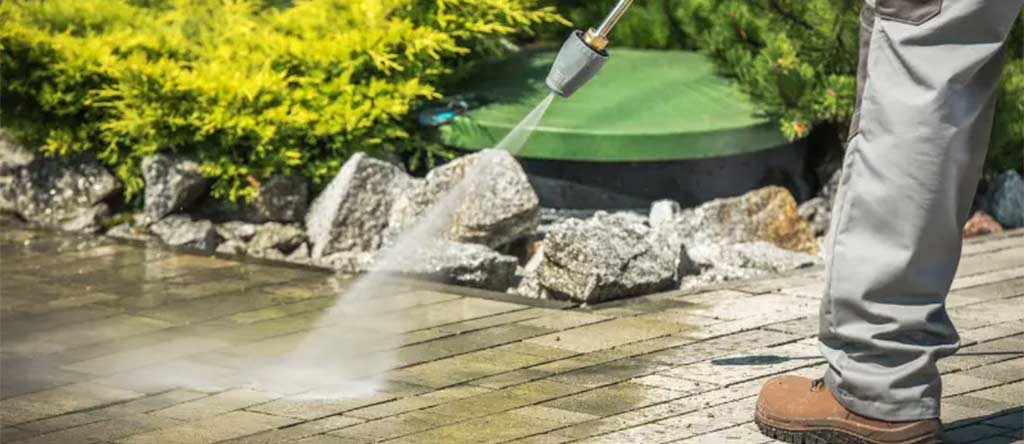
Stamped Concrete Cleaning
Restore the look of decorative surfaces with professional stamped concrete cleaning services. From patios and walkways to driveways and pool decks, expert pressure washing removes dirt, stains, and buildup without damaging the finish. Proper cleaning helps preserve appearance and extend surface life.
Sports Court Cleaning
Keep sports courts clean, safe, and playable with professional pressure washing services. From basketball and tennis courts to surrounding concrete areas, expert cleaning removes dirt, algae, and surface buildup effectively. Routine maintenance improves traction, appearance, and overall court performance.
Retaining Wall Cleaning
Keep retaining walls looking clean and structurally sound with professional cleaning services. From concrete and stone walls to landscaped retaining systems, expert pressure washing removes dirt, algae, and buildup safely. Proper cleaning helps protect surfaces and maintain a polished property appearance.