
A guy I know, James, lives in Spring. James lives in a nice house in a subdivision where everyone keeps their lawns trimmed and their flower beds mulched. The HOA sends letters if your trash cans are visible from the street. That kind of neighborhood.
James took care of everything. Lawn perfect. Landscaping is sharp. The trim receives fresh paint every few years.
But his driveway? The driveway hadn’t been cleaned in six years.
Oil stains from his truck in the same spots he parked every day. The green-black film seeps in from the edges, where the oak trees shade the concrete. Tire marks. The dirt appeared to have formed a permanent bond with the surface. The driveway looked 20 years older than the house.
“I kept meaning to get to it,” James told me. “Then one day my daughter came home from college with her boyfriend. First time meeting him. He pulled into the driveway, and I saw it through his eyes. Embarrassing. Actually embarrassing.”
We cleaned that driveway the next week. We successfully removed six years of Texas grime in just two hours. James stood there afterward looking at concrete he’d forgotten was actually light gray.
He said, “We should have done this years ago.”
He’s not wrong. They never are.
Power washing your driveway isn’t just about curb appeal—though honestly that matters more than people admit. It’s about protecting what you paid for. Preventing slip hazards. It is crucial to prolong the lifespan of your concrete. In Texas, where heat literally cooks oil stains into surfaces and humidity breeds mold overnight, regular driveway cleaning isn’t some luxury. It’s basic property maintenance.
Quick Facts: Driveway Power Washing in Texas
| Factor | Details |
| Typical Cost | $100–$300 for most residential driveways; $300–$600+ for larger or heavily stained |
| Recommended Frequency | Once yearly minimum; twice yearly with heavy tree coverage or visible mold |
| Safe PSI Range | 2,500–3,500 PSI for concrete; 1,500–2,500 PSI for pavers |
| Time Required | 2–4 hours DIY; 1–2 hours professional |
| Texas Factor | Heat penetrates oil deeper; humidity accelerates mold; clay soil causes cracks |
What Are the Benefits of Cleaning Your Driveway?
Beyond making it look better—which, yeah, matters more than people admit:
Safety First
Algae and mold make driveways slippery when wet. Seriously slippery. One fall and you’re dealing with medical bills. If someone else falls, it could potentially lead to a lawsuit. The cost is significantly higher than that of regular maintenance.
A homeowner in The Woodlands—a woman named Patricia with a north-facing driveway under mature oaks—had her mother-in-law slip on algae during a visit. Broken wrist. Surgery. Months of recovery.
“I never thought of my driveway as dangerous,” Patricia told me. “Now I think about it every time it rains.”
That driveway gets cleaned twice a year now. It should have been cleaned before the accident.
Property Value Protection
First impressions matter. A lot. When someone pulls up to your house—whether it’s a guest, a potential buyer, or your daughter’s new boyfriend—the driveway is the first thing they see.
A clean driveway signals you maintain your property. Take pride in ownership. Pay attention to details.
Stained, dirty, neglected driveway? Signals the opposite. It raises questions about other areas you may have overlooked. Affects property value when you sell. It also influences how your neighbors view you. A seemingly insignificant detail often holds greater significance than it should.
Surface Longevity
Oil, chemicals, and organic growth—they all break down concrete over time. Not immediately. Not obviously. But over years, these substances degrade the surface. Weaken the structure. Create paths for water infiltration that lead to cracking and spalling.
Regular cleaning removes these before they cause permanent damage. Clean driveways last significantly longer than neglected ones. We’re talking years of extra life from simple preventive maintenance.
A contractor in Klein—a guy named Raymond who’s been pouring concrete for 30 years—told me the driveways that fail early almost always have one thing in common.
“Never cleaned,” Raymond said. “Oil sat there for years. Mold ate at the surface. By the time they call me, they need replacement instead of maintenance. It could have been prevented.”
He’s seen it hundreds of times. Replacement runs $8–$15 per square foot. Annual cleaning runs $0.15–$0.30 per square foot. Math is obvious.
Preventing Bigger Problems
Small stains become big stains. Light mold becomes heavy mold that’s harder to remove. Surface issues become structural issues. Preventive cleaning is always easier and cheaper than dealing with years of neglect.
James learned this the hard way Six years of buildup took us twice as long to remove as normal annual cleaning would have. Cost more too. We could have achieved six straightforward cleanings instead of just one challenging one.
Common Driveway Stains and How to Handle Them
Different stains need different approaches. Here’s what we see constantly in the Houston area:
Oil and Grease Stains
Oil and grease stains are by far the most common problem we encounter. Almost every driveway we clean has oil stains somewhere. The driveway requires a pre-treatment with degreaser and, ideally, a hot water treatment. Pressure washing alone won’t touch old, set-in oil stains—they’ve penetrated deep into porous concrete.
We see these conditions constantly in Spring and The Woodlands, where people park in the same spot every day for years. That truck or SUV is dripping small amounts of oil in the exact same spot. This accumulation occurs on a weekly basis. Each summer’s heat enables the oil to soak in deeper. The oil forms a molecular bond with the concrete.
Fresh oil stains are easier. Much easier. Catch them early—within a few weeks—and they come out almost completely. Wait a year? Still possible but harder. Should I wait five years like some people do? That stain is part of the concrete now. The stain may lighten over time, but it will not disappear.
If you notice a new oil spot, please apply some kitty litter to it promptly. Absorbs what hasn’t soaked in yet. Then schedule cleaning. Oil poses a significant time constraint.
Mold and Algae
Loves Houston’s humidity. Thrives in shaded areas. This species thrives in north-facing driveways. Any section under trees. This applies to any area that retains moisture after a rainstorm.
Biodegradable cleaner plus pressure washing kills growth and prevents quick return. Is pressure washing sufficient without the use of a cleaner? Growth comes back faster. The roots are still there.
A property manager in Cypress—a guy named Andre who oversees about 40 rental properties—told me he used to just pressure wash without treatment. Mold came back within weeks.
“Now I always use cleaner,” Andre said. “Stays clean three times longer. Actually saves money.”
He learned. Most people learn eventually.
Rust Stains
Usually, rust stains appear on metal furniture, tools, or planters that have been left in one place for an extended period. Sprinkler heads that rust. Metal decorations. Anything ferrous that sits on wet concrete.
Before pressure washing, it is necessary to apply a rust remover. Water alone won’t budge it no matter how much PSI you throw at it. Chemical reaction required.
Tire Marks
Hot tires on hot concrete create rubber deposits that bond to the surface. Texas summers worsen this. Is there a steering mark that appears when you turn into your garage? Classic tire mark territory.
Degreaser helps, but some marks are permanent—especially if they’ve been there for years. Fresh marks come off easier. Old marks might lighten but not disappear completely.
Efflorescence
Efflorescence refers to the white, chalky residue that occasionally appears on surfaces. Not really dirt—it’s mineral salts coming through concrete from below. Water carries minerals up, evaporates, and leaves the white deposit behind.
Common in Texas. Pressure washing removes it, but it can return. Sealing helps prevent recurrence by blocking the water path.
DIY vs. Professional Driveway Washing
Some jobs make sense to do yourself. Some don’t. Here’s how to think about it:
DIY Makes Sense When:
- Consider a driveway that is smaller than 300 square feet. Single car. Short length. The issue can be resolved within a few hours.
- Only light dirt and stains—general grime—need to be removed. No heavy oil. No years of buildup. Surface-level stuff.
- You have access to the necessary equipment—you can rent a commercial washer with a pressure of over 3,000 PSI. A residential 1,800 PSI unit won’t cut it for serious cleaning.
- You’ve got time and physical ability—half a day minimum, including setup and cleanup. It’s work. Real work.
Professionals Make More Sense When:
- Large driveway—500+ square feet. Multiple cars. Long approach. Time and equipment need scaling up fast.
- Heavy oil stains or years of neglect—like James—need to be addressed. Six years of buildup. Multiple stain types. This requires the use of commercial equipment and a high level of expertise.
- Multiple stain types require different treatments—oil needs degreaser. Rust needs rust remover. Mold needs biocide. Managing all these requirements can be challenging.
- Valuable decorative concrete—stamped concrete. Colored concrete. Exposed aggregate. Mistakes are expensive. Pros have insurance and experience.
- Limited time—What takes you 6 hours takes pros 90 minutes. Your weekend has value.
Houston-Area Driveway Challenges
Texas’s climate creates specific problems you won’t find in other parts of the country:
- Heat penetration—Summer temperatures regularly hit 95°+. That heat makes oil stains penetrate deeper into concrete pores. Standard cleaning that works in Colorado or Michigan might not touch Texas oil stains. Takes more aggressive treatment.
- Mold acceleration—Humidity breeds mold faster than anywhere. Driveways in Klein and Cypress with tree coverage can develop visible mold growth in months. Not years. Months.
- Clay soil movement—Expansive clay throughout the Houston area causes concrete to shift and crack. Creates low spots where water pools and dirt accumulates. This phenomenon leads to the formation of cracks in areas where stains penetrate deeper than they would on stable ground.
- Year-round growth—no hard winter freeze to kill algae and mold like northern states get. Growth continues 12 months a year. No natural reset.
- Sprinkler overspray—Most Houston homes have irrigation systems. Overspray hitting driveways several times a week keeps surfaces wet. This creates ideal conditions for the growth of organic matter.
Properties in Spring, Klein, The Woodlands, and Cypress deal with all of this. Annual cleaning isn’t aggressive—it’s minimum maintenance for Texas conditions.
What Professional Driveway Cleaning Looks Like
Here’s how we approach driveway cleaning. This is what you should expect from any professional service:
- Assessment – Look at the driveway. Identify stain types. Note the concrete condition. Check for cracks, damage, and areas needing special attention. Plan the approach.
- Prep—Clear vehicles and obstacles. Protect landscaping near edges. Pre-sweep loose debris.
- Pre-treatment—Apply appropriate chemicals to specific stains. Degreaser on oil. Rust remover on rust. Biocide on mold. Let chemicals work for 10–15 minutes.
- Pressure washing—Work in sections using proper technique. Overlapping passes. Consistent distance. Keep moving. Never linger in one spot.
- Spot treatment —address stubborn areas that need extra attention. Make a second pass on areas with heavy stains.
- Final rinse—Remove all chemical residue and loosened debris. Clean the driveway from the top and toward the street.
- Inspection—Walk the driveway with the homeowner. Point out any stains that couldn’t be completely removed. Discuss sealing options.
Frequently Asked Questions
How often should I power wash my driveway in Texas?
Once a year minimum. Twice if you’ve got heavy staining, significant tree coverage, or visible mold. Properties in humid areas like Spring and The Woodlands often need twice-yearly cleaning to stay ahead of growth.
Can pressure washing damage my driveway?
Yes, if done wrong. Too much pressure, the wrong nozzle, or staying in one spot too long causes pitting and etching that’s permanent. That’s why technique matters. That’s why experience matters.
Will pressure washing completely remove oil stains?
With proper degreaser and technique, most oil stains can be removed or significantly lightened. Really old, deep stains that have penetrated for years might lighten but not disappear completely. Fresh stains come out better. Catch them early.
What about sealed driveways?
You can still pressure wash them, but you need to use a lower pressure to prevent stripping the sealer. Good practice: reseal every 2–3 years after cleaning for maximum protection. Sealing extends life, prevents stain penetration, and makes future cleaning easier.
How long does driveway cleaning take?
Professional service: 1–2 hours for an average residential driveway. DIY: 2–4 hours, including setup and cleanup. Heavily stained or large driveways take longer either way.
Should I seal my driveway after cleaning?
Good idea. Sealing fills pores, prevents stain penetration, slows organic growth, and makes future cleaning easier. Wait until the driveway is completely dry—24–48 hours in Houston humidity. Worth the extra step.
What’s the best time of year to clean my driveway?
Spring and fall work best. Moderate temperatures are more comfortable for working. Summer works too—just need to work in sections so chemicals don’t dry before rinsing. Avoid cleaning right before expected rain.
Will pressure washing eliminate tire marks?
Fresh tire marks usually come off with degreaser and pressure. Does pressure washing remove tire marks that have been baked in over multiple Texas summers? While the marks may lighten, they are unlikely to completely disappear. Some marks become permanent once heat has bonded rubber to concrete.
Why Klein Pressure Washing
We’ve cleaned thousands of driveways across Spring, Klein, The Woodlands, Cypress, and greater Houston over 20+ years. Thousands. Every type of stain. Every type of concrete. We can handle any level of neglect, ranging from one year to twenty years.
We have extensive knowledge of Texas concrete. Know what works on heat-baked oil stains. Know how to handle humidity-fed mold. Know when to be aggressive and when to be gentle. Know the difference between stains that will come out and stains that won’t—and we’ll tell you upfront.
We use commercial-grade equipment to ensure consistent results. Proper chemicals for each stain type. We employ a technique that effectively cleans without causing any damage. The results are visible from a distance.
Don’t be like James—waiting six years until you’re embarrassed by your driveway. Don’t wait until your mother-in-law slips on algae. Don’t wait until the HOA sends a letter.
Give us a call. We’ll assess your situation, tell you what it needs, and give you a straight quote. No pressure. No games.
Professional results. No weekend-ruining labor. Your driveway looks like it should.
Blog Posts Related to Pressure Washing – Gas Station Pressure Washing Service By Klein Pressure Washing in Atascocita, TX.
Travertine and Natural Stone Cleaning
Protect delicate surfaces with professional travertine and natural stone cleaning services. From patios and walkways to pool decks and entryways, expert pressure washing removes dirt, algae, and buildup using safe methods. Proper care helps preserve stone integrity and long-term curb appeal.
Stamped Concrete Cleaning
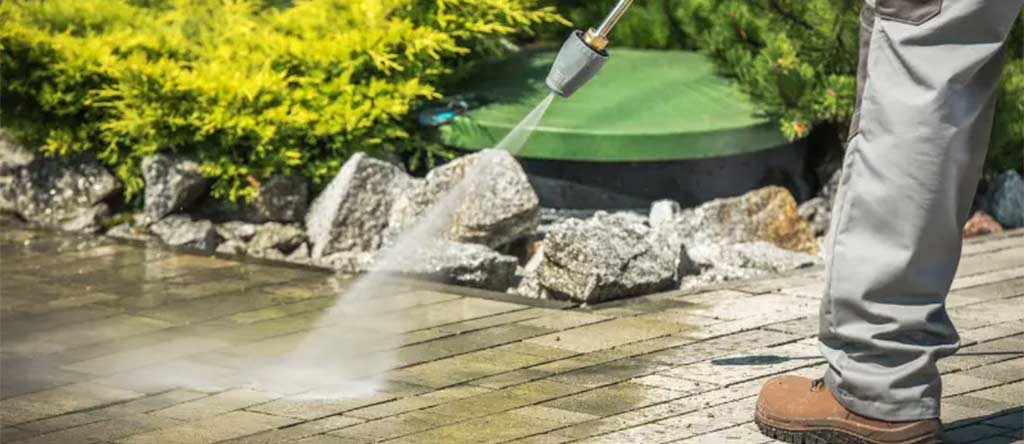
Restore the look of decorative surfaces with professional stamped concrete cleaning services. From patios and walkways to driveways and pool decks, expert pressure washing removes dirt, stains, and buildup without damaging the finish. Proper cleaning helps preserve appearance and extend surface life.
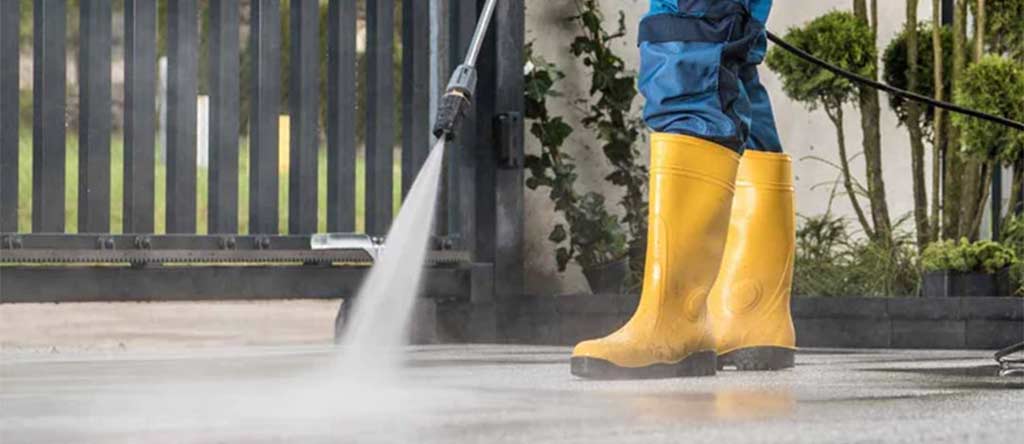
Sports Court Cleaning
Keep sports courts clean, safe, and playable with professional pressure washing services. From basketball and tennis courts to surrounding concrete areas, expert cleaning removes dirt, algae, and surface buildup effectively. Routine maintenance improves traction, appearance, and overall court performance.
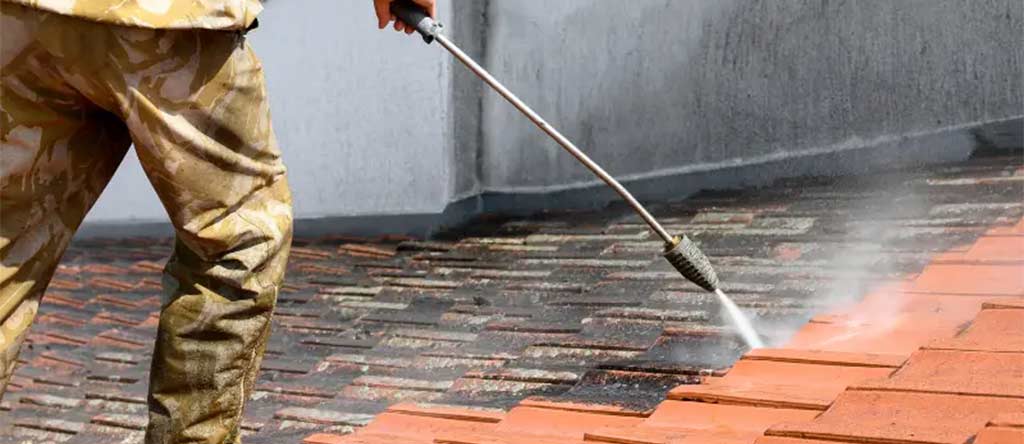
Retaining Wall Cleaning
Keep retaining walls looking clean and structurally sound with professional cleaning services. From concrete and stone walls to landscaped retaining systems, expert pressure washing removes dirt, algae, and buildup safely. Proper cleaning helps protect surfaces and maintain a polished property appearance.