
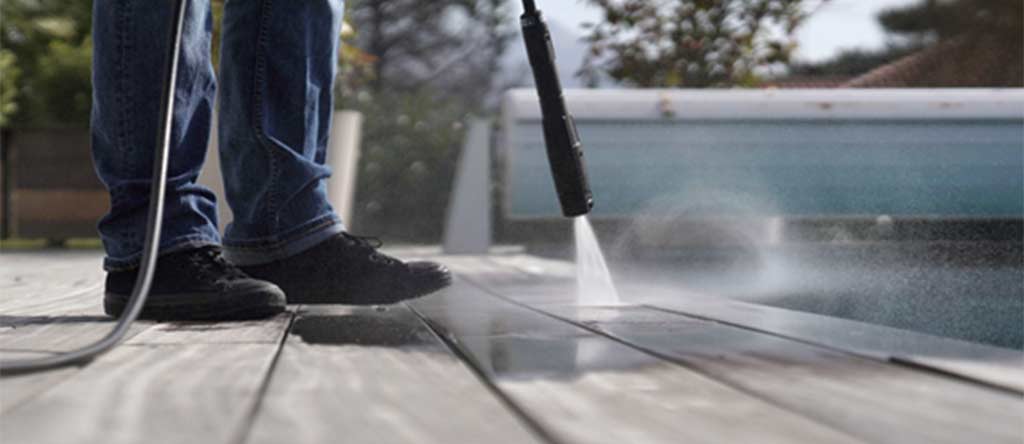
A homeowner named Melissa has a beautiful patio off the back of her house in The Woodlands. Stamped concrete with a slate pattern. Integral color. It cost a fortune when she had it installed five years ago.
Called me because it didn’t look beautiful anymore.
“The color is fading,” Melissa said. “The pattern is disappearing. It used to look like stone. Now it just looks like dirty concrete.”
I drove over to take a look. Walked the patio. Ran my hand across the surface.
The color wasn’t faded. The pattern wasn’t gone. Everything was just buried under five years of grime. Dirt in every groove. Mildew in the texture. Pollen film coating the whole surface. The sealer had worn off and let everything soak in.
“This isn’t damaged,” I told her. “It’s just dirty. Really dirty.”
We cleaned it. Careful pressure. Right technique for stamped surfaces. Didn’t blast the pattern or strip the color.
The slate pattern came back. The color looked like it did when it was new. Five years of weathering washed away in an afternoon.
“I was about to spend ten thousand dollars replacing this,” Melissa said. “Could’ve just cleaned it.”
Yeah. A lot of people make that mistake. Stamped concrete doesn’t need replacing. It needs cleaning and resealing. Way cheaper. Way easier.
Snapshot
| Factor | What to Know |
| Cleaning frequency | Annually minimum. Every 2-3 years with resealing. |
| Cost range | $0.25-$0.75 per square foot depending on condition |
| Special consideration | Requires lower pressure than standard concrete to protect pattern |
| Houston reality | Humidity accelerates mildew growth in pattern grooves |
| Best timing | Spring cleaning before the entertaining season. Fall before sealing. |
Why Stamped Concrete Needs Special Cleaning Attention
Stamped concrete isn’t like regular concrete. It’s decorative, textured, and colored. Sealed. All those features that make it look good also make it vulnerable to damage from improper cleaning.
The pattern itself is the main concern. Those grooves and textures that mimic stone, brick, or tile are created during installation. They’re permanent but not indestructible. Too much pressure can erode the pattern. Blur the edges. Make the surface look worn.
The color matters too. Stamped concrete gets color from integral pigment, color hardener, or antiquing release. These coloring agents can be affected by aggressive cleaning. Blast too hard and you strip color from high points.
The sealer is the protective layer. It keeps moisture out, enhances color, and provides that glossy or matte finish. But sealers wear over time. Two to five years depending on traffic and exposure. Once the sealer fails, everything else deteriorates faster.
In Houston, stamped concrete faces extra challenges. Humidity feeds mildew that grows in every groove and texture. Pollen coats surfaces yellow every spring. Heat accelerates sealer breakdown. The elements don’t give decorative concrete a break.
A patio that looked amazing after installation looks dull and dirty after a few years. People assume it’s worn out. But usually it just needs proper cleaning and a fresh coat of sealer.
Contractor named Rafael installs stamped concrete across north Houston. He sees his old work years later.
“People call wanting to tear it out and start over,” Rafael said. “I tell them to clean it first. Half the time they’re shocked at what’s still under there. Looks brand new after cleaning and sealing.”
Cleaning before replacing. Always worth trying.
What Stamped Concrete Cleaning Covers
More than just removing surface dirt. Proper stamped concrete cleaning addresses everything that accumulates in and on the decorative surface.
Pattern Grooves and Texture Details
Where dirt hides. Every line, groove, and textured depression collects contamination.
The pattern is what makes stamped concrete look like natural stone or brick. When grooves fill with dirt, the pattern disappears. Surfaces look flat and muddy instead of dimensional.
Mildew loves these grooves. Shaded. Damp. Perfect growing conditions. Green and black growth fills the texture, darkening the whole surface.
Cleaning grooves requires the right approach. Enough pressure to remove buildup. Not so much that you erode the pattern edges. It’s a balance.
Color Restoration
What looks like faded color is usually just buried color. A dirt film mutes everything. Makes vibrant terra cotta look like dull brown. Makes rich gray look like dingy concrete.
Cleaning removes the film and reveals the original color underneath. Often dramatically different from what owners expect. They think they need a new color added. They just need the old color uncovered.
Some actual color loss does occur over time. UV exposure fades pigments. Traffic wears color from high points. But cleaning usually reveals more color than owners realized remained.
Old Sealer Removal
Sometimes the problem isn’t dirt under the sealer. It’s the sealer itself. Failed sealer turns white, peels, or develops a hazy appearance.
White spots on stamped concrete often indicate moisture trapped under sealer. The sealer failed, water got underneath, and now it looks cloudy or milky.
Peeling sealer creates an uneven surface. Flaking areas next to intact areas. Looks terrible. Gets worse as more sealer fails.
Removing failed sealer is sometimes necessary before cleaning and resealing can be effective. Strip the old, clean the surface, and apply fresh sealer.
Stain Treatment
Specific stains that need targeted attention. Oil from grills. Rust from furniture. Tannin from leaves. Each requires different treatment.
Oil stains penetrate if left untreated. The sealer fails in that spot first. Oil soaks into the concrete. Creates dark spots that need degreaser treatment.
Rust stains from metal furniture or planters need specific rust removers. Pressure alone won’t remove the orange discoloration.
Leaf stains leave dark patterns where wet leaves sat too long. Tannin seeps into concrete and creates shadows of the leaf shape.
A homeowner named Doug has a stamped driveway in Spring. Heavy tree coverage. Leaf stains everywhere.
“I thought the leaves had permanently stained it,” Doug said. “Turns out most of them came up with the right treatment. Just needed to know what to use.”
Right treatment for each stain type. Makes a difference.
Edge and Joint Cleaning
Where stamped concrete meets other surfaces. Expansion joints. Edges along landscaping. Transitions to other materials.
Joints fill with debris, organic matter, and sometimes weeds. Needs cleaning to look complete. A clean surface cannot be achieved with dirty joints.
Edges along landscaping collect mulch, soil, and plant debris that washes over. Creates dirty borders that frame the clean surface poorly.
Common Stamped Concrete Patterns and Their Cleaning Needs
Different patterns create different cleaning challenges. Here’s what to expect with popular styles.
Slate and Stone Patterns
Deep grooves mimicking natural stone joints. These collect the most dirt. Need thorough cleaning to restore the dimensional look.
The textured surface within each “stone” holds grime in tiny irregularities. Requires attention to both the grooves and the face of each pattern piece.
Brick Patterns
Frequent shallow grooves representing mortar lines. Lots of edges and corners for dirt to accumulate. The repetitive pattern makes any missed spots obvious.
Brick patterns often use contrasting colors for mortar lines. Cleaning needs to preserve that contrast, not blur it together.
Wood Plank Patterns
Long grooves representing board edges. Texture mimicking wood grain. Both collect dirt that obscures the wood-look effect.
The subtle grain texture is often the first thing lost to dirt film. Cleaning brings back that detail that makes it look like real wood.
Cobblestone and Irregular Patterns
Complex patterns with varying groove depths. More surface area for dirt to collect. Often require more time to clean thoroughly.
The irregular shapes can hide dirt in unexpected spots. Need a systematic approach to ensure nothing gets missed.
The Relationship Between Cleaning and Sealing
Cleaning and sealing go together. Can’t do one properly without considering the other.
Sealing dirty concrete locks in the dirt. The sealer traps contamination under a clear coat. Looks terrible. Defeats the purpose.
Cleaning without resealing leaves concrete exposed. The freshly cleaned surface is vulnerable. Starts absorbing stains immediately. Deteriorates faster than before.
The ideal approach is cleaning followed by sealing. Fresh sealer on clean concrete. Maximum protection. Best appearance. Longest interval before next cleaning.
Sealer types matter for maintenance. Penetrating sealers soak in and protect from within. Film-forming sealers create a surface coating. Each has pros and cons for long-term care.
Maintenance contractor named Sylvia works with stamped concrete across the Houston area. Sees both approaches.
“The patios that get cleaned and sealed every 2-3 years still look great after fifteen years,” Sylvia said. “The ones that never get touched look like they need replacing after five.”
Regular maintenance extends life dramatically. Worth the investment.
How Often Should Stamped Concrete Get Cleaned
Depends on exposure, use, and how long you want to stretch between sealings.
Annual cleaning keeps surfaces looking good year-round. Prevents buildup from getting out of control. Good for high-visibility areas.
Cleaning every 2-3 years works when paired with resealing. Clean before sealing. Maintain the full cycle. Good balance of maintenance and results.
Waiting longer than three years risks deeper contamination. Dirt penetrates worn sealer. Gets into concrete pores. Harder to remove completely.
High-traffic areas need more frequent attention. These areas include driveways, pool decks, and commercial walkways. More use means more cleaning.
Shaded areas need more frequent attention too. Less UV to kill mildew. Stays damp longer. Growth accelerates.
Houston’s climate pushes toward more frequent cleaning. Our humidity grows mildew faster than drier climates. Don’t compare to maintenance schedules from Arizona.
Most residential stamped concrete does best with cleaning every 1-2 years and resealing every 2-3 years. Keeps everything looking good without excessive maintenance.
What Stamped Concrete Cleaning Costs
Pricing runs by square foot, varying with condition and complexity.
Light cleaning of well-maintained surfaces runs $0.25-$0.40 per square foot.
Standard cleaning with moderate buildup runs $0.40-$0.60 per square foot.
Heavy cleaning with years of neglect runs $0.60-$0.75 per square foot.
Old sealer removal adds cost if needed. Stripping failed sealer before cleaning is additional work.
For a typical 400-square-foot patio, expect $150 to $300 for standard cleaning.
For an 800-square-foot pool deck, expect $300 to $500.
For a stamped driveway of 1,200 square feet, expect $450-$700.
Sealing after cleaning adds additional cost but provides lasting protection. Often quoted as a package.
Compare cleaning costs to replacement. Melissa was ready to spend ten thousand replacing her patio. Cleaning cost a fraction of that. Math is obvious.
Current Trends in Stamped Concrete Maintenance
More homeowners are learning about maintenance needs. Contractors are doing a better job explaining care requirements at installation.
Penetrating sealers are gaining popularity over film-forming. Less visible wear. Easier maintenance. No peeling issues.
Color enhancement sealers are used during maintenance. Refresh faded color while sealing. Two benefits in one step.
Professional cleaning is preferred over DIY. Homeowners recognize that wrong pressure or technique damages surfaces. Worth paying for expertise.
FAQs
Can pressure washing damage stamped concrete?
Yes, if done incorrectly. Too much pressure erodes pattern edges and strips color. Proper technique uses lower pressure with wider spray patterns. Experience matters.
Will cleaning restore faded color completely?
Usually more than owners expect. What looks like faded color is often just dirty color. Some actual fading does occur over time, but cleaning typically reveals significant remaining color.
Should I seal after cleaning?
Highly recommended. Cleaning removes old, worn sealer along with dirt. Fresh sealer protects the clean surface and extends the time before the next cleaning. They work together.
How long after cleaning before I can use the surface?
Cleaning alone allows immediate use once dry. If sealing follows, allow 24-48 hours for the sealer to cure before foot traffic and longer before vehicle traffic.
Can you fix white spots in my stamped concrete?
Depends on the cause. White spots from trapped moisture under sealer often resolve by removing old sealer, letting concrete dry, and resealing. Efflorescence from mineral deposits needs different treatment.
Why Klein Pressure Washing
We clean stamped concrete across Spring, Klein, The Woodlands, Cypress, and greater Houston. Twenty years doing this. We specialize in cleaning patios, driveways, pool decks, and walkways. Every pattern, every color, every condition.
We understand decorative concrete. Appropriate pressure for each surface. Attention to pattern preservation. We know the difference between cleaning stamped concrete and cleaning regular concrete.
Melissa saved ten thousand dollars by cleaning instead of replacing. Doug’s leaf stains came out. Rafael sends his old customers to us. Sylvia recommends us for maintenance cleaning.
Your stamped concrete was an investment. It probably still looks great under the dirt and grime. Let’s find out before you spend money replacing something that just needs cleaning.
Call us. We’ll look at your stamped concrete, assess the condition, and tell you honestly what cleaning can accomplish. If it needs more than cleaning, we’ll tell you that too.
Clean surface. Restored color. Protected investment. Worth the money.
Blogs Related to Power Washing – Warehouse & Industrial Cleaning Service By Klein Pressure Washing in Chambers County, Texas!
Travertine and Natural Stone Cleaning
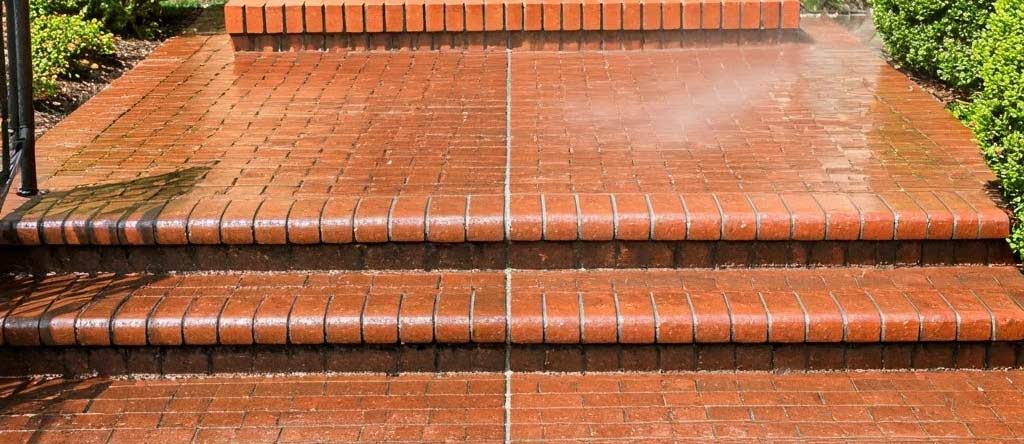
Protect delicate surfaces with professional travertine and natural stone cleaning services. From patios and walkways to pool decks and entryways, expert pressure washing removes dirt, algae, and buildup using safe methods. Proper care helps preserve stone integrity and long-term curb appeal.
Stamped Concrete Cleaning
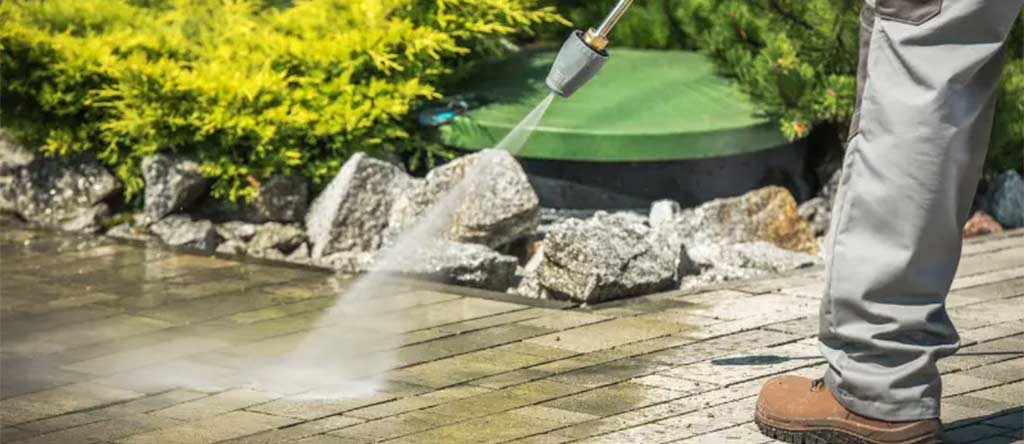
Restore the look of decorative surfaces with professional stamped concrete cleaning services. From patios and walkways to driveways and pool decks, expert pressure washing removes dirt, stains, and buildup without damaging the finish. Proper cleaning helps preserve appearance and extend surface life.
Sports Court Cleaning
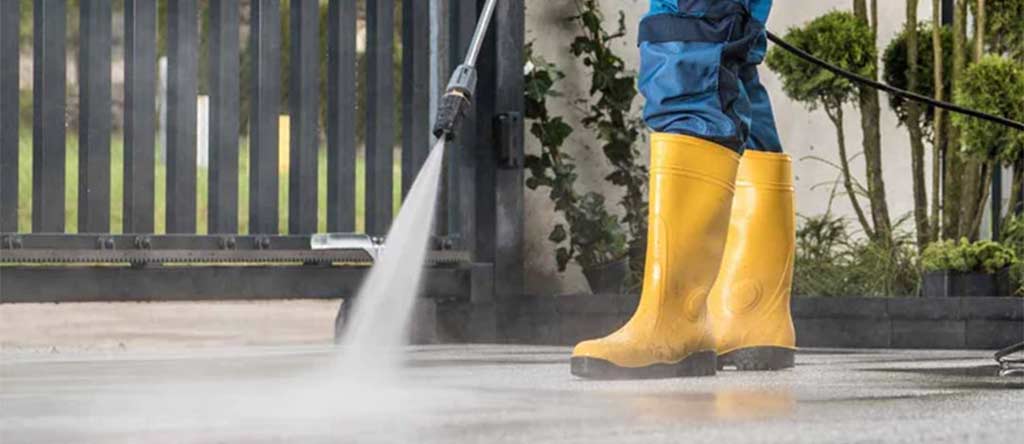
Keep sports courts clean, safe, and playable with professional pressure washing services. From basketball and tennis courts to surrounding concrete areas, expert cleaning removes dirt, algae, and surface buildup effectively. Routine maintenance improves traction, appearance, and overall court performance.
Retaining Wall Cleaning
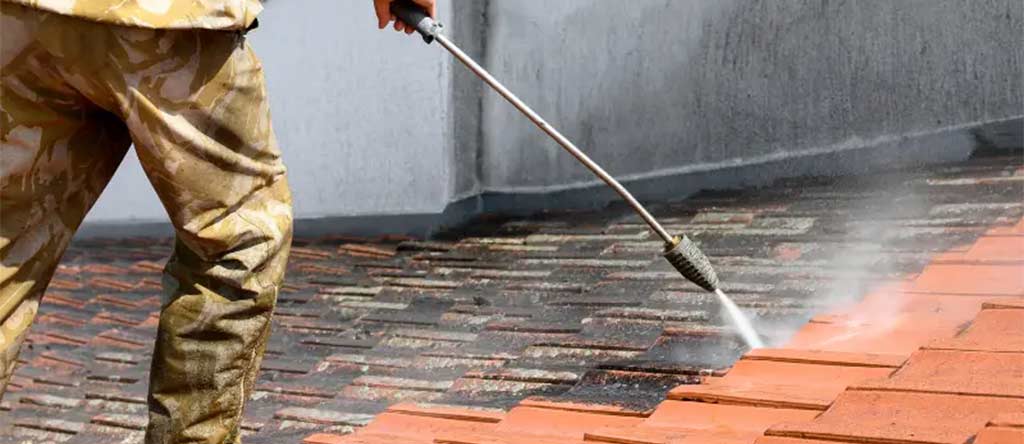
Keep retaining walls looking clean and structurally sound with professional cleaning services. From concrete and stone walls to landscaped retaining systems, expert pressure washing removes dirt, algae, and buildup safely. Proper cleaning helps protect surfaces and maintain a polished property appearance.