
A guy named Calvin in The Woodlands had a brick home that looked worn out. The north side of the house was dotted with green patches. The foundation was dotted with chalky white deposits. Hadn’t been cleaned in probably eight years.
“Can you clean this spot without messing up the mortar?” he asked. “I’ve heard pressure washing can damage brick.”
Fair concern. It can. Get it wrong and you’ll cause damage that doesn’t show up until later. Chewed-up mortar. Scarred brick face. Problems.
Get it right? The place suddenly looks newer, tighter, and just better.
We cleaned Calvin’s house with controlled pressure and proper technique. Brick came back to life. Mortar untouched. He couldn’t believe it was the same house.
Snapshot
| Factor | What to Know |
| Results last | 3 to 5 years around Houston. Humidity brings grime back faster. |
| Cost range | $150 to $450 for jobs under 1,000 sq ft depending on access and buildup |
| Safe PSI range | 500 to 2,000 PSI. Age and condition matter more than machine specs. |
| Main risk | Too much pressure blasts mortar out of joints. Start low. |
| Texas factor | Humidity and rain swings bring mildew back faster than expected |
Why Power Wash Bricks
Brick holds up better than wood or vinyl. But it’s porous. That’s the catch. Once dirt and moisture get into those tiny surface pockets, stains settle in.
Pressure washing works well on brick because water can reach into the pores. Wakes up curb appeal. Fresh brick reads cleaner and brighter right away. Keeps problems from snowballing. Mold, mildew, and salts don’t get the chance to linger. Supports long-term value. Well-kept exteriors show better over time.
Soft washing and chemical-only cleaning have their place. But brick responds well to controlled pressure. Just be careful not to overdo it. Is it possible to apply excessive pressure to the incorrect brick? That’s where people get into trouble.
A homeowner in Spring named Wallace tried to clean his brick himself. Rented a machine. Cranked up the pressure. Figured stronger meant cleaner.
Wrong.
He successfully removed mortar from the joints on a significant portion of his front wall. A mason had to be hired to repoint the entire section. The cost was higher than what a professional cleaning service would have charged.
“I didn’t know mortar could come out like that,” Wallace said.
Now you do. Brick needs respect. Lower pressure. More patience.
Equipment and Techniques for Power Washing Brick
You don’t need a monster machine to wash brick. Usually, that’s the last thing you want to use.
Light-duty pressure around 500 to 1,200 PSI is safer on older or fragile brick. Newer, denser brick can sometimes handle 1,200 to 2,000 PSI. But only if mortar is solid and you keep your distance. Tools matter. How you use it matters more.
Before you hit the trigger: clear leaves, dirt, and loose debris. Make sure to remove any debris that could potentially blow around. If dealing with stains, a brick-safe cleaner or mild detergent helps loosen grime. Always test an out-of-the-way spot first. This is where people skip a step and regret it.
Once comfortable with pressure, work methodically. Test again. Make sure neither the mortar nor the face of the brick is flaking. Keep the nozzle roughly a foot off the wall. Closer concentrates too much pressure. Work in relaxed overlapping passes. Don’t etch the brick by holding the wand in one spot. Wash from top down so dirty water doesn’t streak clean areas. Rinse thoroughly. Residue left behind just dries back into the pores.
Key Precautions for Brick Safety
Pressure washing brick isn’t difficult. But it is easy to overdo. Many guardrails are helpful.
Start low on pressure. Only increase if you have to. High PSI can sandblast mortar right out of the joints.
Avoid harsh or acidic cleaners unless they’re made for masonry work.
Don’t crowd the wall with the nozzle. Give it space so pressure can soften.
Pick a dry, moderate-temperature day. Water trapped in brick during cold snaps can cause cracking.
Cover plants, furniture, and anything you don’t want splashed.
Patience is more effective than brute force when tackling stubborn stains. Mold and mildew respond to masonry-safe cleaner or a mild vinegar solution. Let it sit. Then rinse. Oil stains lift with baking soda paste and a brush before rinsing. Efflorescence needs cleaners made specifically for salt deposits. Follow the label. This is not the place to take chances.
If the brick begins to shed sand or the mortar appears soft, it’s time to take action. Stop. That’s a sign something deeper is going on.
A woman in Cypress named Loretta had efflorescence all over her brick foundation. White chalky deposits. She’d tried scrubbing with dish soap. Nothing worked.
We used the proper masonry cleaner. Let it dwell. Rinsed with controlled pressure. Deposits came off. Brick looked normal again.
“I thought that stuff was permanent,” Loretta said.
It’s not. Just needs the right approach.
When to Hire Professional Power Washing for Brick
Some projects are worth calling in help. Especially with brick.
Professional power washing makes sense when you’re dealing with large exterior walls, patios, or long retaining walls. This is especially true when the stains have been present for a long time and have not responded to regular cleaning methods. When the brick or mortar already exhibits cracks or softness, professional power washing becomes necessary. An older or historic structure simply cannot tolerate mistakes.
The seasoned crew knows how to balance pressure, cleaners, and technique. Get a clean surface without hidden damage. Experience matters more than a bigger machine.
A couple in Klein named George and Vera had a 1960s brick home. Original mortar. Some spots are already showing wear.
They knew DIY was risky with brick that old. Called us instead.
We used low pressure. Right cleaner. We took great care to avoid damaging the worn areas. The house came out clean. Mortar stayed intact.
“We were nervous about damaging it,” Vera said. “We are glad we called someone who knew what they were doing.”
Older brick needs experienced hands. That’s just how it is.
What We’re Seeing in Texas
More homeowners are getting ahead of the problem instead of waiting until brick turns green or chalky. Seasonal cleaning is becoming normal because of the humidity, dust, and pollen we live with.
More eco-friendly detergents. Lower-pressure methods paired with better equipment. The idea is simple: get the results, protect the masonry, and avoid unnecessary chemical use.
FAQs
How often should I power wash brick?
Plan to do it every three to five years. If you notice mildew or dirt stains building up, you should power wash your brick sooner. Houston humidity can speed things up. Some homes need touch-ups more frequently. The goal is to clean before stains bond to the surface.
Can I use a garden hose instead of a pressure washer?
You can rinse brick with a garden hose, but it won’t remove deep-set grime or mildew. There is insufficient pressure to penetrate the pores. At best you’ll knock off loose dirt. Real cleaning requires controlled pressure and the right cleaner.
Is bleach safe for cleaning bricks?
Not recommended. It can weaken the mortar and cause damage to nearby plants and soil. Can also discolor materials around the brick. Masonry-safe cleaners do the job without that risk.
What PSI is best for older bricks?
The PSI should be on the lower end of the spectrum. The recommended range for older bricks is approximately 500 to 1,200 PSI. Age, weathering, and softer mortar make older walls more vulnerable. Start at the lowest setting. Work up only if needed. If brick sheds or mortar erodes, stop immediately.
Can I seal bricks after power washing?
Yes, if the surface is completely dry and in excellent condition. Breathable masonry sealer helps limit moisture intrusion. Slows future staining. It also simplifies the process of cleaning in the future. Don’t seal damaged or crumbling brick until repairs are made.
Why Klein Pressure Washing
We’ve spent years cleaning brick homes and masonry surfaces across Spring, Klein, The Woodlands, Cypress, and greater Houston. Seen just about every situation.
Right pressure. Right cleaners. Right technique. Your brick ends up clean. Not scarred. Not washed out.
Calvin’s house maintained its original appearance without any damage to the mortar. Wallace discovered firsthand that increased pressure does not necessarily yield superior outcomes. Loretta’s efflorescence came off completely with proper treatment. George and Vera’s older brick got cleaned without damage because we knew how to handle it.
Want the job handled carefully and correctly? Call us. We’re here for that.
Blogs About Pressure Washing – Drive-Thru Cleaning Service By Klein Pressure Washing in Brazoria County, TX!
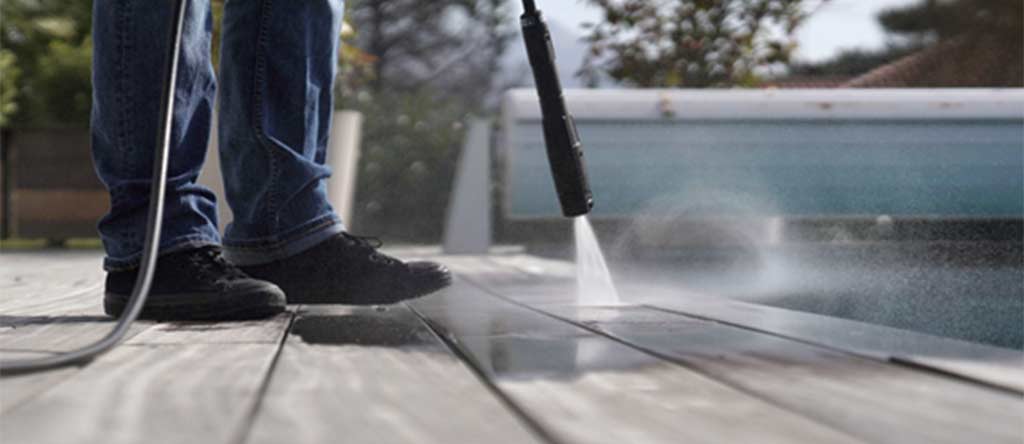
Travertine and Natural Stone Cleaning
Protect delicate surfaces with professional travertine and natural stone cleaning services. From patios and walkways to pool decks and entryways, expert pressure washing removes dirt, algae, and buildup using safe methods. Proper care helps preserve stone integrity and long-term curb appeal.
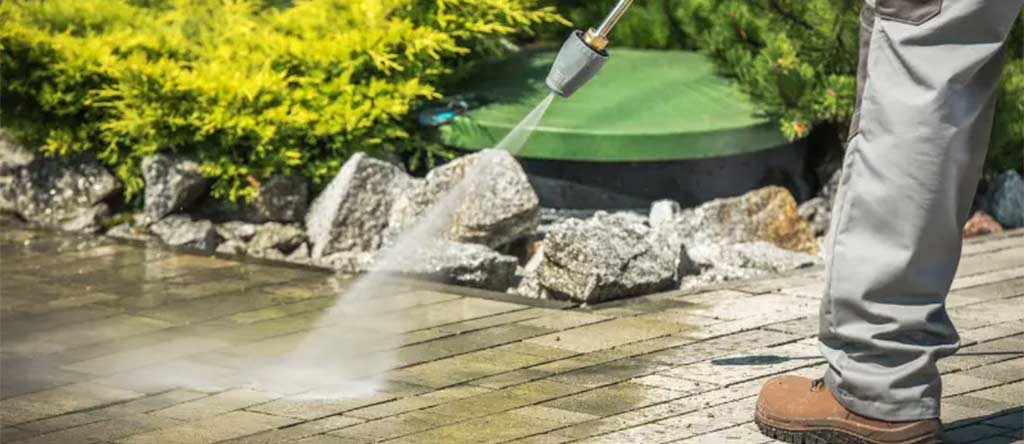
Stamped Concrete Cleaning
Restore the look of decorative surfaces with professional stamped concrete cleaning services. From patios and walkways to driveways and pool decks, expert pressure washing removes dirt, stains, and buildup without damaging the finish. Proper cleaning helps preserve appearance and extend surface life.
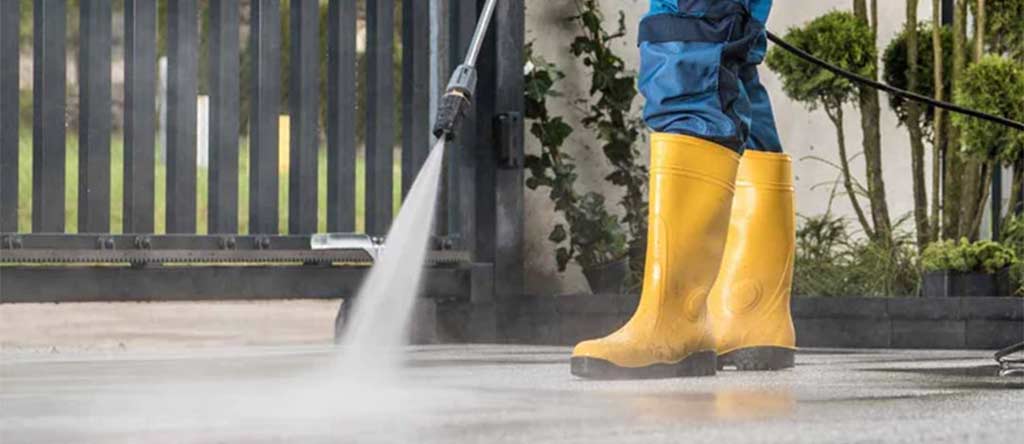
Sports Court Cleaning
Keep sports courts clean, safe, and playable with professional pressure washing services. From basketball and tennis courts to surrounding concrete areas, expert cleaning removes dirt, algae, and surface buildup effectively. Routine maintenance improves traction, appearance, and overall court performance.
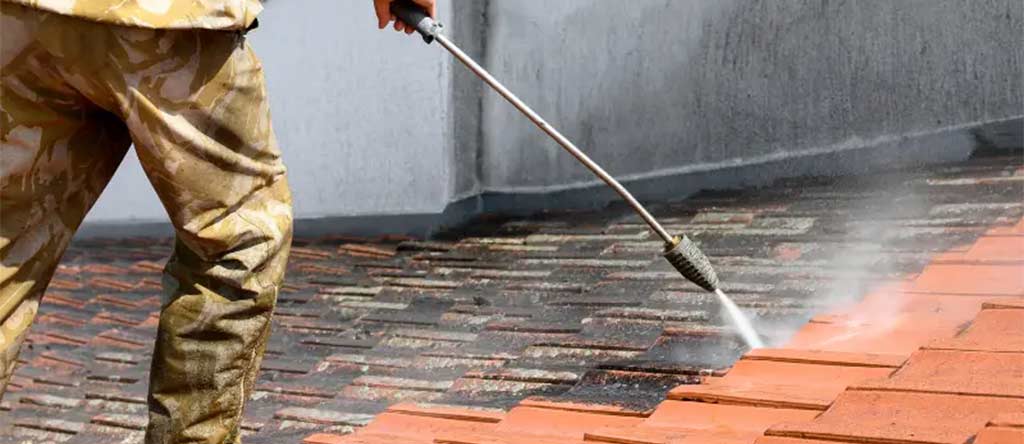
Retaining Wall Cleaning
Keep retaining walls looking clean and structurally sound with professional cleaning services. From concrete and stone walls to landscaped retaining systems, expert pressure washing removes dirt, algae, and buildup safely. Proper cleaning helps protect surfaces and maintain a polished property appearance.