
Manager named Tonya runs a fast food restaurant off FM 1960 in Spring. Busy location. Breakfast, lunch, and dinner rush. The drive-thru line wrapped around the building most of the day.
Called me after a customer complaint went viral on local Facebook.
Someone had posted a photo of the drive-thru lane. Drink spills everywhere. Dark stains under the menu board where cars idle. Trash blown against the curb. Food wrappers stuck to the concrete. The caption said, “This is where your food comes from.”
Three hundred shares. Comments piling up. Corporate calling.
“I drive that lane every day,” Tonya said. “I stopped seeing it. But customers see it fresh every time.”
That’s the thing with drive-thrus. You’re processing hundreds of cars daily. Each one drips a little oil. Spills a little coffee. Drops food out the window. Tosses trash that misses the can. It accumulates fast.
And in Houston? Summer heat bakes everything into the concrete. What looked fine in April looks terrible by July.
We cleaned Tonya’s drive-thru overnight. The entire lane from entrance to exit. Menu board area. Speaker stations. Pickup window zone. Trash enclosure by the exit.
Posted before-and-after photos the next morning. Different story. Positive comments. Corporate satisfied.
“Should’ve been doing this monthly all along,” Tonya said.
Yeah. Probably should have.
Snapshot
| Factor | What to Know |
| Cleaning frequency | Monthly for high-volume. Quarterly minimum for all drive-thrus. |
| Cost range | $150-$500 depending on lane length and condition |
| Customer perception | Dirty lanes create doubt about food quality and cleanliness |
| Houston reality | Heat bakes spills into concrete. Oil stains darken quickly. |
| Best timing | Overnight cleaning after close. Ready for the morning rush. |
Why Drive-Thru Cleaning Matters for Your Business
Drive-thrus are high-volume, high-visibility operations. Hundreds of customers every day. Each one is sitting in that lane for two, three, or five minutes. Looking around. Noticing things.
The lane is part of your customer experience. Clean lane says professional operation. A dirty lane conveys a lack of professionalism. Maybe in the lane. Maybe in the kitchen. Maybe everywhere.
Customers connect dots. A coffee shop with a filthy drive-thru makes people wonder about the espresso machine. A pharmacy with stained lanes makes people question medication handling. A bank with grimy drive-up windows feels less trustworthy.
Not logical. But real. People judge operations by what they can see.
In Houston, drive-thru lanes deteriorate fast. Constant traffic. Oil drips from idling vehicles. Spilled drinks. Dropped food. Trash that blows in and sticks. Summer heat that bakes every spill into permanent stains.
A lane that looked fine in January looks rough by April. Really rough by July. The kind of rough that makes customers hesitate.
District manager named Raul oversees twelve fast food locations across north Houston. Different brands. Same problem everywhere.
“The stores that clean monthly have better customer scores,” Raul said. “Every time. It’s not even close.”
He made monthly drive-thru cleaning standard across all locations. Scores improved. Complaints dropped.
Clean lane, happy customers. Simple as that.
What Drive-Thru Cleaning Covers
Every drive-thru is different. Fast food is different from a bank, which is different from a pharmacy. But certain areas show up on almost every job.
Main Traffic Lane
The entire path vehicles travel. From entrance to exit. Every inch customers see while waiting.
Traffic lanes collect oil drips from idling cars. Transmission fluid. Coolant overflow in summer. Every vehicle leaves something behind.
Tire marks develop at turns and stops. Dark arcs where wheels pivot. Scuff marks where impatient drivers cut corners.
The lane gets progressively darker over time. Looks like old, worn concrete. But it’s usually just dirty concrete. Cleaning reveals the original color underneath.
The owner named Marcus has a burger joint in Klein with a double drive-thru. Both lanes were nearly black.
“I thought the concrete was just old,” Marcus said. “Turns out it was light gray underneath. Like new.”
Sometimes the fix is simpler than you think.
Menu Board and Speaker Areas
This is the area where vehicles stop for the longest duration. Where the most buildup happens.
Cars idle at the menu board while customers decide. Engine heat radiates down. Oil drips accumulate. Dark patches spread outward from every tire position.
Speaker posts and menu board bases collect splashback from rain. Dirt builds up around foundations. Weeds grow through cracks if maintenance slips.
These areas need extra attention. Longer dwell time on cleaning. Maybe pretreatment for heavy oil stains.
Pickup Window Zones
Where the transaction happens. Where food gets handed over. Where customers form final impressions.
Spills happen here constantly. Drinks get fumbled. Sauce packets drop. Food falls out of bags. Hot coffee splashes. Ice cream drips on hot days.
The concrete below pickup windows tells a story. Fresh, clean surface says this operation is tight. A stained sticky surface says things are sloppy.
Curbs and window ledges need attention too. Customers see them up close while reaching for their orders.
Drive-Thru Curbing and Lane Markers
The edges. Curbs, raised medians, painted guides. All the details that define the lane.
Curbs collect splashback and tire scuffs. Yellow paint fades and gets covered with grime. Lane markers disappear under buildup.
Cleaning brings these details back. Fresh-looking curbs and visible lane markers make the whole drive-thru look maintained. Professional. Intentional.
Trash Enclosures and Exit Areas
Last thing customers see before driving away. Final impression.
Many drive-thrus have trash cans near the exit. Customers toss bags, cups, and wrappers on their way out. Not everyone has good aim.
Concrete around trash enclosures gets nasty. Food waste. Drink spills. Whatever leaks from overfull cans. Attracts pests. Smells in summer heat.
Exit areas collect debris that blows in from the street. Cups and wrappers that customers miss. Cigarette butts tossed from windows.
Monthly attention minimum for these areas. The mess accumulates too fast.
Types of Businesses That Need Drive-Thru Cleaning
Not just fast food. Lots of businesses have drive-thrus now. Each has different cleaning needs.
Fast Food and Quick Service Restaurants
The obvious ones. Highest volume. Most mess. Food and drink spills constantly. Need monthly cleaning minimum. Weekly spot cleaning for extremely busy locations.
Coffee Shops and Cafes
Coffee spills leave dark stains. Cream and sugar create sticky spots. Morning rush is intense but concentrated. Quarterly cleaning works for most. Monthly for high-volume locations.
Banks and Credit Unions
Lower mess but higher expectations. Bank customers expect professionalism. Clean drive-up lanes signal a trustworthy institution. Quarterly cleaning is typical.
A branch manager named Linda runs a credit union location in The Woodlands. The drive-thru sees steady traffic.
“Our members notice everything,” Linda said. “A clean drive-thru is part of the trust equation. We’re handling their money. Details matter.”
Pharmacies and Medical Pickup
Cleanliness expectations are high. Patients picking up medications want to see a clean operation. Connects to perceptions of how carefully prescriptions are handled. Quarterly minimum. Monthly for busy pharmacy locations.
Dry Cleaners and Service Businesses
Lower volume but still visible. Customers dropping off and picking up expect a professional operation. Twice-yearly cleaning works for most. Quarterly if traffic is heavier.
How Often Should Drive-Thrus Get Cleaned
Depends on traffic volume and type of business.
High-volume fast food needs monthly cleaning. Non-negotiable. The spills happen too fast. Wait two months, and you’re fighting permanent stains.
Moderate-volume locations do well with quarterly cleaning. Coffee shops, pharmacies, banks. Enough traffic to get dirty but not so much that monthly is required.
Low-volume operations can stretch to twice yearly. But quarterly still looks better. Difference between adequate and impressive.
Menu board and pickup window areas may need extra attention between full cleanings. These high-traffic zones deteriorate faster than the main lane.
Seasonal adjustments matter in Houston. Summer heat bakes spills in faster. Spring pollen coats everything. May need more frequent cleaning during tough seasons.
Most drive-thru businesses do best with monthly service. Predictable. Consistent. Never gets bad enough for customers to notice.
What Drive-Thru Cleaning Costs
Pricing varies based on lane length and condition. But here’s what most businesses can expect.
Single lane drive-thru runs $150-$300 for standard cleaning.
Double lane operations run $250-$450.
Heavy staining or deferred maintenance adds cost. Old oil stains need pretreatment. Multiple passes. More time.
Menu board and speaker areas with heavy buildup add $50-$100 for extra attention.
Trash enclosure cleaning adds $50-$75.
Monthly maintenance contracts lower per-visit costs. Lock in regular service, and pricing gets friendlier.
Compare cleaning costs to lost customers. One viral complaint about a dirty drive-thru costs more than a year of cleaning. Tonya learned that the hard way.
Current Trends in Drive-Thru Maintenance
More businesses moving to monthly cleaning rather than quarterly. Customer expectations have increased. Social media makes problems visible instantly.
Overnight service becoming standard. Clean while closed. We are prepared for the morning rush. No disruption to operations.
Menu board areas are getting extra attention. Customers stare at these zones longest. Where impressions form.
Corporate chains standardizing cleaning schedules. Franchisees are required to maintain certain appearance levels. Mystery shoppers checking exterior cleanliness.
FAQs
Can drive-thru cleaning be done while we’re open?
Technically yes, but not recommended. Wet surfaces and equipment create issues. Best practice is overnight cleaning after close. Lane is dry and ready before the morning rush.
Will pressure washing remove old oil stains completely?
Most stains lighten significantly with hot water and degreaser. Really old stains that have been baking for years may leave shadows. Regular cleaning prevents stains from reaching that point.
How long does drive-thru cleaning take?
Single lane runs 1-2 hours. Double lane runs 2-3 hours. Heavy staining or deferred maintenance takes longer. Most jobs finish well before morning opening.
What about the menu boards and speaker equipment?
We work carefully around electronics. Never spray directly at speakers, screens, or electrical components. Clean the concrete and structures without risking equipment damage.
Should we schedule cleaning before inspections or corporate visits?
Absolutely. A clean drive-thru makes a strong impression on inspectors and corporate visitors. Schedule 2-3 days before visits. Gives time to dry completely and address any touch-ups.
Why Klein Pressure Washing
We clean drive-thrus across Spring, Klein, The Woodlands, Cypress, and greater Houston. Twenty years doing this. Fast food chains. Coffee shops. Banks. Pharmacies. Any business with a drive-thru lane.
Overnight availability. Hot water equipment for oil stains. Careful attention around electronics and equipment. We know what drive-thru cleaning requires.
Tonya’s Facebook crisis turned into positive reviews. Raul’s twelve locations all score better now. Marcus discovered his lanes weren’t old, just dirty. Linda’s credit union members see the professionalism they expect.
Your drive-thru is either building trust or creating doubt. Customers sit in that lane for minutes at a time. Looking around. Forming opinions. Make sure those opinions are positive.
Call us. We’ll look at your drive-thru, figure out what it needs, and give you a straight price. If you want monthly service, we’ll set up overnight cleaning that works around your operation.
Clean lane. Happy customers. Better scores. Worth the money.
Blogs Related to Pressure Washing – Roof Cleaning Service By Klein Pressure Washing in Pasadena, TX!
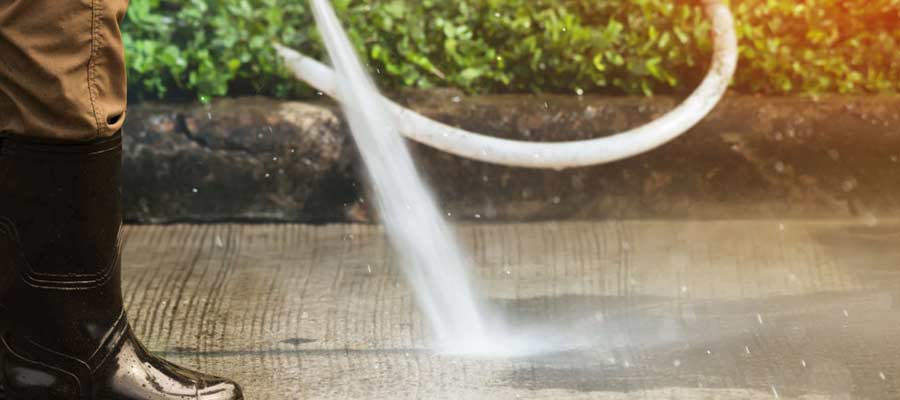
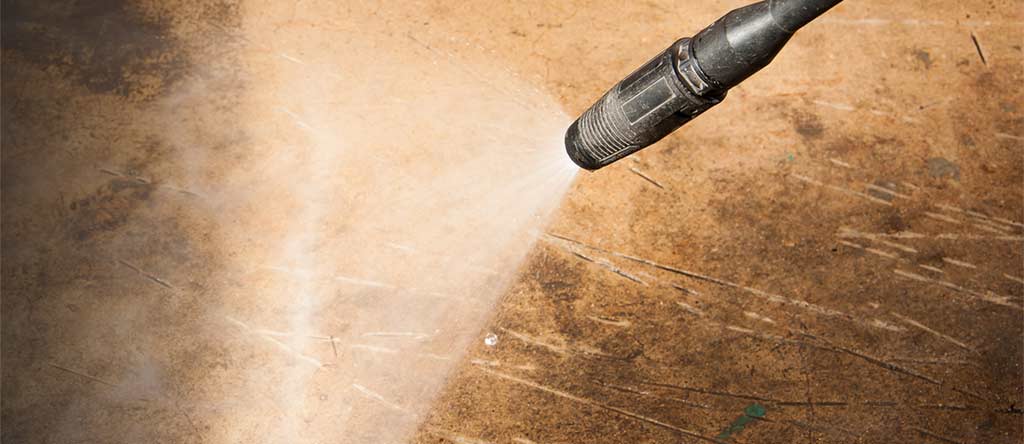
Travertine and Natural Stone Cleaning
Protect delicate surfaces with professional travertine and natural stone cleaning services. From patios and walkways to pool decks and entryways, expert pressure washing removes dirt, algae, and buildup using safe methods. Proper care helps preserve stone integrity and long-term curb appeal.
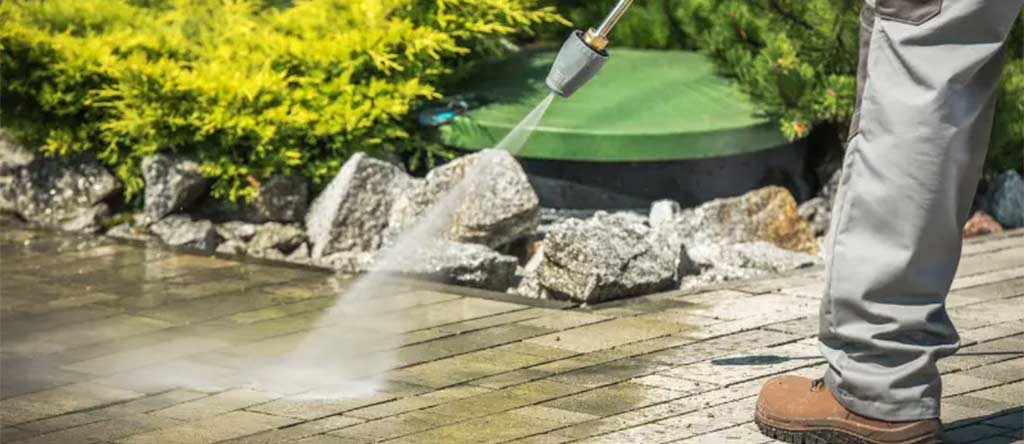
Stamped Concrete Cleaning
Restore the look of decorative surfaces with professional stamped concrete cleaning services. From patios and walkways to driveways and pool decks, expert pressure washing removes dirt, stains, and buildup without damaging the finish. Proper cleaning helps preserve appearance and extend surface life.
Sports Court Cleaning
Keep sports courts clean, safe, and playable with professional pressure washing services. From basketball and tennis courts to surrounding concrete areas, expert cleaning removes dirt, algae, and surface buildup effectively. Routine maintenance improves traction, appearance, and overall court performance.
Retaining Wall Cleaning
Keep retaining walls looking clean and structurally sound with professional cleaning services. From concrete and stone walls to landscaped retaining systems, expert pressure washing removes dirt, algae, and buildup safely. Proper cleaning helps protect surfaces and maintain a polished property appearance.