
A property manager named Stephanie runs a 240-unit complex off Kuykendahl in Spring. Class B property. Working families. The property boasts a convenient location close to the freeway.
She called me last fall with a problem she couldn’t figure out.
Occupancy was dropping. Lease renewals were down. Prospective tenants would tour and then ghost. Nothing obvious was wrong. Units were updated. Pricing was competitive. Maintenance responded quickly.
“I don’t get it,” Stephanie said. “We’re doing everything right, but people aren’t signing.”
I drove over to take a look. I strolled around the property as if I were a potential tenant.
Saw it immediately.
Breezeways were dark with grime. Stairwells had black streaks on every landing. The parking lot had oil stains in half the spaces. The dumpster area appeared untouched for years. Building exteriors had green patches creeping up from the foundation.
The units were fine. The common areas were killing her.
“People see this stuff before they ever get inside an apartment,” I told her. “First impressions happen in the parking lot.”
We cleaned the whole property. Took three days. Every breezeway. Every stairwell. Parking areas. Dumpster pads. The building’s exterior extends up to the second floor.
Occupancy started climbing within two months.
“Should’ve called you a year ago,” Stephanie said. “Would’ve saved me many headaches.”
Probably. But better late than never.
Snapshot
| Factor | What to Know |
| Cleaning frequency | Quarterly for high-traffic areas. Annually for building exteriors. |
| Cost range | $2,000-$15,000+, depending on unit count and scope |
| Occupancy impact | Clean common areas improve tenant retention and attract new leases |
| Houston reality | High humidity and covered walkways create ideal conditions for mildew |
| Best timing | Early morning or during weekday work hours when parking is lighter |
Why Apartment Complex Pressure Washing Affects Your Bottom Line
Apartment investing is a numbers game. Occupancy rates. Lease renewal percentages. Time-to-lease on vacant units. Every percentage point matters.
Clean common areas push all those numbers in the right direction.
Prospective tenants form opinions fast. They pull into the parking lot and start judging. This occurs even before they have the opportunity to meet the leasing agent. They arrive before they have a chance to view a unit. This is done before they receive the price.
Dirty breezeways say something. Stained stairwells say something. Grimy building exteriors say something. Even if the units are lovely, the common areas create doubt.
Current tenants notice too. They walk through those breezeways every day. They park in that lot. They use those stairs. When renewal time comes, they remember how everything looked.
In Houston, the deterioration happens fast. Covered walkways trap humidity. Stairwells don’t get enough airflow. North-facing walls grow mildew. Parking lots collect oil from hundreds of cars.
A property that looked fine in January looks rough by summer. Like, noticeably rough. The kind of roughness that costs you leases.
A regional manager named Andre oversees six apartment communities in the Houston area. Different classes. Different neighborhoods. Same pattern everywhere.
“The properties that clean quarterly have better numbers,” Andre said. “Every single time. It’s not even close.”
Not a coincidence. Clean properties perform better. Simple as that.
What Apartment Complex Pressure Washing Covers
Every property is different. But most pressure washing projects for apartments hit the same areas.
Breezeways and Walkways
The arteries of any apartment complex. These areas serve as the daily walking routes for tenants. Multiple times a day.
Covered breezeways are mildew magnets in Houston. Limited sunlight. Trapped humidity. Perfect growing conditions. Black streaks develop along walls. Concrete darkens. Ceilings get spotty.
Open walkways collect dirt, pollen, and debris. Foot traffic grinds it into the concrete. It creates that dull gray film that makes everything look older.
Clean breezeways change the whole feel of a property. The difference is immediately noticeable when tenants walk to their units.
Stairwells and Landings
High traffic. Constant use. Steps collect grime fast.
Landings are the worst. People stand there waiting. Shuffling feet. Setting bags down. All that contact leaves marks.
Metal railings develop grime buildup. Walls get scuffed and dirty at hand height. Corners collect debris that nobody sweeps.
Stairwells also become slip hazards when algae grows. Shaded stairs stay damp. Green film develops. Someone falls, and you’ve got a liability claim.
A maintenance supervisor named Ray works at a complex in The Woodlands. Three stories. Many stairs.
“We had two slip incidents in one summer,” Ray said. “Both on stairs with algae. After that, ownership approved quarterly cleaning. No more incidents.”
Safety is just as important as appearance. Worth the investment.
Parking Lots and Garages
Where first impressions happen. Prospective tenants park and look around before they ever meet anyone.
There are oil stains in every space. Tire marks near speed bumps. Grime accumulation in corners. Untouched garage floors remain from the construction phase.
Large parking areas are expensive to clean completely. Many properties focus on main drives, visitor parking, and areas near the leasing office. These are high-impact zones that prospective tenants are likely to see first.
Covered garages need attention too. They trap exhaust fumes. Walls darken. Ceilings get coated. Even when the apartment is technically clean, the feeling of dinginess persists.
Dumpster Areas and Trash Corrals
The trash disposal areas are considered the most unsanitary on any apartment property. Leaking bags. Spilled liquids. Food waste bakes in the heat of Houston.
Attracts pests. Smells terrible in summer. The odor is noticeable to everyone who drives by.
Monthly cleaning is standard for dumpster pads at busy complexes. The buildup happens too fast to let it go longer. For smaller properties, cleaning should be done at least quarterly.
Hot water and degreaser are essential here. Cold water just pushes the grime around. Doesn’t actually clean.
Pool Decks and Amenity Areas
Where tenants hang out. Where they bring guests. They decide whether they like living here.
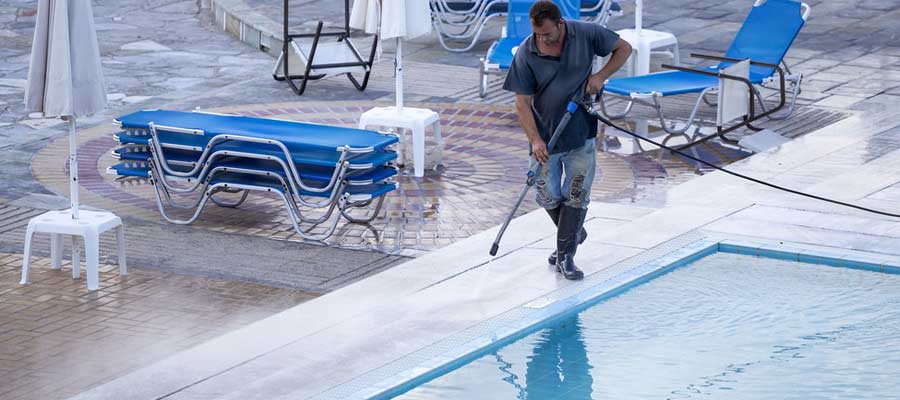
Pool decks get slippery with algae. Grills get grease buildup around them. Pavilion floors collect food and drink spills from tenant events.
Fitness center entrances. Dog parks. Playgrounds. Any common amenity where tenants gather needs regular attention.
These areas directly affect tenant satisfaction. Clean amenities make people feel positive about where they live. Dirty amenities make them start looking at other properties.
Building Exteriors and Facades
The big visual. The street view provides a clear visual representation of the property. The property’s appearance is reflected in the listing photos.
The property features stucco, brick, siding, and painted surfaces. All of them collect airborne grime over time. North-facing walls grow mildew. Areas near landscaping get mud splashes. Foundation lines develop green bands.
Soft washing works best for most apartment exteriors. The cleaning solution is applied under low pressure to ensure thorough cleaning. This method effectively cleans buildings without causing damage to the materials or forcing water into the units.
Annual cleaning keeps buildings looking maintained. Twice yearly for properties with heavy shade or north-facing exposure.
Scheduling Around Tenant Activity
Apartment cleaning requires coordination. You’ve got hundreds of people living there. Cars coming and going. There are daily routines that need to be adjusted to.
The best approach is section by section. Clean one building while residents are at work. Move cars from one area while cleaning another. Rotate through the property systematically.
Tenant notification matters. Nobody likes surprise pressure washers at 7 AM outside their window. Give 48-72 hours’ notice. Post signs. Send emails through the property management system.
Early mornings start working well for parking areas. Most cars are still there, but residents are sleeping. Please complete sections before people begin leaving for work.
Weekday mid-morning is ideal for breezeways and stairwells. Parking lots are emptier. There is less foot traffic to contend with.
A property manager named Kendra runs a 180-unit complex in Cypress. Kendra had to learn the hard way about scheduling.
“The first time we cleaned, we didn’t give enough notice. We got complaints for a week. Now we over-communicate. Signs everywhere. Emails. Text alerts. Nobody’s surprised anymore.”
Communication prevents complaints. Worth the extra effort.
How Often Should Apartment Complexes Get Pressure Washed
The frequency of pressure washing depends on the area and the level of traffic. Different parts of the property need different schedules.
Breezeways and stairwells need quarterly cleaning in Houston. Humidity makes mildew grow fast. Waiting longer means fighting worse buildup.
Dumpster pads need monthly service. Non-negotiable for busy properties. The smell and pest issues aren’t worth saving a few bucks.
High-traffic zones should have their parking areas cleaned quarterly. The general lot should be cleaned annually. More if oil staining is heavy.
Pool decks require cleaning at least twice a year. Before pool season opens. Similarly, heavy-use properties should have their decks cleaned by mid-summer. Safety first.
Building exteriors annually. Twice yearly for properties with persistent mildew problems or lots of shade.
Most apartment communities do best with a mixed schedule. Rotate through different areas throughout the year. Something’s getting cleaned every quarter. Nothing sits neglected too long.
What Apartment Complex Pressure Washing Costs
Pricing scales with unit count and scope. A small complex is different from a large garden-style property with multiple buildings.
Breezeways and stairwells typically run $8–$15 per unit for quarterly cleaning. A 200-unit property might pay $1,600—$3,000 per visit.
Dumpster pads run $100–$300 per pad, depending on size and condition.
Parking lot cleaning runs $0.08-$0.15 per square foot. Large lots get expensive. Many properties clean priority zones rather than entire lots.
Building exteriors run $0.15-$0.35 per square foot depending on height and material. Three-story buildings cost more than two-story buildings.
A comprehensive annual program for a 200-unit complex typically runs $8,000-$15,000 depending on scope. The comprehensive annual program typically includes quarterly breezeway cleaning, monthly dumpster service, and an annual building wash.
Sounds like real money. But compare it to lost rent from vacant units. A one-month vacancy on a $1,400 unit costs more than a quarter of the cleaning. Clean properties stay full. Full properties make money.
Current Trends in Apartment Exterior Maintenance
More ownership groups are building pressure to wash into operating budgets rather than treating it as a capital expense. Predictable spending. Better planning.
Focus shifts to high-impact areas first. Leasing office approach. Model unit breezeways. Amenity centers. These are locations that have a direct impact on the pace of leasing.
Quarterly breezeway cleaning is becoming standard rather than annual. Houston humidity just doesn’t allow for longer intervals.
Environmental compliance is getting more attention. Water recovery is a crucial aspect of large-scale projects. Eco-friendly detergents. The documentation is utilized for corporate sustainability reporting purposes.
FAQs
Could you please let us know the estimated time required to clean an entire apartment complex?
The duration varies depending on the size and scope of the property. One day might suffice to clean a small 50-unit property. A large 300+ unit community could take a week for comprehensive cleaning. Most midsize properties run for 2–4 days.
Will pressure washing disturb tenants?
Some noise is unavoidable. Proper scheduling minimizes impact. We work section by section, avoid early mornings near bedrooms, and give advance notice. Most tenants appreciate the results.
Can you clean around parked cars?
To a degree. We can clean parking surfaces around vehicles. But moving cars produces better results. Coordination with management via notification helps get vehicles moved temporarily.
Is there a risk of water getting into units?
Not with proper technique. We use appropriate pressure for each surface. Angle spray away from doors and windows. Soft wash building exteriors rather than blasting. Professional crews know how to avoid problems.
Should we clean before a property inspection?
Absolutely. Clean common areas make strong impressions on inspectors, investors, and lenders. Schedule cleaning 1-2 weeks before any important visit. This allows the surfaces time to dry and settle properly.
Why Klein Pressure Washing
We clean apartment communities across Spring, Klein, The Woodlands, Cypress, and greater Houston. Twenty years doing this. Garden-style. Mid-rise. Mixed-use. All of it.
We work with property managers and ownership groups. We adapt our scheduling to accommodate the activities of our tenants. Section-by-section approach. Proper notification protocols. We’ve done this task enough to know what works.
Stephanie’s occupancy came back up. Andre’s portfolio stays ahead of the competition. Ray hasn’t had another slip incident. Kendra’s tenants stopped complaining.
Your common areas are either helping you lease units or hurting you. There’s no neutral. Clean properties win.
Call us. We’ll walk your property, identify priorities, and build a scope that fits your budget. If you want ongoing service, we’ll create a schedule that keeps everything looking excellent year-round.
Clean complex. Happy tenants. Full occupancy. Worth the money.
Articles About Power Washing – Concrete Cleaning Service By Klein Pressure Washing in Spring Valley, Texas…
Travertine and Natural Stone Cleaning
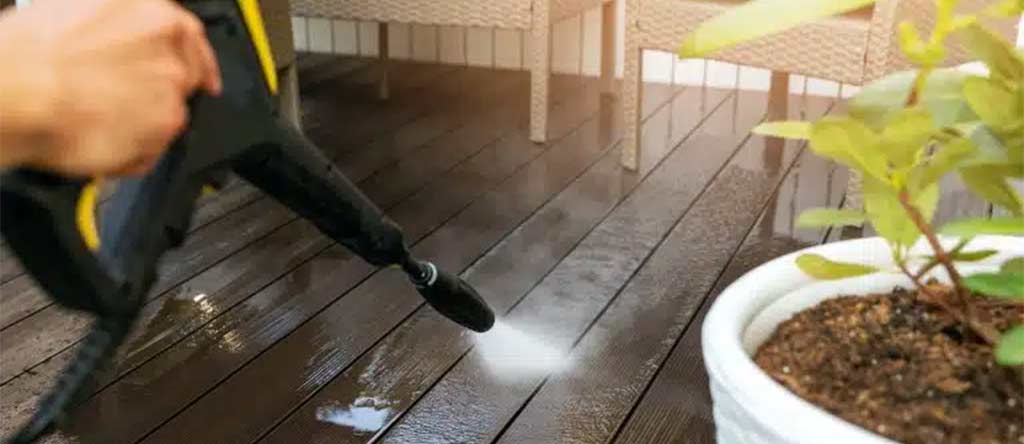
Protect delicate surfaces with professional travertine and natural stone cleaning services. From patios and walkways to pool decks and entryways, expert pressure washing removes dirt, algae, and buildup using safe methods. Proper care helps preserve stone integrity and long-term curb appeal.
Stamped Concrete Cleaning
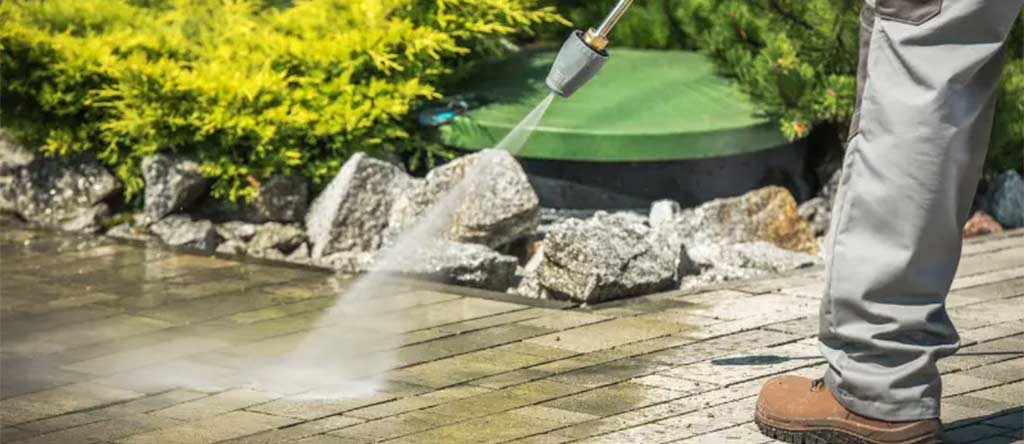
Restore the look of decorative surfaces with professional stamped concrete cleaning services. From patios and walkways to driveways and pool decks, expert pressure washing removes dirt, stains, and buildup without damaging the finish. Proper cleaning helps preserve appearance and extend surface life.
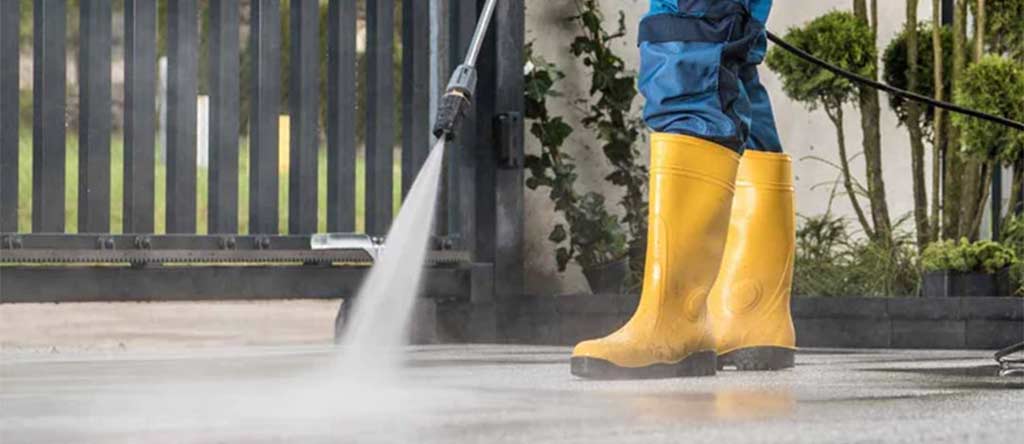
Sports Court Cleaning
Keep sports courts clean, safe, and playable with professional pressure washing services. From basketball and tennis courts to surrounding concrete areas, expert cleaning removes dirt, algae, and surface buildup effectively. Routine maintenance improves traction, appearance, and overall court performance.
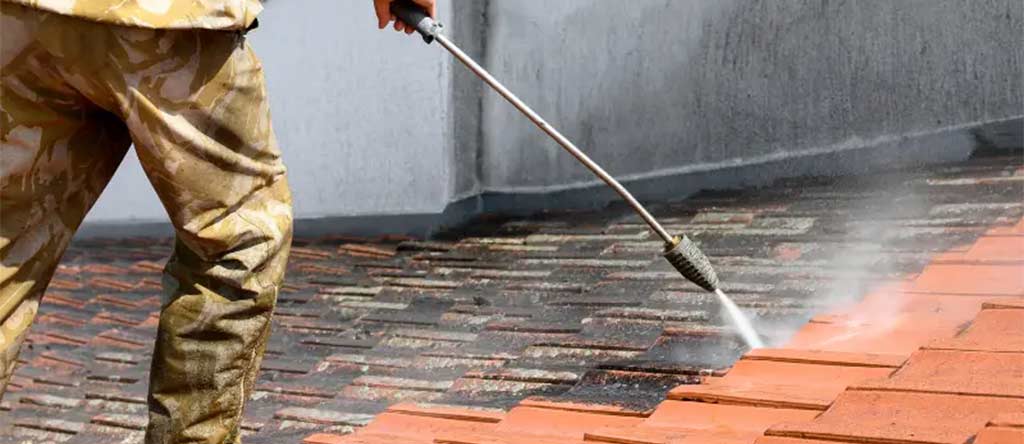
Retaining Wall Cleaning
Keep retaining walls looking clean and structurally sound with professional cleaning services. From concrete and stone walls to landscaped retaining systems, expert pressure washing removes dirt, algae, and buildup safely. Proper cleaning helps protect surfaces and maintain a polished property appearance.