
Guy I know Miguel owns a beautiful stucco home in The Woodlands. Mediterranean style. Warm tan finish with decorative trim. Arched windows. Clay tile roof. It looked stunning when he bought it twelve years ago.
By year eight, something had changed. The north side had turned gray-green. Algae streaks ran down from the roofline like dark tears. The texture that once looked elegant now just looked dirty. Trapped dirt in every little groove and crevice. Mold is growing in every shaded area.
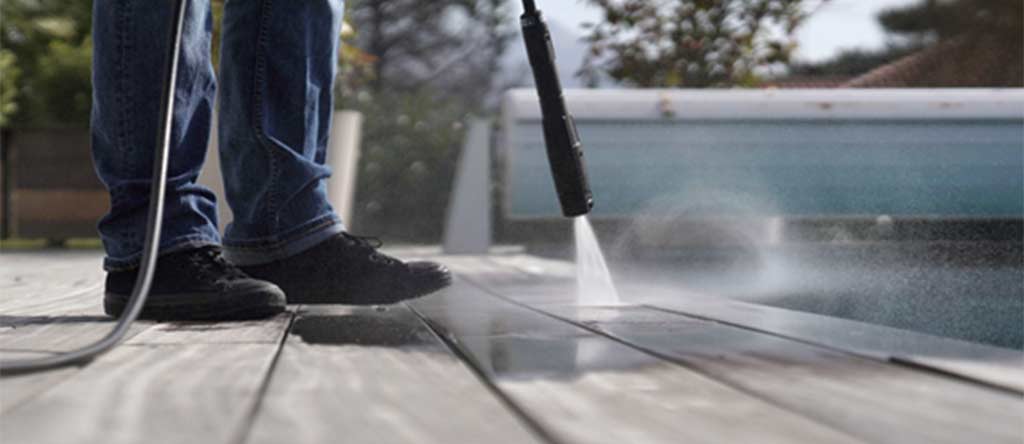
Miguel figured he’d handle it himself. How hard could it be? Rented a pressure washer from Home Depot. Set it to maximum. Started blasting.
Within 20 minutes, he’d chipped the stucco in three places and created a pattern of lighter spots where the finish had been stripped. The damage was obvious. Permanent. Visible from the street.
“I thought it was pressure washing,” Miguel told me afterward. “Same thing you’d use on a driveway. Nobody mentioned that stucco needs a completely different approach.”
He ended up paying $1,800 for stucco repair on top of the cleaning cost. Expensive lesson. One we see repeated constantly.
Stucco homes have a unique beauty—textured, warm, and timeless. Popular throughout the Houston area. But that same textured surface that makes them beautiful also makes them vulnerable. The texture traps dirt, dust, pollen, and mildew faster than smooth siding. And the material itself can’t handle the aggressive cleaning that works fine on concrete or brick.
In the Houston area, humidity and seasonal pollen make buildup appear sooner than homeowners expect. Cleaning is necessary. But the method matters enormously. Get it wrong and you’re looking at repair bills like Miguel’s.
Quick Facts: Stucco Home Cleaning
| Factor | Details |
| Stucco Lifespan | 50–80 years with proper care and maintenance |
| Typical Cleaning Cost | $200–$600 depending on home size and buildup level |
| Recommended Schedule | Once per year; every 6–8 months in humid or dusty areas |
| Proper Method | Soft washing—low pressure with appropriate cleaning solutions |
| Texas Reality | Heat, humidity, and pollen make routine stucco cleaning essential |
Why Stucco Needs Special Care
Stucco is durable. When properly maintained, stucco can last for 50–80 years. But its porous texture creates specific challenges:
The Texture Traps Everything
What are the beautiful grooves and ridges that give stucco its unique character? They also trap dirt, pollen, mold spores, and moisture. These grooves and ridges act as tiny cups, capturing everything that comes into contact with them.
Traditional scrubbing usually leaves the small grooves dirty. You scrub the high spots while the low spots stay dirty. Despite putting in hours of effort, the results are often mediocre. Frustrating.
A garden hose doesn’t have enough force to reach the texture, either. The dirt just sits there. Accumulates. Gets worse over time. Bonds to the surface. It becomes harder to remove the longer it stays.
High Pressure Causes Damage
This is where Miguel went wrong. High-pressure cleaning can chip, crack, or strip stucco. The force that works fine on concrete destroys stucco’s finish. This process results in permanent damage that necessitates professional repair.
The texture that traps dirt also makes the surface vulnerable. Pressure gets into those grooves and lifts the material right off. Once it’s damaged, you can’t undo it. Can’t smooth it over. You cannot act as if the damage never occurred.
The only fix is professional stucco repair. Matching the texture. Matching the color. Blending the patch into the original. The original method is costly and inherently imperfect.
Harsh Chemicals Discolor the Finish
Wrong chemicals can discolor or weaken stucco. Bleach at the wrong concentration leaves streaks. Acidic cleaners damage the surface. Even using the correct chemicals inappropriately can lead to issues.
Stucco needs the right balance. The solution should be gentle enough to protect the finish. Stucco requires a balance that is both gentle and strong enough to effectively clean.
The Solution: Soft Washing
Experienced companies rely on soft washing for stucco. Low pressure—typically under 500 PSI—combined with appropriate cleaning solutions. The chemicals do the cleaning work. The low-pressure rinse removes the loosened grime. No force required.
This balanced approach cleans thoroughly without stressing the material. This approach effectively targets algae and mildew in the minuscule textured areas that traditional cleaning methods overlook. This method not only protects the finish but also effectively cleans the surface.
The process takes longer than blasting with high pressure. Worth it. The extra time protects a surface that can cost thousands to repair if damaged.
Key Benefits of Cleaning Stucco Routinely
Immediate Curb Appeal
The gray film disappears. The green streaks vanish. Your stucco goes back to looking like it did when you moved in. The transformation is dramatic and immediate. Like a different house.
A homeowner in Spring—a woman named Teresa with a white stucco home—had her house cleaned after five years of neglect. She’d stopped noticing how awful it had gotten. That’s how it works. You see it every day, so you stop seeing it.
Her neighbor literally didn’t recognize the house at first.
“She asked if we’d repainted,” Teresa said. “I told her we just cleaned it. She couldn’t believe the difference. Neither could I, honestly.”
Same house. Just clean. That’s the power of proper stucco cleaning.
Property Value Protection
A cleaner exterior reflects better on property value. Buyers notice. Appraisers notice. Real estate agents definitely notice. Dirty stucco suggests neglected maintenance. Clean stucco suggests a home that’s been cared for.
Stucco homes are often higher-end properties. Mediterranean styles. Custom builds. There are properties where the importance of appearance surpasses the average. Dirty stucco on a luxury home sends a particularly bad message.
If you’re selling—or thinking about selling—get the stucco cleaned first. It’s one of the highest-ROI pre-sale improvements you can make.
Surface Longevity
Routine washing prevents moisture-holding contaminants from sitting against the surface. Mold and algae hold moisture. That moisture leads to hairline cracking over time. Cracks lead to bigger problems. Water infiltration. Interior damage. Expensive repairs.
Annual cleaning interrupts that cycle. Annual cleaning eliminates the growth before it leads to any damage. This prolongs the lifespan of your stucco finish. Stucco can last 50–80 years with proper care. Without care? Much less.
A contractor in Cypress—a guy named Raymond who’s been working on stucco for 30 years—told me he can usually tell which homes get cleaned regularly and which don’t.
“The ones that never get cleaned need repair work every 10–15 years,” Raymond said. “The ones that get cleaned annually? I might not see them for 30 years.”
Maintenance matters. For stucco, it really matters.
Healthier Environment
Mold spores accumulate on exterior surfaces near doors, patios, and windows. Every time you open a door or window, some of those spores come inside. Wind stirs them up and circulates them around your property every time it blows.
Keeping the exterior clean reduces the mold load around your home. Better for everyone. This is particularly beneficial for those who suffer from allergies or respiratory issues. Kids playing outside. Elderly family members. This applies to anyone who is susceptible to airborne contaminants.
A clean exterior means cleaner air around your home. This is a simple connection that is often overlooked.
Safe Cleaning Guidelines for Stucco Homes
If you’re hiring professionals—or attempting DIY—here’s what proper stucco cleaning involves:
- Only use low pressure, preferably under 500 PSI. High pressure damages stucco. No exceptions. This restriction is non-negotiable.
- Appropriate cleaning agents—mild detergents designed for stucco. Not generic degreasers. Use diluted bleach. These products are specifically designed to work with the specific material in question.
- Wide-angle spray tips – 40 degrees or wider. Concentrates less force on any single point. Spreads the cleaning action.
- Distance from surface—The nozzle stays at least 12 inches from the wall. Closer means more concentrated pressure. More risk.
- Smooth, even passes—move steadily. Don’t concentrate water in one spot. Let the chemicals do the work, not the force.
- Pre-inspection for damage—Check for cracks or damaged areas before cleaning. Water infiltration behind stucco causes major problems. Don’t force water into existing damage.
This style of cleaning takes longer than simply blasting the wall. But it preserves the finish and avoids costly repairs. Worth the extra time.
Stucco Compared to Other Siding Types
Different siding materials handle cleaning differently:
| Material | Pressure Tolerance | Recommended Method |
| Stucco | Low—damages easily | Soft wash only |
| Brick | Higher—more durable | Pressure wash OK |
| Vinyl | Moderate—can warp | Soft wash preferred |
| Painted Wood | Low—strips paint | Soft wash only |
| Fiber Cement | Moderate | Low pressure OK |
Stucco owners should remember: gentle cleaning produces the best long-term outcome. This is particularly true in climates with high levels of moisture exposure. Texas qualifies. Our humidity puts extra stress on textured surfaces.
If a company tells you they’ll pressure wash your stucco at high pressure, find a different company. They either don’t understand stucco or don’t care. Neither is acceptable.
Frequently Asked Questions
How often should I pressure wash my stucco home?
Most stucco homes do well with cleaning once a year. If your house sits in a humid, shaded, or dusty area, buildup may return in six to eight months. Routine cleaning prevents staining and helps the stucco coating last longer. It’s better to clean more often than wait until problems are severe.
Can pressure washing damage stucco?
Yes. High pressure cracks, chips, and strips of stucco. That’s why trained technicians use soft washing—low pressure with appropriate detergents. The chemicals do the cleaning work. The gentle rinse removes the loosened grime. When done properly, it’s safe and highly effective.
Is soft washing safe for the environment?
Most soft washing relies primarily on water. When detergents are needed, biodegradable options are available that break down safely. Professional companies dilute and control cleaning agents to ensure the protection of surrounding plants and soil. It is generally regarded as one of the more environmentally friendly methods for exterior cleaning.
Can I clean my stucco home myself?
You can, but stucco requires more care than other surfaces. Too much pressure or the wrong nozzle damages the finish and can allow water to seep behind the wall. Miguel’s $1,800 repair bill is a common outcome for DIY attempts gone wrong. Many homeowners prefer hiring professionals who know stucco’s specific requirements.
How much does stucco cleaning cost in Texas?
Most homeowners spend $200–$600 depending on home size, staining level, and accessibility. Multi-story homes or properties with heavy buildup fall toward the higher end. Routine cleaning often keeps costs lower because surfaces require less intensive treatment.
Why does my stucco get dirty faster than my neighbor’s vinyl siding?
Stucco’s textured surface traps dirt and organic growth that smooth surfaces shed. The grooves hold onto pollen, dust, and mold spores. It’s the trade-off for that beautiful texture. Regular cleaning is the solution.
What’s the difference between soft washing and pressure washing?
Pressure washing uses high-pressure water to blast away dirt. Soft washing uses low pressure combined with cleaning solutions—the chemicals do the work, not the force. For stucco, soft washing is the only safe option. High pressure damages the material.
How long does stucco cleaning take?
Most single-story stucco homes take 2–4 hours. Two-story homes take longer—typically 4–6 hours. The soft-wash process requires time for chemicals to work before rinsing. Rushing defeats the purpose.
Why Klein Pressure Washing
We specialize in safe stucco cleaning using proven soft-wash techniques. Our twenty years of experience spans across Spring, Klein, The Woodlands, Cypress, and the greater Houston area. We have successfully cleaned hundreds of stucco homes without causing any damage. We understand the material and respect what it needs.
We restore curb appeal while treating your exterior gently. Right pressure. Right chemicals. Right technique. Your stucco stays protected while getting genuinely clean. No chipping. No stripping. No damage.
We’ve seen Miguel’s situation too many times. Homeowners often do not realize that stucco requires special care. Who thought pressure washing was pressure washing? Those homeowners found themselves saddled with repair bills far exceeding the cost of professional cleaning.
Don’t make that mistake. Give us a call. We’ll assess your stucco, explain what it needs, and give you a straight quote. No games. No pressure. You will receive honest service from people who are knowledgeable about stucco.
Beautiful stucco. Clean and protected. That’s the goal.
Blogs Related to Power Washing – Fence Cleaning Service By Klein Pressure Washing in Hunters Creek Village, Texas!
Travertine and Natural Stone Cleaning
Protect delicate surfaces with professional travertine and natural stone cleaning services. From patios and walkways to pool decks and entryways, expert pressure washing removes dirt, algae, and buildup using safe methods. Proper care helps preserve stone integrity and long-term curb appeal.
Stamped Concrete Cleaning
Restore the look of decorative surfaces with professional stamped concrete cleaning services. From patios and walkways to driveways and pool decks, expert pressure washing removes dirt, stains, and buildup without damaging the finish. Proper cleaning helps preserve appearance and extend surface life.
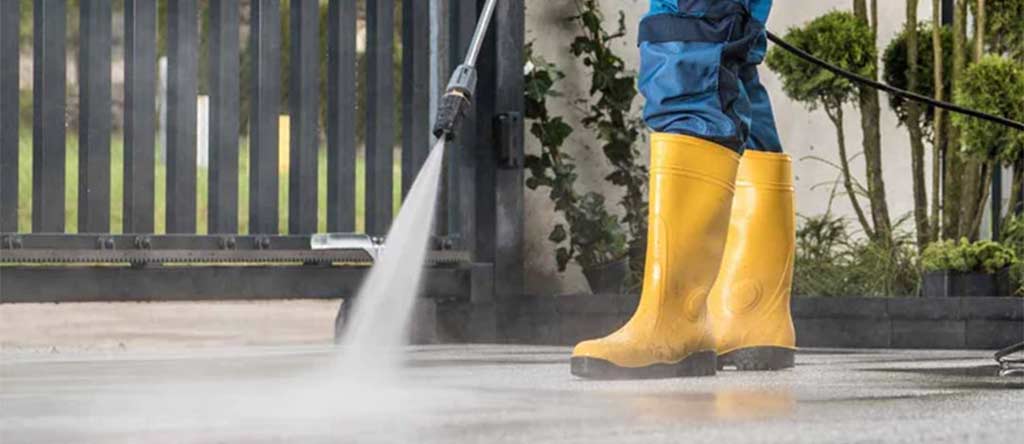
Sports Court Cleaning
Keep sports courts clean, safe, and playable with professional pressure washing services. From basketball and tennis courts to surrounding concrete areas, expert cleaning removes dirt, algae, and surface buildup effectively. Routine maintenance improves traction, appearance, and overall court performance.
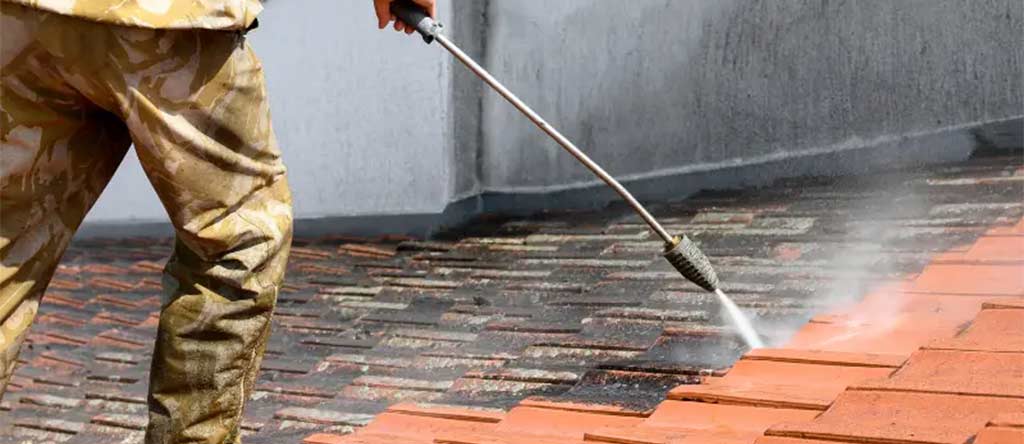
Retaining Wall Cleaning
Keep retaining walls looking clean and structurally sound with professional cleaning services. From concrete and stone walls to landscaped retaining systems, expert pressure washing removes dirt, algae, and buildup safely. Proper cleaning helps protect surfaces and maintain a polished property appearance.