
I know a man named Derek who lives over in Cypress. Derek purchased his house three years ago from a couple who had resided there since the 1980s. Nice place. Good bones. But the previous owners had painted the garage floor at some point. Gray deck paint. Covered the whole thing.
The problem was, the paint had been peeling for years. Chunks missing. Flaking everywhere. Looked terrible. Every time Derek parked his truck, more paint came up stuck to the tires. Derek managed to track the paint into the house. His wife was not happy about it.
He wanted it gone. All of it. Back to bare concrete.
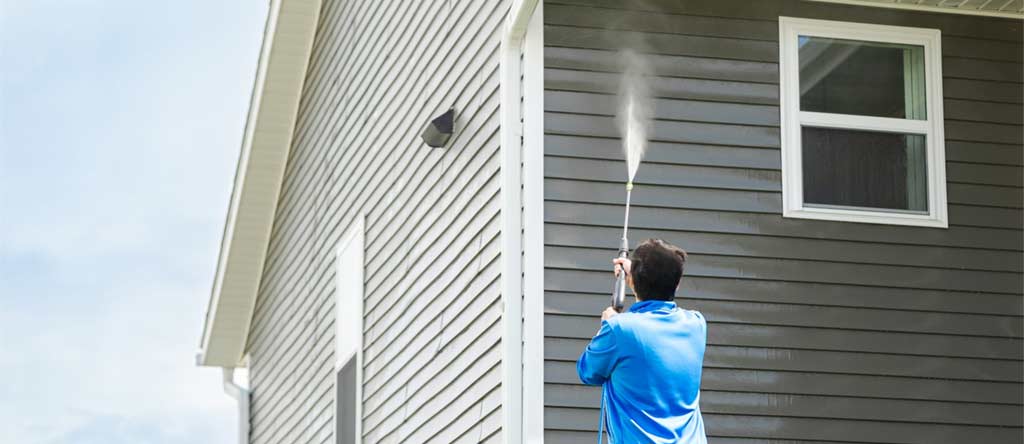
Derek figured his pressure washer would handle it. He used the same pressure washer he uses on his driveway every year. He brought the pressure washer into the garage on a Saturday morning and proceeded to work.
Four hours later, he’d removed maybe 30% of the paint. The loose, flaking stuff came off fine. Easy. But where was the paint still bonded? His pressure washer couldn’t touch it. Just wet paint staring back at him. Mocking him.
“I thought pressure washers could blast off anything,” Derek told me later. “Turns out there’s a big difference between what I had and what I actually needed.”
He’s not wrong. His 2,000 PSI residential washer was fine for cleaning concrete. Removing bonded paint? A different job entirely.
Short answer to the question: Yes, pressure washing can remove paint from concrete. But how well depends on the paint type, how old it is, what condition your concrete is in, and whether you’ve got the right equipment.
Done right, you can restore driveways, patios, and garage floors to clean, paint-free surfaces. Done wrong? You’ll waste hours getting nowhere. Alternatively, if you try too hard, you risk damaging the concrete underneath.
Quick Facts: Paint Removal from Concrete
| Factor | Details |
| Minimum PSI Needed | 3,000 PSI minimum; 3,500+ PSI for stubborn paint |
| Best Nozzles | 15° (yellow) for aggressive stripping; 25° (green) for balance |
| DIY Cost | $100–$300 (equipment rental plus chemical stripper) |
| Professional Cost | $250–$600 depending on square footage and paint type |
| Easiest to Remove | Latex (water-based) paint, especially if already peeling |
| Hardest to Remove | Oil-based paint bonded to porous concrete; needs chemical stripper |
What Actually Affects Paint Removal Success
Not all paint removal jobs are the same. Some take an hour. Some take all weekend. Here’s what makes the difference:
Type of Paint You’re Dealing With
Latex paint is water-based. Generally easier to blast off with high-pressure water. Doesn’t bond as aggressively to concrete, especially if it’s relatively new or already failing.
Oil-based paint? That stuff adheres way harder. Almost always needs pre-treatment with chemical strippers to break the bond before you even think about pressure washing. If you skip the chemical step with oil-based paint, you will waste your entire day.
Age matters too. Older paint bonds with concrete in weird ways. Sometimes it flakes off easily because it’s degraded. Sometimes it’s bonded so deep into the pores you need serious chemical help to loosen it. There’s no way to know until you start.
A painter in Spring—a guy named Victor who’s been doing exterior work for 18 years—told me he can usually tell within five minutes whether a paint removal job will be easy or challenging.
“Oil-based over bare concrete with good adhesion? That’s a chemical job,” Victor said. “Latex that’s already peeling? The pressure washer will handle it. The paint tells you what it needs.”
He’s not wrong. The paint tells you.
Concrete Condition and Age
Smooth, newer concrete? Paint sits more on the surface. Comes off faster. Less penetration into the substrate.
Older, porous surfaces absorb paint into micro-cracks and pores. You’re in for more work. Sometimes multiple sessions. Sometimes, a combination of chemical stripping and pressure washing is required. No shortcuts.
Rough or cracked concrete traps paint in ways that make complete removal really difficult. In Houston areas like Spring, Klein, and The Woodlands, where expansive clay causes concrete shifting, you’ll find paint worked deeper into cracks than you’d expect.
A homeowner in The Woodlands—a woman named Rachel with a 25-year-old patio—found the issue out the hard way. Previous owners had painted the patio twice. Two layers of paint soaked into decades-old concrete with hairline cracks everywhere.
“I thought it would take a weekend,” Rachel told me. “It took three weekends, and I still had to call professionals to finish it.”
Older concrete with multiple paint layers is a different animal. Know what you’re getting into.
Pressure Washer Power (PSI)
You need at least 3,000 PSI for effective paint removal. Period. This is non-negotiable.
Those residential washers running 1,500–2,500 PSI? They might work on fresh latex paint that’s barely adhered. Already peeling stuff. But they won’t touch oil-based or old, well-bonded paint. Not enough force.
Derek’s pressure washer was 2,000 PSI. Fine for cleaning driveways. Useless for stripping bonded paint. That’s why he only got the loose stuff off.
Commercial units running 3,500+ PSI handle tougher jobs. But they require skill. Too much pressure or the wrong technique damages concrete permanently. Etching. Pitting. Surface erosion. Same problems we talked about with regular pressure washing, just worse because you’re working harder.
Nozzle Selection and Technique
Nozzle choice matters more for paint removal than regular cleaning. You need concentrated force to break paint’s bond with concrete:
- 15° nozzle (yellow)—Concentrates force for aggressive paint stripping. Use this for stubborn areas. Requires careful technique.
- 25° nozzle (green) – Balances power and coverage. Works well for most paint removal. Less risk of concrete damage.
- The 40° nozzle (white) is too gentle for effective paint removal. Good for final rinse after paint is gone. Don’t waste time trying to strip paint with this.
Distance matters too. For paint removal, work 6–8 inches from the surface. Much closer than normal cleaning distance. The concentrated force at close range is what breaks paint’s grip.
But here’s the danger: stay too close, move too slow, or linger in one spot? You’ll etch the concrete. Permanent damage. Keep moving. Steady passes. Never stop in one place.
Step-by-Step: How to Remove Paint from Concrete
Here’s the process that actually works. Follow these steps:
- Prepare the area by clearing everything. Move cars, furniture, or anything in the way. Cover nearby plants if using chemical stripper. Seal storm drains if dealing with oil-based stripper—Texas environmental regulations require proper disposal. Sweep loose debris.
- Apply chemical stripper if needed—for oil-based paint or stubborn latex, apply chemical stripper per manufacturer instructions. Brush it on. Let it sit 15–30 minutes to break down paint adhesion. Scrape off loose paint before pressure washing. Don’t skip this step for oil-based paint.
- Test first in a hidden spot—pick a small, out-of-sight area. Test your pressure and nozzle choice. If concrete starts pitting or showing damage, dial back pressure or switch to a wider nozzle. Better to discover this on 2 square feet than wreck the whole surface.
- Start pressure washing—use a 15° or 25° nozzle depending on paint stubbornness. Keep 6–8 inches from the surface. Move in steady, overlapping passes. Don’t linger in one spot. Work in sections so you can see progress.
- Repeat if necessary—stubborn paint might need a second pass or additional stripper application. Completely normal. Don’t try to force it all off in one aggressive pass. Multiple gentle passes beat one damaging pass every time.
- Final rinse and inspection—Switch to wider nozzle for final rinse. Remove all chemical residue and paint debris. Inspect for missed spots. Touch up as needed.
- Let it dry—wait 24–48 hours before sealing or repainting. Longer in Houston’s humidity, especially shaded areas. Concrete needs to be completely dry.
When Chemical Strippers Are Necessary
Not every paint removal job needs chemicals. But some absolutely do. Here’s when to reach for the stripper:
- Oil-based paint—Almost always needs chemical help. Bond is too strong for pressure alone. Trying to skip this step wastes time and damages concrete.
- Multiple paint layers—each layer bonds to the one below it. Chemical stripper penetrates through layers. Pressure alone just removes the top.
- Well-adhered paint with no peeling—if paint isn’t already failing, it’s well-bonded. Chemical stripper breaks that bond. Saves hours of frustration.
- Porous or cracked concrete—Paint soaked into substrate. Pressure can’t reach it. Chemical stripper penetrates and loosens from within.
When you don’t need chemicals: fresh latex paint that’s already peeling, a single layer on smooth concrete, and paint that scrapes off easily with a putty knife. In these cases, pressure alone can work.
Houston-Area Paint Removal Challenges
Texas climate does weird things to paint on concrete. Understanding these factors helps you plan:
- Heat and UV exposure—Relentless summer sun breaks down paint faster than cooler climates. Sometimes it makes removal easier because the paint’s already degrading. Sometimes it makes paint bond harder as UV literally bakes it into the surface. Seen both in Spring, The Woodlands, and Cypress.
- Humidity effects—Moisture works its way under paint edges. Causes peeling and bubbling. This actually helps with removal but means paint condition might be worse than expected. Prepare for surprises underneath.
- Expansive clay soil—Homes throughout the Houston area sit on clay that expands when wet and contracts when dry. Creates concrete cracks and shifts where paint gets trapped deeper than normal. Complete removal is much harder in these conditions.
- Longer dry times—After stripping paint, concrete needs to dry before sealing or repainting. Houston humidity extends this significantly. Plan for 48–72 hours in humid conditions. Rushing this step causes new paint to fail.
A property manager in Klein named Marcus, who handles about 30 rental houses, told me that paint removal jobs here take 20% longer than he budgeted when he moved from Colorado.
“Everything about concrete is different here,” Marcus said. “The heat, the humidity, the soil. Can’t use the same approach I used up north.”
He’s right. Texas plays by different rules.
DIY vs. Professional Paint Removal
Some paint removal jobs are DIY-friendly. Others really aren’t. Here’s how to decide:
DIY Can Work If:
- The area should be small—less than 200 square feet. Garage floor. Small patio. Manageable in a day.
- The fresh latex paint is either peeling off already or has been poorly adhered. Pressure alone can handle it.
- Access to proper equipment—you can rent a 3,000+ PSI commercial washer. Not worth it with an underpowered residential unit.
- Willing to take your time—multiple passes, chemical applications, and waiting for dry times. Weekend project minimum.
Call a Professional If:
- Large area—full driveway, large patio, multiple surfaces. Time and equipment needs scale up fast.
- Oil-based paint —chemical handling, proper disposal, and technique requirements. More than most homeowners want to deal with.
- Multiple paint layers or an unknown paint type can lead to unexpected surprises during the job. Professionals adapt. DIYers get frustrated.
- Valuable concrete you can’t afford to damage—decorative concrete, stamped patios, and surfaces where mistakes are expensive. Pros have insurance and experience.
- You want it done right the first time—professionals finish what Derek couldn’t. No wasted weekends.
Frequently Asked Questions
Will pressure washing alone remove all the paint?
Depends on paint type and age. Fresh latex paint that’s already peeling? Probably yes, with high enough PSI. Old oil-based paint bonded to rough concrete? Almost certainly need chemical stripper in addition to pressure washing.
What PSI do I actually need for paint removal?
Minimum 3,000 PSI for effective paint removal. 3,500+ PSI works even better but requires more skill to avoid damaging concrete. Those 2,000 PSI residential units won’t cut it for serious paint removal. Derek learned this.
Can pressure washing damage my concrete while removing paint?
Absolutely yes. Using too much pressure, the wrong nozzle angle, or staying in one spot too long causes permanent pitting and etching. Paint removal requires working closer to the surface than normal cleaning. More risk. Test first. Keep moving.
How long does paint removal actually take?
Depends on size and paint type. Small area with latex paint: 2–4 hours. Large area with oil-based paint requiring chemical stripping: a full day or more, including dry time for stripper. Plan conservatively.
Should I seal the concrete after removing paint?
Good idea. Fresh concrete after paint removal is exposed and porous. Sealing protects against stains, moisture, and future paint adhesion if you decide to repaint. Wait until concrete is completely dry—48–72 hours minimum in Houston humidity.
What do I do with chemical stripper waste?
Don’t let it go down storm drains. Texas environmental regulations require proper disposal. Collect wastewater and paint debris. Check with your local waste facility for hazardous material disposal options. Most hardware stores can direct you.
How do I know what type of paint is on my concrete?
Rub a cloth soaked in denatured alcohol on the paint. If paint softens or comes off on the cloth, it’s latex. If nothing happens, it’s oil-based. You can also scrape a small area—latex usually peels in sheets; oil-based tends to chip in flakes.
Why Klein Pressure Washing
We’ve stripped paint off thousands of driveways, patios, and garage floors across Spring, Klein, The Woodlands, Cypress, and greater Houston over the past 20+ years. We know Texas concrete inside and out. Know what works. Know what doesn’t.
Commercial-grade equipment with the PSI to actually remove paint. Chemical strippers for the tough jobs. Proper disposal that meets Texas environmental requirements. This technique is designed to remove paint without causing any damage to the concrete underneath.
Don’t end up like Derek—four hours in with 30% of the job done and no way forward. Don’t end up like Rachel—three weekends deep with paint still showing. Some jobs need professional equipment and experience.
Give us a call. We’ll assess your specific situation, tell you exactly what the job involves, and give you a straight quote. No surprises.
Paint gone. Concrete intact. Done right the first time.
Blogs About Power Washing – Graffiti Removal Service By Klein Pressure Washing in Montgomery County, TX!
Travertine and Natural Stone Cleaning
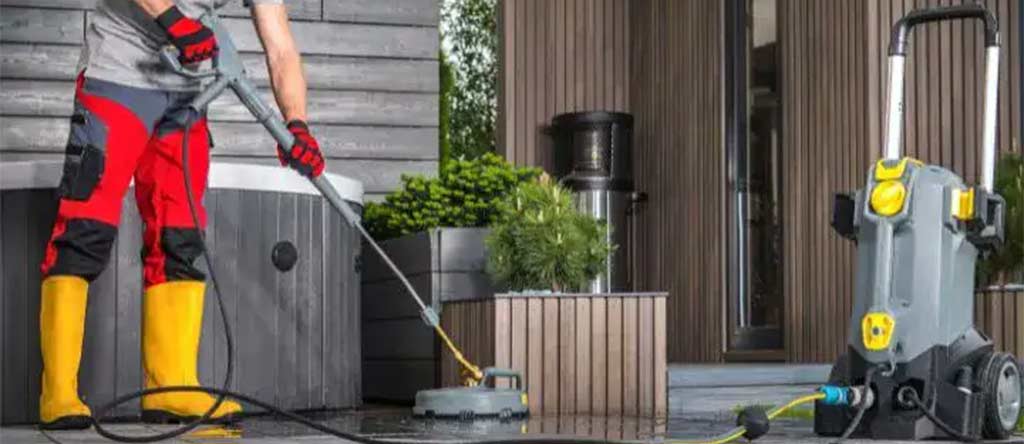
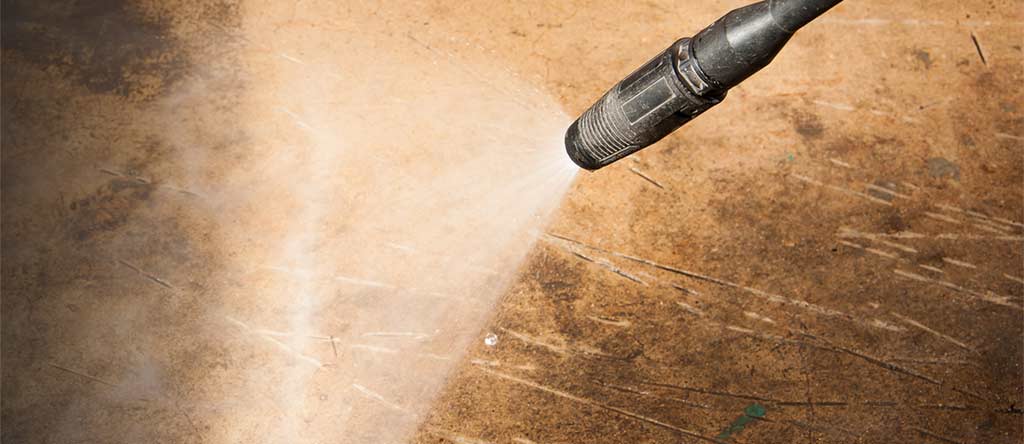
Protect delicate surfaces with professional travertine and natural stone cleaning services. From patios and walkways to pool decks and entryways, expert pressure washing removes dirt, algae, and buildup using safe methods. Proper care helps preserve stone integrity and long-term curb appeal.
Stamped Concrete Cleaning
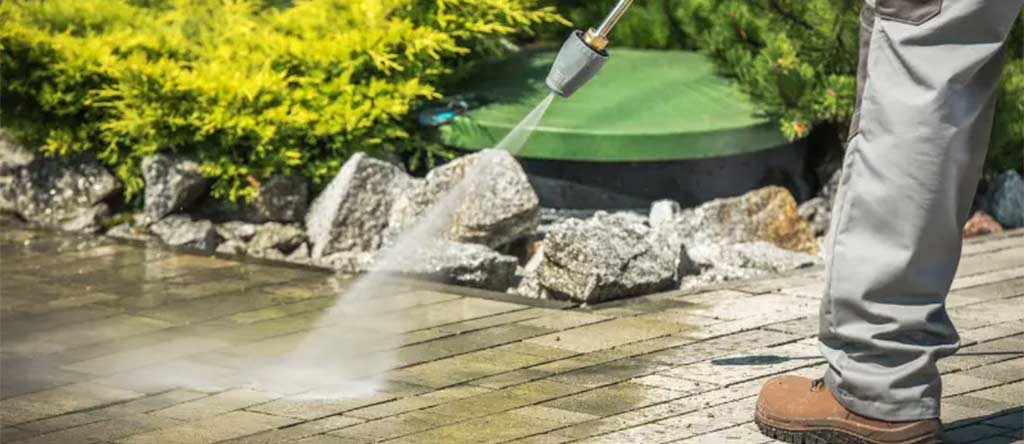
Restore the look of decorative surfaces with professional stamped concrete cleaning services. From patios and walkways to driveways and pool decks, expert pressure washing removes dirt, stains, and buildup without damaging the finish. Proper cleaning helps preserve appearance and extend surface life.
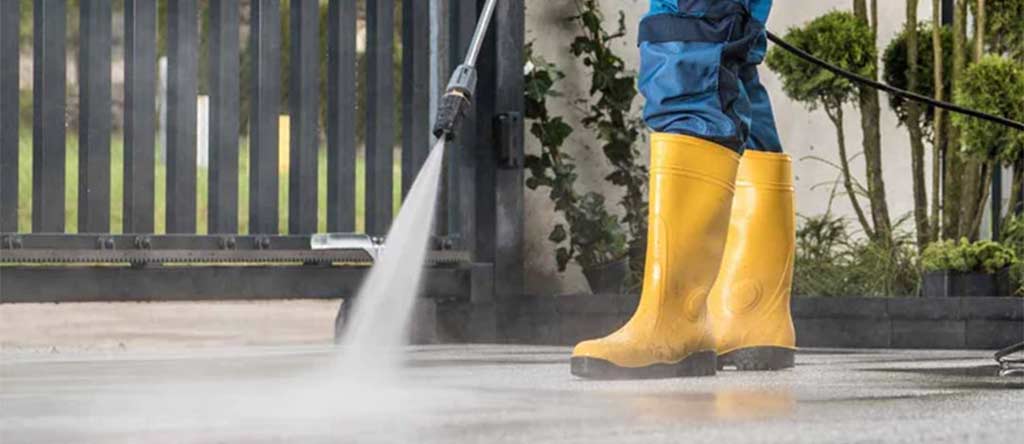
Sports Court Cleaning
Keep sports courts clean, safe, and playable with professional pressure washing services. From basketball and tennis courts to surrounding concrete areas, expert cleaning removes dirt, algae, and surface buildup effectively. Routine maintenance improves traction, appearance, and overall court performance.
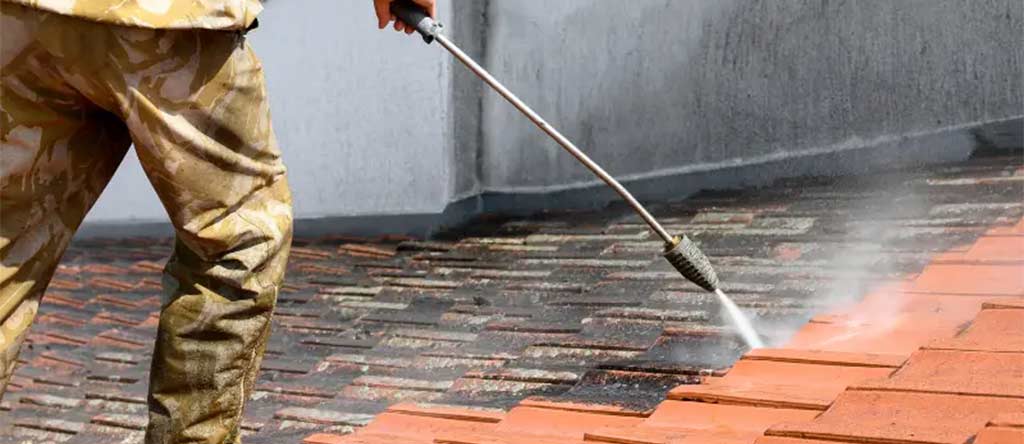
Retaining Wall Cleaning
Keep retaining walls looking clean and structurally sound with professional cleaning services. From concrete and stone walls to landscaped retaining systems, expert pressure washing removes dirt, algae, and buildup safely. Proper cleaning helps protect surfaces and maintain a polished property appearance.