
Woman I know a woman named Rachel who has a beautiful travertine patio in The Woodlands. Installed it about six years ago—probably 600 square feet of natural stone, professionally laid, cost her a small fortune. The kind of outdoor space you see in magazines. She used it constantly for the first few years. Dinner parties, weekend brunches, just sitting outside with a glass of wine watching the sunset.
Then the Texas humidity did what Texas humidity does. Mold started creeping in from the shaded corners near the house. Green algae spread across the stones. The whole patio developed this grimy film that made everything look tired and dirty.
Rachel’s husband decided to handle it himself. Rented a pressure washer, cranked it up to full power, and went to town on that travertine.
Three hours later I got a panicked phone call. The stone was clean, sure. But it was also etched in places where he’d gotten too close. The surface had this rough, pitted texture that hadn’t been there before. And half the polymeric sand between the pavers had washed out, leaving gaps where weeds would inevitably sprout.
“I thought I was helping,” he told me when I came to look at it. “The mold came right off. I didn’t realize I was taking the stone with it.”
Here’s the thing: pressure washing doesn’t have to damage pavers. Done right, it’s one of the best ways to restore a patio, driveway, or walkway to like-new condition. But done wrong—wrong pressure, wrong distance, wrong technique—you can cause permanent damage that’s expensive or impossible to fix. The difference between clean pavers and ruined pavers often comes down to a few hundred PSI and a few inches of distance.
Quick Facts: Paver Care in Texas
| Factor | Details |
| Paver Lifespan | 20–50 years depending on material and maintenance; proper care adds decades |
| Professional Cost | $0.10–$0.30 per sq. ft. in Houston area depending on paver type and condition |
| Safe PSI Range | 1,000–1,500 PSI for most pavers; higher pressure risks erosion and sand loss |
| Cleaning Frequency | Once yearly or as needed; humid Houston areas may need twice-yearly cleaning |
| Houston Factor | Humidity accelerates mold; winter freezes stress joints and widen gaps |
What Are Pavers, and How Do They Handle Pressure?
Pavers are individual blocks or stones. Patios. Driveways. Walkways. Pool decks. Unlike poured concrete—one continuous slab—pavers sit individually with sand-filled joints between them. That modular design? Both their strength and their weakness when pressure washing enters the picture.
Different materials handle pressure differently. Some forgive mistakes. Others don’t.
Concrete Pavers
Most common choice for driveways and patios. Strong. Budget-friendly. Handles heavy traffic well. Concrete pavers tolerate moderate pressure—usually up to 2,000 PSI if you’re careful and the surface is in decent shape.
Main risk? The main risk is surface erosion on older pavers where the top layer has already begun to wear down. Colors fade over time too, especially under the Texas sun. But that’s UV damage, not pressure washing damage. Different problem.
Brick Pavers
Classic look. Never goes out of style. Very durable—brick has been used for paving for literally thousands of years. Romans knew what they were doing.
But brick is porous. Aggressive pressure washing erodes the surface or blasts out softer mortar-style joints. Colors fade if you hit them too hard. Stick to lower pressure and wider spray patterns. Don’t get cocky.
Natural Stone Pavers
Travertine. Flagstone. Slate. Bluestone. The premium options. It is elegant, long-lasting, and adds serious character to outdoor spaces. However, natural stone is also the most vulnerable to pressure washing damage. Ask me how I know.
Natural stone varies wildly in hardness and porosity. Some types etch easily under high pressure. Rachel’s travertine disaster? Classic example of treating natural stone like concrete. Different material. Different rules.
A landscape designer in Cypress—a woman named Angela, with 25 years of experience specifying outdoor materials—told me she cringes every time a homeowner mentions pressure washing their stone patio.
“It’s not that you can’t clean natural stone,” she said. “It’s that most people have no idea how delicate some of these materials are. They see dirt, they blast it. Then they call me asking why their $30,000 patio looks terrible.”
She’s not wrong.
Porcelain Pavers
The modern choice. Extremely dense. Almost non-porous. Highly stain-resistant. Porcelain handles pressure washing better than most materials because there’s nowhere for water to penetrate and cause damage.
Still need to watch the joint sand. But the pavers themselves? Pretty bulletproof. If you’re going to DIY pressure wash anything, porcelain is the most forgiving option.
Where Things Go Wrong with Paver Pressure Washing
Good intentions don’t prevent damage. Careless technique causes serious problems. Here’s exactly what happens when things go sideways:
Surface Erosion and Pitting
High pressure literally blasts material off the paver surface. Not figuratively. Literally. On soft or weathered pavers, this creates rough spots. Tiny pits. Uneven texture that catches dirt faster than before.
Once a paver is pitted, you can’t fix it. Damage is permanent. Live with it or replace the paver. Those are your options.
A homeowner in Klein—a guy named Derek, with concrete pavers on his pool deck, maybe 12 years old—learned this one the hard way. Pavers had some surface wear from years of foot traffic and sun. He pressure washed at too high a setting. Ended up with a pockmarked surface that now holds water and grows algae faster than before.
Made the problem worse instead of better. Happens more than you’d think.
Joint Sand Washing Out
Probably the most common problem we see. Pavers sit in sand between the joints—either regular sand or polymeric sand that hardens when wet. Too much water pressure blasts that sand right out. Especially if you’re directing spray at the joints.
No sand in the joints? Pavers shift. Settle unevenly. Weeds find their way into the gaps. Ants build colonies. The whole installation starts looking rough around the edges fast.
Re-sanding isn’t difficult. But it’s an extra step that adds time and cost to what should’ve been a simple cleaning job. Annoying and avoidable.
Color Fading and Stripping
Some pavers—especially brick and certain natural stones—lose color when blasted with excessive pressure. Force strips away the surface layer where color concentrates most. Leaves a faded, bleached appearance. Like over-washing a favorite shirt until the color washes out.
Sealed pavers face a different risk. High pressure strips the sealer itself, leaving underlying material exposed and unprotected. Then you’re resealing the entire surface. Not cheap. Definitely not what you planned when you started a simple cleaning project.
Stress Cracking Over Time
One aggressive cleaning probably won’t crack a healthy paver. But year after year of intense pressure washing? That stresses some materials. Especially pavers with minor weaknesses or manufacturing defects you can’t even see.
Cumulative effect creates hairline cracks. Hairline cracks become visible fractures. Then you’re replacing pavers.
Better approach: clean gently more often than aggressively less often. Your pavers will last longer. Promise.
How to Safely Pressure Wash Pavers Yourself
Want to handle paver cleaning yourself? Fine. Here’s how to do it without creating expensive problems:
- Start gentle—1,000–1,500 PSI. Strong enough to remove dirt, mold, and algae. Safe enough to avoid surface damage. You can always increase slightly if needed. Can’t undo damage from starting too high.
- Keep your distance—the nozzle stays 12–18 inches from the surface. Getting too close concentrates force into a smaller area. Damage risk goes up dramatically. Distance is your friend here.
- Wide spray pattern—a 25° or 40° nozzle spreads pressure across a wider area. Narrow nozzles (0° or 15°) concentrate force too aggressively for paver work. Save those for removing paint or cutting through grease. Not decorative surfaces.
- Test first—pick a hidden corner. Do a test area before cleaning the main surface. Pavers show damage? Sand washing out immediately? Dial back before continuing. Better to discover problems in a corner than dead center of your patio.
- Pre-treat stubborn stains—oil, grease, rust, heavy mold? Apply cleaner first. Let it sit 10–15 minutes. Then wash with moderate pressure. Pre-treatment reduces the need for excessive force. Better results too.
- Angle away from joints—spray across the surface, not straight down into gaps. Direct pressure on joints blasts out sand fast. Some sand loss is inevitable. But technique matters.
- Re-sand afterward—plan on adding polymeric sand after washing. Locks pavers in place. Prevents weed growth. Keeps ants from colonizing. Apply when completely dry, then mist with water to activate the polymers.
When to Hire a Professional Instead
DIY works fine for small patios with light dirt and durable materials. But some situations really call for professional help. Know the difference:
- Large driveways or patios—bigger surfaces mean more chances for inconsistent results. More accumulated mistakes. A 1,000-square-foot driveway is a completely different job than a 100-square-foot entryway.
- Expensive natural stone—travertine, flagstone, and slate. Too valuable to risk with DIY experimentation. One wrong move causes thousands in damage. Not worth it.
- Heavy staining or mold buildup—years of neglect require more than just pressure. Professional-grade cleaners. Pre-treatment. Sometimes multiple passes. Badly neglected pavers need serious work.
- If you don’t know your pavers’ material or age, guessing the right pressure is risky. Pros identify materials and adjust technique.
- Planning to seal afterward—Proper sealing requires a perfectly clean, properly prepared surface. Professional cleaning ensures sealer adheres correctly. Lasts as long as it should.
What is the cost difference between DIY and professional cleaning? Often less than people expect. Definitely less than repairing or replacing damaged pavers.
Houston-Area Paver Challenges
Texas weather creates unique challenges for paver maintenance. Understanding these factors keeps your outdoor surfaces in good condition longer:
- Humidity and mold growth—Houston’s humidity is a mold factory. Shaded areas, near landscaping, under trees? Algae and mildew develop faster than you’d believe. Properties in Spring, The Woodlands, Klein, and Cypress often need cleaning twice a year just to stay ahead of biological growth. Not exaggerating.
- Winter freeze-thaw cycles—yes, we get freezes in Texas. Water in paver joints freezes. Expands. Stresses the pavers. Widens gaps over time. Proper joint sand helps, but freeze damage is a real consideration here.
- Intense UV exposure—summer sun fades colors and breaks down sealers faster than manufacturer estimates. Pavers that look great in the showroom can look washed out after a few years of Texas sun. Protection and maintenance matter.
- Clay soil movement—Expansive clay throughout the Houston area causes more settling and shifting than you’d see elsewhere. Pavers become uneven over time. Pressure washing already-stressed installations can accelerate problems.
Plan maintenance around Houston’s climate. Not generic advice written for San Diego or Seattle. Different place. Different rules.
Should You Seal Pavers After Pressure Washing?
Short answer: yes, usually. Sealing provides real benefits:
- Stain protection—Sealed pavers resist oil, grease, and other stains. Spills bead up instead of soaking in. Big difference.
- UV protection—Quality sealers contain UV inhibitors that slow color fading from sun exposure. Important in Texas, where the sun doesn’t take days off.
- Weed prevention—Sealer penetrating into joints locks out weed seeds. Prevents ant colonization. Less maintenance later.
- Easier future cleaning—Sealed pavers release dirt more easily during subsequent cleanings. This simplifies the maintenance process in the future.
Wait 24–48 hours after pressure washing before applying sealer. Longer if humidity is high or rain is expected. Pavers need to be completely dry for sealer to penetrate and bond properly. Applying sealer to damp pavers? Traps moisture. Causes cloudy, uneven results. Don’t rush it.
Plan on resealing every 2–3 years. High-traffic pool decks might need it more often. Shaded patios with light use can last longer.
Frequently Asked Questions
Will pressure washing remove the sand between my pavers?
Yes. Some sand loss is almost inevitable—especially if pressure is too high or you spray directly into joints. Plan on re-sanding with polymeric sand after cleaning. Normal part of the maintenance process. Not a sign something went wrong.
What PSI is safe for pavers?
1,000–1,500 PSI works for most materials. Concrete pavers can sometimes handle 2,000 if they’re in good shape. Natural stone often needs less—800–1,200 depending on the specific material. When in doubt, start low. You can always go up.
How often should I pressure wash my paver patio in Texas?
Once a year works for most patios. Humid areas around Houston—Spring, Klein, The Woodlands, Cypress—might need twice-yearly cleaning to stay ahead of mold and algae. Shaded patios need more attention than sunny ones.
Can I use bleach or harsh chemicals on pavers?
Avoid bleach. Fades colors. Damages certain stone types. Kills nearby plants. Use biodegradable, paver-safe cleaners instead. Effective against mold and mildew without the risks. Rust or oil stains? Use targeted products designed for those specific problems.
Should I seal my pavers after pressure washing?
Recommended. This is particularly important in Texas due to the intense UV exposure. Sealing protects against stains, fading, and water intrusion. Wait 24–48 hours after washing for complete drying. Reapply every 2–3 years.
Can pressure washing fix uneven or sunken pavers?
No. Pressure washing cleans surfaces. Doesn’t fix structural problems. Sunken or shifted pavers need to be lifted, the base releveled, and the pavers reset. Separate project from cleaning. In fact, pressure washing unstable pavers can make shifting worse—it blasts out the sand holding them in place.
Why Klein Pressure Washing
We’ve cleaned thousands of paver patios, driveways, pool decks, and walkways across Spring, Klein, The Woodlands, Cypress, and greater Houston. Over 20 years doing this work. We know Texas pavers—the humidity damage, the UV fading, the clay soil challenges—because we deal with them every single day.
Appropriate pressure for each material. Not one-size-fits-all settings. Pre-treatment for stubborn stains so we don’t need excessive force. Proper re-sanding when we’re done. Advice on sealing if your pavers need protection.
Want your pavers cleaned without Rachel’s etching disaster or Derek’s pitting problem? Give us a call. We’ll look at your specific situation, tell you what the pavers need, and give you an honest quote. Professional results. No DIY risk.
Blog Posts Related to Pressure Washing – Sidewalk & Walkway Cleaning Service By Klein Pressure Washing in Montgomery County, TX…
Travertine and Natural Stone Cleaning
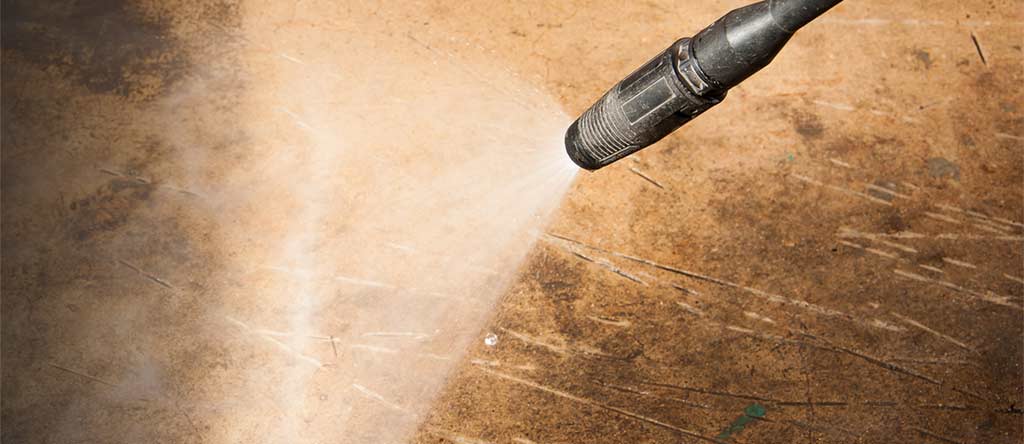
Protect delicate surfaces with professional travertine and natural stone cleaning services. From patios and walkways to pool decks and entryways, expert pressure washing removes dirt, algae, and buildup using safe methods. Proper care helps preserve stone integrity and long-term curb appeal.
Stamped Concrete Cleaning
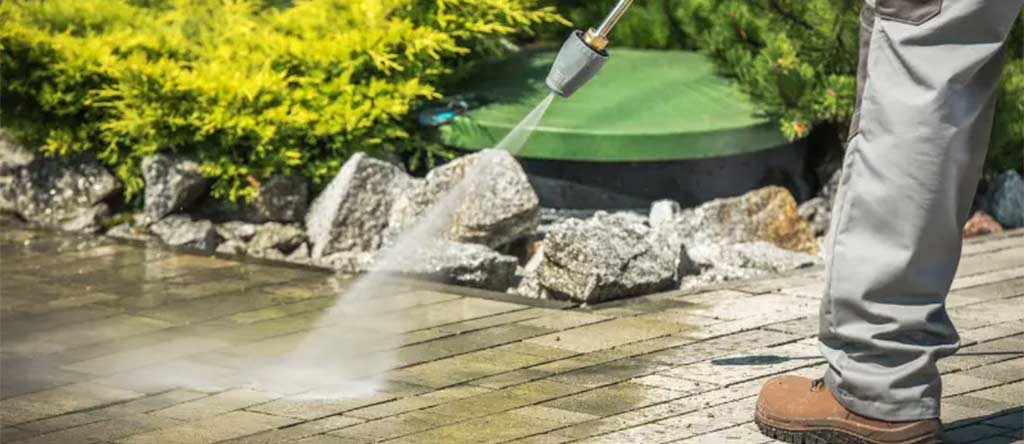
Restore the look of decorative surfaces with professional stamped concrete cleaning services. From patios and walkways to driveways and pool decks, expert pressure washing removes dirt, stains, and buildup without damaging the finish. Proper cleaning helps preserve appearance and extend surface life.
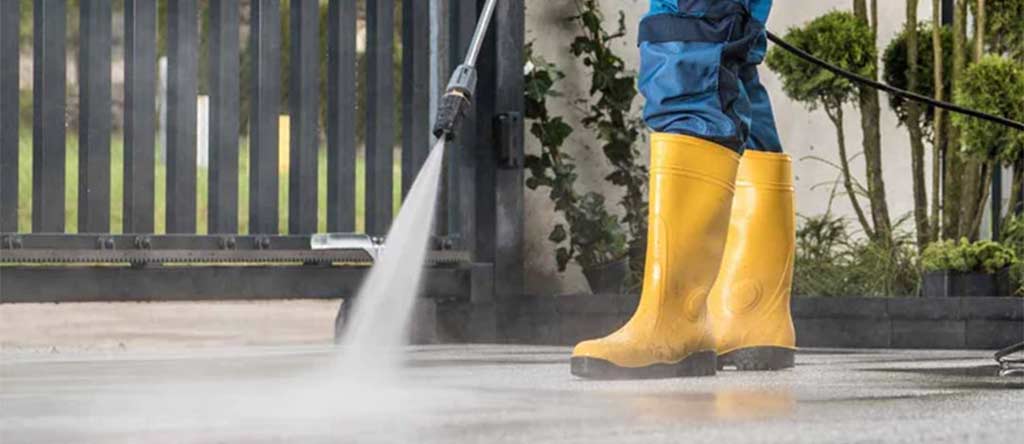
Sports Court Cleaning
Keep sports courts clean, safe, and playable with professional pressure washing services. From basketball and tennis courts to surrounding concrete areas, expert cleaning removes dirt, algae, and surface buildup effectively. Routine maintenance improves traction, appearance, and overall court performance.
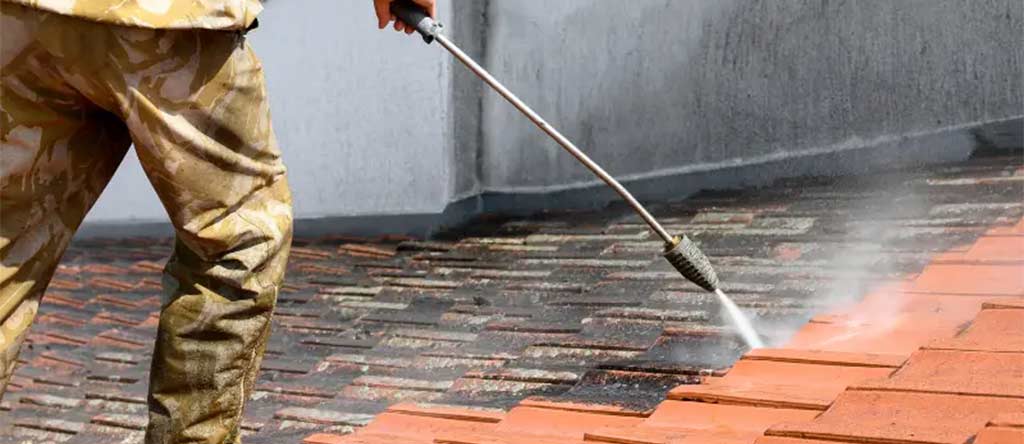
Retaining Wall Cleaning
Keep retaining walls looking clean and structurally sound with professional cleaning services. From concrete and stone walls to landscaped retaining systems, expert pressure washing removes dirt, algae, and buildup safely. Proper cleaning helps protect surfaces and maintain a polished property appearance.